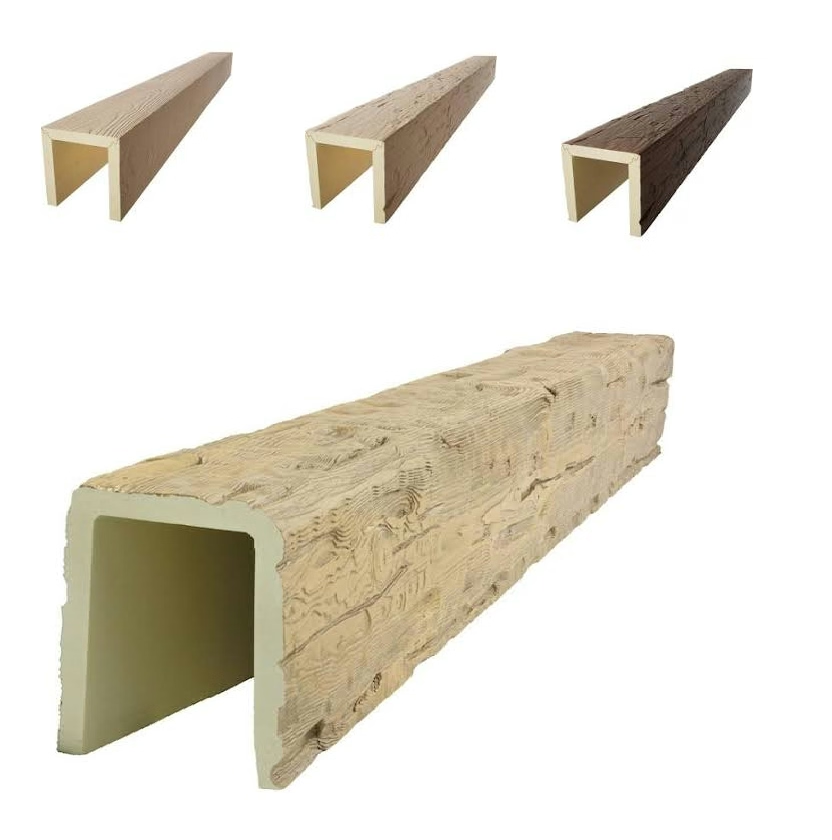
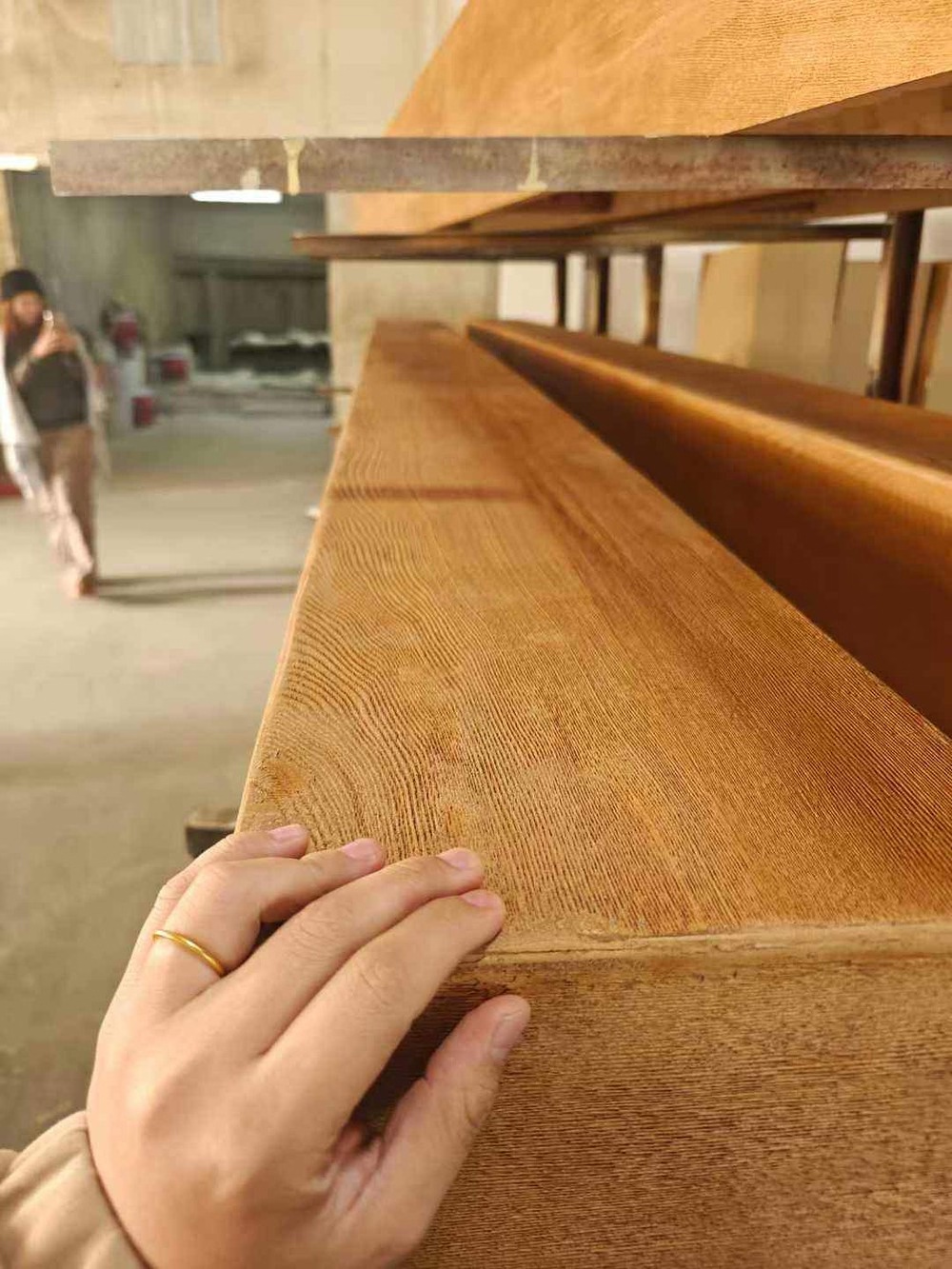
Indoor air quality has become a central concern for homeowners, designers, and building operators. Volatile organic compounds—VOCs—emitted from building materials can accumulate in enclosed spaces, potentially affecting occupant health and comfort. Schools, healthcare facilities, and residential projects increasingly specify materials based on their emissions profiles. Ceiling beams, often overlooked in this context, represent an opportunity to make conscious choices.
Polyurethane faux wood beams occupy an interesting position in the emissions conversation. Traditional polyurethane formulations sometimes incorporate solvents and additives that contribute to VOC emissions during installation and early use. Modern formulations increasingly address these concerns through water-based systems, bio-derived content, and careful additive selection. Understanding the differences enables specification of beams that meet stringent environmental requirements.
Understanding VOC Concerns
Volatile organic compounds encompass a broad category of carbon-based chemicals that evaporate at room temperature. Common sources include paints, adhesives, sealants, and many construction materials. When these materials release VOCs into enclosed spaces, concentrations can build to levels that affect occupant comfort, trigger sensitivities, or pose longer-term health concerns.
Regulatory frameworks attempt to address these concerns through various standards. Greenguard certification establishes emissions limits for interior products. FloorScore evaluates specific product categories. LEED credits reward material selections that reduce indoor pollution loads. These standards provide benchmarks that conscious buyers can reference during specification.
The compounds of concern vary by application. Ceiling beams in residential bedrooms warrant different attention than commercial office installations. Spaces occupied by sensitive populations—children, elderly individuals, immune-compromised persons—demand higher levels of caution. Understanding the specific application guides appropriate material selection.
Modern Low-VOC Formulations
Contemporary polyurethane technology offers multiple paths toward reduced emissions. Water-based formulations replace solvent carriers with water, eliminating the evaporative solvents that contribute most significantly to VOC emissions. These formulations achieve performance comparable to traditional solvent-based products while meeting stricter environmental requirements.
Bio-derived polyols represent another advancement reducing environmental impact. Rather than deriving polyurethane precursors entirely from petroleum sources, manufacturers incorporate plant-based polyols from sources like soy, castor oil, and other renewable materials. These bio-content products reduce reliance on finite resources while often exhibiting favorable emissions characteristics.
Catalyst selection also affects emissions profiles. Traditional tin-based catalysts have faced regulatory pressure due to health concerns. Modern alternatives—including zinc, bismuth, and amine-based systems—provide effective curing without the emissions and handling concerns associated with older catalyst technologies. Quality manufacturers have reformulated products to eliminate or reduce these compounds.

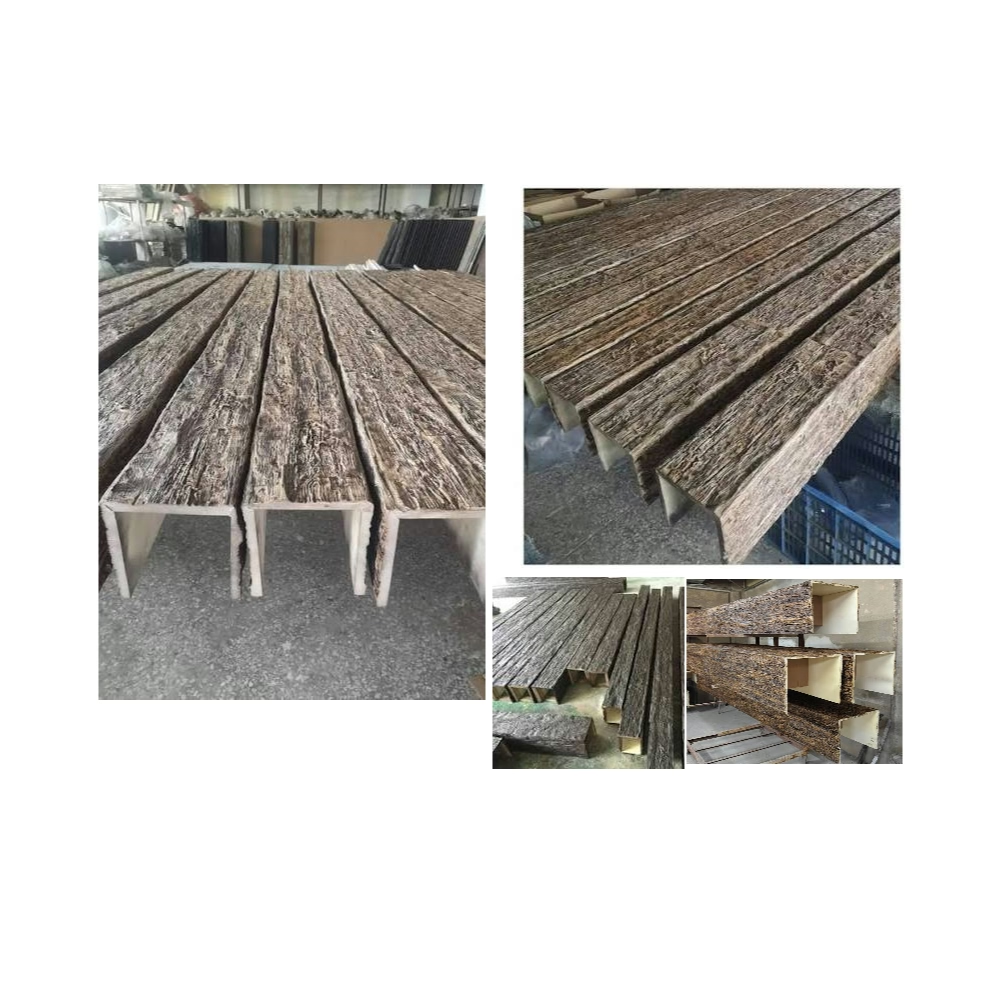
Certification and Compliance
Third-party certifications provide reliable emissions data that specification can reference. GREENGUARD Gold certification, for example, establishes emissions limits appropriate for sensitive environments like schools and healthcare facilities. Products bearing such certifications have been tested by independent laboratories against established protocols.
FloorScore certification applies specifically to flooring and ceiling products, evaluating both initial emissions and long-term emissions stability. This certification is particularly relevant for beam installations in commercial spaces where indoor air quality compliance is monitored and regulated.
Manufacturer emissions documentation should be requested directly when certifications are not prominently displayed. Most quality manufacturers can provide product data sheets indicating VOC content, emissions test results, and compliance with relevant standards. This documentation supports specification decisions and provides documentation for green building certification applications.
Green Building Rating Systems
LEED (Leadership in Energy and Environmental Design) credits reward material selections that reduce environmental impact. Low-VOC materials contribute to credits in the Materials and Resources category, specifically addressing indoor environmental quality. Documentation requirements vary by credit, but most accept manufacturer certifications and data sheets as supporting evidence.
WELL Building Standard, focused specifically on occupant health and wellness, includes air quality provisions that low-VOC materials support. The standard establishes maximum emissions levels for various compound categories, and compliant products contribute to building certification under this increasingly influential framework.
Living Building Challenge represents the most stringent requirements, excluding certain chemical classes entirely rather than simply establishing concentration limits. Materials meeting these requirements demonstrate commitment to environmental responsibility that exceeds even green building standards. While fewer products qualify, their availability continues growing as manufacturers respond to market demand.
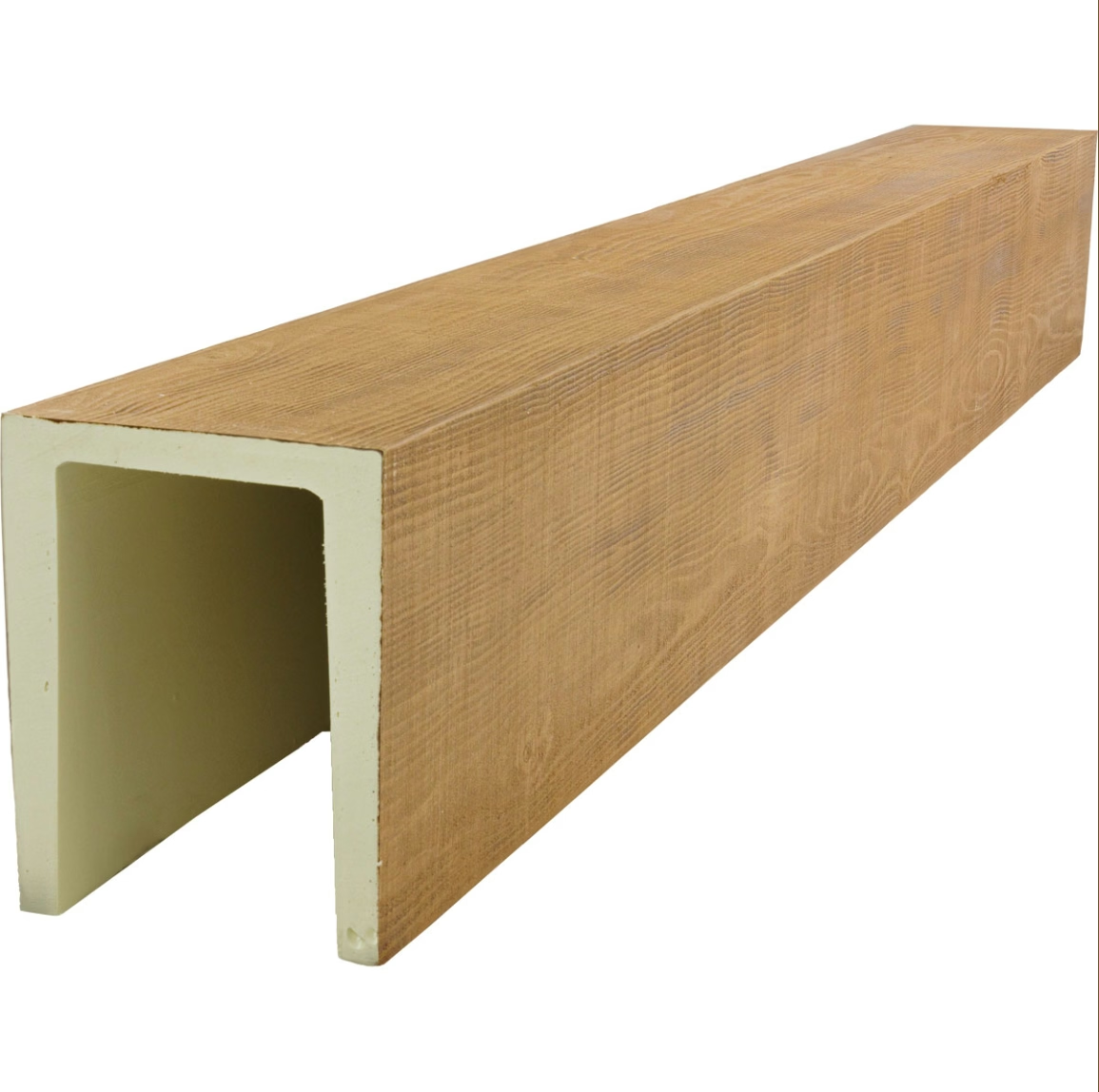
Application-Specific Considerations
Residential applications warrant particular attention to emissions because living spaces concentrate occupants for extended periods. Bedrooms, nurseries, and children's rooms justify the highest caution given the vulnerability of sleeping populations and the extended exposure times involved. Low-VOC beams provide peace of mind in these sensitive locations.
Healthcare facilities have long recognized indoor air quality's connection to patient outcomes. Surgery centers, patient rooms, and diagnostic areas benefit from materials that don't contribute to contamination risks. Low-VOC beams support these environments' air quality goals while providing the warm aesthetics that humanize clinical spaces.
Educational facilities host populations with heightened vulnerability to air quality impacts. Children experience disproportionate effects from airborne contaminants due to their breathing rates and developing systems. Schools incorporating low-VOC materials demonstrate commitment to creating healthy learning environments.
Making Informed Selections
Product selection for low-VOC compliance requires some investigation beyond surface marketing claims. Terms like "eco-friendly" and "green" lack standardized definitions and might not indicate actual emissions performance. Specific certifications and test data provide reliable evidence of environmental performance.
Requesting documentation from manufacturers confirms claims and provides evidence for specification files. Data sheets should indicate VOC content in grams per liter or pounds per gallon, emissions test results, and any applicable certifications. Manufacturers confident in their formulations welcome such requests and can provide complete documentation.
Consideration of the full product lifecycle completes the environmental assessment. Manufacturing impacts, transportation distances, and end-of-life options all affect overall environmental performance. While emissions during use often dominate indoor air quality conversations, holistic environmental responsibility considers these additional factors when making material selections.
Technical References
ASTM standards cited in every specification
Test Data
Lab results from internal testing program
Updated 2026
Reviewed against current product specs