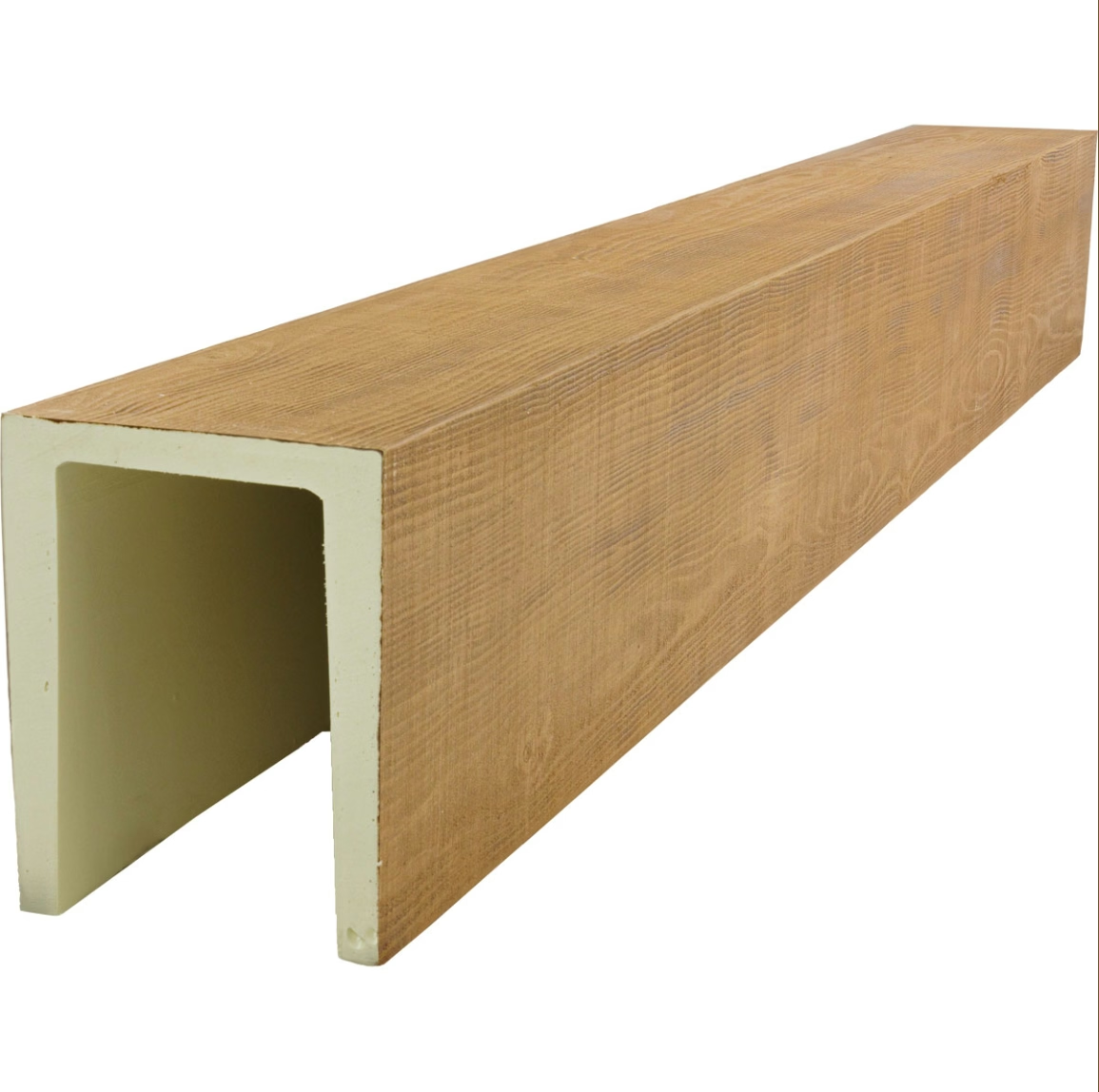
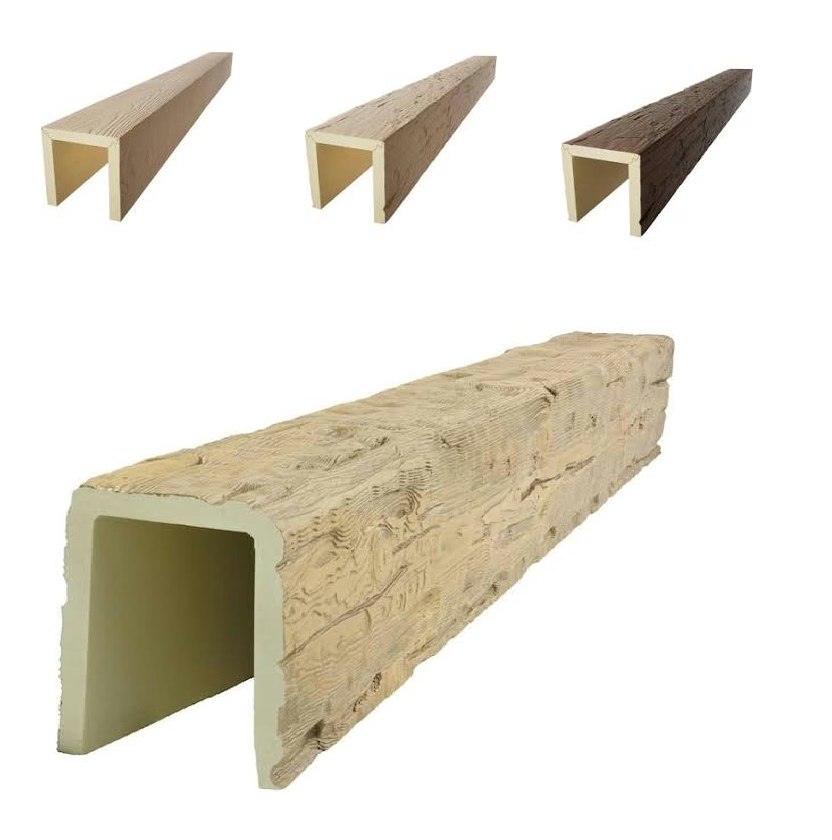
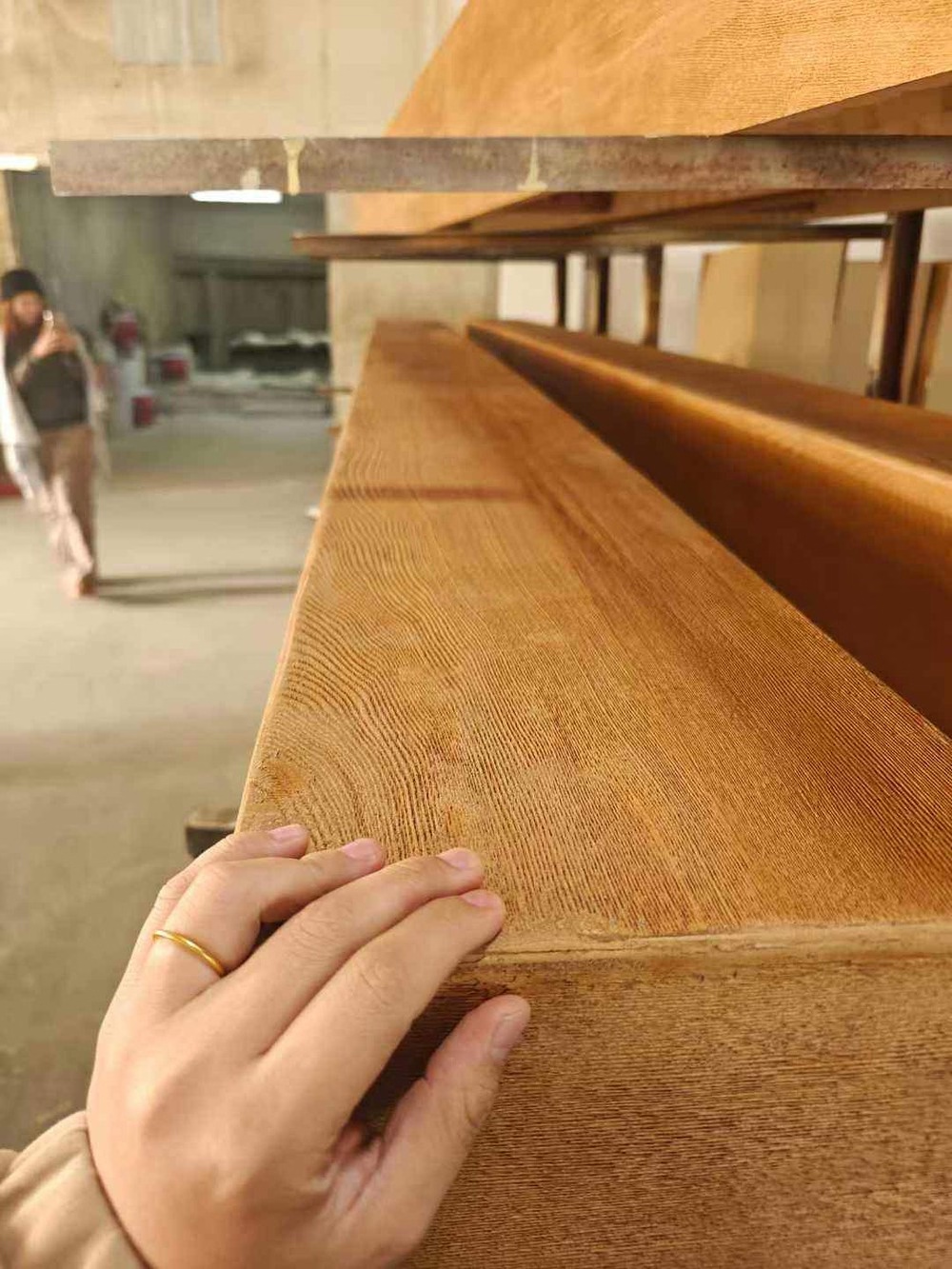
The first thing a designer notices when specifying materials for a high-end residential project is authenticity. Clients investing in luxury interiors expect surfaces that tell a story — wood grain that carries depth, warmth, and the unmistakable character of aged timber. Yet time, budget, and structural realities often demand a smarter approach. This is where espresso walnut finish polyurethane faux wood beams step in, delivering the visual richness of natural walnut without the compromises that come with the real thing.
Why Espresso Walnut Remains a Top Finish Choice
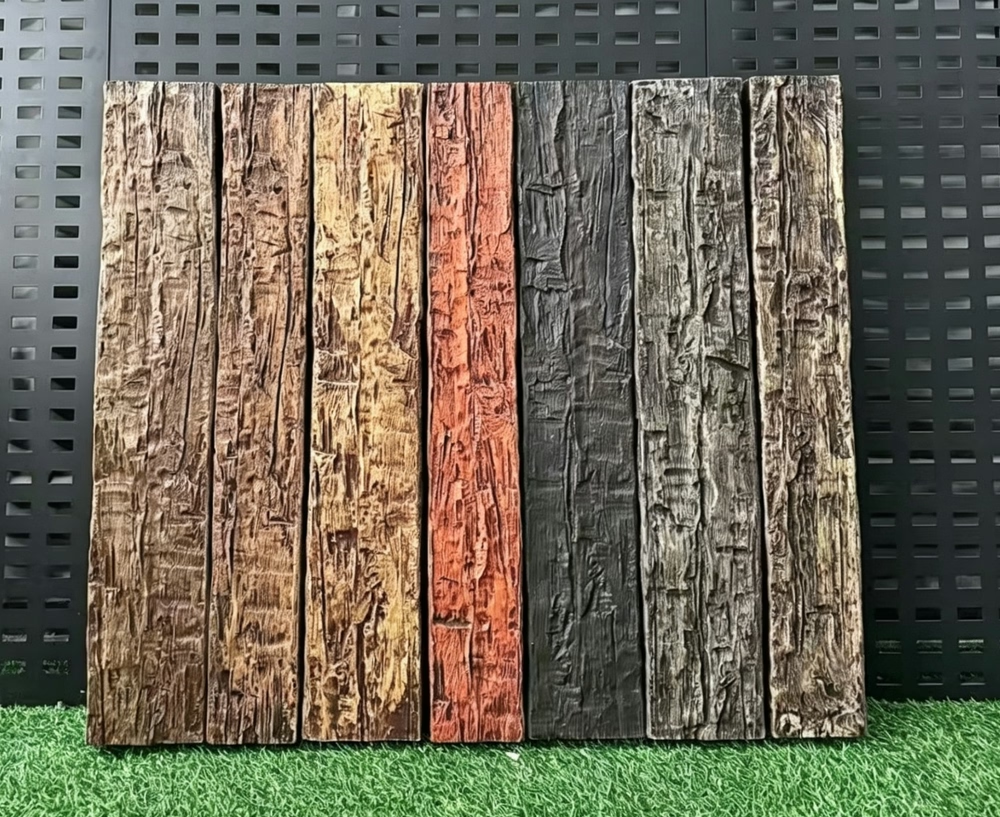
Walnut has occupied a privileged position in fine furniture and architectural millwork for centuries. Its dark, chocolate-brown heartwood — when finished in espresso tones — creates a depth of color that shifts from near-black in shadowed areas to warm amber highlights under direct light. This dynamic quality is what makes espresso walnut so compelling for ceiling applications, where beams catch both artificial and natural illumination throughout the day.
Polyurethane faux beams finished in espresso walnut replicate this interplay of light and grain with remarkable fidelity. Modern manufacturing techniques use multi-layer finishing processes that build color depth just as nature does in slow-grown timber. Each beam carries a unique grain pattern, so installations never feel repetitive or manufactured, even in large open-plan spaces.
The espresso walnut palette also complements a wider range of interior styles than you might expect. While it anchors itself naturally in contemporary and transitional schemes, the warmth of the walnut undertone prevents it from feeling cold or stark. Paired with cream plaster walls, brushed brass fixtures, and linen upholstery, espresso walnut beams soften what could otherwise feel austere.
Structural and Practical Advantages Over Natural Timber
One of the most compelling arguments for polyurethane faux beams in luxury projects is their weight. Natural walnut timber beams — especially at the widths and lengths required for impressive ceiling installations — can weigh hundreds of pounds per linear foot. This creates cascading engineering challenges: reinforced ceiling joists, specialized lifting equipment, and extended installation timelines that drive costs upward significantly.
Polyurethane beams typically weigh less than 10 pounds per linear foot, even in substantial cross sections. A single installer can handle most beam lengths without assistance, and standard ceiling framing is almost always sufficient to support the load. For renovation projects where original structural elements are being preserved, this lightweight advantage is often the deciding factor between a successful installation and a compromised design.
Moisture resistance is another practical benefit that matters in real-world applications. Natural wood expands and contracts with humidity changes, which means real timber beams can crack, warp, or pull away from ceiling surfaces over time. Polyurethane is dimensionally stable in environments where humidity fluctuates, making it suitable for kitchens, bathrooms, basements, and climate-controlled vacation homes alike.
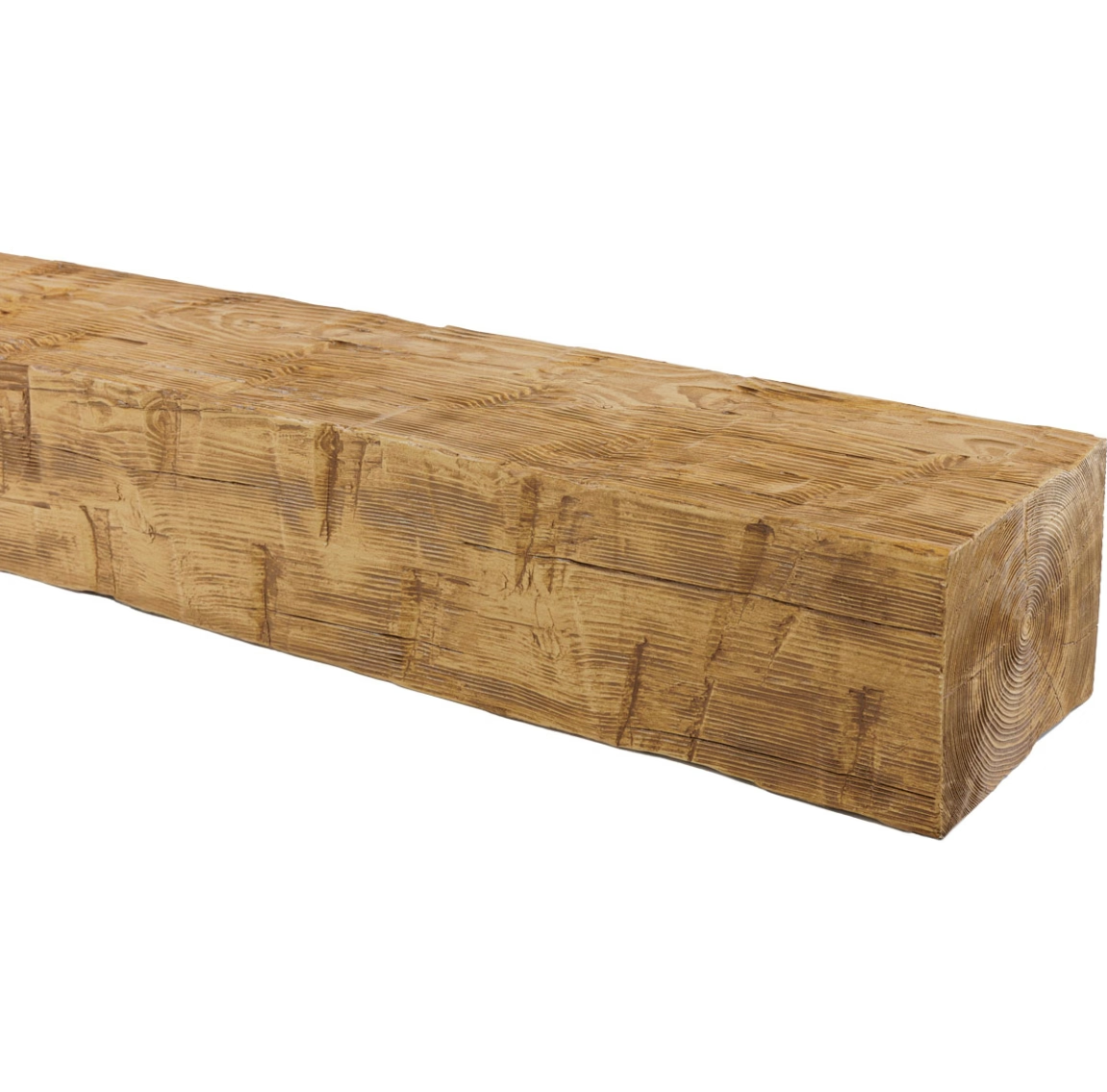
Design Applications in Luxury Interiors
Great rooms and formal living spaces are the natural home for espresso walnut faux beams. A coffered ceiling detail using these beams creates an architectural focal point that draws the eye upward while establishing warmth at eye level. Designers often pair the dark beam finish with lighter ceiling planes or plaster soffits to create visual contrast that defines different zones within an open floor plan.
Home office and library interiors benefit equally from the gravitas that espresso walnut beams provide. A study with exposed beams above a wall of dark shelving creates an atmosphere of established wealth and serious purpose. The beams anchor the room's design language without overwhelming the functional elements like desks, seating, and task lighting.
In hospitality design, espresso walnut finish beams work exceptionally well in upscale lounges, wine bars, and private dining rooms. The finish reads as warm and sophisticated simultaneously — qualities that hospitality designers consistently seek when creating memorable guest experiences. Polyurethane construction also stands up to the rigors of commercial environments better than natural wood, resisting dents and scratches that would require refinishing in real timber.
Matching Finishes and Complementary Materials
Achieving a cohesive interior with espresso walnut beams requires attention to the materials that surround them. Stone surfaces — particularly lighter marbles like Crema Marfil or statuary marble — create striking contrast against the dark beams. The stone's cool, smooth surface plays against the warm grain texture of the polyurethane finish in a dialogue that feels both classical and contemporary.
Metallic accents in warm tones elevate the richness of espresso walnut beautifully. Brushed bronze, antique brass, and rose gold fixtures harmonize with the amber undertones in the walnut finish without competing for attention. Chrome and polished nickel, by contrast, tend to feel slightly jarring against espresso tones because of the temperature mismatch between cool metal and warm wood.
Textile choices should balance the visual weight of the beams. Heavier fabrics like velvet, bouclé, and woven linen work better than smooth synthetics. Area rugs in neutral tones ground seating arrangements beneath beam installations, creating intimate zones within larger rooms that feel intentional rather than accidental.
Installation Best Practices for Flawless Results
Even the finest faux wood beams require proper installation to realize their potential. The most critical consideration is mounting method selection. For beams that appear to support structural loads, corbels and decorative brackets can add authenticity, but the actual support must come from concealed mounting systems that meet local building codes. Surface-mount techniques work for beams installed against flat ceilings, while suspended installations create the appearance of beams floating below a ceiling plane.
Seaming is another area where attention to detail pays dividends. When multiple beam sections must be joined, making the seam along the grain line rather than across it produces a more convincing result. Wood filler matched to the espresso walnut color can disguise the joint, and a light coat of the same finish over the repair ensures color consistency across the entire beam surface.
Lighting integration deserves planning early in the design process. Recessed fixtures positioned to graze along the beam surfaces create dramatic shadows that emphasize the grain texture. Surface-mounted pendant lights or chandeliers hung from beams should use canopy plates sized appropriately to the beam's cross section — an undersized canopy will look like an afterthought rather than a design decision.
Caring for Espresso Walnut Finish Beams
Maintenance of polyurethane faux beams is refreshingly straightforward compared to natural wood. Unlike real timber, they do not require periodic refinishing, waxing, or oil treatment to maintain their appearance. A soft microfiber cloth handles dust removal, and occasional cleaning with a mild soap solution removes fingerprints, cooking grease, or environmental buildup.
Avoid abrasive cleaners or pads that could scratch the finish surface. While polyurethane is more resistant to scratching than natural wood, the finish coat can be dulled by aggressive scrubbing. For stubborn marks, a soft cloth dampened with diluted dish soap and gently worked over the affected area typically restores the original luster without damaging the surface.
Structural inspections are unnecessary for polyurethane beams since they will not rot, split, or degrade under normal interior conditions. This means the maintenance burden over the life of the installation is essentially zero — a significant advantage for property managers overseeing multiple luxury residential units or hospitality properties.
Making the Specification Decision
For designers and project managers evaluating beam materials, espresso walnut finish polyurethane faux beams represent a convergence of aesthetic ambition and practical wisdom. The finish delivers the visual richness that clients expect from luxury interiors, while the material properties eliminate the structural compromises and maintenance obligations associated with natural timber.
Specifying these beams also provides schedule certainty that natural wood cannot match. Natural walnut beams require extended lead times for milling and finishing, and material costs fluctuate with market conditions. Polyurethane beams are manufactured to consistent quality standards and are typically available with much shorter lead times, making them a reliable choice for projects operating on tight construction schedules.
The environmental dimension is worth noting as well. No old-growth walnut forests are harvested to produce these beams, yet the visual result is indistinguishable from — and in some cases superior to — natural timber. For projects pursuing sustainability certifications or simply seeking to reduce their environmental footprint, polyurethane beams offer a compelling alternative that does not sacrifice design quality.
Technical References
ASTM standards cited in every specification
Test Data
Lab results from internal testing program
Updated 2026
Reviewed against current product specs