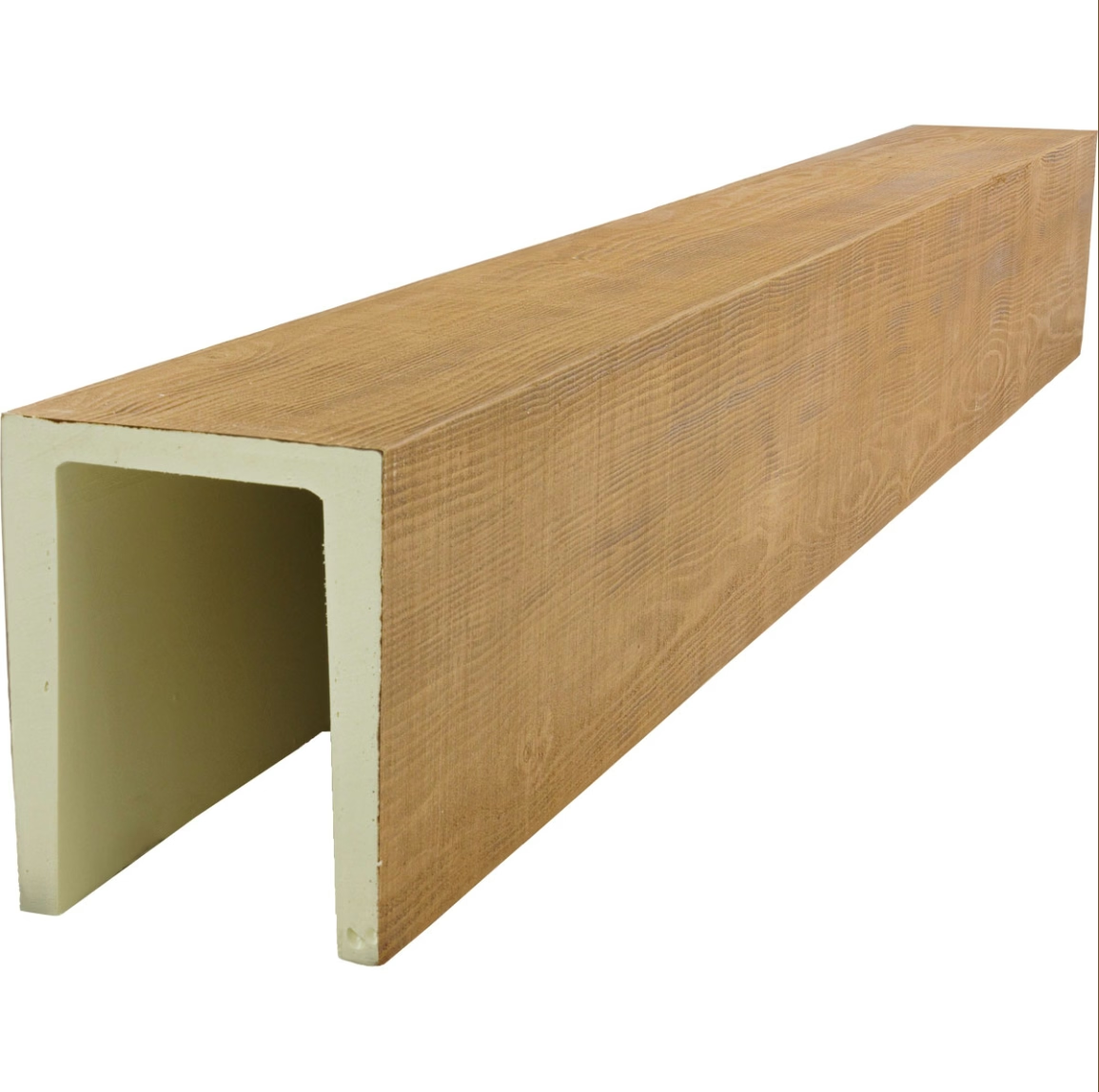
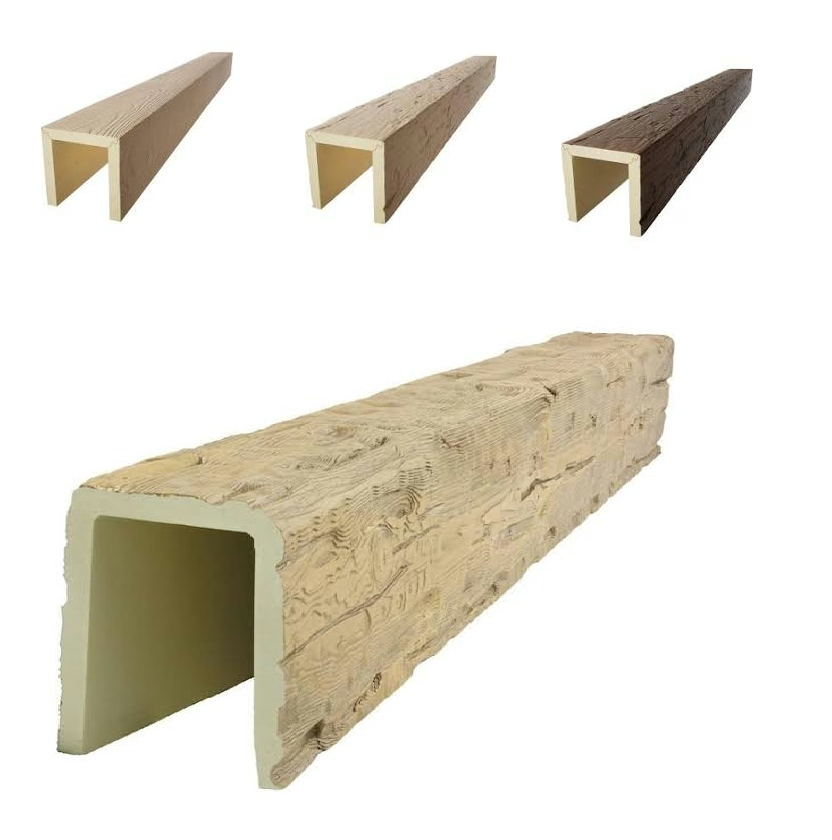
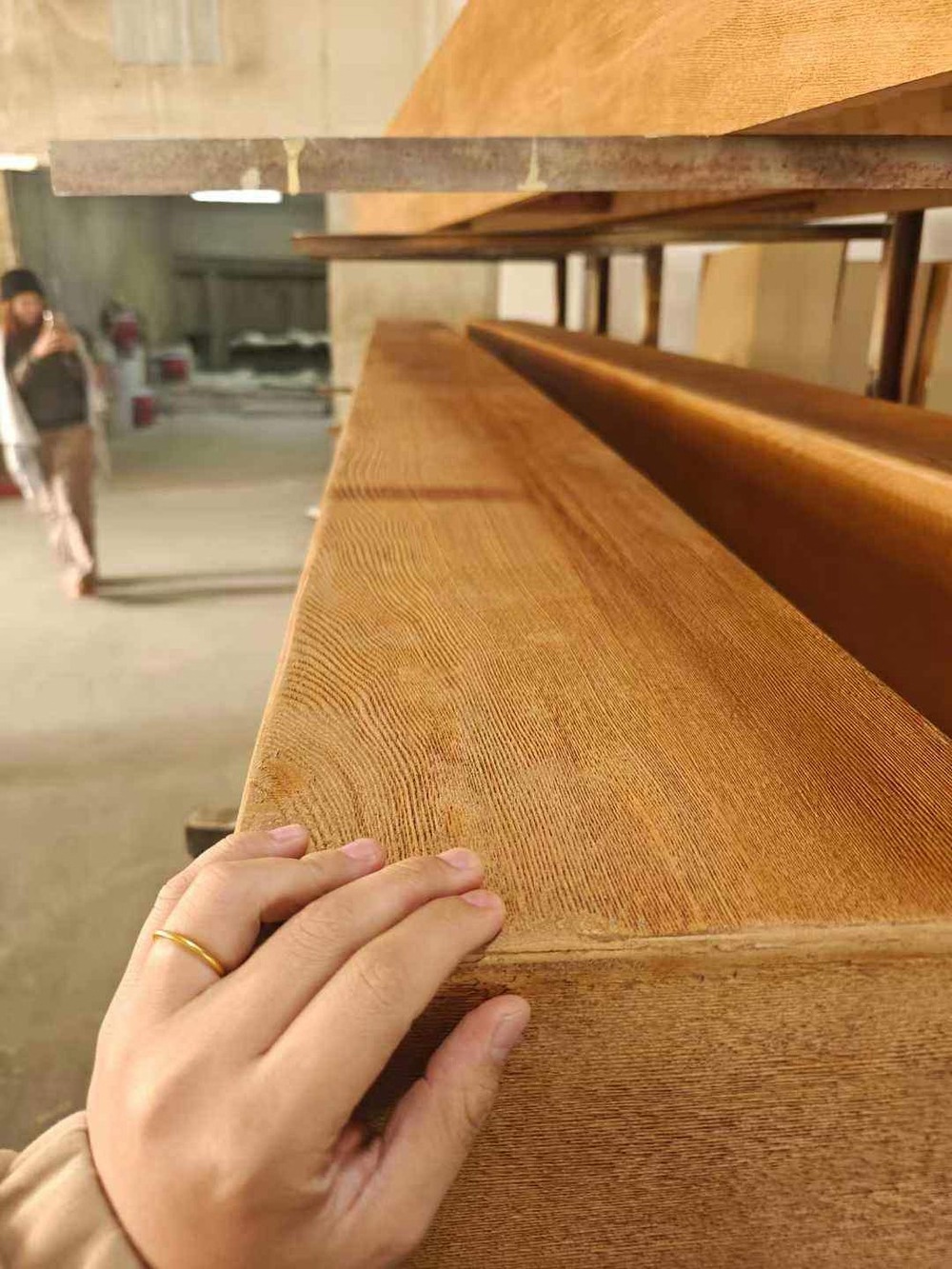
The phrase "luxury interior design" often conjures images of prohibitive budgets, custom millwork, and imported materials that most projects cannot accommodate. Yet the fundamental qualities that make an interior feel luxurious — thoughtful proportion, warm materials, crafted details, and architectural interest — do not inherently require enormous expenditure. They require intention. Premium polyurethane faux beams are one of the most direct paths from intention to result, delivering ceiling design impact that rivals the most expensive custom timber installations at a fraction of the cost.
The Real Cost Comparison
Understanding why faux beams represent genuine value requires an honest accounting of what genuine timber beams actually cost beyond the material price tag. Natural walnut or mahogany beams of substantial cross section can cost hundreds of dollars per linear foot for materials alone. Then comes the structural engineering — if the beams are to be genuine structural elements, the ceiling must be designed and reinforced to carry the load. Installation requires specialized labor, often including crane service for large pieces, and the timeline is extended by the weight and handling challenges.
By contrast, premium polyurethane beams of equivalent visual presence typically cost a small fraction of the material cost alone — and then installation is straightforward enough that two installers with basic tools can place beams that would otherwise require a crew and equipment. There is no structural engineering, no load calculations, no specialized mounting hardware beyond standard concealed fastening systems.
The total cost comparison — materials plus engineering plus labor plus maintenance — routinely shows a factor of three to five times savings with premium polyurethane versus genuine timber of comparable visual quality. This is not a marginal difference; it is a category shift that makes luxury ceiling design accessible to projects that would otherwise need to compromise significantly.
Where the Savings Can Be Redirected
When a project saves on ceiling beam materials and installation, those funds become available for other design priorities. The most effective approach is to invest savings in areas that guests and occupants encounter most directly: upholstery quality, lighting design, hardware specifications, or kitchen and bathroom finishes.
A room with premium faux beams and exceptional furniture typically creates a more luxurious impression than a room with genuine timber beams and average furnishings. The beams establish the architectural quality; the furniture and soft goods establish the experiential quality. Both matter, but in budget-conscious projects, the experiential quality is often what guests remember most directly.
Lighting design is another area where beam savings can be redirected with significant impact. Recessed fixtures, accent lighting, and properly specified task lighting transform how a space feels after dark, and the quality of lighting is something guests and occupants notice immediately. Investing beam savings in a quality lighting system ensures that the architectural investment in the beams is presented in its best possible light — literally.
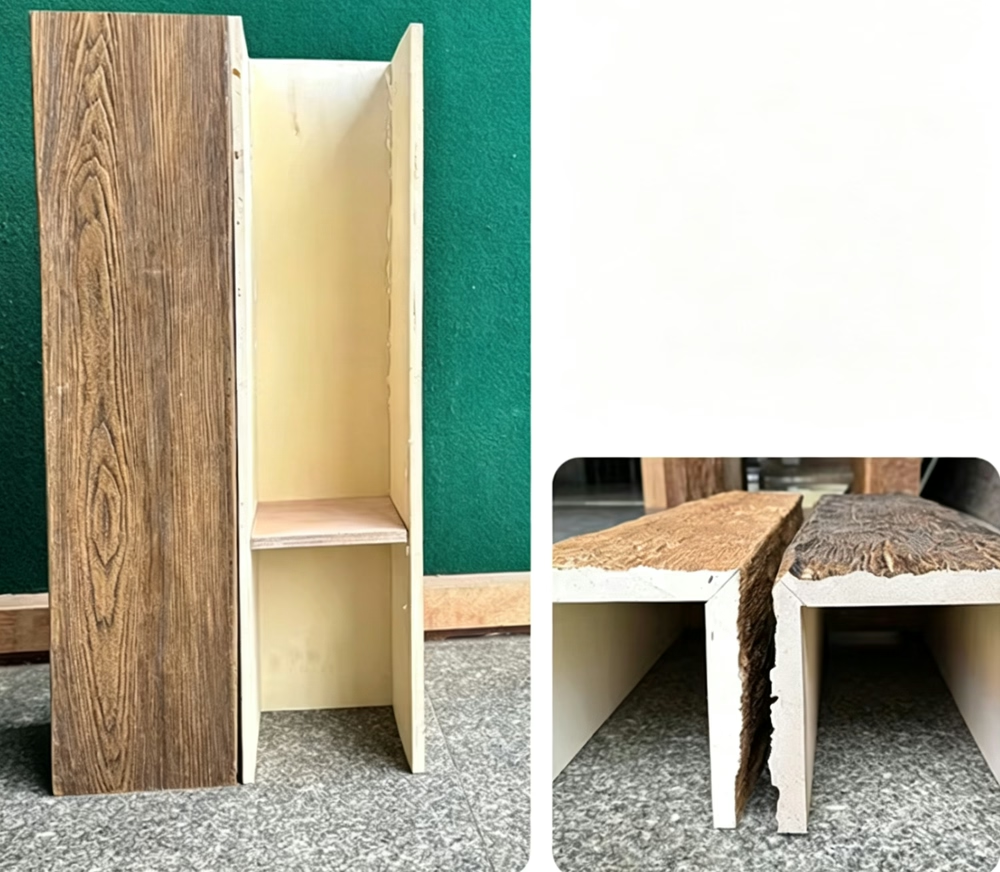
Achieving High-End Results With Faux Beam Specifications
The quality of the final result depends significantly on how the faux beam specification is approached. Budget-conscious specifications that select the cheapest available product often produce disappointing results that reinforce the perception of faux beams as inferior substitutes. Premium specifications, by contrast, produce results that are genuinely indistinguishable from natural timber.
The most important specification decisions involve profile depth, finish quality, and grain authenticity. Beams that are too shallow in profile look insubstantial and fail to create the visual weight that luxury interiors require. Beams with thin or poorly applied finishes show wear quickly and lack the depth of color that characterizes real wood. Grain patterns that repeat obviously or lack the variation of natural timber read as manufactured rather than organic.
Working with manufacturers who specialize in premium polyurethane products rather than commodity offerings makes a measurable difference in the installed result. The additional cost per linear foot is modest compared to the overall project budget, but the visual outcome is substantially better.
Installation Quality and Its Impact on Results
Even the finest faux beams can be undermined by poor installation. The difference between a beam installation that looks genuine and one that looks suspicious often comes down to details: how seams are handled, how ends are terminated, how the beam meets the wall, how lighting interacts with the beam surface.
Investing in professional installation — even when the material savings would theoretically allow a DIY approach — is one of the most cost-effective decisions in a faux beam project. Professional installers understand the details that make the difference: using color-matched wood filler on seams, creating clean terminations at walls and corners, integrating lighting fixtures so they appear to be part of the beam rather than attached to it.
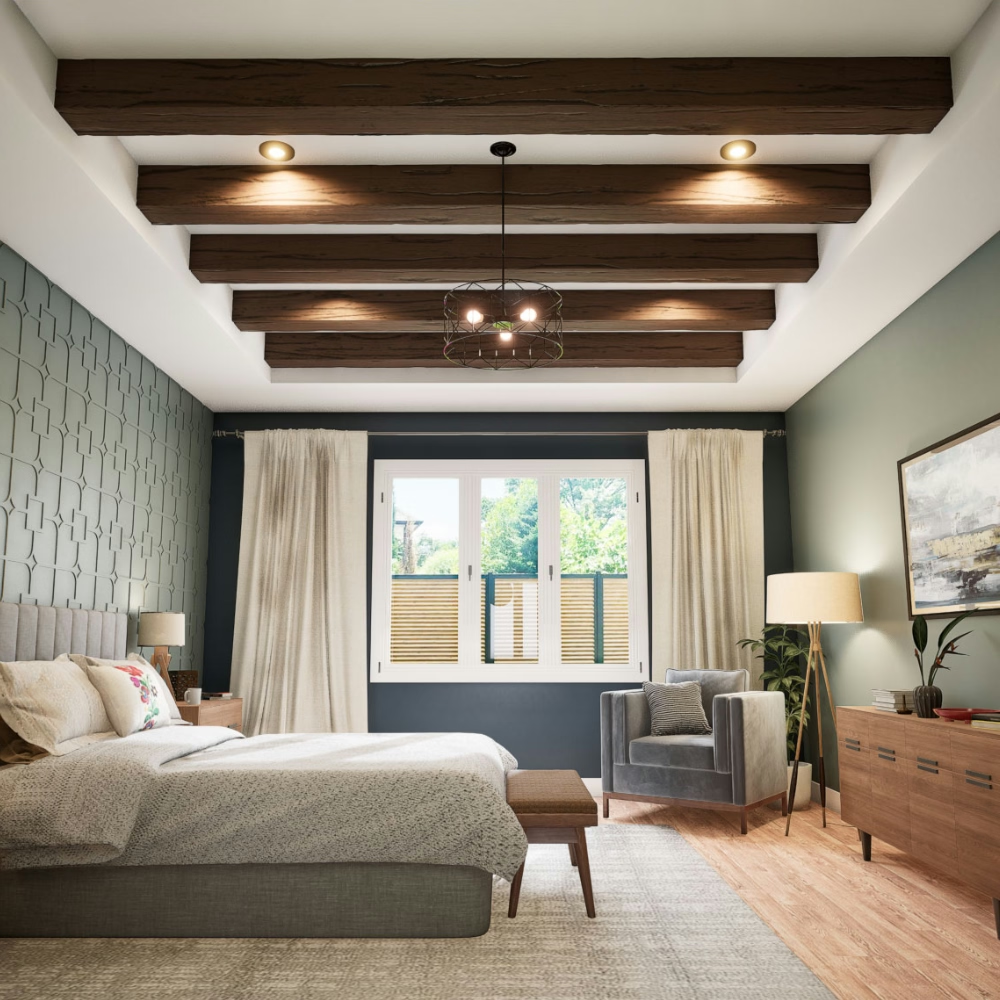
The mounting method deserves attention as well. The best installations use concealed mounting systems that leave no visible hardware. The beam appears to float against the ceiling or rest on its supports through gravity and friction alone — the same visual impression that genuine timber creates. This level of installation detail requires skill and patience, but it is what separates a premium result from an amateur one.
Maintenance-Free Luxury Over Time
One of the most frequently overlooked advantages of premium polyurethane beams is their maintenance profile over time. Natural wood beams require periodic attention — refinishing, oiling, waxing, and occasional repair of surface damage. Each of these maintenance events represents real cost: materials, labor, and the disruption of a room being taken out of service.
Polyurethane beams require no ongoing maintenance beyond routine dusting and occasional cleaning. Their finish does not fade, peel, or require renewal. They do not absorb spills, develop water marks, or show scratches in the way that natural wood does. Over a ten-year period, the maintenance cost savings alone often exceed the original material cost difference between faux and genuine timber.
This maintenance advantage also translates into practical convenience for occupied spaces. There is no need to schedule refinishing, move furniture, or manage the dust and odor of wood finishing products. The beams go in, they look beautiful, and they continue to look beautiful indefinitely. For busy households or commercial properties, this convenience is genuinely valuable.
The Psychological Dimension of Luxury Perception
Luxury is partly about material quality and partly about perception. Spaces that feel considered, crafted, and complete are perceived as luxurious regardless of the actual cost of their components. Premium faux beams, properly installed, create this sense of considered completeness in a way that budget materials cannot.
The warmth and texture that beams contribute to a ceiling is a luxury signal that is widely understood and deeply appreciated. It reads as architectural investment, as evidence that someone cared enough about the space to add detail that was not strictly necessary. This psychological effect is real regardless of whether the beams are genuine timber or premium polyurethane.
For clients who are particularly price-sensitive but unwilling to compromise on the final result, framing faux beams as "the right material choice for this project" rather than "a budget option" supports their confidence in the decision. The practical advantages — weight, maintenance, installation simplicity, cost — are legitimate reasons to choose faux beams, not excuses for choosing them.
Technical References
ASTM standards cited in every specification
Test Data
Lab results from internal testing program
Updated 2026
Reviewed against current product specs