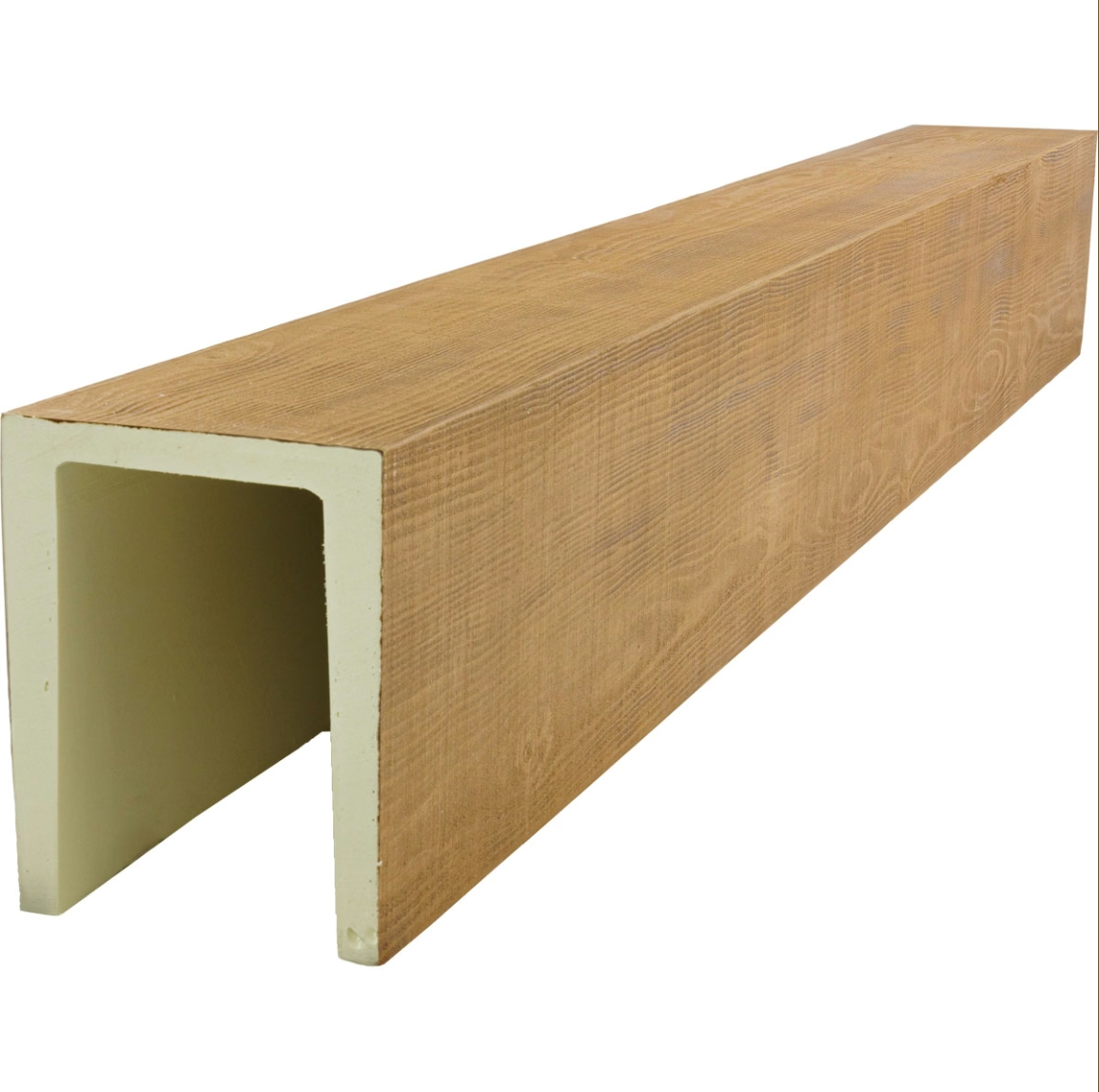
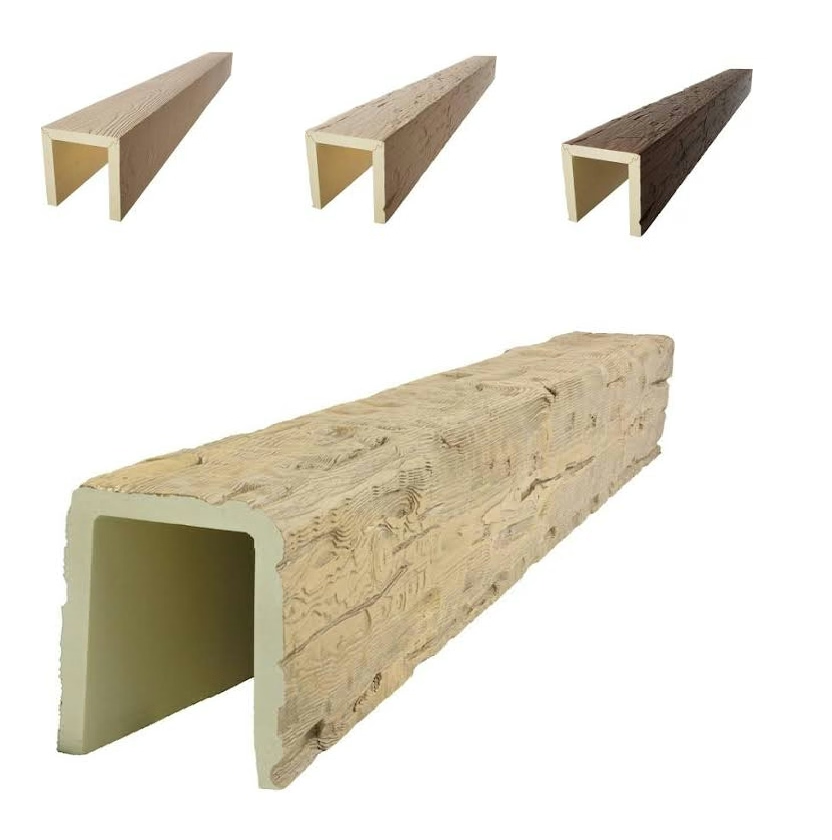
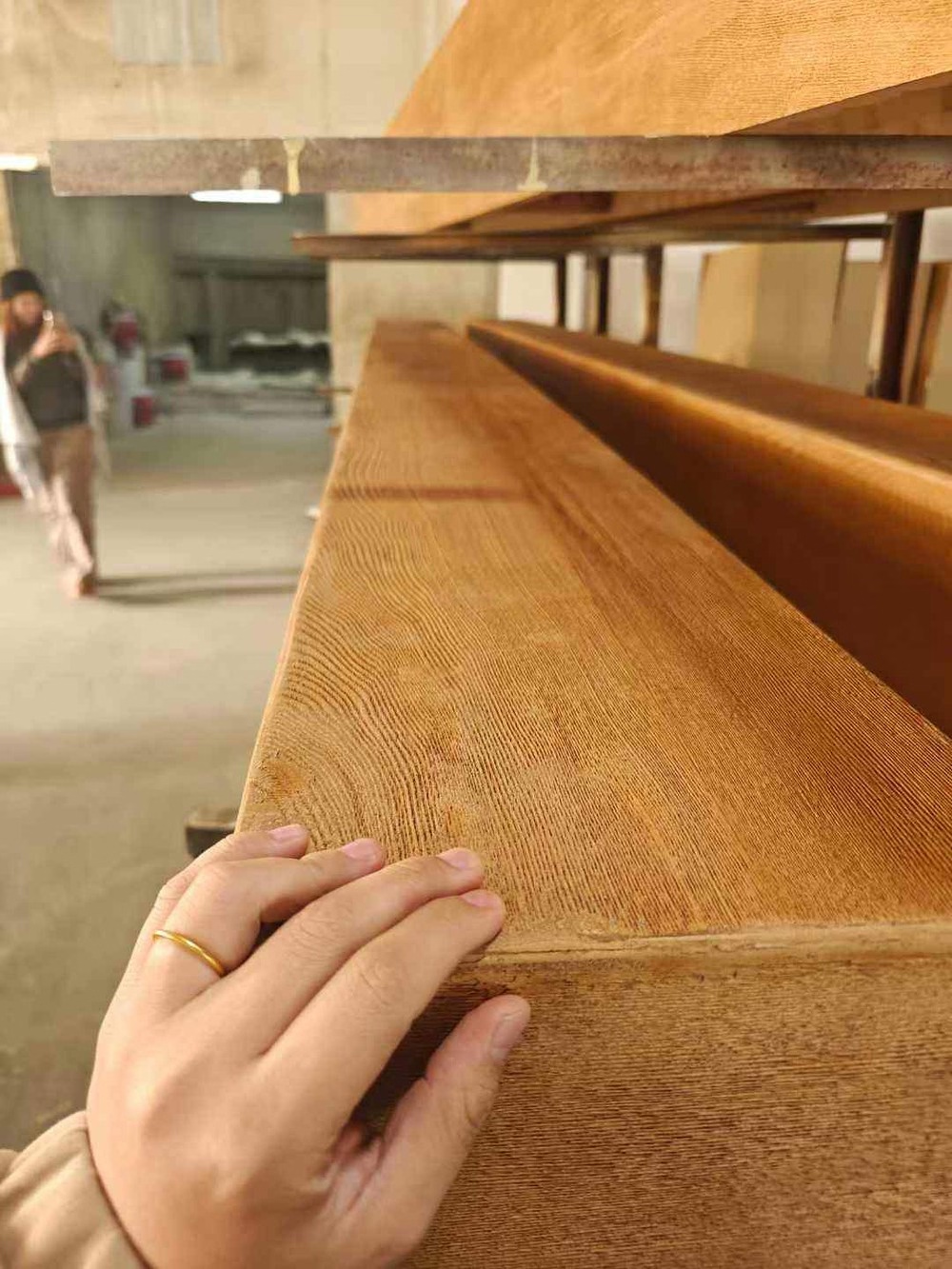
Mahogany has occupied the summit of fine wood species for over three centuries. From the cabinetmaker's workshops of 18th-century London to the grandest interiors of Gilded Age America, this rich, reddish-brown timber has signified wealth, taste, and permanence. Its fine grain, consistent color, and remarkable durability made it the material of choice for furniture, paneling, and architectural millwork in the most important rooms of the most important buildings. Today, mahogany finish polyurethane faux wood beams allow designers to bring this distinguished aesthetic into ceiling applications where genuine mahogany would be impractical, without sacrificing any of the visual qualities that made the original material legendary.
The Distinctive Character of Mahogany Finish
What distinguishes mahogany from other premium timbers is its color — a warm, reddish-brown that deepens toward amber in direct light and shifts toward rich chocolate in shadow. Unlike oak or walnut, which carry more pronounced grain patterns, mahogany's grain is relatively fine and consistent, creating a surface that reads as refined rather than rustic. This refined quality is what makes mahogany finish beams appropriate for elegant interiors where rough textures might feel out of place.
Polyurethane beams finished in mahogany tones replicate these characteristics with impressive accuracy. Modern finishing processes build color depth through multiple layers, mimicking the way that natural mahogany darkens and deepens as it ages. The result is a finish that looks mature and established rather than newly applied — appropriate for interiors where the architecture is meant to feel timeless rather than newly constructed.
The warmth of mahogany tones creates a particular kind of room atmosphere. Under warm incandescent lighting, mahogany beams glow with an inner warmth that makes the room feel inhabited and comfortable. Under cooler daylight or LED illumination, the amber undertones provide a welcome counterbalance to any coolness in the surrounding finishes.
Where Mahogany Beams Work Best
Mahogany finish beams are versatile enough to function in multiple interior contexts, but they perform best in spaces where elegance and refinement are the primary design objectives. Drawing rooms, formal living rooms, executive offices, and dining rooms — spaces where the level of finish is meant to communicate something about the occupants — are natural applications for this distinguished finish.
In hospitality design, mahogany beams work particularly well in dining rooms, wine bars, and private clubs. The warmth of the mahogany finish creates an atmosphere of established quality that aligns with the hospitality goal of making guests feel valued and cared for. The material's association with fine furniture and traditional craftsmanship reinforces the sense of occasion that these spaces are meant to create.
Bedroom suites in luxury residential projects also benefit from mahogany beam installations. The warmth and intimacy of the mahogany finish creates a sense of enclosure and comfort that is particularly welcome in sleeping spaces. Against pale linens, cream walls, and soft lighting, mahogany beams frame the bed as the central element of a composed, restful environment.
Coordinating Mahogany Beams With Other Materials
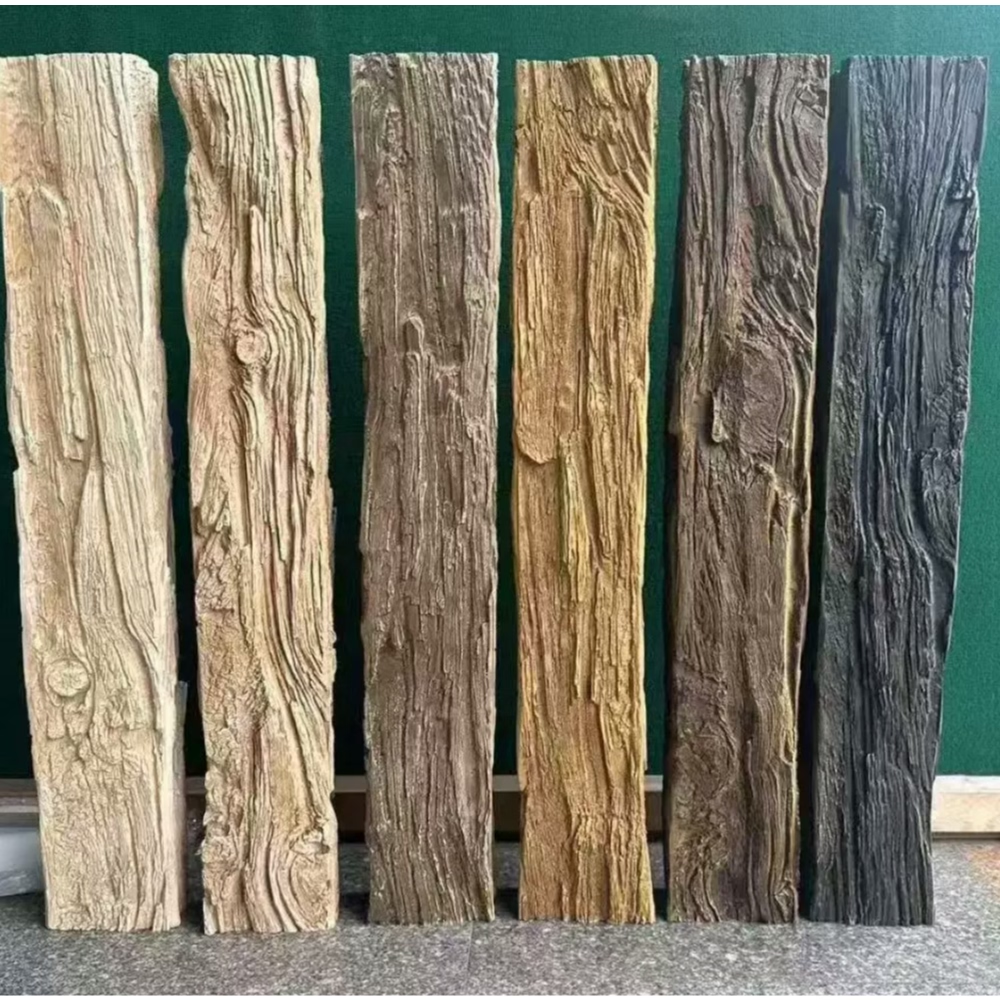
The rich tones of mahogany beams require thoughtful coordination with surrounding materials. Unlike lighter wood finishes that serve as neutral canvases, mahogany carries significant visual weight and color character that must be accounted for in the overall material palette.
Stone surfaces in neutral tones — white, cream, or light gray — provide the cleanest contrast with mahogany beams. The warmth of the mahogany reads most clearly against cool or neutral backgrounds, and the stone's permanence balances the wood's organic character. Light marble or limestone floors, in particular, create the kind of composed contrast that makes mahogany beams look their best.
Dark stone — green marble, dark granite, or black basalt — risks creating excessive visual weight when paired with mahogany beams. Both materials carry significant color intensity, and the combination can feel heavy or oppressive unless the walls and other surfaces are sufficiently light to provide breathing room.
Fabrics and upholstery in warm neutrals — camel, ivory, champagne, and soft gold — complement mahogany beams beautifully. These colors share the warm register of the mahogany tone without competing with it, creating upholstery that looks like it was specifically chosen to go with the ceiling rather than simply occupying the same room.
Mahogany Beams in Traditional and Transitional Interiors
The mahogany finish is most at home in interiors with traditional or transitional design vocabularies. The finish itself carries associations with classical furniture, period architecture, and the kind of crafted quality that characterized pre-industrial woodworking. In interiors that reference these traditions — through moldings, furniture styles, or overall composition — mahogany beams feel like a natural, coherent choice.
In strictly traditional interiors, mahogany beams can be detailed with period-appropriate ornament: decorative corbels, molding profiles that echo traditional millwork, and exposed end details that suggest authentic timber craftsmanship. These details reinforce the classical associations of the mahogany finish and contribute to an overall sense of design coherence.
Transitional interiors — those that blend traditional and contemporary elements — require a more subtle approach to mahogany beam specification. Contemporary proportions and clean-lined furniture can accommodate mahogany beams if the beam profiles are simplified and the surrounding materials are kept sufficiently modern. The key is to ensure that the mahogany finish does not pull the room backward toward a period aesthetic that contradicts the contemporary elements.
Maintenance of Mahogany Finish Beams
One of the practical advantages of polyurethane over genuine mahogany is the maintenance profile. Natural mahogany, despite its reputation for durability, benefits from periodic attention to maintain its rich color and luster. Finishing oils, waxes, and occasional refinishing are part of the ongoing care regimen for genuine mahogany in demanding interior applications.
Polyurethane mahogany beams maintain their finish without any ongoing maintenance. The color is integral to the material rather than applied to the surface, which means that minor scratches or abrasions do not expose a differently colored substrate. The surface can be cleaned with standard cleaning products without risk of finish damage.
For the rare instance of significant damage — an impact that cracks or chips the beam surface — repair is straightforward. Epoxy wood filler matched to the mahogany color can fill the damaged area, and a topcoat of matching finish restores the appearance. Unlike genuine mahogany, where a repair might require refinishing the entire beam surface to blend properly, a well-executed repair on polyurethane is often invisible.
The Sustainability Argument for Faux Mahogany
Genuine mahogany — particularly the species preferred for fine woodworking, Swietenia and Khaya — has been subject to significant overharvesting and habitat loss over the past century. While certification schemes and sustainable forestry practices have improved the situation in recent years, the supply of genuinely sustainable mahogany remains limited and expensive.
Polyurethane faux beams finished in mahogany tones provide the aesthetic experience of mahogany without contributing to the demand pressures that threaten genuine mahogany populations. For projects with sustainability commitments — whether formal certifications or general environmental values — faux beams represent a responsible choice that does not compromise on visual quality.
The production of polyurethane beams also has a lower environmental footprint than the harvesting, kiln-drying, milling, and long-distance shipping of genuine mahogany. While polyurethane is not a renewable material, its production generates fewer carbon emissions per unit of finished product than the full lifecycle of imported mahogany timber.
For designers and clients who care about both the beauty of their interiors and the environmental consequences of their material choices, mahogany-finish polyurethane beams offer a way to have both.
Technical References
ASTM standards cited in every specification
Test Data
Lab results from internal testing program
Updated 2026
Reviewed against current product specs