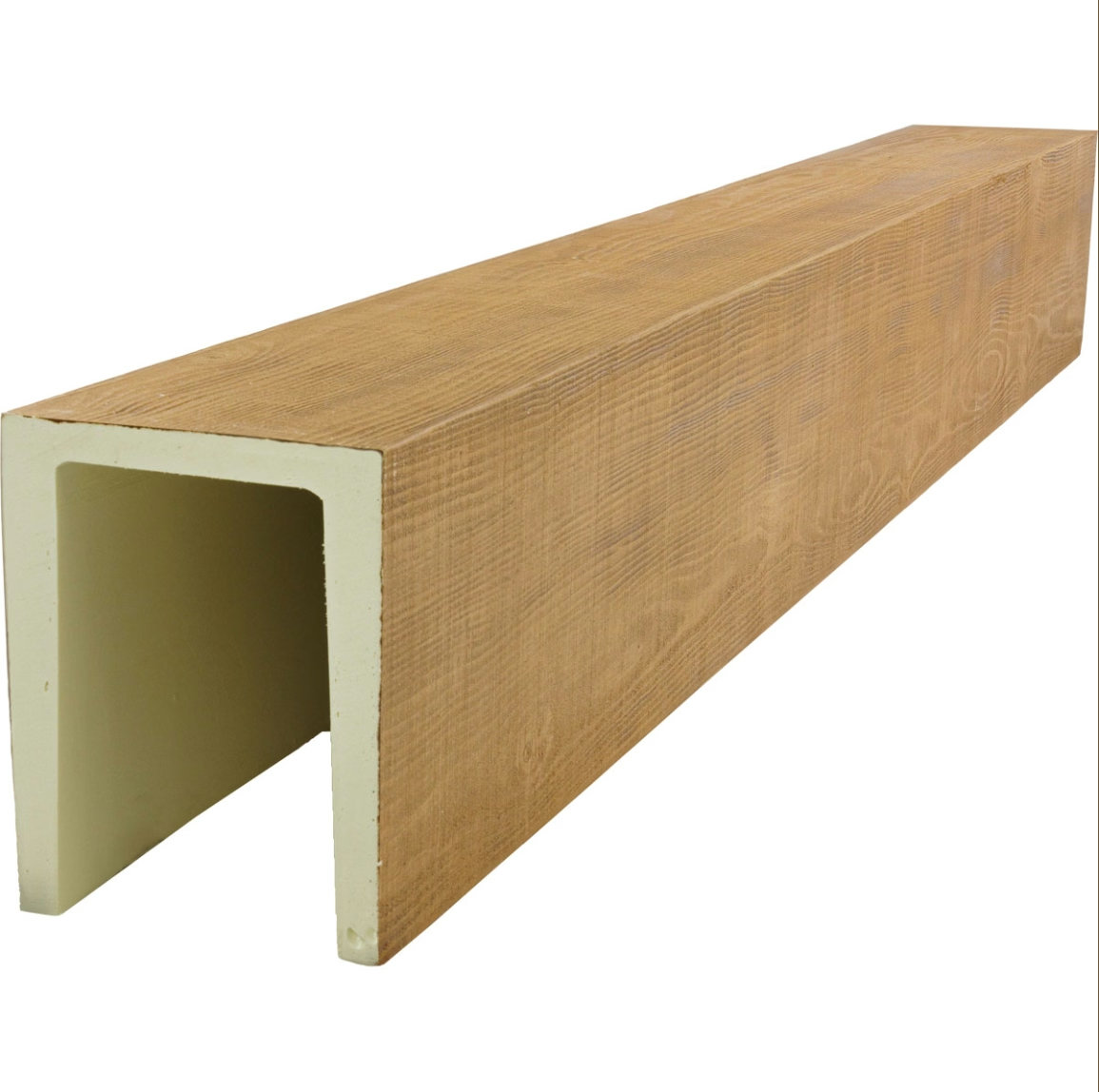
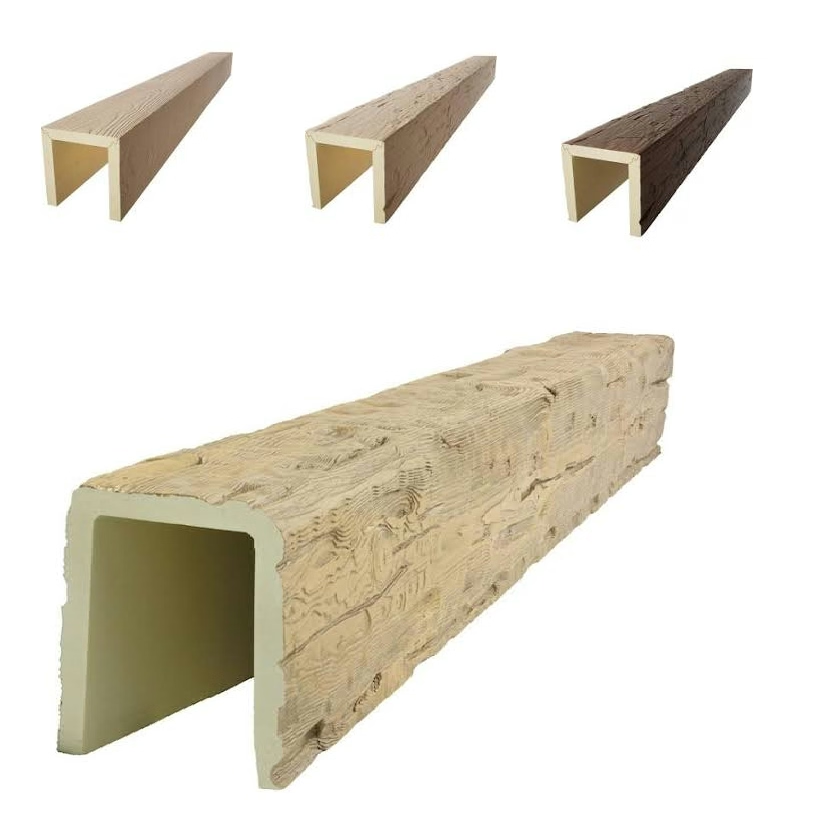
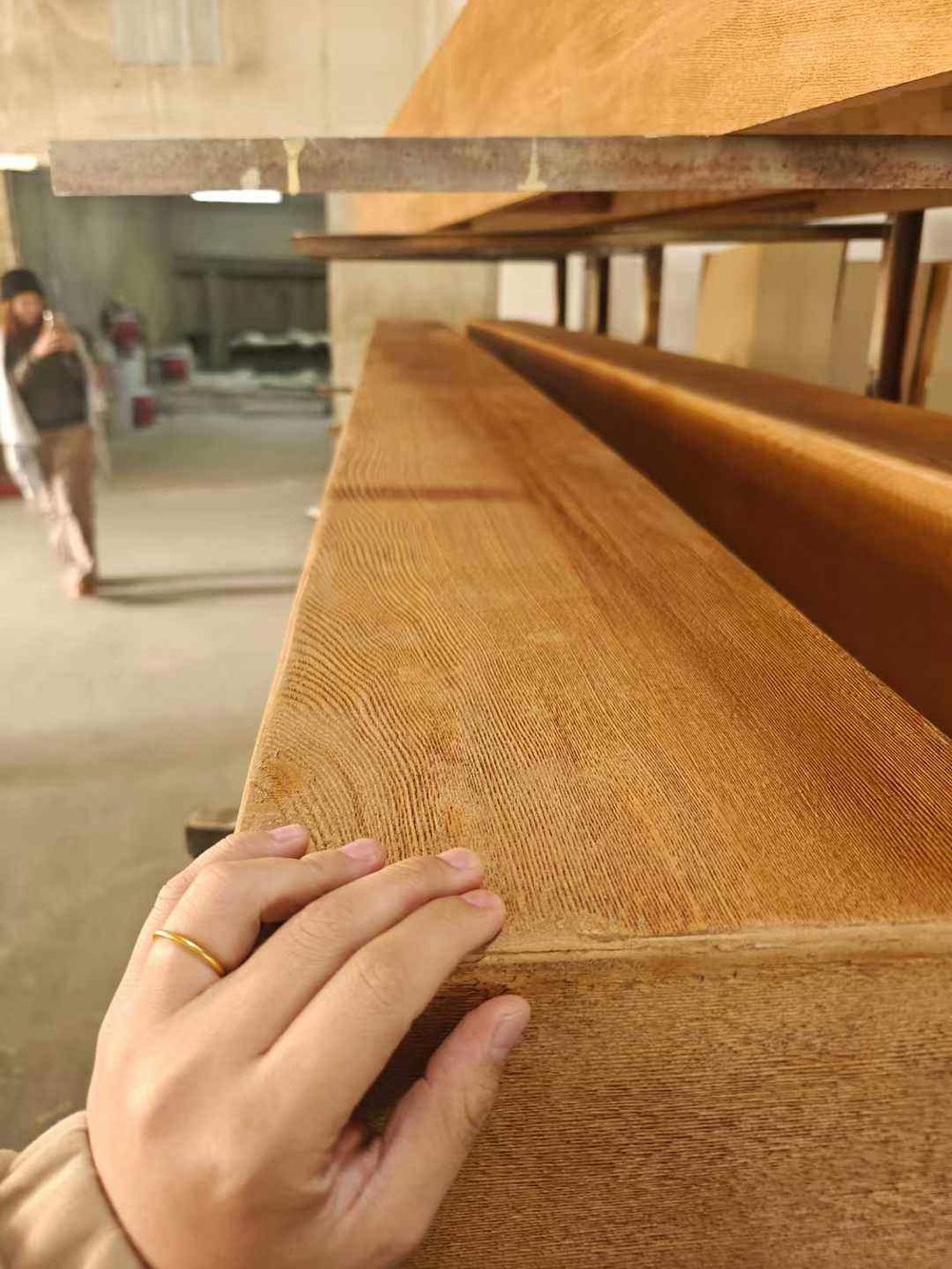
Purchasing polyurethane faux wood beams for residential or commercial projects requires careful attention to warranty coverage that protects your investment over time. Unlike natural wood products that fail through predictable degradation processes, polyurethane materials may experience unexpected issues related to manufacturing defects, formulation problems, or compatibility with environmental conditions. Understanding what warranties cover, what they exclude, and how to document potential claims helps buyers make informed decisions and resolve issues efficiently when they arise.
Warranty terms in the polyurethane beam industry range from limited one-year warranties covering manufacturing defects only to comprehensive multi-year warranties that address structural failures, surface degradation, and environmental damage. The warranty duration and scope typically correlate with product positioning—economy product lines carry minimal coverage while premium architectural grades include extensive protection. Buyers should evaluate warranty terms alongside initial pricing when comparing suppliers, as significant price differences may reflect warranty cost allocations.
What Manufacturer Warranties Typically Cover
Manufacturing defects represent the core coverage area across virtually all polyurethane beam warranties. These defects include improper mixing ratios causing weak sections, incomplete curing leading to softness or brittleness, mold release agent contamination affecting paint adhesion, and dimensional errors beyond acceptable tolerances. Proof of purchase and documentation of the specific defect typically suffices for claim resolution, with manufacturers responsible for repair, replacement, or credit at their discretion.

Structural integrity issues during normal use fall within warranty coverage when they result from formulation or manufacturing problems rather than improper installation or physical damage. Beams that crack, split, or lose structural integrity under normal load conditions within the warranty period qualify for manufacturer investigation and potential resolution. However, distinguishing manufacturing defects from installation errors requires careful analysis—reputable manufacturers employ technical staff who examine returned products to determine failure causes.
Surface finish warranties address issues like peeling paint, chalk fading, or finish degradation that occurs prematurely under normal use conditions. These warranties assume proper surface preparation before finishing and appropriate paint selection for polyurethane materials. Coverage typically excludes finish failures resulting from improper priming, incompatible paint products, or environmental conditions exceeding material specifications (extreme UV exposure, chemical exposure, or temperature extremes outside rated ranges).
Common Warranty Exclusions and Limitations
Improper installation represents the most frequently cited warranty exclusion. Manufacturers design polyurethane beams for specific mounting methods, spacing requirements, and support configurations. Beams installed contrary to published guidelines may experience stress concentrations, movement, or failure that falls outside warranty coverage. Documentation of installation compliance—including fastener specifications, support spacing, and adhesive requirements—strengthens warranty claims and demonstrates proper use.
Environmental conditions outside material specifications commonly void warranty coverage. Polyurethane formulations have defined temperature ranges, UV exposure limits, and moisture tolerance levels. Installing beams in environments exceeding these specifications—whether extremely hot rooftops, unconditioned outdoor spaces, or chemically active industrial settings—may cause failures that warranties explicitly exclude. Product data sheets specify these limitations, and responsible buyers confirm environmental compatibility before purchase.
Physical damage from impact, abrasion, or modification after installation falls outside warranty scope. Cut beams, drilled holes not specified by manufacturers, or damage from furniture contact, building maintenance, or accidental impact cannot be claimed under warranty. Additionally, beams that have been painted or modified with non-approved products may lose warranty protection entirely.
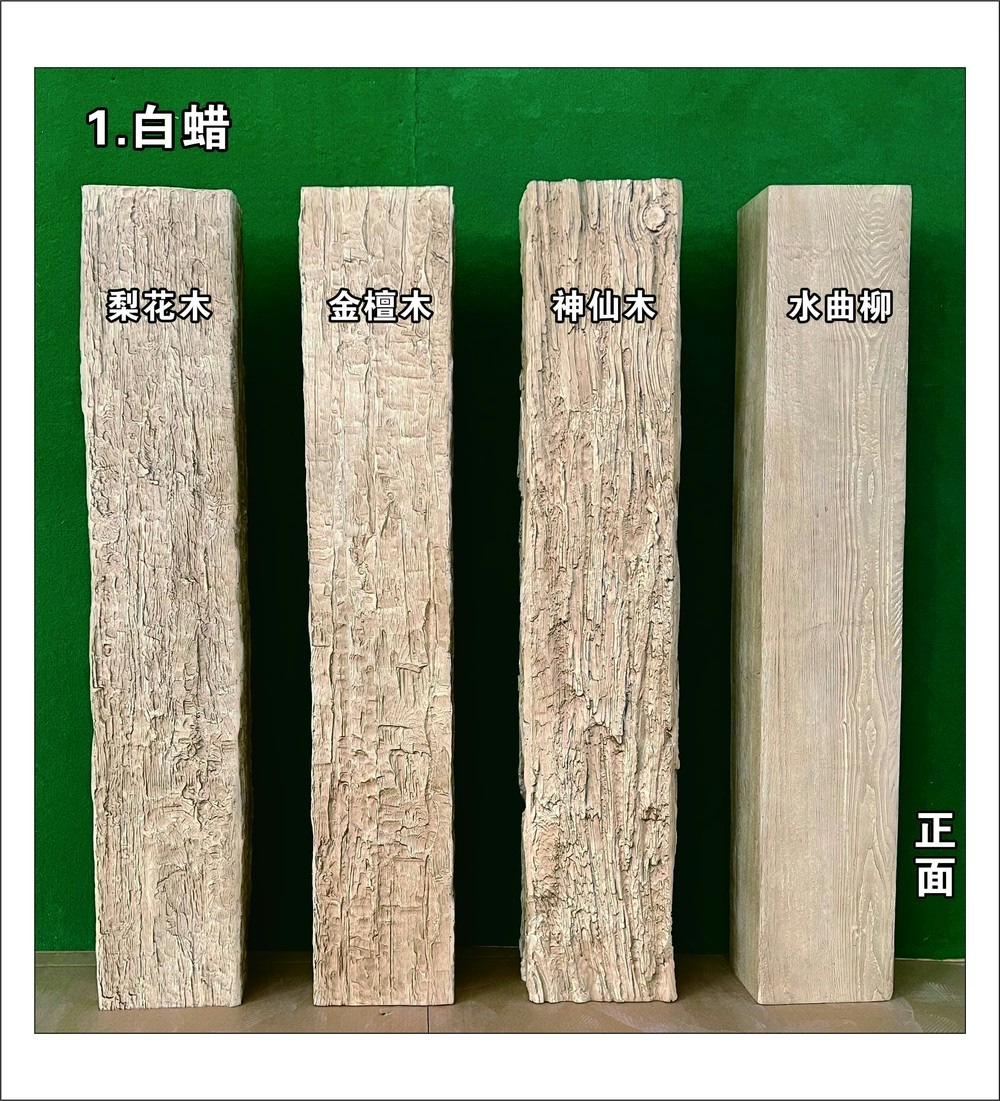
Filing Warranty Claims Effectively
Successful warranty claims require documentation gathered before, during, and after installation. Before installation, photograph all received products showing any visible damage, keep original packaging until installation is complete, and store purchase documentation including invoices, order confirmations, and delivery receipts. During installation, note any observed defects, unusual characteristics, or concerns about product quality in project records.
When defects appear after installation, documentation becomes critical for claim submission. Photograph the defect clearly, showing the issue in context and close-up detail. Note the installation date, environmental conditions, and any events that might have contributed to the problem. Preserve the defective product (or affected sections) for potential inspection—manufacturers sometimes require physical examination before authorizing claims.
Claim submission processes vary by manufacturer but typically involve contacting customer service by email or online portal, providing purchase documentation, describing the defect with supporting photographs, and awaiting manufacturer assessment. Response times range from several days for simple claims to weeks for complex cases requiring product evaluation. Maintaining organized records and responsive communication facilitates smoother claim processing.
Evaluating Warranty Value When Comparing Suppliers
Comparing warranty terms alongside product pricing reveals true value propositions that simple price comparison obscures. A beam priced five percent higher with a five-year warranty versus a one-year warranty on a cheaper alternative may represent better long-term value when considering potential repair or replacement costs. Additionally, manufacturers confident in their products typically offer stronger warranties, making warranty strength an indirect quality indicator.
Warranty transferability matters for commercial applications where buildings may change ownership or projects may involve multiple parties. Some warranties transfer to subsequent owners within the warranty period, providing value for property transactions and reducing liability concerns for installers recommending specific products.
Customer service reputation influences warranty experience as much as written terms. Manufacturers known for responsive claim handling and fair resolution practices provide more valuable warranty protection than those with technically generous terms but poor execution. Industry references, online reviews, and direct communication with sales representatives offer insights into actual warranty experience before purchase commitment.
Maximizing Warranty Benefits Through Proper Care
Understanding warranty terms enables proactive measures that prevent claim-triggering situations. Register products with manufacturers when registration programs exist, as unregistered products may carry reduced coverage or require additional documentation for claims. Keep warranty documentation accessible throughout the coverage period, ideally stored both physically and in digital backup locations.
Regular maintenance aligned with manufacturer recommendations preserves warranty coverage and prevents premature failures. Periodic inspection of installed beams allows early problem identification before issues escalate. Cleaning recommendations, touch-up procedures, and maintenance intervals specified in product documentation represent manufacturer expectations for continued warranty validity.
Establishing relationships with manufacturer representatives provides ongoing access to technical guidance that prevents misuse situations voiding warranties. When questions arise about installation methods, environmental suitability, or maintenance procedures, direct manufacturer consultation clarifies appropriate actions and documents the consultation for warranty purposes if questions later arise about coverage decisions.
Technical References
ASTM standards cited in every specification
Test Data
Lab results from internal testing program
Updated 2026
Reviewed against current product specs