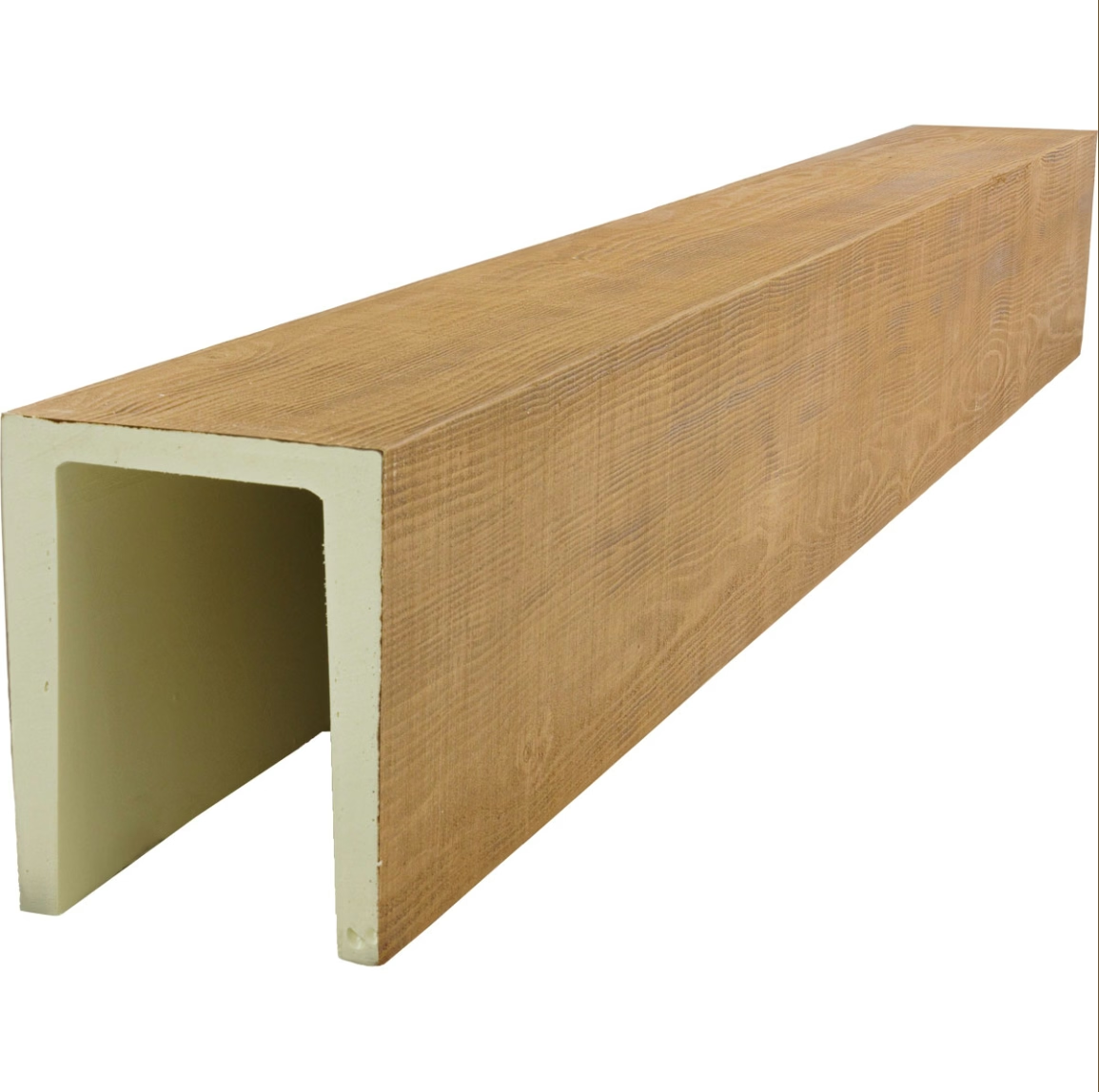
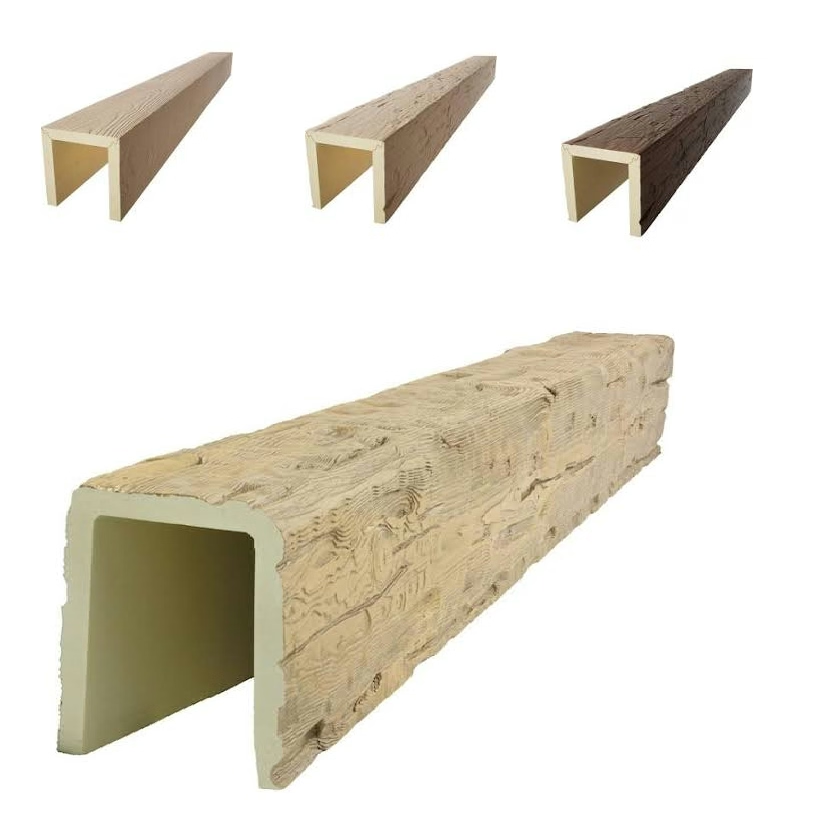
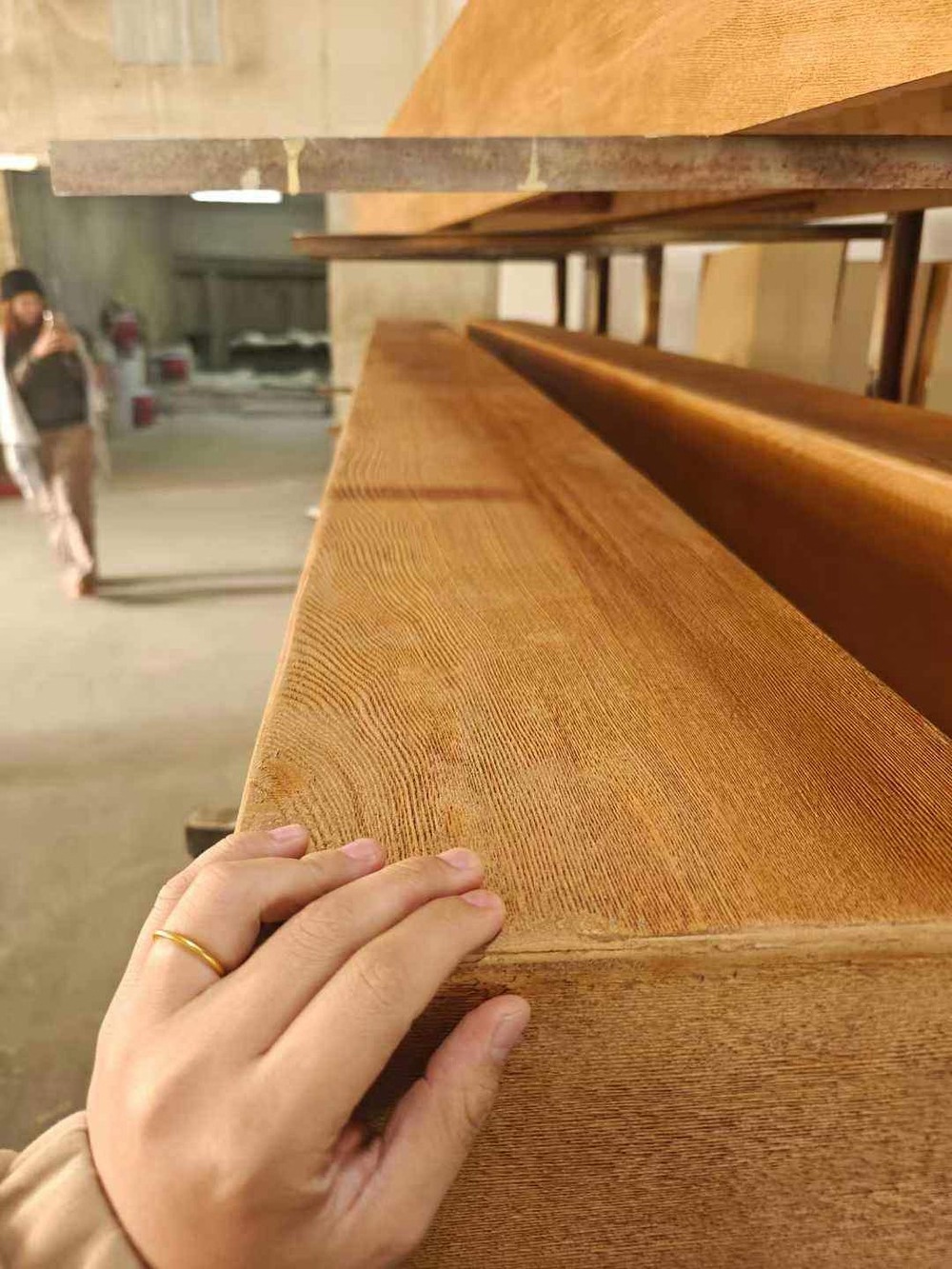
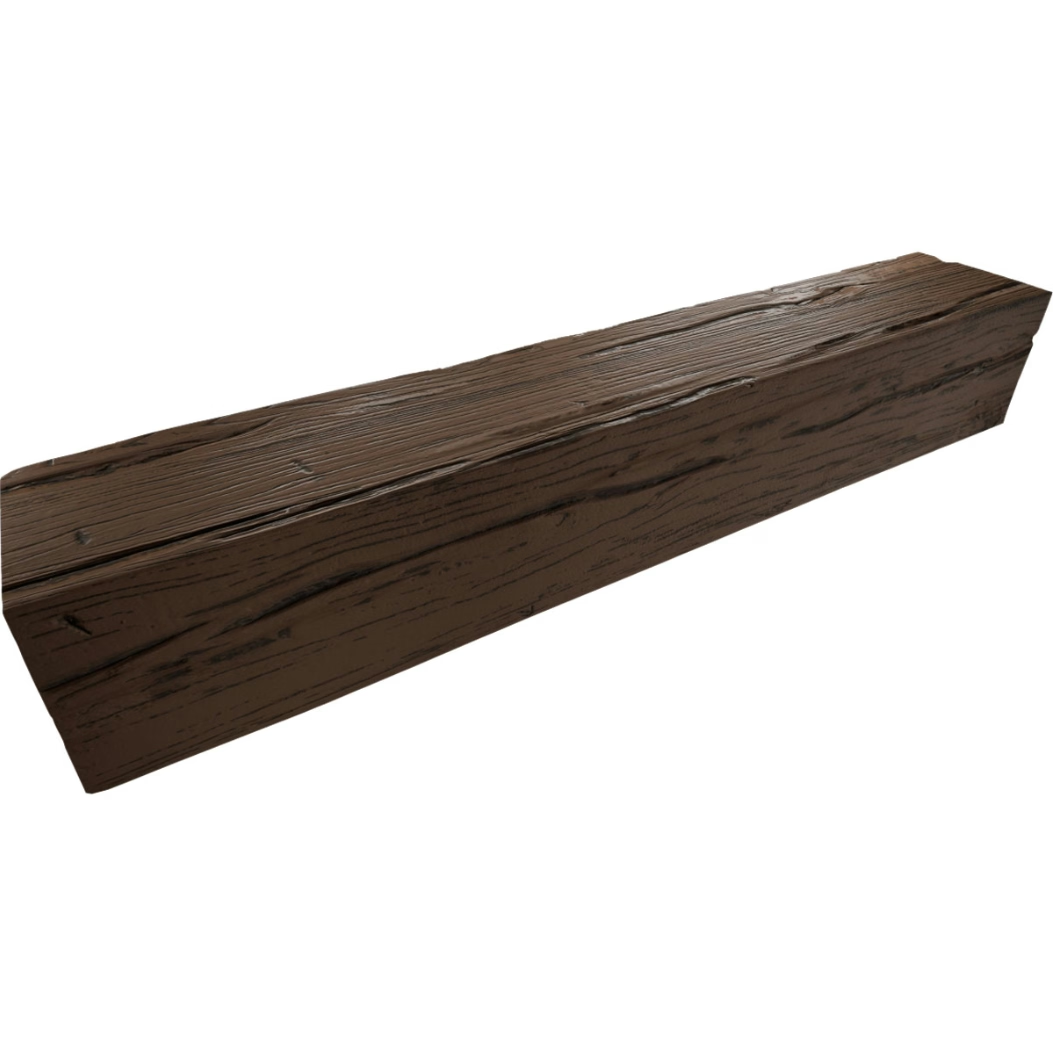
Outdoor living spaces increasingly incorporate the warmth and character that timber beams provide, but natural wood's vulnerability to moisture, UV exposure, and temperature extremes makes authentic timber impractical for many exterior applications. Exterior-grade polyurethane corbels and faux beams address this challenge, providing the aesthetic benefits of timber construction while engineering materials specifically for weather resistance. These products open possibilities for covered porches, patio ceilings, outdoor kitchens, and other exterior installations where authentic wood would deteriorate rapidly.
Not all polyurethane products suit exterior use, despite superficial similarities in appearance. Understanding the material differences between interior and exterior formulations prevents disappointing results that fail to withstand environmental exposure. Quality exterior products undergo specific testing and formulation adjustments that justify their typically higher pricing.
Exterior-Grade Material Specifications
UV stabilization represents the critical difference between interior and exterior polyurethane formulations. Extended exposure to sunlight causes standard polyurethane to chalk, fade, and become brittle over time. Exterior-grade formulations incorporate UV inhibitors that absorb or block damaging radiation, maintaining color stability and material integrity through years of sun exposure.

Moisture resistance prevents the water absorption that leads to dimensional changes, mold growth, and material degradation in exterior conditions. Quality exterior polyurethane repels water while allowing controlled moisture vapor transmission that prevents trapped moisture accumulation. This balance prevents both saturation and condensation-related problems.
Temperature tolerance ranges for exterior products accommodate both summer heat and winter cold without becoming brittle or soft. Premium exterior formulations maintain structural integrity and dimensional stability across temperature ranges from below freezing to over 100 degrees Fahrenheit. This tolerance proves essential for unheated outdoor structures in variable climates.
Applications for Exterior Corbel and Beam Sets
Covered porch ceilings benefit from exterior beam installations that define outdoor rooms while withstanding exposure to rain splash and humidity. Beams spanning porch ceilings create intimate scale in otherwise open spaces, while corbels at support points add traditional character appropriate to porch architecture. These installations typically include ceiling fans and lighting that require coordination with beam placement.
Outdoor kitchen and entertaining area structures often incorporate beam elements that tie roofing or pergola components together visually. Exposed beams over cooking stations, bar areas, and seating create atmosphere while requiring materials that withstand grease, moisture, and frequent cleaning. Exterior polyurethane tolerates cleaning products that would damage natural wood.
Pool house and cabana installations near water features demand particular attention to moisture resistance. Humidity from pools and spas creates constant moisture exposure that accelerates natural wood deterioration. Exterior polyurethane maintains appearance despite this challenging environment while providing the aesthetic warmth that poolside spaces benefit from visually.
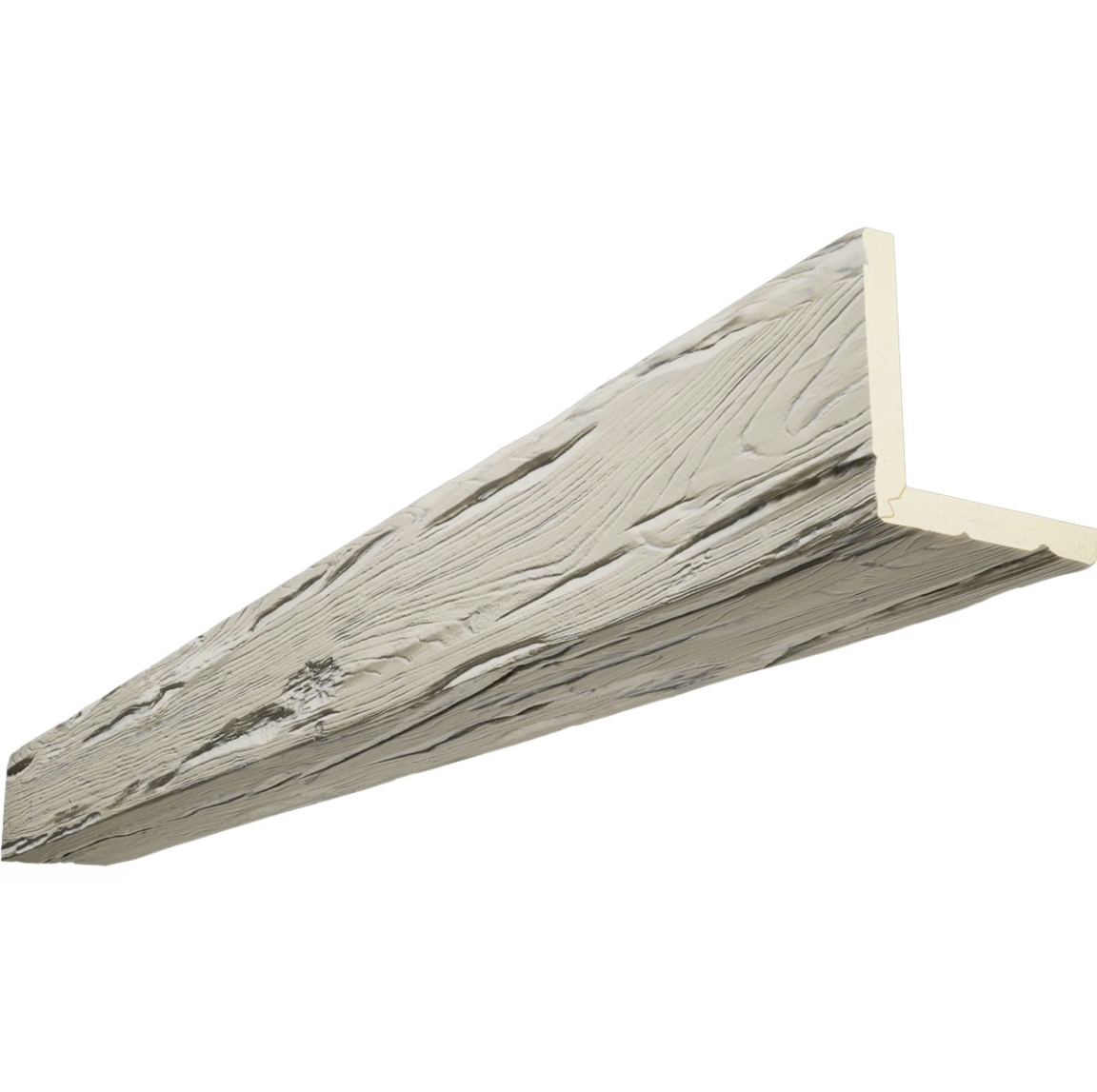
Corbel Selection for Exterior Conditions
Support corbels for exterior applications must address both structural requirements and environmental exposure. While corbels in covered installations carry primarily decorative loads, those in exposed locations may need to support pergola beams, swing hardware, or decorative elements requiring genuine load capacity. Confirming load ratings ensures corbels perform adequately throughout their service lives.
Decorative corbels in exterior applications should maintain visual interest despite weather exposure. Elaborate carved details that collect water or debris create maintenance challenges, while simplified profiles resist soiling and clean more easily. This practical consideration shouldn't limit design expression, but it should inform profile selection decisions.
Fastener and mounting hardware for exterior corbels requires corrosion-resistant materials. Stainless steel or coated fasteners prevent rust staining and maintain secure attachment despite moisture exposure. Manufacturers sometimes specify fastener requirements—following these recommendations ensures mounting systems match the durability of corbels themselves.
Installation Considerations for Outdoor Environments
Ventilation planning affects long-term performance in exterior installations. Allowing air circulation behind beams and around corbels prevents moisture accumulation that could cause problems even with water-resistant materials. This ventilation becomes particularly important in humid climates or near water features.
Drainage consideration prevents water collection in beam cavities or behind corbel mounting surfaces. Slight slopes, gap provisions, and flashing details redirect water away from material joints and into drainage systems. These details prove invisible when completed properly but prevent problems that become apparent over years of exposure.
Seasonal movement accommodation addresses the dimensional changes that temperature variation creates in exterior installations. Flexible adhesive formulations and expansion provisions at joints allow movement without cracking or separation. Ignoring these requirements creates problems that may not appear until seasonal temperature extremes stress inadequate installations.
Maintenance and Care for Exterior Installations
Regular cleaning extends appearance and prevents buildup that could harbor moisture or biological growth. Mild detergent solutions applied periodically remove dust, pollen, and environmental particulates that accumulate on exterior surfaces. Pressure washing should be avoided as it can force water into joints and damage surfaces through excessive force.
Surface inspection annually identifies any developing problems before they escalate. Checking for loose fasteners, damaged finishes, or separation at joints allows corrective action while problems remain minor. Catching issues early prevents more extensive repairs later and extends overall installation life.
Finish maintenance for painted exterior installations may require periodic repainting to maintain appearance and protection. Quality exterior paints formulated for polyurethane substrates provide several years of service before requiring attention. When repainting becomes necessary, surface preparation following manufacturer recommendations ensures proper adhesion and appearance.
Technical References
ASTM standards cited in every specification
Test Data
Lab results from internal testing program
Updated 2026
Reviewed against current product specs