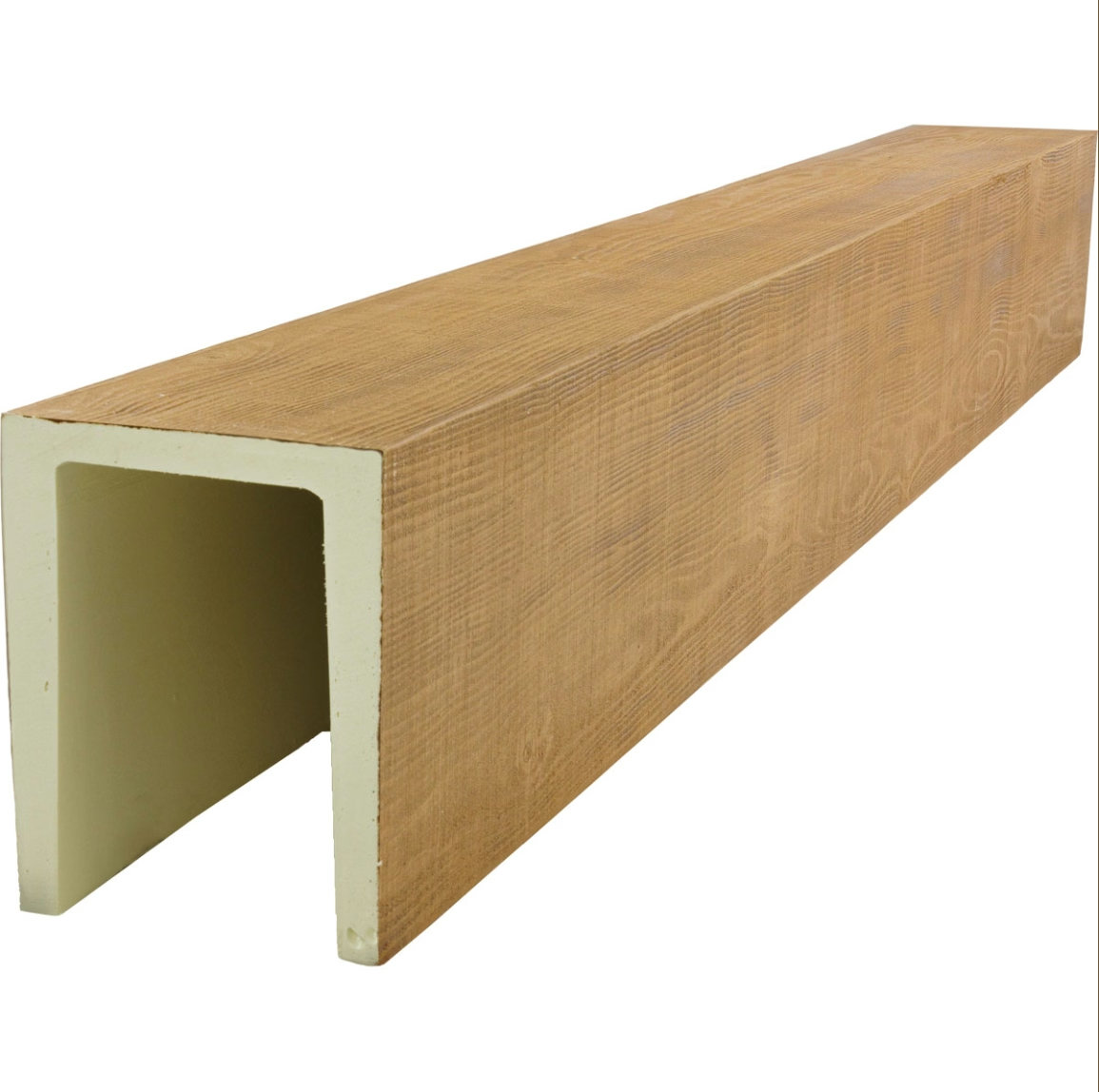
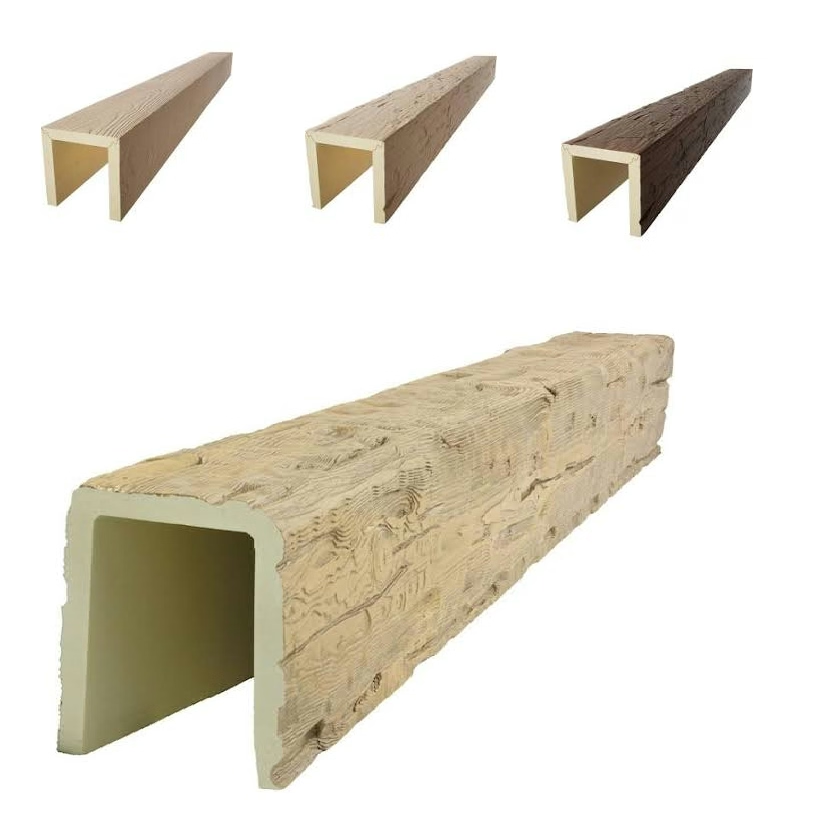
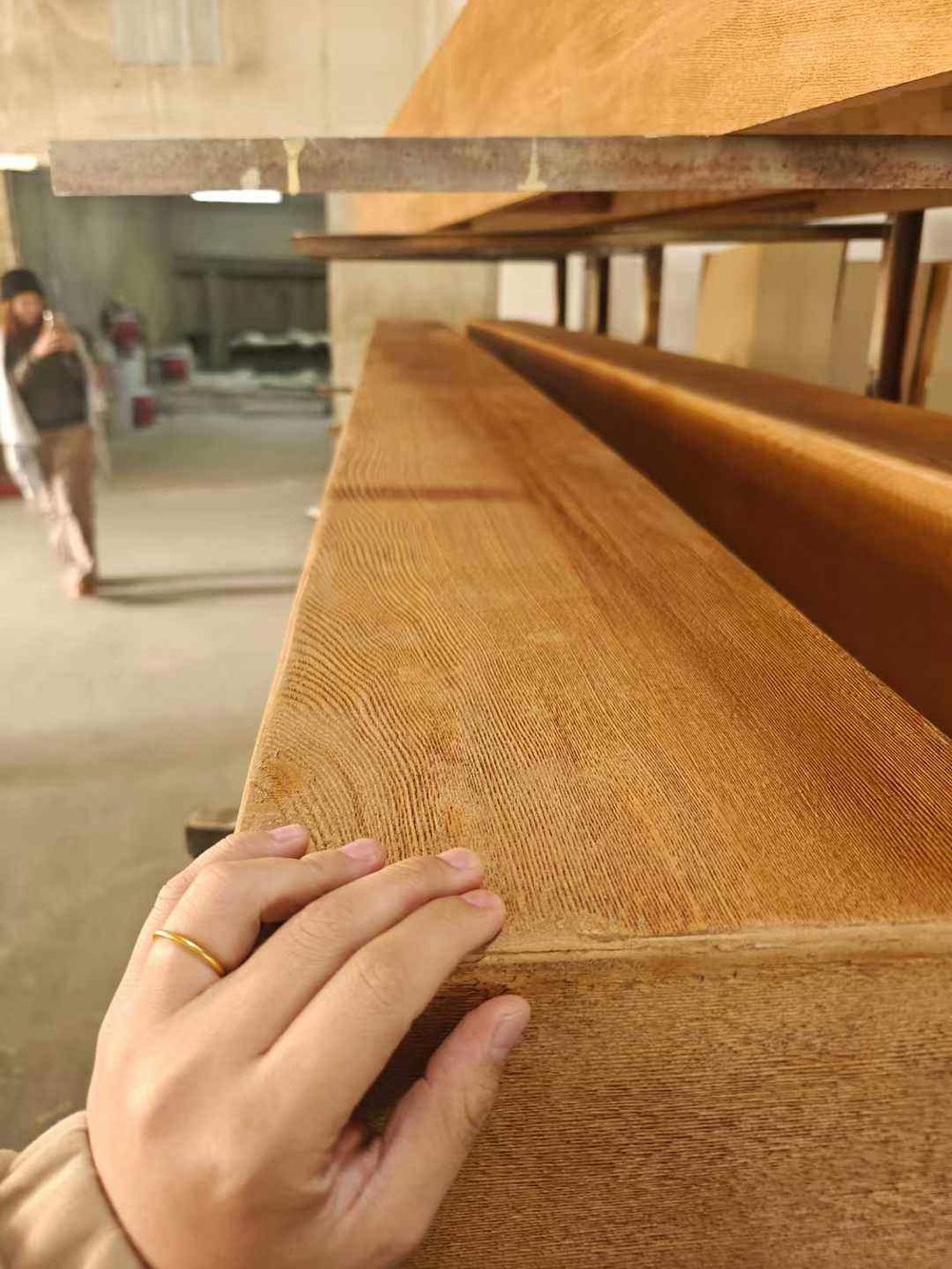
Anyone considering polyurethane faux beams for a long-term installation reasonably asks how these products will look five, ten, or twenty years after installation. The concern is legitimate because some plastics yellow and degrade when exposed to light, heat, and environmental conditions over extended periods. Understanding what polyurethane actually does under these conditions requires moving beyond marketing claims to examine the material science underlying these products.
The question of yellowing deserves particular attention because it represents a visible failure mode that would immediately compromise the wood-like appearance that makes polyurethane beams attractive. Early plastic materials—particularly early urethanes and certain acrylic formulations—indeed suffered from significant yellowing tendencies. Modern polyurethane formulations have addressed these concerns through UV stabilizers, improved polymer chemistry, and surface coatings specifically designed to resist degradation.
Understanding the Chemistry of Polyurethane Aging
Polyurethane polymers consist of long-chain molecules formed by reacting diisocyanates with polyols, creating materials with properties that can be engineered across a remarkable range. The specific formulation determines characteristics like flexibility, hardness, density, and—critically for this discussion—resistance to environmental degradation. Not all polyurethanes age identically; the formulation differences matter enormously.
UV radiation represents the primary degradation mechanism affecting polyurethane surfaces. ultraviolet photons break chemical bonds in the polymer structure, initiating a chain of reactions that eventually manifests as surface chalking, color change, and reduced mechanical properties. Early polyurethane formulations offered minimal UV resistance, explaining the poor reputation these materials developed in outdoor applications.
Modern architectural polyurethanes incorporate UV stabilizers—chemical compounds that absorb or scatter ultraviolet radiation before it can damage the polymer matrix. These stabilizers function by converting absorbed UV energy into harmless heat rather than the destructive chemical reactions that would otherwise occur. The concentration and quality of these stabilizers largely determines how well a particular product will resist UV-induced degradation.
Controlled Exposure Testing Results
Laboratory accelerated aging tests expose materials to concentrated UV radiation, elevated temperatures, and cyclic humidity to simulate years of environmental exposure in compressed timeframes. These tests provide useful comparative data but cannot perfectly predict real-world performance where exposure conditions vary constantly and rarely reach the intensities employed in laboratory settings.
Polyurethane products designed for architectural applications typically show minimal color change in accelerated aging tests—Delta E values (the standard measure of color difference) remaining below visible thresholds even after equivalent of five to ten years exposure. The specific formulation, stabilizer package, and surface coating all influence these results, with premium products generally outperforming budget alternatives.
Surface hardness changes provide another metric of aging, with significant softening or embrittlement indicating degradation that would affect long-term durability. Quality architectural polyurethanes maintain their hardness properties through accelerated aging cycles, demonstrating that the polymer matrix remains structurally sound even when surface appearance shows minimal change.

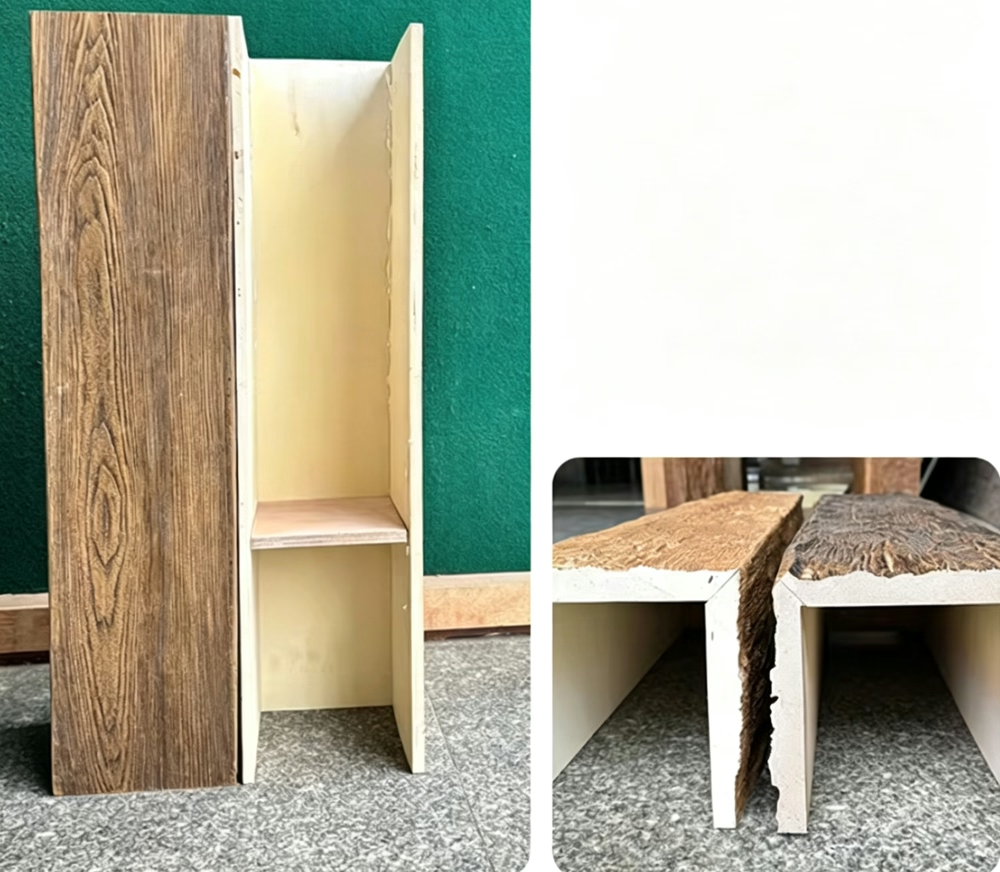
Natural Exposure and Real-World Performance
Accelerated testing provides useful guidance but cannot fully substitute for observing actual installations over extended periods. Several manufacturers and independent researchers have documented the performance of polyurethane architectural elements in real-world installations, providing valuable data about long-term aging behavior in various climates and exposure conditions.
Installations in north-facing orientations with minimal direct sunlight exposure show essentially no visible aging effects even after fifteen to twenty years. The absence of UV radiation means the degradation mechanisms have essentially nothing to act upon, allowing the beams to maintain their original appearance indefinitely under these conditions. This explains why many long-term installations in shaded locations show no evidence of age.
South and west-facing installations in high-sunlight climates represent the most demanding conditions for polyurethane products. Even with UV stabilization, these installations can show subtle surface changes over decades—slight increases in surface gloss, minor chalk formation detectable only under close inspection, and very gradual color shifts measurable with instruments but often imperceptible to casual observation. The rate of these changes varies significantly between products.
Factors Affecting Individual Installation Performance
Multiple factors beyond the base polyurethane formulation influence how any specific installation will age over time. Installation orientation determines the intensity of UV exposure, with direct sun creating more demanding conditions than shaded locations. Geographic location matters because UV intensity increases with altitude and varies with latitude, with installations in southern latitudes receiving more intense radiation than northern ones at the same orientation.
Adjacent materials affect exposure intensity in ways that are not always obvious. Light-colored walls reflect additional UV radiation onto beam surfaces, effectively increasing exposure beyond what the orientation alone would suggest. Dark adjacent surfaces absorb radiation that might otherwise reach the beams, reducing effective exposure. Understanding these reflection effects helps predict performance more accurately.
Maintenance practices influence long-term appearance regardless of the inherent stability of the base material. Regular cleaning removes surface contaminants that might otherwise interact with UV radiation to accelerate degradation. Occasional application of UV-absorbing waxes or polishes adds a protective layer that extends the service life of factory coatings. These simple maintenance steps cost little but provide meaningful protection against the most common aging mechanisms.
Coating Systems and Their Role in Longevity
Most architectural polyurethane products receive factory-applied coatings specifically designed to enhance durability and appearance retention. These coatings typically include additional UV stabilizers beyond what the base formulation contains, creating a layered protection system that addresses the most vulnerable surface layer separately from the bulk material.
The coating's thickness and formulation significantly affect long-term performance. Premium products often feature multiple coating layers with different protective functions—base coats that promote adhesion and fill minor surface imperfections, intermediate coats that provide primary UV protection, and topcoats that resist scratching and provide the final color and texture. Budget products may offer only single-coat protection that cannot match this layered defense.
Factory coatings can be refreshed or replaced if they eventually show wear, providing a maintenance pathway that extends the installation's service life indefinitely. The coating system's reparability represents an advantage over materials where aging affects the bulk material itself rather than just surface layers. Understanding this recoat option helps set appropriate expectations about long-term maintenance requirements.
Comparing to Alternative Materials
Polyurethane's aging behavior compares favorably with most alternative materials used for similar applications. Wood beams—whether solid timber or engineered alternatives—face their own degradation challenges including moisture damage, insect attack, and biological decay. The maintenance requirements for wood significantly exceed those for polyurethane, and even well-maintained wood shows more visible aging effects over time.
Fiberglass and other plastic alternatives offer their own aging profiles, with some formulations performing better than polyurethane in specific conditions while underperforming in others. The critical point is that not all polyurethanes—or all alternatives—are created equal; product-specific evaluation provides more useful guidance than material-category generalizations.
For most interior applications, properly formulated and installed polyurethane faux beams will maintain acceptable appearance for decades with minimal maintenance beyond routine cleaning. The concerns about yellowing and degradation that might arise from awareness of plastic aging in other contexts apply to early-generation formulations and poorly designed products rather than to the quality architectural polyurethanes currently available.
Technical References
ASTM standards cited in every specification
Test Data
Lab results from internal testing program
Updated 2026
Reviewed against current product specs