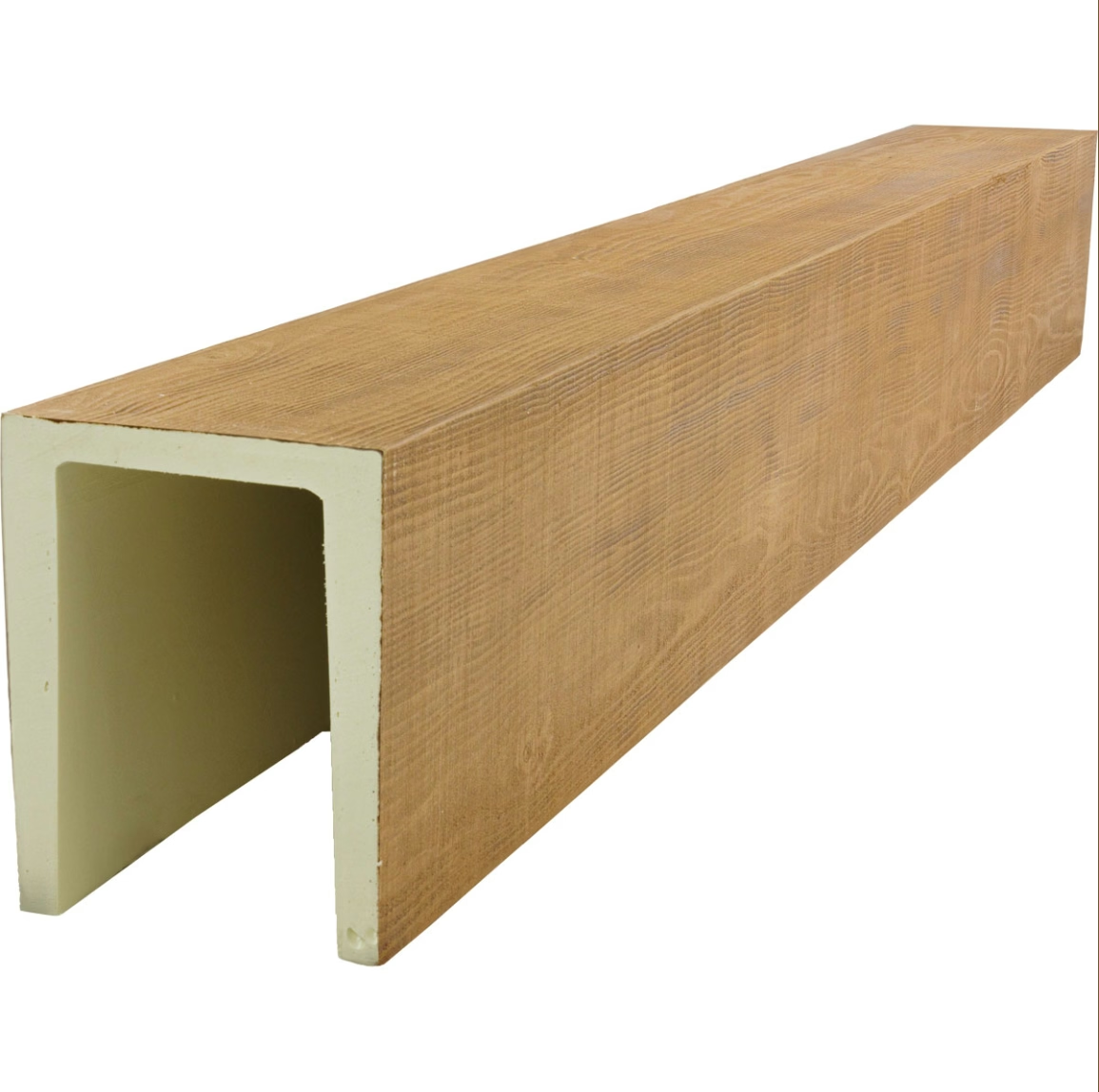
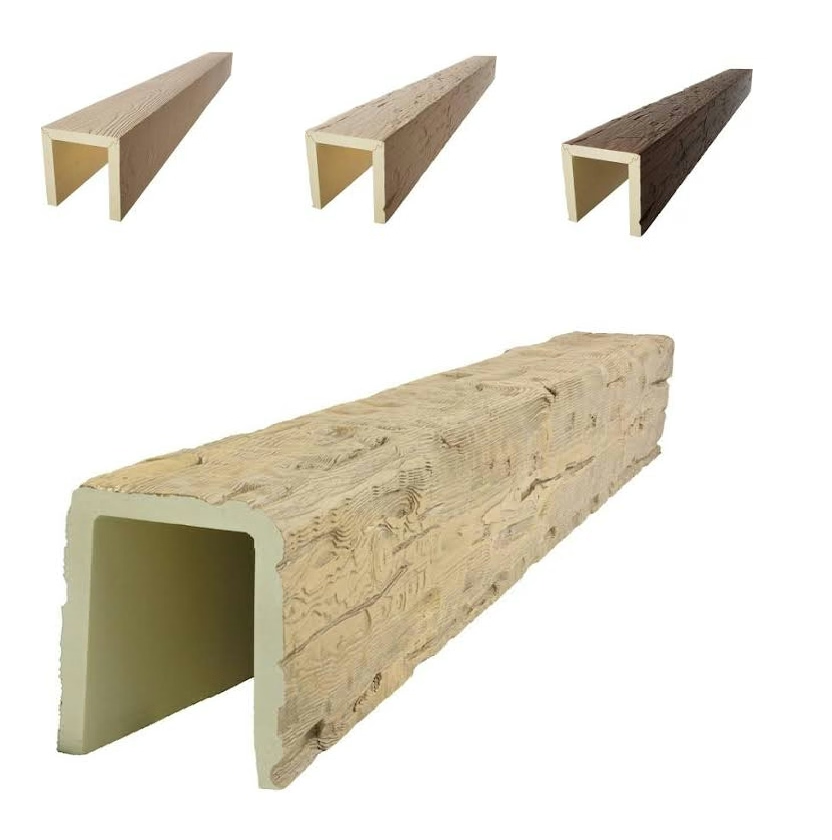
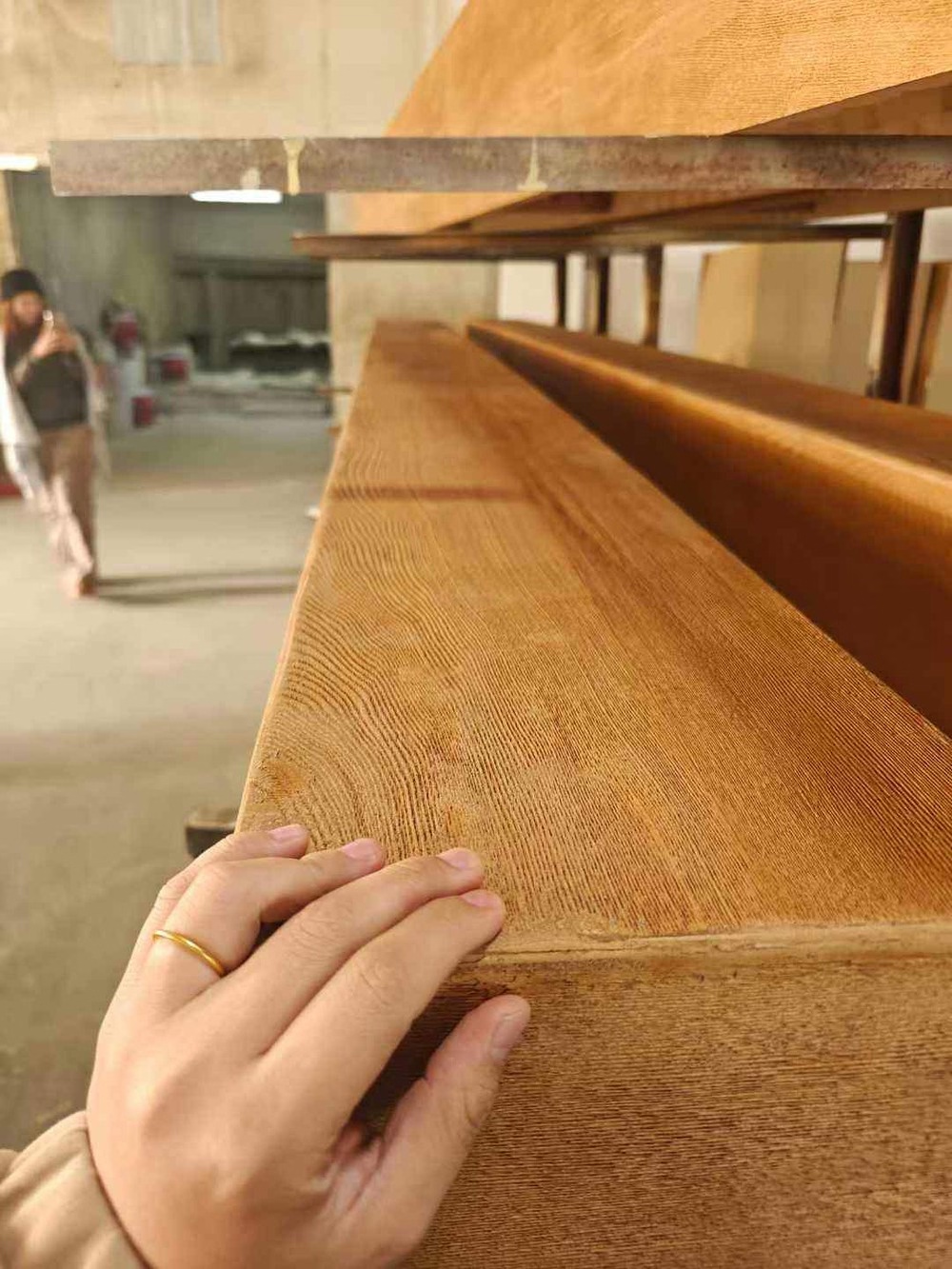
When selecting ceiling beams for interior projects, architects and interior designers often find themselves weighing the trade-offs between structural integrity and installation convenience. Medium-density polyurethane faux beams have emerged as a compelling solution that addresses both concerns without compromise. These manufactured products deliver consistent performance across a range of applications while remaining surprisingly easy to handle and install.
The formulation of medium-density polyurethane creates a material that resists everyday impacts and temperature fluctuations without the brittleness sometimes associated with lower-density alternatives. In family rooms and living spaces where furniture gets moved and children play, beams need to withstand accidental bumps without denting or cracking. Meanwhile, in commercial settings like restaurant dining rooms or boutique hotel lobbies, the beams face different challenges including higher ceilings and greater visual scrutiny from customers.

Understanding Density Specifications in Polyurethane Beams
Density in polyurethane foam products gets measured in pounds per cubic foot, and this specification directly influences how a beam performs in different conditions. Medium-density formulations typically fall in the range of 15 to 25 pounds per cubic foot, positioning them between lightweight decorative options and structural foam products designed for load-bearing applications.
This middle-ground density provides several practical advantages that contractors appreciate on job sites. The material accepts hardware fasteners securely without crumbling or splitting, allowing brackets and screws to hold firmly even after years of use. Painting and staining processes work smoothly on these surfaces since the consistent density ensures even absorption of finishes. The beams maintain their shape through humidity changes that would cause natural wood to warp or twist seasonally.
Manufacturers produce medium-density beams with consistent cell structure throughout each piece, eliminating the weak points that sometimes develop in lower-quality foams during the expansion process. This uniformity translates to predictable performance whether you're installing a single accent beam or completing an entire room with multiple beam configurations.
Installation Benefits for Trade Professionals
Trade professionals who work with ceiling installations regularly have developed strong preferences for materials that don't slow down their workflow. Medium-density PU faux beams ship in lengths that arrive intact and ready for handling, unlike natural wood beams that may require special transport due to their weight and potential for checking or cracking during delivery.
The lightweight nature of these beams means that a single installer can position and secure beams that would otherwise require two-person teams or mechanical lifting equipment. This efficiency advantage becomes particularly significant when working on elevated platforms or in spaces where bringing in additional equipment presents logistical challenges. Ceiling heights above twelve feet often make manual handling of heavy materials impractical, but medium-density beams reduce this barrier substantially.
Fastening methods work reliably with standard tools and hardware. Construction adhesive bonds create permanent connections between beams and structural backing, while mechanical fasteners provide additional security where building codes require them. The consistent surface accepts these adhesives and fasteners without pre-drilling in most applications, saving setup time on each piece installed.

Performance Characteristics in Real-World Applications
Heat resistance matters in ceiling applications where beams sit above lighting fixtures or in spaces with limited climate control. Medium-density polyurethane formulations maintain their dimensions and surface appearance when exposed to temperatures ranging from below freezing through typical summer highs. This thermal stability prevents the gaps and separations that sometimes plague natural wood installations as seasons change.
Moisture resistance makes these beams suitable for installation in areas like covered porches, sunrooms, or bathroom ceilings where humidity levels fluctuate throughout the year. Unlike natural wood that requires sealing and ongoing maintenance to prevent water damage, polyurethane beams resist moisture absorption inherently. This characteristic also prevents the biological growth that can occur when organic materials remain damp for extended periods.
UV stability varies by product line, so designers should specify beams rated for their installation environment when exposure to direct sunlight is a factor. Interior applications away from windows benefit from standard formulations, while spaces with significant natural light may require UV-resistant coatings or strategic placement to minimize long-term surface changes.
Design Flexibility and Aesthetic Options
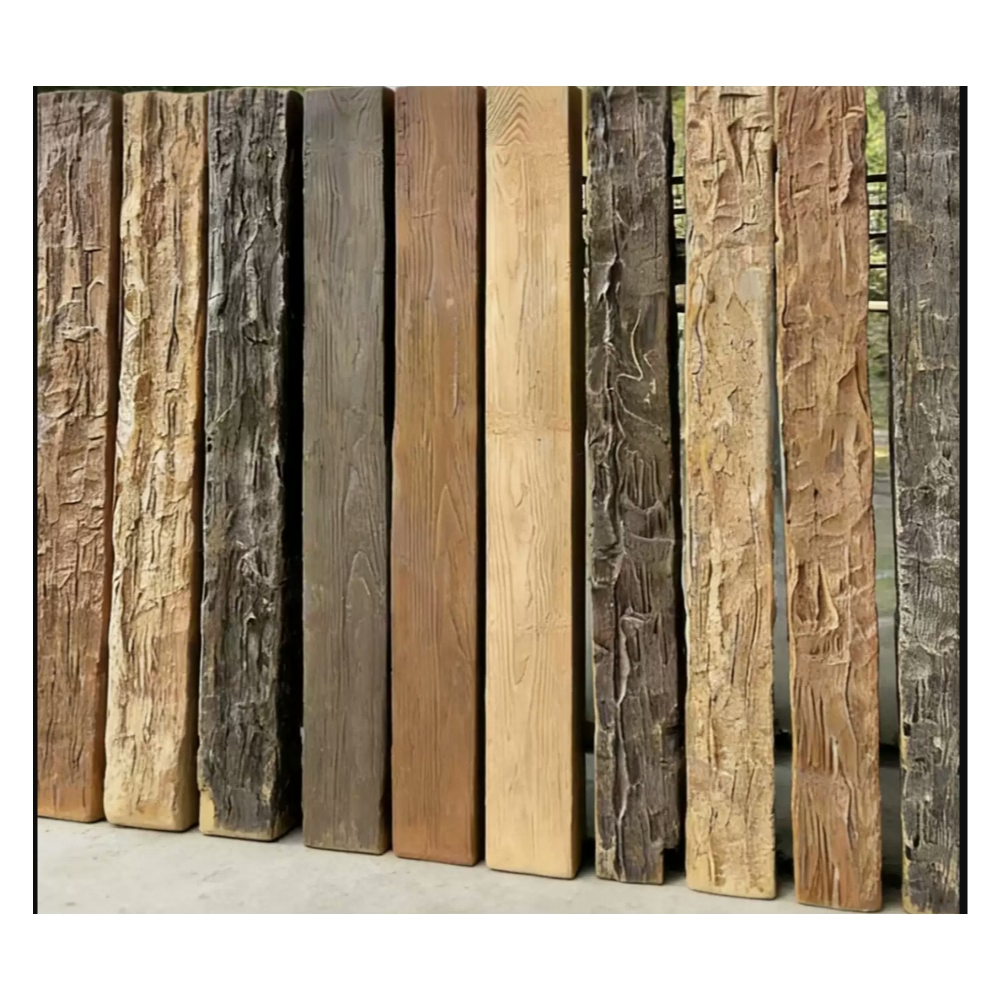
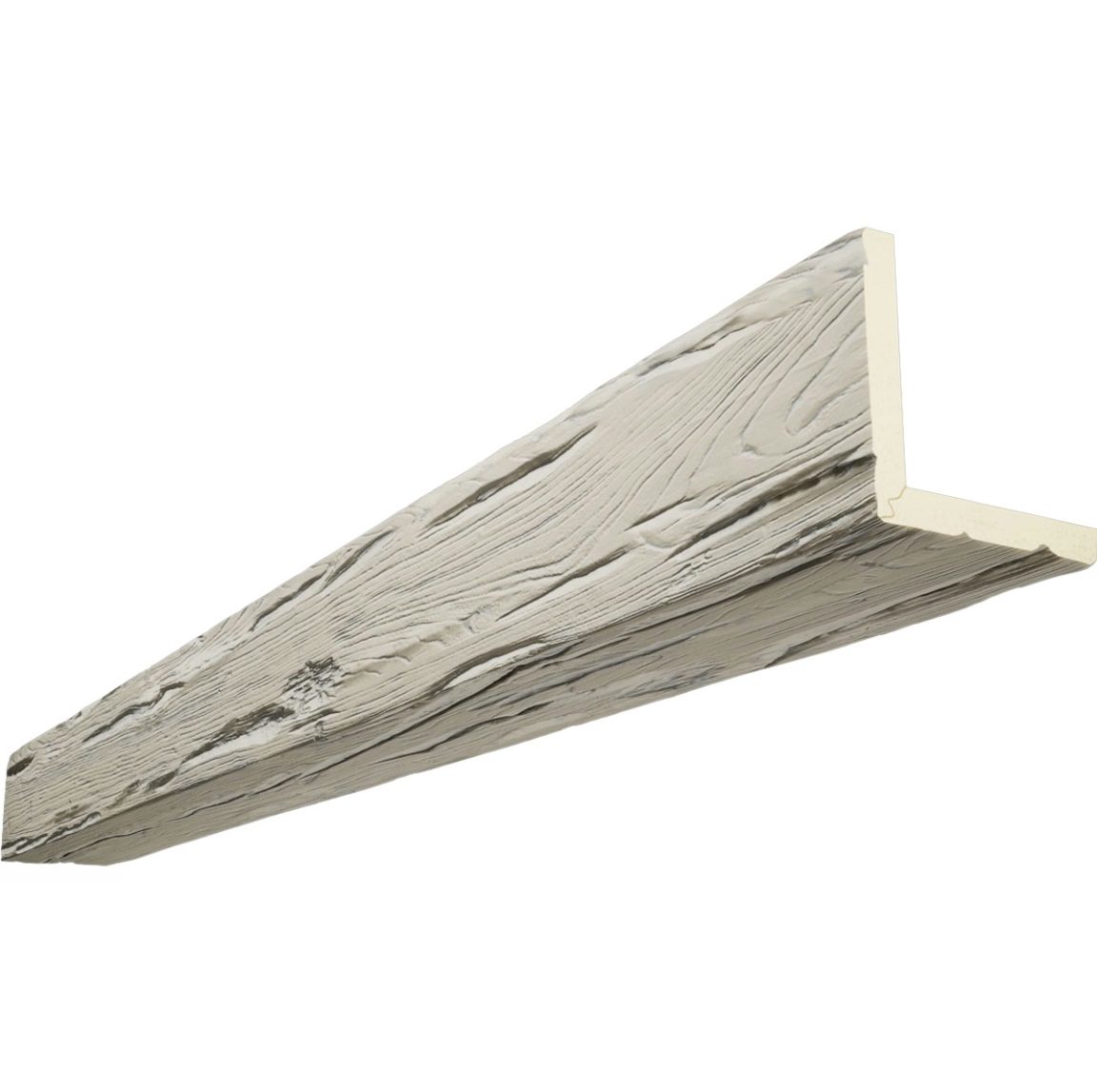
The manufacturing process for polyurethane beams allows intricate detailing that would be expensive or impossible to achieve in natural wood. Crown molding profiles, coffered ceiling patterns, and rustic hand-hewn textures all translate faithfully into durable polyurethane reproductions. This flexibility means designers can specify the exact look their projects require without compromise.
Color matching services from manufacturers help achieve seamless integration with existing woodwork or create distinctive accent treatments. Stain grades ranging from light natural tones through dark walnut and ebony finishes expand the design possibilities further. Some projects combine painted beams with natural wood trim to create layered visual interest that draws the eye upward.
Scale relationships between beams and rooms require thoughtful consideration to achieve proportional harmony. Larger beams in expansive rooms create dramatic statements, while smaller-scale beams in intimate spaces maintain appropriate visual weight. Sample ordering programs allow designers to evaluate actual beam profiles and finishes before committing to project-wide specifications.
Cost Analysis and Project Budgeting
Material costs for medium-density PU beams typically fall below those for comparable natural wood products, particularly when considering the complete installed cost rather than unit pricing alone. The reduced labor requirement for installation, combined with elimination of finishing work that natural wood often requires, shifts the value proposition favorably for these manufactured alternatives.
Long-term maintenance costs favor polyurethane over natural wood in most applications. Natural wood beams may require periodic refinishing, pest treatments, or structural repairs that add to their lifecycle cost. Polyurethane beams maintain their appearance with basic cleaning and occasional touch-up painting, if needed at all.
Warranty coverage from reputable manufacturers provides additional confidence for commercial installations where reliability matters. Coverage terms typically address manufacturing defects and material performance, providing recourse if unexpected issues arise after installation.
Technical References
ASTM standards cited in every specification
Test Data
Lab results from internal testing program
Updated 2026
Reviewed against current product specs