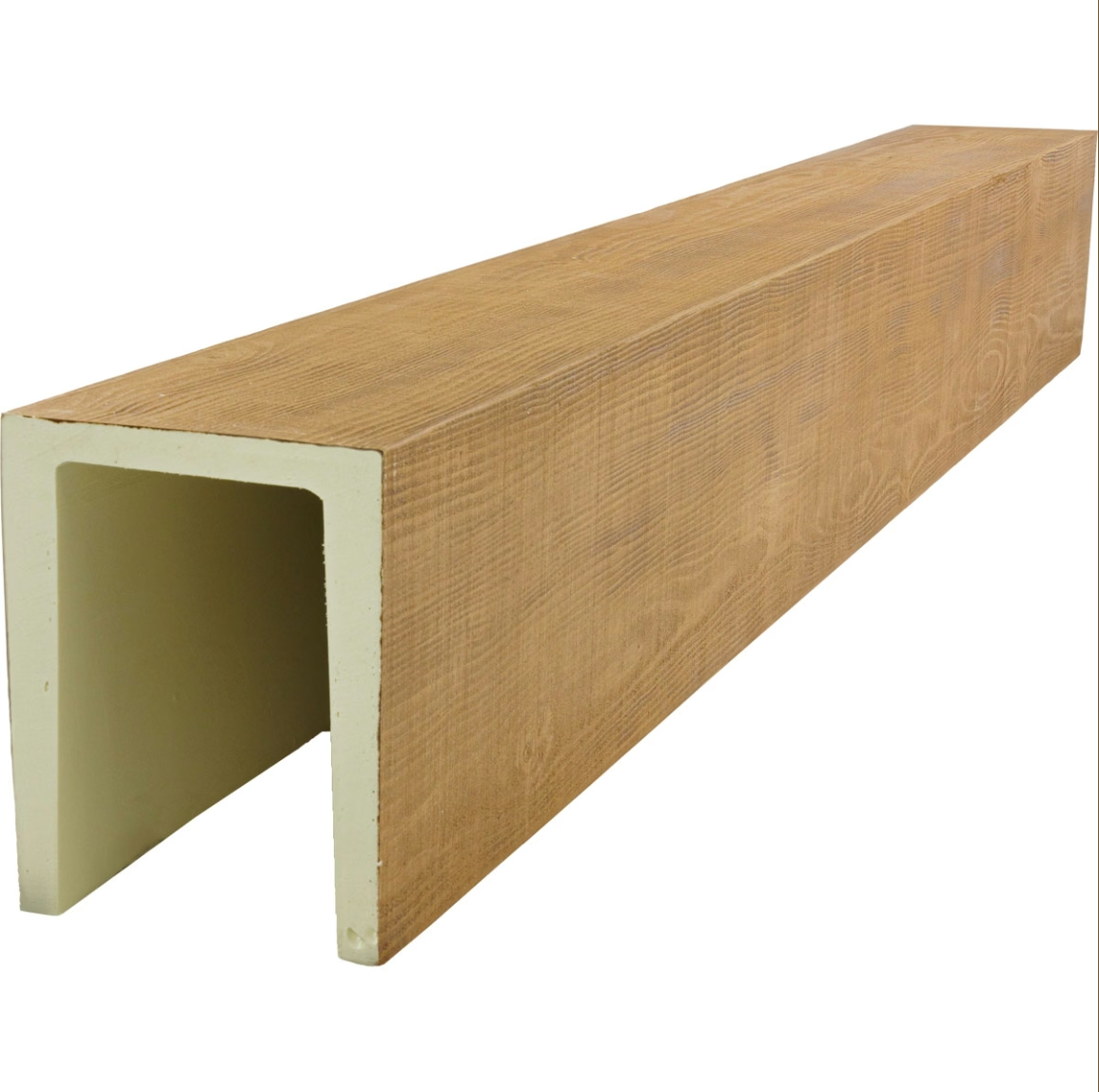
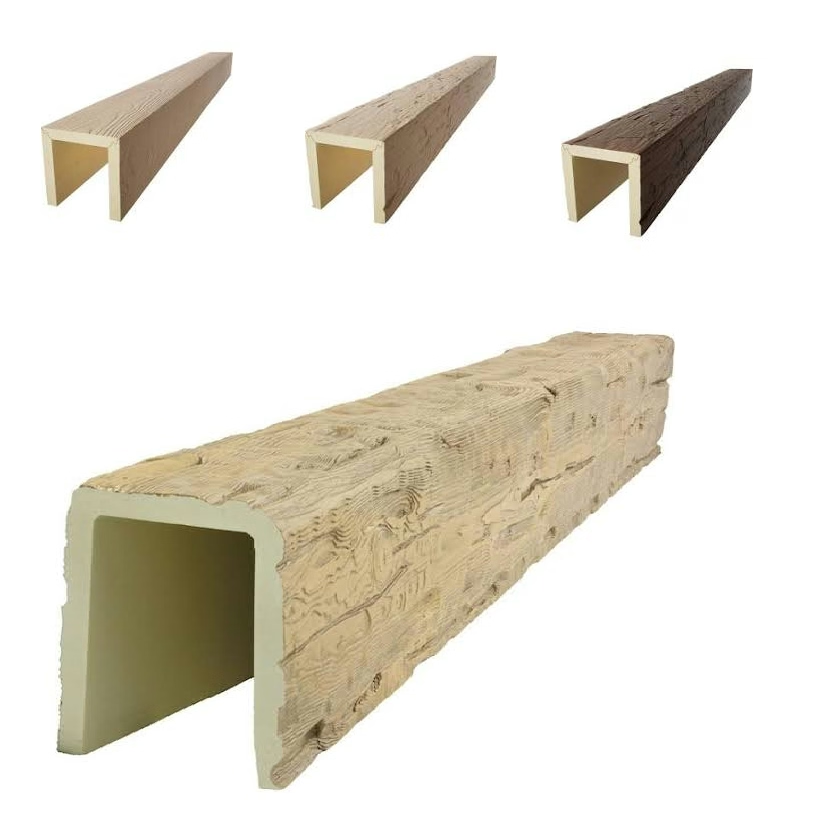
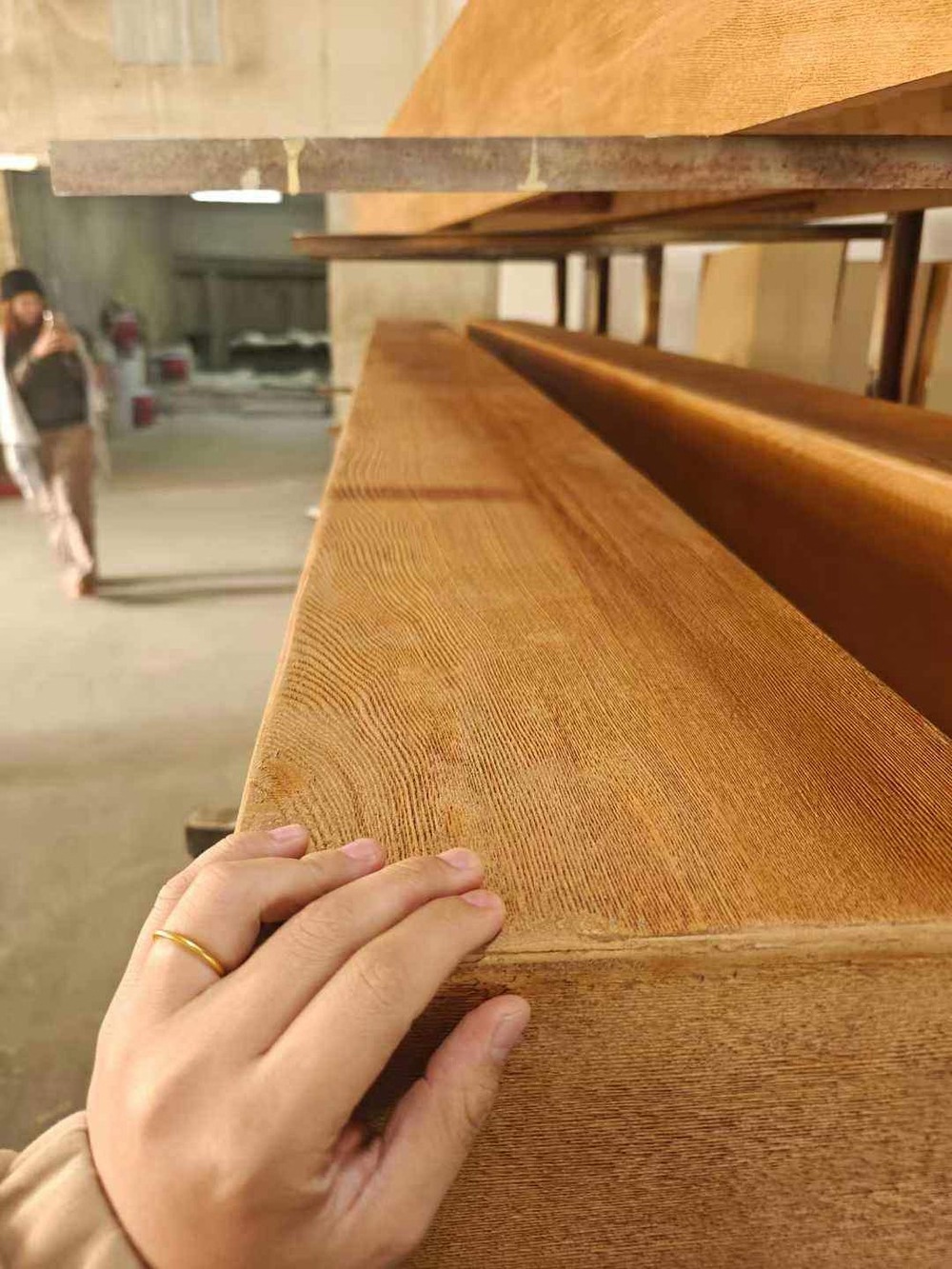
Outdoor living spaces increasingly serve as extensions of interior living areas, prompting designers to apply interior design sensibilities to covered exterior environments. Ceiling beams and architectural details that define interior spaces now appear in covered patios, pool enclosures, and outdoor kitchen areas. This trend created demand for decorative elements capable of withstanding environmental challenges that don't exist inside homes.
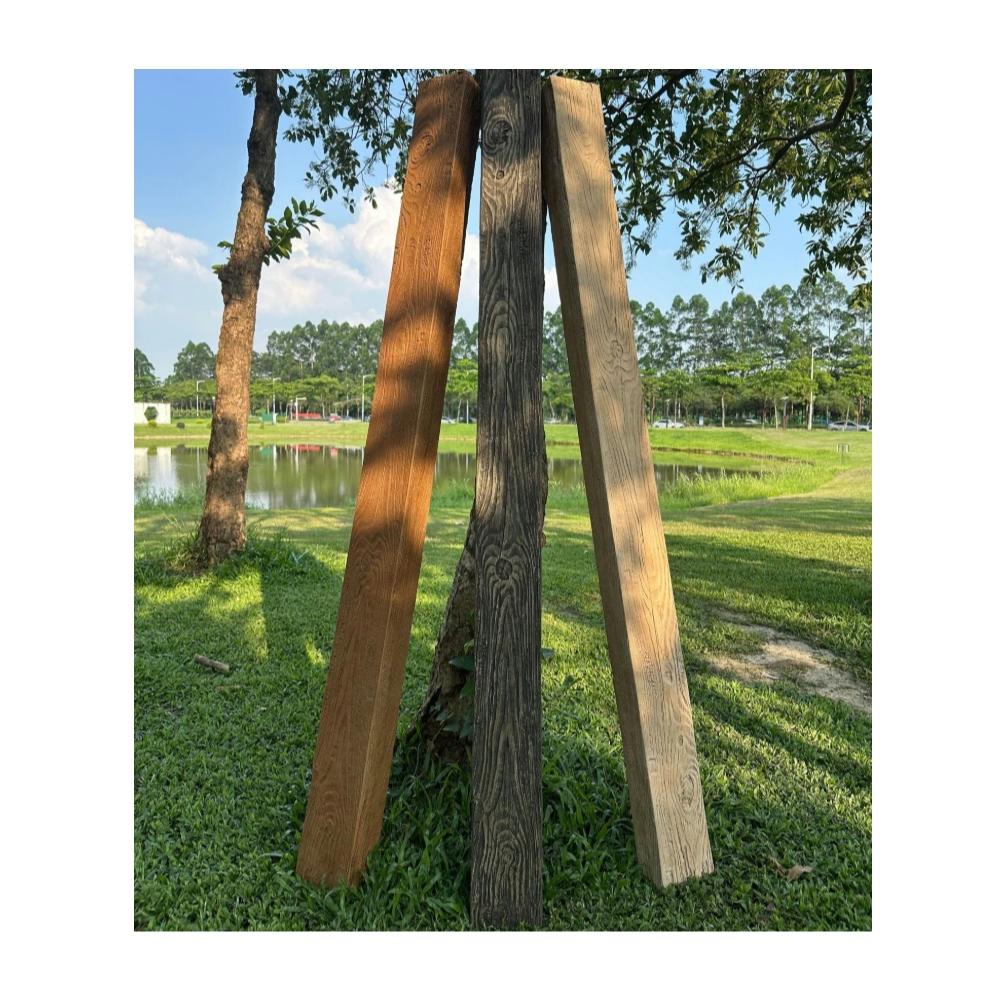
Temperature extremes, rainfall exposure, humidity fluctuations, and UV radiation all challenge materials used in exterior applications. Natural wood struggles in these conditions despite periodic maintenance, requiring sealing, staining, and pest treatments to maintain acceptable appearance. Polyurethane faux beams designed specifically for exterior use address these challenges through material science that eliminates the vulnerabilities inherent in organic materials.
Understanding Exterior Grade Material Specifications
True exterior grade polyurethane differs from standard interior formulations through additive packages specifically targeting environmental resistance. Mildewicides incorporated during manufacturing create inhospitable conditions for fungal growth even when surfaces remain damp for extended periods. These antimicrobial compounds remain active throughout the product lifetime rather than washing away as surface coatings might.
UV stabilizers in exterior formulations prevent the surface degradation that causes chalking, cracking, and color change in materials lacking this protection. Sun exposure that would rapidly degrade standard polyurethane leaves exterior grades relatively unchanged after years of service. This stability maintains both structural integrity and aesthetic appearance through seasonal environmental cycles.
Impact modifiers maintain flexibility at temperature extremes that would cause standard formulations to become brittle. Exterior beams installed in regions experiencing freezing winters retain their ability to absorb accidental impacts without cracking. This cold-temperature toughness complements the heat resistance already built into standard polyurethane products.

Mold and Mildew Resistance Mechanisms
Mold and mildew require three conditions to establish growth on surfaces: organic food source, adequate moisture, and suitable temperature range. Polyurethane faux beams eliminate the organic food source since polyurethane chemistry doesn't provide the nutrients these fungi require. This inherent resistance proves more reliable than surface treatments that might wear away over time.
Bacterial growth prevention in exterior grades extends this resistance beyond fungal concerns. Algae and lichen colonization that might discolor natural materials finds polyurethane uninviting. This resistance simplifies maintenance requirements while preserving appearance through years of environmental exposure.
Surface texture influences how easily biological contaminants establish themselves. Smooth polyurethane surfaces shed water quickly, preventing the extended damp periods that encourage growth. Textured surfaces like hand-hewn beam profiles may accumulate debris in crevices, but the antimicrobial chemistry still prevents biological colonization of these deposits.
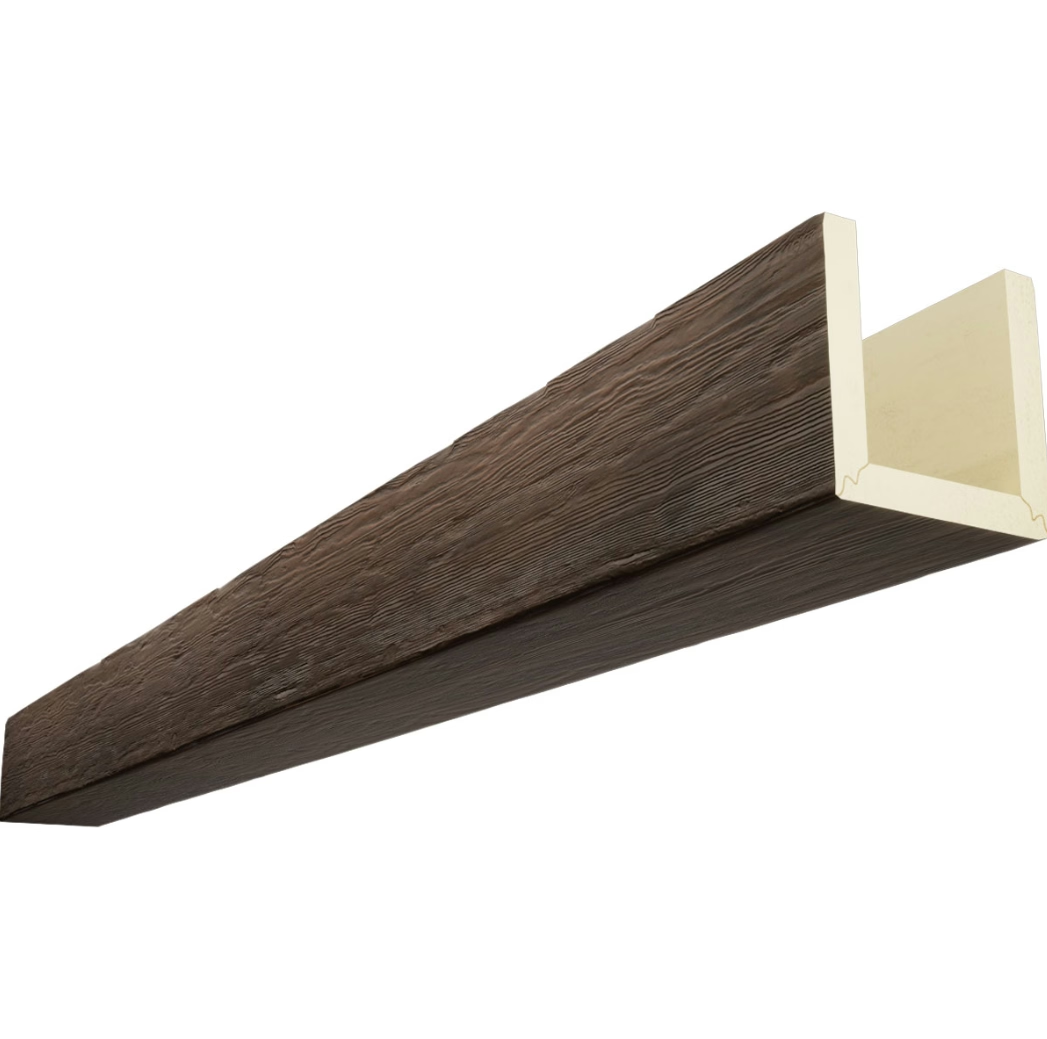
Climate Zone Considerations for Exterior Installations
Humid subtropical climates present the most demanding conditions for exterior materials, with high moisture levels persisting throughout much of the year. Exterior grade polyurethane performs reliably in these environments where natural wood requires constant maintenance attention. Swimming pool enclosures, water garden structures, and tropical garden pavilions benefit particularly from this performance.
Desert climates offer their own challenges through intense UV radiation and dramatic temperature swings between day and night. Exterior grade formulations handle these thermal cycles without cracking, while UV stabilizers prevent the surface degradation that would alter appearance. Temperature resistance spanning over one hundred degrees of range accommodates virtually all inhabited regions.
Coastal installations face salt spray exposure that accelerates corrosion of metals and deterioration of many materials. Exterior grade polyurethane resists salt damage inherent to its chemical composition. Hardware selection for these installations should specify marine-grade stainless steel or properly sealed components to match the beam durability.
Design Applications for Outdoor Spaces
Covered patio ceilings benefit immediately from exterior beam installation, creating visual warmth that transforms utilitarian structures into inviting living areas. The beams complement various roofing materials from open rafters through solid soffit panels. Design flexibility allows matching interior beam styles for continuity between inside and outside spaces.
Pool house and cabana ceilings face constant humidity exposure from nearby water features. Exterior grade beams maintain clean appearance without the discoloration or biological growth that would quickly affect natural wood in these challenging locations. This reliability reduces maintenance demands while preserving design intent through years of use.
Outdoor kitchen and bar overhead structures incorporate beams for shade delivery and visual definition. These social gathering spaces benefit from architectural detail that encourages lingering, with beams providing psychological shelter beneath their physical coverage. Exterior grade materials accommodate grease, cooking residue, and cleaning splash that interior products couldn't withstand.

Maintenance Practices for Exterior Beam Installations
Routine cleaning for exterior beams involves nothing more than hose rinsing or gentle pressure washing to remove accumulated dust and debris. The non-porous surface prevents staining penetration that would require aggressive cleaning methods. Occasional inspection for fastener condition and sealant integrity around edges provides early warning of issues requiring attention.
Touch-up finishing might become necessary after years of service in harsh sun exposure areas. Acrylic latex paints compatible with polyurethane substrates provide renewal options if original colors fade significantly. Primer application before repainting ensures proper adhesion and coverage, though many installations maintain acceptable appearance without any maintenance intervention.
Hardware inspection should occur annually, checking mounting connections and support bracket condition. Moisture intrusion through building envelope failures might compromise concealed structural connections if not addressed promptly. Catching these issues during routine inspection prevents more serious problems from developing.
Performance Verification and Warranty Considerations
Third-party testing certifications provide objective verification of exterior grade performance claims. Look for testing specific to fungal resistance, UV exposure, and thermal cycling when evaluating products. Documentation of these certifications helps with insurance claims or warranty disputes if problems arise.
Manufacturer warranty coverage often distinguishes between interior and exterior applications, with exterior installations receiving modified terms reflecting different service conditions. Understanding warranty scope before purchase establishes expectations for product performance and available remedies if specifications don't match actual service life.
Field performance in comparable installations provides additional confidence beyond laboratory testing. Requesting references from installers who have used specific products in similar climate zones reveals real-world performance patterns. Local distributors often know which products have succeeded or failed in their specific regional conditions.
Technical References
ASTM standards cited in every specification
Test Data
Lab results from internal testing program
Updated 2026
Reviewed against current product specs