Interior environments with elevated moisture levels present ongoing challenges for traditional ceiling materials and decorative elements. Bathrooms, indoor pools, steam rooms, and spa facilities maintain humidity levels that promote biological growth on organic materials. Natural wood ceiling beams in these locations deteriorate rapidly despite maintenance efforts, creating ongoing costs and aesthetic degradation that building operators find unacceptable.
The solution lies in selecting materials that resist biological colonization inherently rather than relying on surface treatments that degrade over time. Polyurethane formulations incorporating antimicrobial compounds during manufacturing provide permanent resistance that cleaning, scrubbing, and environmental exposure cannot diminish. This fundamental difference in material approach transforms ceiling beam selection for challenging applications.
The Science Behind Antimicrobial Polyurethane
Standard polyurethane chemistry creates a closed-cell foam structure that doesn't inherently support biological growth. However, dust, organic debris, and atmospheric particles accumulate on beam surfaces, creating conditions where fungi might establish themselves in the organic residue layer rather than the beam material itself. Antimicrobial additives prevent this colonization even when surface accumulation occurs.
Silver-ion technology represents one common approach to antimicrobial protection in polyurethane applications. Silver ions interfere with bacterial cell function, preventing reproduction and growth. This mechanism provides broad-spectrum protection against multiple organism types without toxicity concerns that limit some alternative antimicrobial technologies.
Zinc-based antimicrobial compounds offer another effective approach with good compatibility with polyurethane foam chemistry. These compounds release controlled amounts of zinc ions that inhibit biological growth without depleting the protective effect over time. The permanence of this protection distinguishes antimicrobial polyurethane from surface-treated alternatives.

Performance in Specific Moist Environment Types
Indoor aquatic centers and natatoriums expose ceiling materials to conditions more demanding than virtually any other building application. Chlorine and other pool chemicals create corrosive atmospheres that attack metals and degrade many organic materials. Polyurethane beams withstand these chemical challenges while resisting the biological growth that would otherwise plague ceiling installations in these humidity-laden spaces.
Steam rooms and hammam facilities maintain near-saturation humidity levels at elevated temperatures, creating conditions that would destroy natural wood within weeks. Polyurethane beams in these Turkish bath installations provide the warm aesthetic that complements the bathing experience without deterioration concerns. Steam exposure that would crack and warp natural wood leaves polyurethane unchanged through years of service.
Commercial kitchens and industrial laundries generate substantial humidity through their operational processes. Ceiling beams in these spaces face grease exposure, high temperatures, and constant moisture cycling. Polyurethane formulations designed for these challenging applications maintain appearance despite conditions that would quickly degrade conventional materials.
Design Integration With Moisture Management Systems
Effective moisture management in humid spaces combines material selection with environmental controls that reduce humidity to manageable levels. Polyurethane beams perform best when paired with adequate ventilation that maintains relative humidity below levels that promote biological growth, even though the material would resist growth at higher levels than organic alternatives could tolerate.
Exhaust ventilation systems should activate automatically when humidity levels rise, preventing the extended exposure periods that challenge even resistant materials. Humidity sensors and automatic controls provide consistent environmental management that manual systems cannot match. Building operators should verify these systems function properly before installing decorative elements in challenging locations.
Dehumidification equipment provides supplementary moisture control where ventilation alone proves insufficient. Pool dehumidification units maintain indoor pool environments despite continuous evaporation from pool surfaces. These specialized systems work in conjunction with beam installations to provide comprehensive environmental management.

Aesthetic Options for Moist Environment Installations
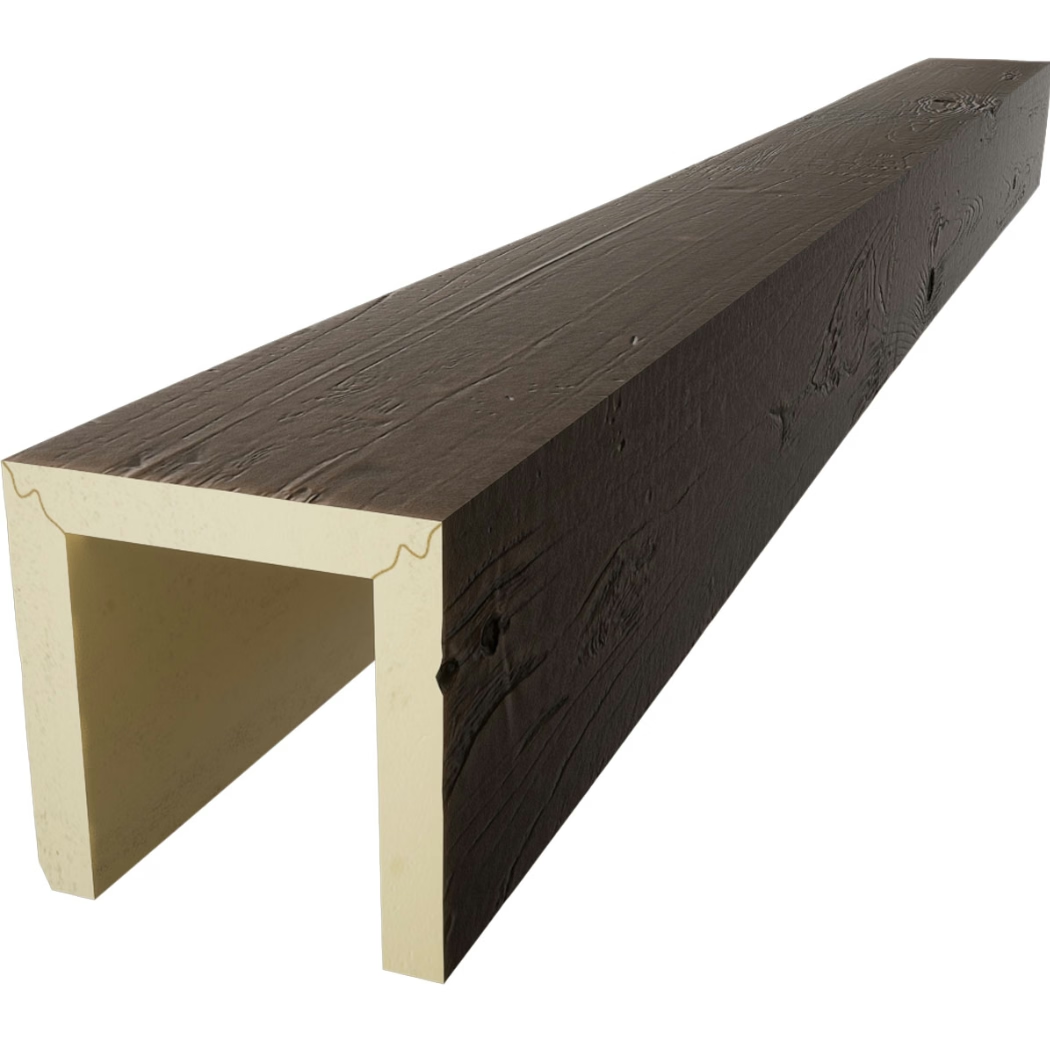
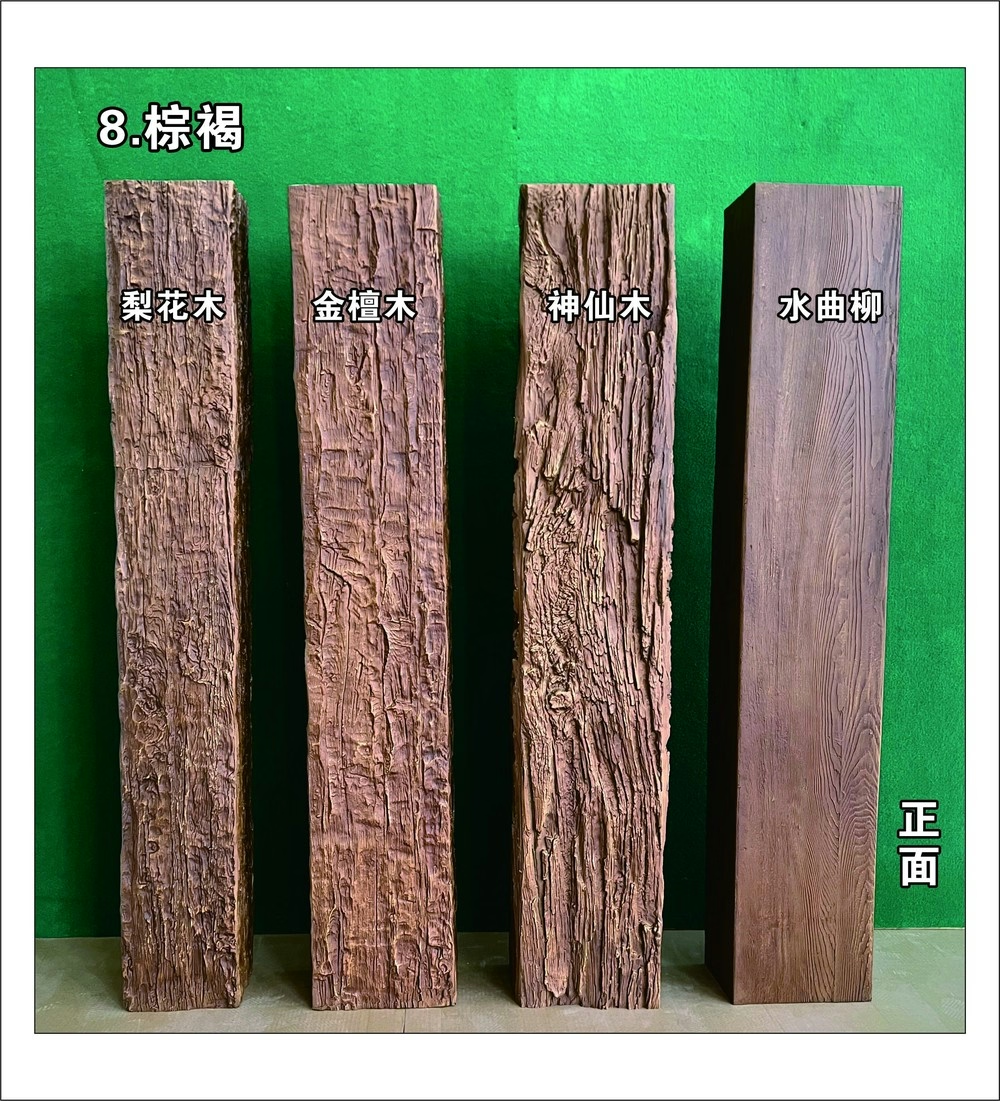
Moist environment applications don't require sacrificing aesthetic quality for functional performance. Polyurethane beams are available in finishes ranging from natural wood appearance through painted whites and custom colors. The antimicrobial protection works regardless of finish type, maintaining resistance throughout the product lifetime.
Textured surfaces like hand-hewn or rough-sawn profiles add visual interest but might accumulate debris in crevices that could challenge resistance in extreme conditions. Regular cleaning addresses this concern while maintaining the desired textured appearance. Smooth-surface beams simplify cleaning protocols while still providing attractive wood-grain aesthetics.
Light-colored finishes in moist environments offer practical advantages by reflecting light into spaces where natural light penetration may be limited. Steam rooms and indoor pools often feature ambient lighting rather than direct daylighting, making light-reflecting beam finishes valuable for maintaining bright, welcoming atmospheres.
Maintenance Best Practices for Long-Term Performance
Establishing regular cleaning schedules prevents the accumulated debris that could eventually challenge even resistant materials. Polyurethane beams respond well to routine cleaning with mild detergents and soft cleaning tools. Avoiding abrasive scrubbers preserves surface appearance while still achieving adequate cleaning.
Periodic inspection of beam installations in demanding environments identifies developing issues before they become serious problems. Checking mounting connections, examining beam surfaces for any discoloration, and verifying ventilation system operation all contribute to long-term satisfaction with moist environment installations.
Documentation of cleaning schedules and maintenance activities supports warranty claims if product performance ever falls below expectations. Manufacturer guidelines typically specify recommended cleaning products and frequencies for specific applications, providing baseline requirements that building operators can exceed as conditions require.
Technical References
ASTM standards cited in every specification
Test Data
Lab results from internal testing program
Updated 2026
Reviewed against current product specs


