
The construction and design industries have experienced fundamental shifts in how environmental impact is evaluated and addressed, moving beyond simple recycling mandates toward comprehensive lifecycle assessment that considers raw material extraction, manufacturing processes, transportation requirements, installation methods, service life, and end-of-life disposal. This holistic perspective reveals that materials conventionally perceived as environmentally problematic may offer advantages when their complete lifecycle is considered, while materials marketed as green may carry hidden environmental costs that offset their apparent benefits. Lightweight faux beam materials exemplify this complexity, with their synthetic origins requiring careful analysis against the real environmental burdens that genuine timber alternatives would impose.
Modern polyurethane beam manufacturing has evolved significantly from early formulations, with contemporary production methods incorporating recycled content, reduced emissions, and improved durability that extends service life. These advances address earlier environmental concerns while preserving the practical benefits that have made polyurethane beams increasingly popular across residential and commercial applications. Understanding what makes contemporary faux beams environmentally responsible helps specifiers make informed decisions that align with both sustainability goals and practical requirements.
The lightweight nature of polyurethane beams provides environmental benefits throughout the supply chain, from manufacturing through transportation to installation and eventual disposal. These weight-related advantages compound across the product lifecycle, creating cumulative environmental benefits that make faux beams increasingly attractive for environmentally conscious projects. Combined with their durability and maintenance advantages, lightweight faux beams present compelling cases for sustainable specification.
Lifecycle Analysis of Faux vs. Genuine Timber
Comprehensive lifecycle assessment compares environmental impacts across all phases of material existence, revealing true costs and benefits that simple material comparisons cannot capture. For ceiling beams, this analysis must consider raw material sourcing, manufacturing energy and emissions, transportation fuel consumption, installation requirements, maintenance needs, service life, and end-of-life disposition. This complete perspective challenges assumptions that might favor either natural or synthetic materials based on incomplete information.
The raw material sourcing for polyurethane involves petroleum derivatives that carry environmental concerns related to extraction and processing. However, the quantities involved for beam production are relatively small compared to the structural timber that would be replaced, where significant land use, forestry practices, and transportation distances affect environmental balance. Modern production methods also increasingly incorporate bio-based polyols derived from renewable plant sources, reducing petroleum dependency and associated concerns.
Genuine timber presents its own environmental profile that defies simple characterization as either green or harmful. Sustainably harvested timber from responsibly managed forests represents a renewable resource with carbon sequestration benefits during tree growth. However, illegal logging, habitat destruction, and transportation emissions associated with some timber sources significantly worsen environmental impact. The variability in timber sourcing practices makes blanket environmental claims difficult to support.
Transportation Efficiency Advantages
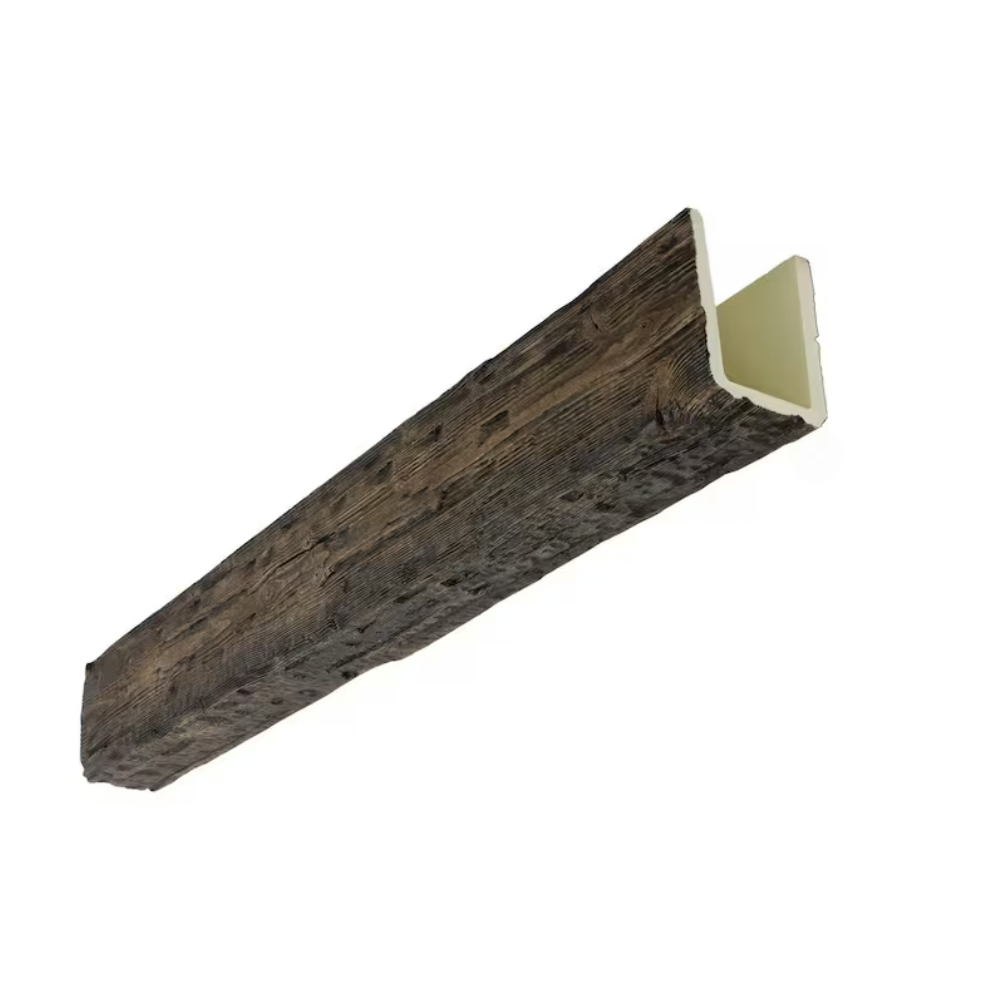
The weight reduction that polyurethane beams provide translates directly to transportation fuel savings that accumulate across manufacturing and distribution networks. A single polyurethane beam might weigh five to ten pounds compared to fifty to one hundred pounds for comparable genuine timber, representing eighty to ninety percent weight reduction. This difference affects every truckload, container, and delivery route throughout the supply chain, creating cumulative fuel savings that significantly affect total environmental impact.
Long-distance transportation, where fuel consumption represents larger portions of environmental impact, amplifies the advantages of lightweight materials. Imported timber traveling thousands of miles by sea and then overland creates substantial transportation footprints that lightweight faux beams can substantially reduce. Even for domestically produced timber, the weight difference affects transportation efficiency in ways that accumulate across the distribution system.
Last-mile delivery to individual project sites presents similar considerations, with lighter materials requiring less fuel and smaller vehicles for equivalent quantities. The environmental benefit of lighter delivery extends to installation labor as well, where lighter beams reduce energy expenditure and equipment requirements for workers handling materials. These accumulated small efficiencies contribute meaningfully to overall environmental profile.
Durability and Service Life Benefits
The extended service life that quality polyurethane beams provide reduces environmental impact by amortizing production costs across more years of beneficial use. Materials that must be replaced frequently impose ongoing environmental costs that may exceed initial savings from cheaper alternatives. Polyurethane beams designed for decades of service life avoid these replacement cycles, with the environmental cost of production distributed across longer periods of use.
Maintenance requirements also factor into lifecycle environmental impact, with materials requiring frequent refinishing, sealing, or repair consuming additional resources throughout their service lives. Genuine timber beams may require periodic refinishing to maintain appearance and prevent deterioration, with each refinishing cycle consuming finishes, solvents, and labor while generating waste materials. Polyurethane beams eliminate these maintenance cycles, preserving original appearance without ongoing resource consumption.
The resistance of polyurethane to moisture, insects, and physical damage prevents the deterioration pathways that might require premature replacement of genuine timber. These failure modes can compromise beam appearance and structural integrity in ways that necessitate removal and replacement, creating substantial environmental burdens from both the failed material and its replacement. The dimensional stability of polyurethane avoids these failure modes, contributing to reliable long-term performance.

Indoor Air Quality Considerations
Indoor air quality in buildings featuring polyurethane beams concerns some specifiers who associate synthetic materials with off-gassing and VOC emissions. Contemporary polyurethane production methods have significantly reduced these concerns, with modern formulations meeting stringent indoor air quality standards established for residential and commercial applications. Quality manufacturers provide documentation of emissions testing that verifies compliance with relevant standards.
The installation of polyurethane beams eliminates many potential air quality concerns associated with genuine timber finishing. Timber beams often require stains, sealers, or other finishing products that release VOCs during application and curing. Polyurethane beams arrive pre-finished with durable coatings that don't require field application of additional products, reducing the total VOC load introduced during construction.
Post-installation air quality benefits from the easy-clean nature of polyurethane surfaces, which resist contamination that might harbor mold, bacteria, or other indoor air quality concerns. The non-porous surface doesn't absorb spills or odors that might accumulate in more absorbent materials, contributing to maintained air quality throughout the building's service life.
End-of-Life Disposal and Recycling
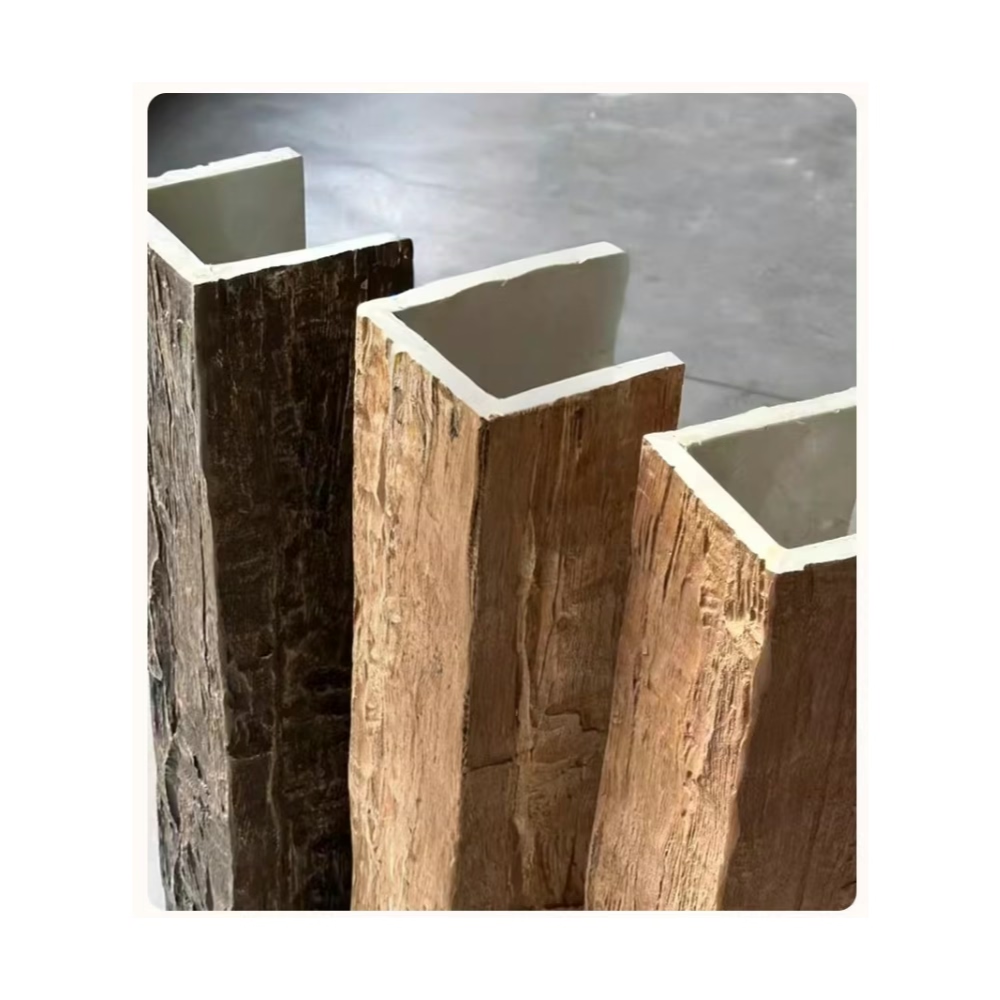
The eventual disposal of building materials represents an often-overlooked aspect of environmental impact that lifecycle analysis should address. Polyurethane beams, while not biodegradable, offer advantages in disposal scenarios through their lightweight nature and potential for recycling. The relatively small mass of polyurethane compared to timber means less material entering waste streams, while recycling programs for polyurethane foam are increasingly available in many regions.
Energy recovery through waste-to-energy facilities provides environmentally responsible disposal for polyurethane that cannot be recycled, converting material into usable energy rather than landfilling. This recovery option is not available for all materials, making polyurethane's suitability for energy recovery a meaningful advantage in responsible disposal scenarios.
The extended service life of quality polyurethane beams also defers disposal considerations, with installations potentially lasting fifty years or more before replacement becomes necessary. This deferral reduces the present value of eventual disposal impacts while providing time for recycling infrastructure to develop and improve. Forward-looking specifiers recognize this temporal dimension of environmental impact that shorter-lived alternatives cannot address.
Making Informed Material Choices
The environmental responsibility of material choices depends on context, application, and the specific products under consideration. Blanket recommendations that favor either natural or synthetic materials ignore the complexity of real-world decision-making where numerous factors interact to determine overall environmental impact. The most responsible approach involves careful evaluation of specific products against the requirements and constraints of each project.
Quality polyurethane beams offer compelling environmental profiles for many applications, particularly where their practical advantages—lightweight, durable, low-maintenance—align with project requirements. The specific environmental benefits vary depending on transportation distances, installation conditions, expected service life, and other project-specific factors that affect lifecycle analysis. Professional evaluation of these factors helps ensure that material selections achieve genuine environmental benefit rather than merely satisfying superficial green marketing claims.
The continued evolution of polyurethane manufacturing promises further environmental improvements, with bio-based feedstocks, recycled content, and improved production efficiency all under active development. Specifiers choosing quality products from manufacturers committed to environmental improvement can expect their specifications to become increasingly sustainable over time, providing confidence that investments in polyurethane beams will remain environmentally responsible as manufacturing practices continue to evolve.
Technical References
ASTM standards cited in every specification
Test Data
Lab results from internal testing program
Updated 2026
Reviewed against current product specs


