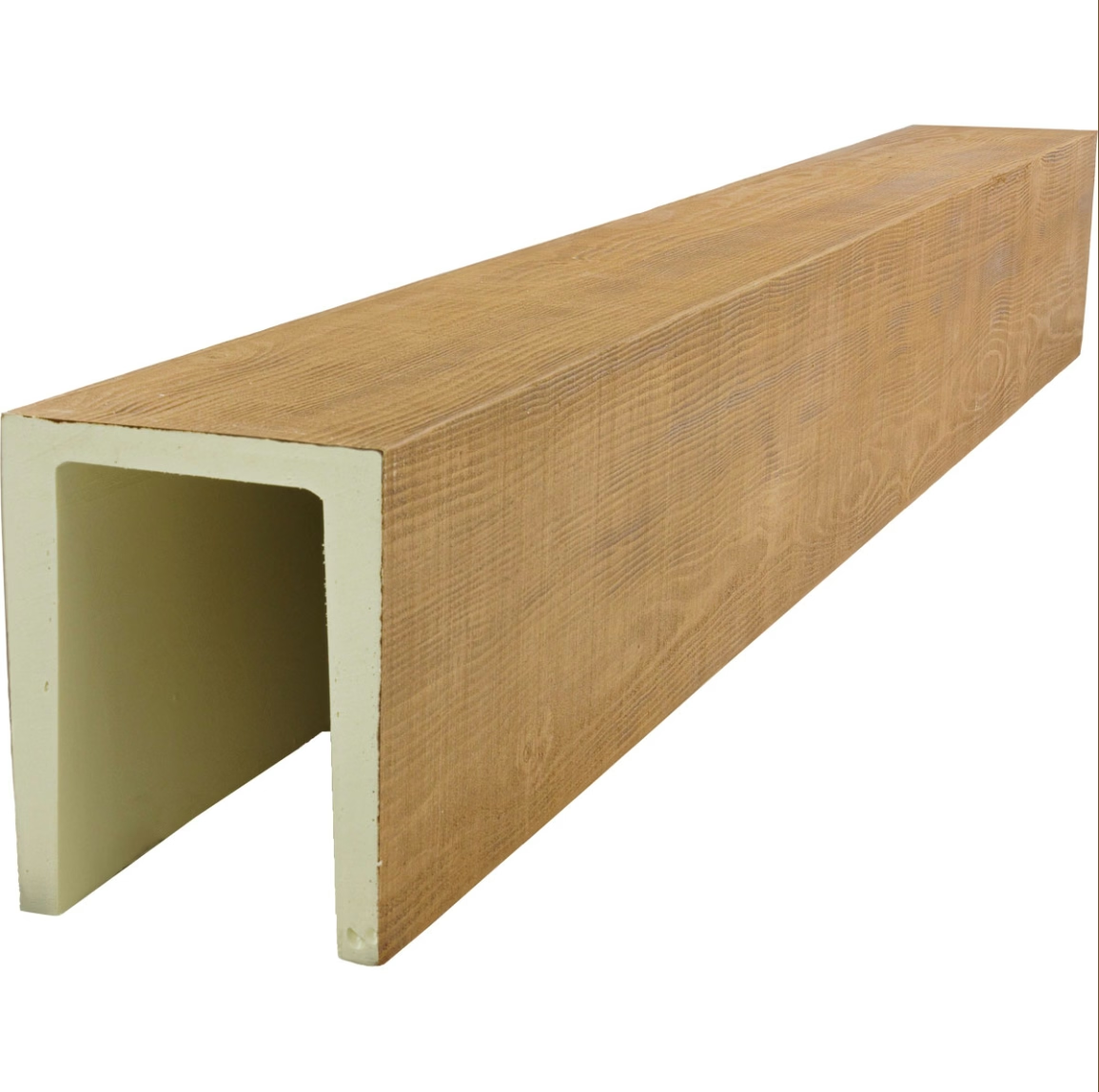
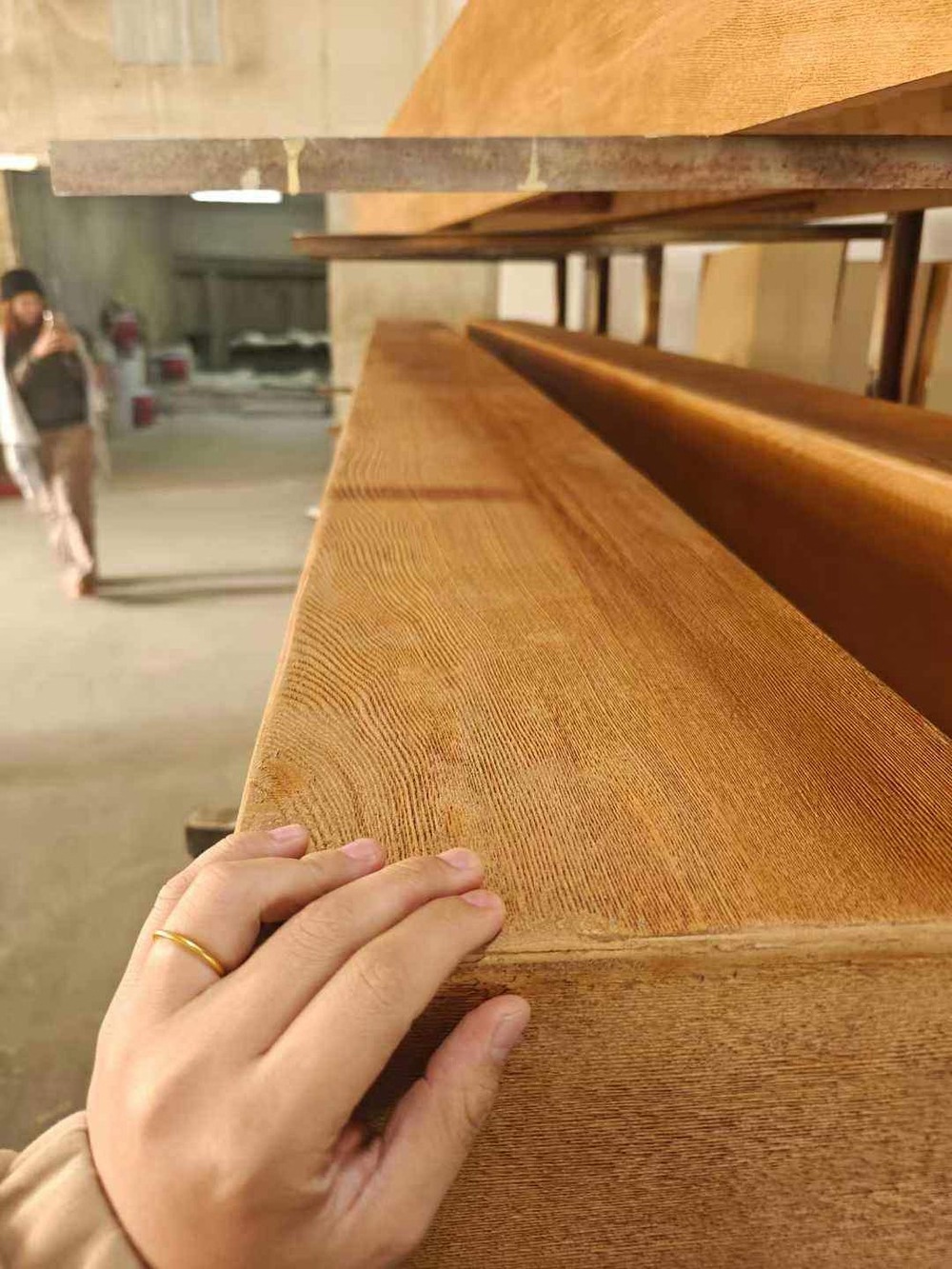
The test of any building material is time. Initial appearance and specification compliance mean little if materials fail to perform as years accumulate. In humid environments, this temporal test proves particularly demanding, as materials face continuous moisture exposure that accelerates degradation in vulnerable products. Moisture-proof beams designed specifically for long-term humid use offer something valuable: the confidence that ceiling treatments installed today will continue performing decades from now, without the deterioration that lesser materials inevitably exhibit.
What Long-Term Humid Performance Requires
Sustained performance in humid conditions demands more than adequate initial specifications. Materials must maintain their protective characteristics despite continuous exposure, resisting the cumulative effects that eventually compromise lesser products. Understanding these requirements clarifies why certain materials succeed where others fail.
Chemical stability prevents the gradual breakdown that affects some materials over time. Polymers that UV exposure, temperature cycling, or chemical contact might degrade cannot maintain waterproof performance indefinitely. Quality polyurethane formulations resist these breakdown mechanisms, maintaining molecular integrity that preserves performance characteristics.
Surface durability ensures that repeated cleaning, casual contact, and environmental exposure do not gradually compromise appearance or performance. The surface characteristics that provide waterproof performance must survive the minor abrasions and cleaning cycles that real-world use imposes without degrading to the point where moisture protection is compromised.
Structural consistency maintains dimensional stability and connection integrity over extended service periods. Joints that loosen, surfaces that craze, or cores that delaminate would all compromise long-term performance in humid environments. Quality construction addresses these failure modes through material selection and engineering that prevents their occurrence.
The Aging Behavior of Different Materials
Materials age differently based on their fundamental composition and the conditions they face. Understanding how common ceiling materials age in humid environments helps explain why waterproof alternatives prove necessary for long-term applications.
Natural wood ages dramatically in humid conditions. The initial beauty of fine timber gives way to the gray patina of surface weathering, the warped geometry of uneven drying, and eventually the structural failure of wood rot. Even with excellent maintenance, natural wood in persistently humid environments will deteriorate. The question is not whether failure occurs, but how quickly and at what cost.
Medium-density fiberboard and engineered wood products face different but equally challenging aging in humid conditions. These materials derive their structural integrity from adhesives that moisture can compromise. When adhesives fail, the material literally falls apart, delaminating into the component fibers or particles that manufacturing compressed together. This failure can occur rapidly once adhesive degradation begins.
Quality waterproof faux beams, by contrast, maintain their initial characteristics indefinitely under normal humid conditions. The polyurethane composition that provides waterproof performance does not degrade through the mechanisms that affect organic materials. What looks like new wood after five years looks the same after twenty-five, without any special maintenance beyond occasional cleaning.
Engineering for Sustained Performance
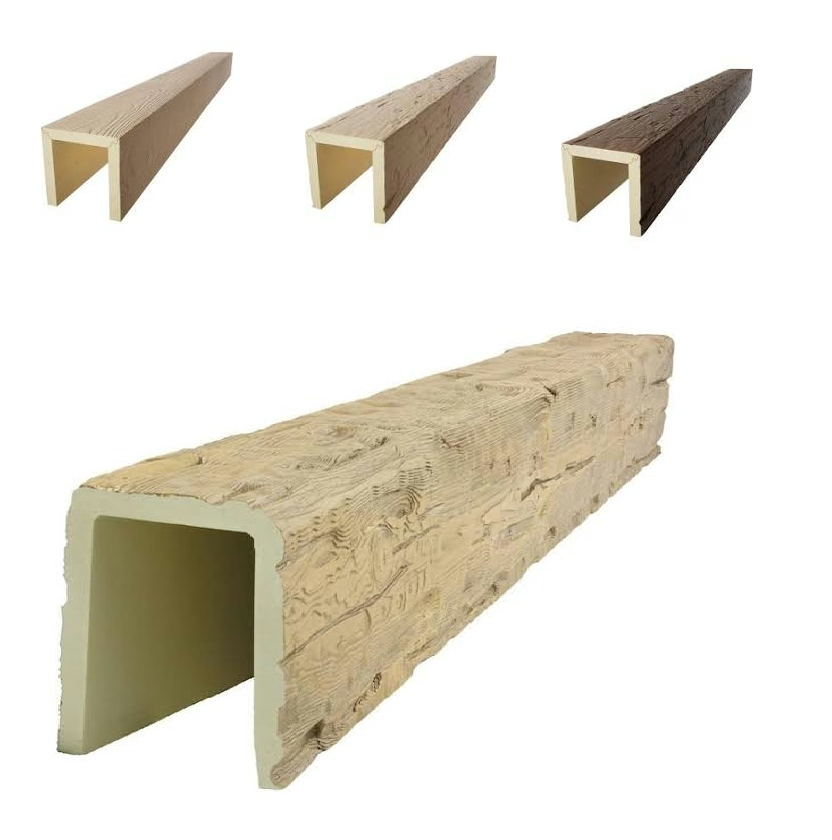
Quality manufacturers engineer waterproof beams specifically for long-term humid use. This engineering addresses material selection, component design, and quality control processes that ensure reliable performance across extended service periods.
Material formulation determines baseline performance characteristics. Additives that enhance UV stability, impact resistance, and chemical compatibility extend the service life of polyurethane beams in challenging applications. These additives represent additional cost in manufacturing, but they provide the performance margins that ensure long-term reliability.
Connection engineering addresses the joints where beam sections meet and where beams attach to surrounding structure. These connections often represent the weakest points in ceiling installations, vulnerable to the moisture penetration that joint movement or settling might create. Quality systems employ sealants, gaskets, and mechanical designs that maintain moisture barriers despite the movement and settling that buildings naturally experience.
Quality control processes verify that every beam meets specifications before shipment. Testing samples from production runs ensures that material formulations remain consistent; visual inspection catches defects that automated processes might miss. These controls cost money but prevent the field failures that would otherwise generate warranty claims and reputation damage.
Identifying Quality Long-Term Products
Not all waterproof beams are engineered for the same service life or performance standards. Specifying the right products requires understanding how to identify beams that will truly perform for decades versus those that will fail prematurely despite waterproof marketing claims.
Documentation of long-term performance testing distinguishes quality products. Manufacturers who have conducted accelerated aging studies, real-world field performance tracking, or independent laboratory testing can provide evidence supporting their long-term performance claims. Products without supporting documentation rely on marketing assertions rather than verified performance.
Warranty coverage reflects manufacturer confidence in product performance. Extended warranties that specifically address moisture-related performance provide assurance that manufacturers stand behind their products. The warranty terms—who is responsible for failures, what failures are covered, how claims are processed—all inform expectations about real-world performance.
Industry certifications from recognized testing organizations verify that products meet established performance standards. Certifications specific to humid environment applications indicate that products have been evaluated for the conditions they will face. Products without relevant certifications may or may not perform adequately; certified products have demonstrated their capabilities through objective testing.
Applications Requiring Long-Term Humid Performance
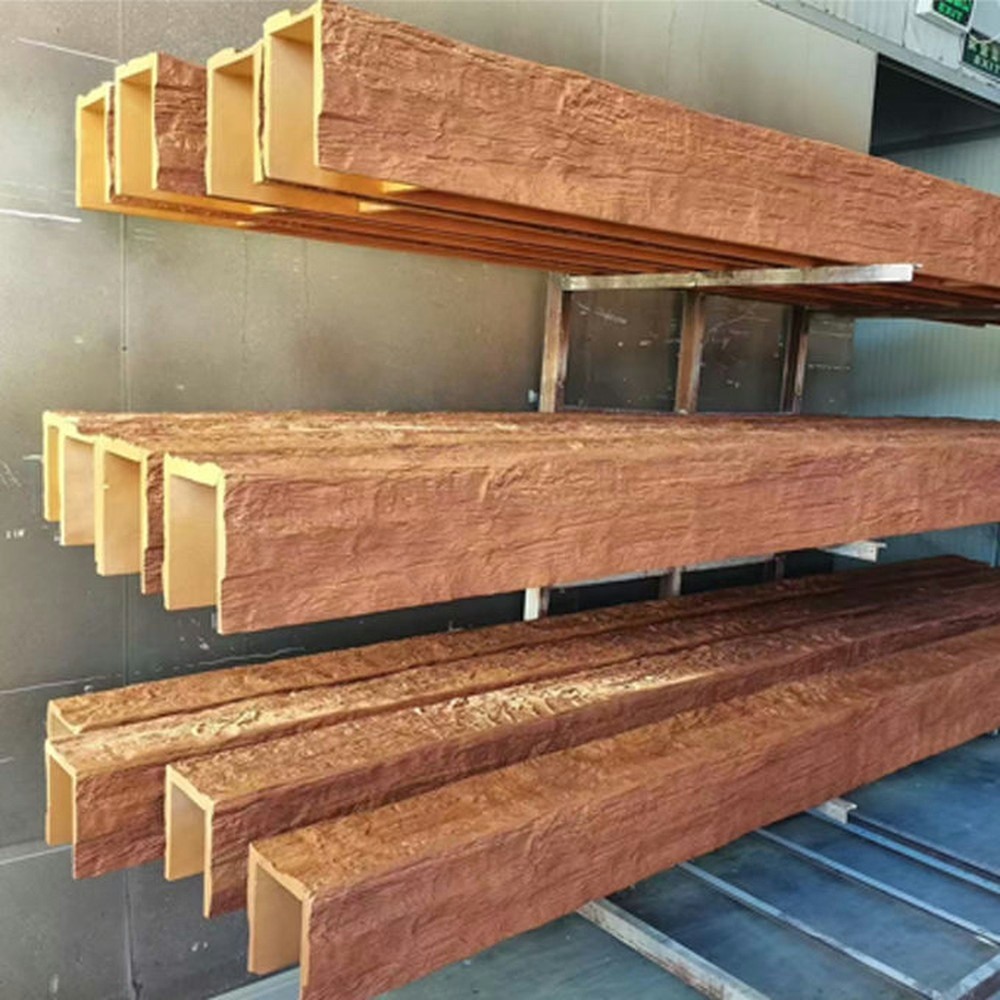
Certain applications demand materials that will perform reliably for decades without failure. In these contexts, the additional cost of quality waterproof beams represents essential investment rather than unnecessary premium.
Public facility restrooms face constant humidity exposure combined with heavy use and limited maintenance. Schools, hospitals, government buildings, and similar facilities cannot afford ceiling treatments that deteriorate within years of installation. Waterproof beams provide the long-term performance that these demanding applications require.
Hospitality facilities—hotels, resorts, cruise ships—face humid conditions in pool areas, spas, and fitness centers while maintaining aesthetic standards that demand quality materials. The cost of premature ceiling replacement in these spaces extends beyond material costs to include business disruption and reputation damage. Long-term performance protects against these larger costs.
Industrial facilities with humidity-generating processes require ceiling materials that will survive conditions that would quickly destroy alternatives. Food processing, textile manufacturing, and similar industries maintain humidity levels that waterproof materials handle easily but that natural wood cannot survive. Long-term beam performance in these applications prevents the ceiling replacement cycles that would otherwise be necessary.

Residential spaces with persistent humidity— indoor pools, steam showers, dedicated plant rooms—benefit from the same long-term performance that commercial applications demand. Homeowners who invest in quality ceiling treatments expect those treatments to last, not require replacement within a few years. Waterproof beams fulfill this expectation through sustained performance that natural materials cannot match.
The Economics of Long-Term Performance
Initial material costs represent only part of total project economics. When long-term maintenance, repair, and replacement costs are considered, quality materials often prove more economical than lower-cost alternatives. This total cost perspective reveals the true value of long-term humid performance.
Replacement costs include not only new materials but also removal of failed materials, disposal of demolition debris, and installation of replacement products. In commercial applications, these costs multiply by the area affected and the business disruption they cause. Waterproof beams that avoid these replacement cycles provide economic value that initial cost comparisons miss.
Maintenance requirements affect ongoing operational costs. Natural wood and other moisture-sensitive materials require inspection, cleaning, and periodic treatment to maintain their performance in humid environments. Waterproof beams eliminate these maintenance requirements, freeing staff attention for other responsibilities and reducing operational costs over the life of the installation.
Appearance maintenance affects how spaces are perceived by occupants and visitors. Spaces with deteriorating ceiling treatments project an image of neglect that affects everything from employee morale to customer perception. Waterproof beams that maintain their appearance for decades support the consistent image that quality organizations work to project.
Making Informed Specifications
Successful humid environment projects begin with appropriate material specifications. Ensuring that specified products meet long-term performance requirements protects against the failure modes that lesser materials inevitably experience.
Performance requirements should be documented explicitly in project specifications. Required water absorption rates, dimensional stability specifications, and aging test results all establish benchmarks that products must meet. Specifications without objective performance requirements cannot ensure that installed products will perform as needed.
Installation requirements must complement material specifications to achieve desired outcomes. Even quality waterproof beams can underperform if installed improperly, particularly in humid environments where installation errors might allow moisture penetration that would not affect properly installed products. Installation specifications should address substrate preparation, sealing requirements, and quality verification procedures.
Inspection and testing during installation verifies that specified products are delivered and installed correctly. Random sampling of delivered materials confirms that products match specifications; installation inspection confirms that work proceeds according to requirements. These quality assurance measures catch problems before they become failures, ensuring that ceiling installations meet expectations from day one.
Investing in Sustained Quality
The choice of ceiling materials for humid environments should reflect realistic expectations about service life and maintenance requirements. Waterproof beams engineered for long-term humid use represent investments in sustained quality that pay dividends over decades of service.
Spaces that demand consistent appearance, reliable performance, and minimal maintenance deserve materials that will deliver these characteristics indefinitely. Waterproof beams provide this reliability, eliminating the anxiety and disruption that material failure creates in otherwise successful projects.
The initial investment in quality waterproof beams returns value continuously through years of trouble-free service. When alternatives would have required replacement, repair, or extensive maintenance, waterproof beams continue performing as designed, maintaining the design intent and aesthetic quality that initial projects established.
Technical References
ASTM standards cited in every specification
Test Data
Lab results from internal testing program
Updated 2026
Reviewed against current product specs