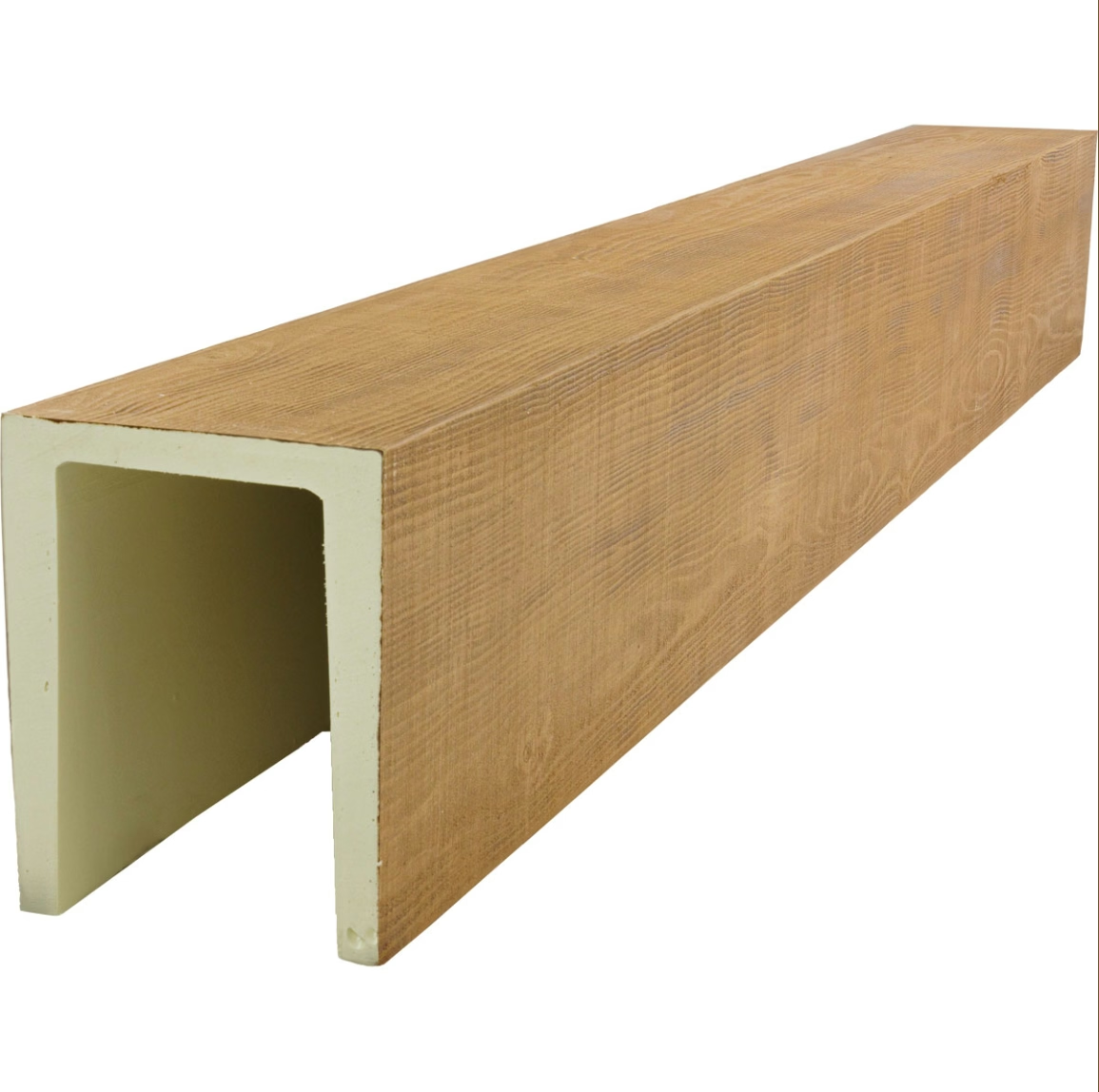
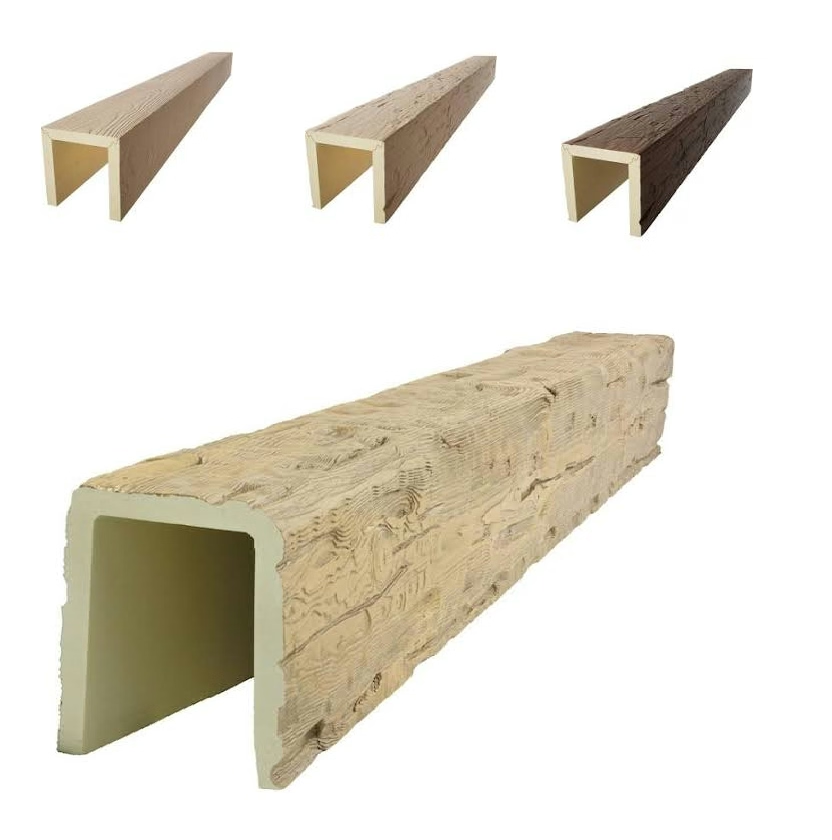
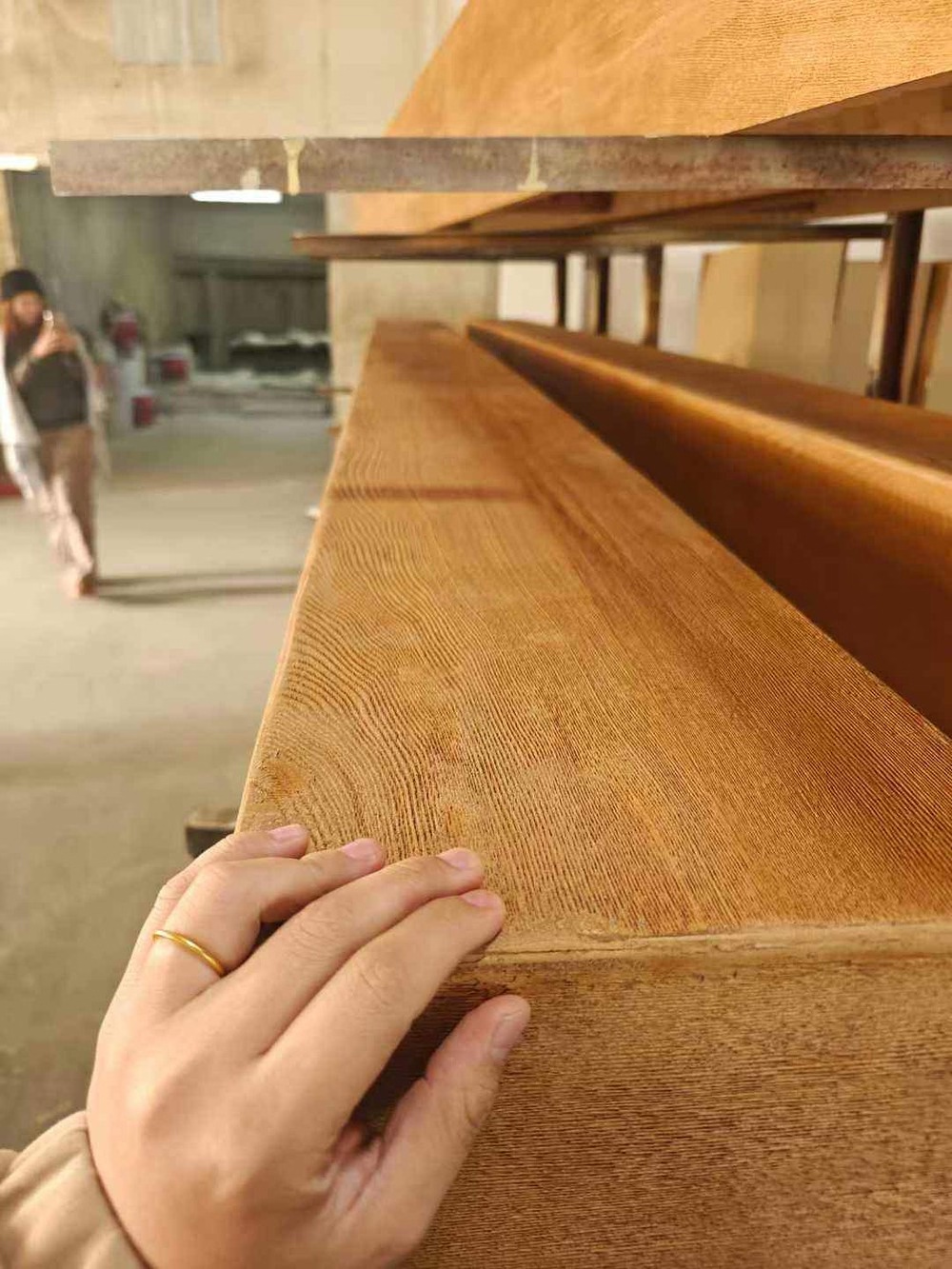
Manufacturing consistency represents one of the fundamental advantages that engineered products hold over natural materials. When architects specify wood grain aesthetics for large-scale installations, they often confront the frustrating reality that natural timber is inherently variable. No two pieces of genuine wood display identical grain patterns, color graduation, or surface characteristics. For projects requiring dozens of matching beams, this natural variation creates aesthetic challenges that can compromise design intent.
Mold-injected precision manufacturing addresses these concerns directly. By controlling every variable in the production process, manufacturers can produce polyurethane faux beams with virtually identical surface characteristics across entire orders. Understanding how this precision is achieved and what it means for project outcomes helps stakeholders make informed decisions about material selection.
The Injection Molding Process Explained
Injection molding represents a manufacturing approach fundamentally different from open-cast or hand-finishing techniques. Rather than pouring material into open molds, injection molding forces liquid polyurethane into sealed dies under significant pressure. This pressure ensures that material fills every detail of the mold cavity, capturing surface textures with exceptional fidelity.
The controlled environment of injection molding produces remarkably consistent results. Temperature, pressure, and material flow are precisely regulated throughout each production cycle, eliminating the variables that contribute to inconsistency in less controlled manufacturing approaches. Each beam emerges from its mold with surface characteristics virtually identical to every other beam produced in the same run.
Production cycle times in injection molding are typically shorter than alternative methods, contributing to manufacturing efficiency. While the initial tooling investment may be higher, the per-unit cost advantages of high-volume production often offset tooling expenses, particularly for large orders where consistency matters most.
Quality Control Throughout Production
Precision manufacturing demands equally precise quality control. Reputable manufacturers implement inspection protocols at multiple stages of production, identifying and addressing issues before they affect customer deliveries. Raw material verification ensures that compounds meet specifications before entering production. In-process sampling confirms that each cycle produces acceptable output. Final inspection verifies that completed beams meet all visual and dimensional requirements.
Statistical process control techniques allow manufacturers to monitor production quality over time, identifying trends that might indicate developing problems before they result in defective output. Charts tracking critical parameters such as weight, dimensions, and surface quality enable proactive intervention when variables begin drifting from target values.

Documentation and traceability support quality assurance requirements that commercial projects often demand. Batch records linking individual beams to specific production runs, raw material lots, and inspection results provide accountability throughout the manufacturing process. When questions arise about particular installations, this traceability enables efficient investigation and resolution.
Benefits for Large-Scale Installations
Commercial projects with extensive beam installations derive particular benefit from manufacturing precision. Hotel corridors requiring dozens of matching beams, restaurant chains seeking brand-consistent aesthetics across multiple locations, and corporate offices implementing standardized design systems all depend on consistency that natural materials cannot provide.
When beams are installed side by side or in repeating patterns, differences between pieces become immediately apparent. Color variations, grain pattern shifts, and surface texture inconsistencies disrupt the visual continuity that designers intend. Injection-molded precision eliminates these concerns, producing installations where each beam seamlessly complements its neighbors.
The psychological effect of consistent quality extends beyond initial installation. Building operators appreciate knowing that replacement beams will match existing installations perfectly. Maintenance teams can specify products by model number rather than searching for visual matches. Long-term building management simplifies accordingly.
Material Performance Consistency
Beyond surface aesthetics, injection molding produces beams with consistent physical properties throughout. Density, hardness, and structural characteristics remain uniform across production runs, ensuring that installation hardware and mounting approaches work predictably on every beam.
This consistency simplifies structural engineering calculations that must account for beam weight and load-bearing characteristics. Design assumptions remain valid across entire installations rather than requiring conservative estimates to accommodate natural material variability.
Thermal and humidity performance also benefits from consistent manufacturing. Beams that respond identically to environmental changes maintain installation integrity year after year, without some pieces expanding or contracting differently than others. This predictability supports long-term performance that matches initial specification.

Customization Within Precision Framework
Precision manufacturing does not preclude customization. While standard catalog products represent the most efficient path for many projects, injection molding accommodates custom designs that extend beyond available options. The key lies in understanding how customization interacts with the precision framework.
Custom beam profiles require new tooling, which involves investment and lead time. However, once created, custom molds produce beams with the same consistency as standard products. Projects with unique dimensional requirements or proprietary design elements can achieve both customization and consistency through mold-injected production.
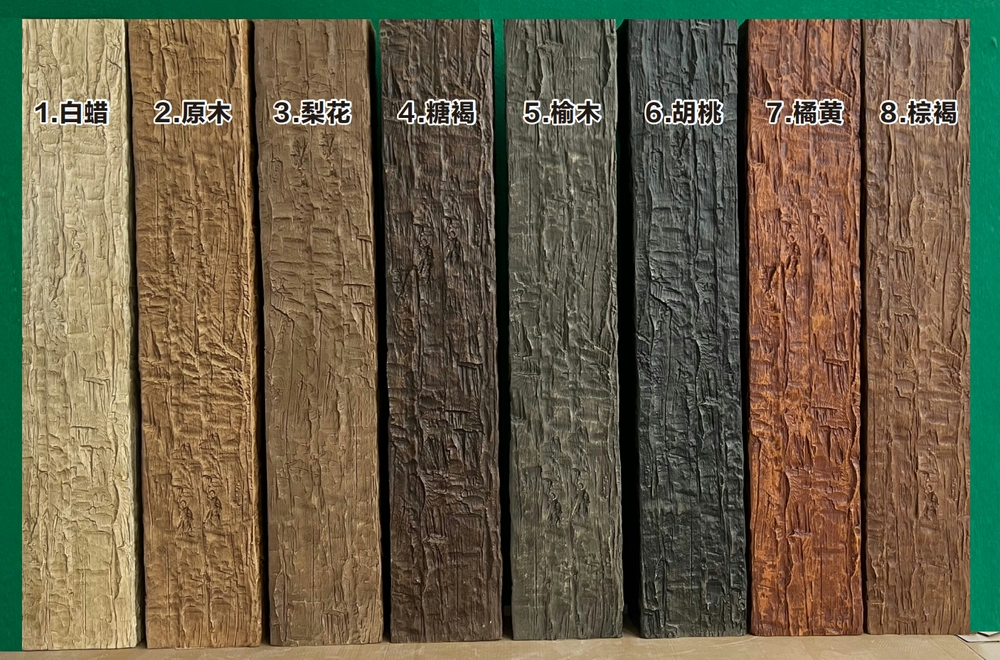
Custom finishing also fits within the precision framework. Color matching services create custom formulations that meet designer specifications, and these formulations remain consistent across production runs. Large orders requiring custom finishes can proceed with confidence that the first beam and the last beam will display identical coloration.
The combination of customizable aesthetics and consistent manufacturing enables design approaches that would be impractical with natural materials. Signature architectural elements can be created for flagship projects, then replicated perfectly for subsequent installations. Brand standards can be established and maintained across multiple locations without aesthetic drift.
Evaluating Manufacturing Sources
Not all injection-molded polyurethane beams are created equal. Significant variation exists in manufacturing capability, quality commitment, and customer service among suppliers. Project managers and designers benefit from systematic evaluation of potential sources.
Factory capabilities reveal much about what suppliers can deliver.Visiting production facilities, when practical, provides insight into equipment quality, process control, and workforce competence. Documentation of manufacturing processes, quality systems, and industry certifications helps assess supplier seriousness about consistent quality.
Sample evaluation under controlled conditions reveals actual product quality. Requesting samples of proposed products and examining them under lighting similar to installation conditions identifies any issues before commitment. Comparing samples from multiple suppliers highlights differences that might not be apparent in single-source evaluation.
Customer reference projects demonstrate real-world performance. Speaking with architects or project managers who have used suppliers for comparable installations provides perspective that sales materials cannot match. These conversations reveal practical considerations that only become apparent after extended installation experience.
Technical References
ASTM standards cited in every specification
Test Data
Lab results from internal testing program
Updated 2026
Reviewed against current product specs