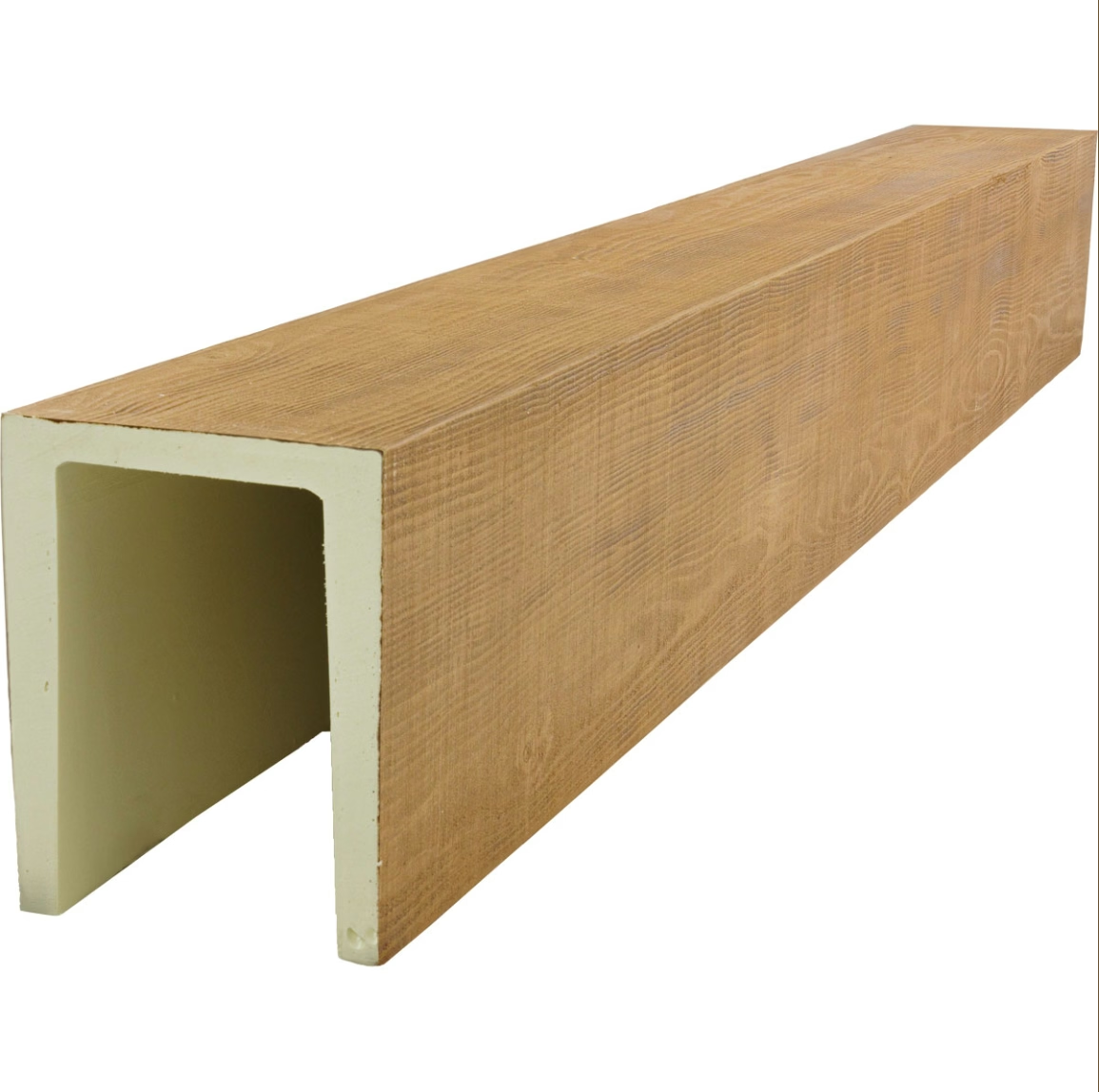
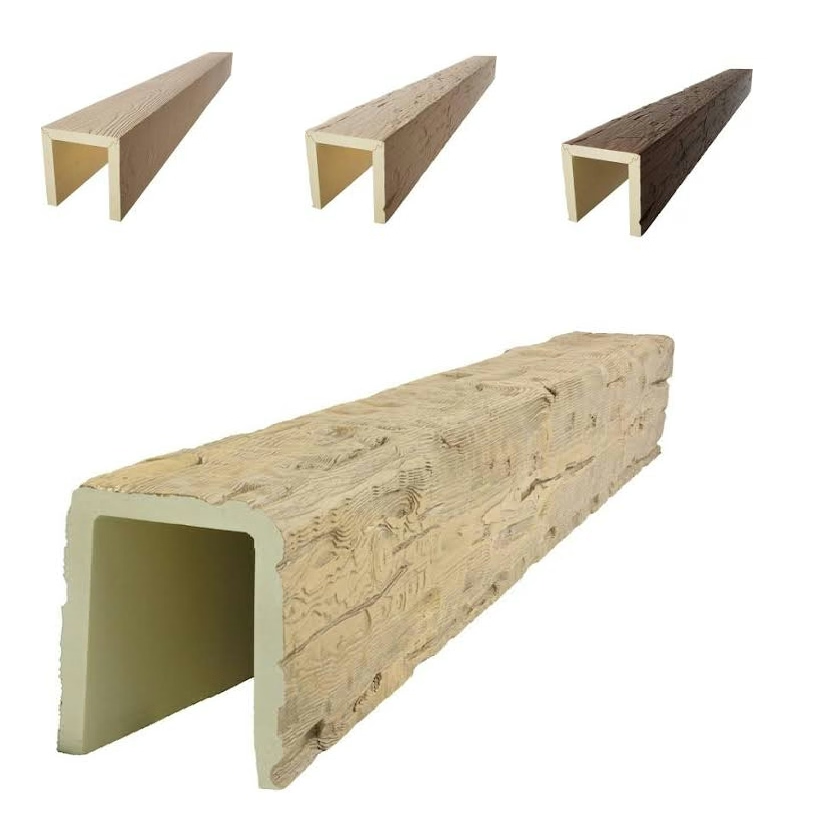
Living in a humid environment brings unique challenges when selecting building materials. Traditional wood beams, despite their natural beauty, often struggle in regions where moisture levels remain consistently high. Homeowners in coastal areas, tropical locations, or simply homes with poor ventilation frequently discover that their once-pristine timber beams have begun to show signs of deterioration within just a few years of installation.
The good news is that modern material science has provided an elegant solution. Polyurethane faux wood beams deliver the aesthetic warmth of natural timber while offering remarkable resistance to the moisture-related problems that plague real wood. Understanding why these engineered beams perform so well in challenging environments can help you make informed decisions for your next renovation or construction project.
The Science Behind Polyurethane's Moisture Resistance
Polyurethane is a synthetic polymer that fundamentally differs from organic wood in how it interacts with water molecules. Unlike timber, which is naturally hygroscopic—meaning it actively absorbs moisture from the surrounding air—polyurethane is essentially hydrophobic. This chemical property prevents the material from absorbing water vapor, eliminating the primary mechanism that allows mold and mildew to establish themselves.
When real wood absorbs moisture, it creates an ideal breeding ground for fungal spores. These microorganisms require cellulose fibers and water to grow, and once established, they can cause structural degradation while releasing allergens and musty odors into your living space. Polyurethane lacks the organic compounds that fungi need to metabolize, effectively making it an inhospitable environment for biological growth.
The closed-cell structure of high-quality polyurethane foam provides an additional barrier against moisture penetration. Even if water were to pool on the surface of a polyurethane beam—perhaps from a leaking pipe or excessive condensation—the material would not absorb it. Instead, water beads and rolls off, leaving the beam's interior completely dry and unaffected.

Practical Benefits for Humid Living Spaces
Beyond mold and mildew resistance, polyurethane beams offer several practical advantages that make them particularly well-suited for humid climate applications. The most immediate benefit is dimensional stability. Real wood expands and contracts as humidity levels fluctuate, which can lead to cracking, splitting, and gaps forming between beams and adjacent surfaces. Polyurethane maintains its shape regardless of atmospheric conditions, ensuring that your ceiling installation remains tight and secure year after year.
This stability translates directly into maintenance simplicity. Homeowners with real wood beams in humid rooms often find themselves applying sealants, fungicides, and protective coatings on a regular schedule to keep moisture at bay. Polyurethane beams require no such interventions. A periodic dusting or gentle wiping with a damp cloth is typically all that is needed to keep them looking their best.
The weight advantage of polyurethane also deserves mention. Traditional heavy timber beams place significant structural demands on the buildings that support them. Polyurethane beams weigh a fraction of their natural counterparts, reducing stress on ceiling joists and simplifying installation. This is particularly valuable in older homes where the original structural members may not have been designed to support the load of genuine wood beams.
Ideal Applications Throughout the Home
While polyurethane faux wood beams work beautifully in any room, they truly shine in spaces where humidity is consistently elevated. Bathrooms are perhaps the most obvious application. The combination of showers, bathtubs, and limited airflow creates an environment where traditional wood quickly succumbs to moisture damage. Polyurethane beams can withstand the constant humidity without swelling, warping, or developing the black streaks that indicate mold growth.
Kitchens present similar challenges, with cooking steam and occasional spills contributing to ambient moisture levels. Installing polyurethane beams above a kitchen island or dining area allows homeowners to achieve the rustic farmhouse aesthetic without worrying about grease and moisture combining to damage their ceiling treatment.
Basements, even when climate-controlled, often maintain higher relative humidity than the upper floors of a home. This makes them candidates for polyurethane beam installations where homeowners want to add architectural interest without the risk of deterioration that would come with real timber.
Pool houses, spa rooms, and covered outdoor living spaces represent additional applications where polyurethane's moisture resistance provides meaningful advantages. These transitional spaces experience temperature swings and humidity fluctuations that would stress natural wood over time.
Installation Considerations for Maximum Performance
While polyurethane faux beams are forgiving materials, proper installation practices help ensure optimal performance in humid environments. Adequate ventilation remains important, even with moisture-resistant materials. Good airflow helps maintain comfortable humidity levels throughout the home and prevents the condensation that can occur when warm, moist air contacts cooler surfaces.
When installing beams in particularly damp areas, using a mildew-resistant construction adhesive adds an extra layer of protection at the joints and attachment points. Even though polyurethane itself resists mold, any accumulated dust or debris in gaps could theoretically provide a surface for allergens to collect. Sealing those gaps proactively addresses this concern.
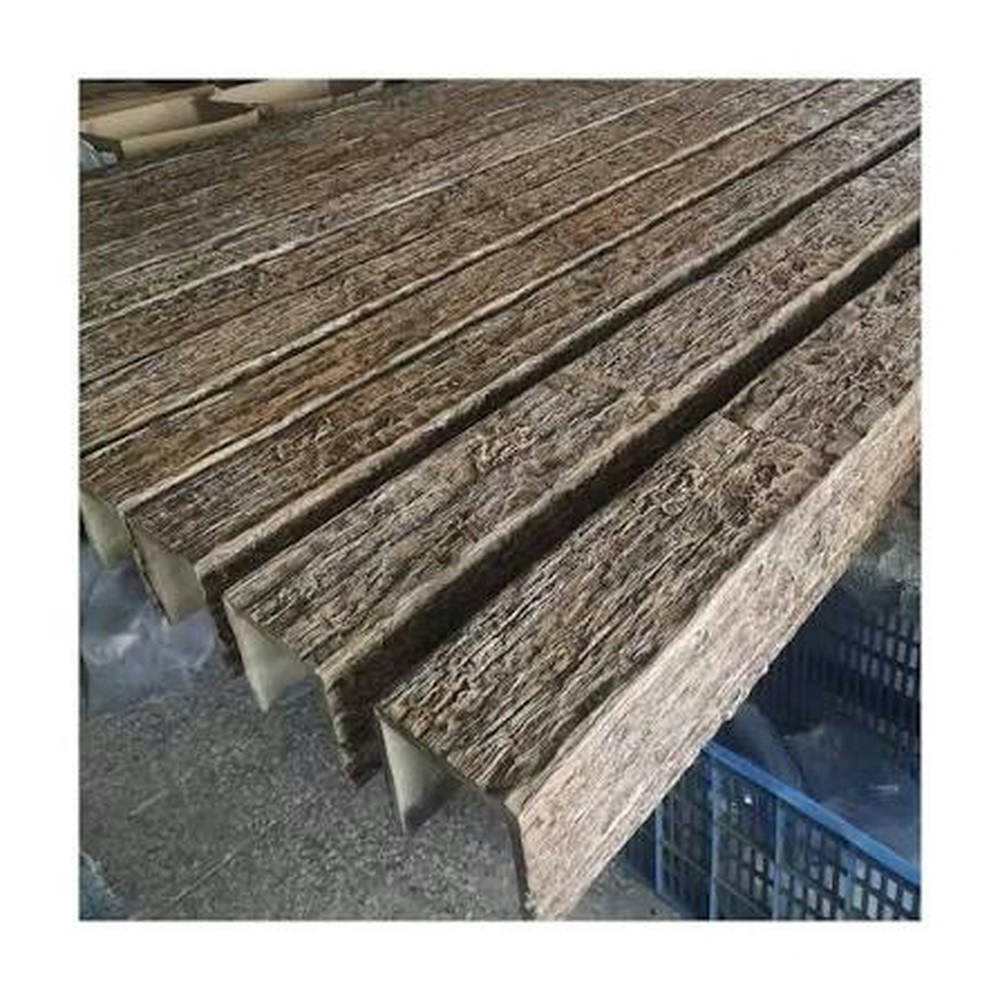
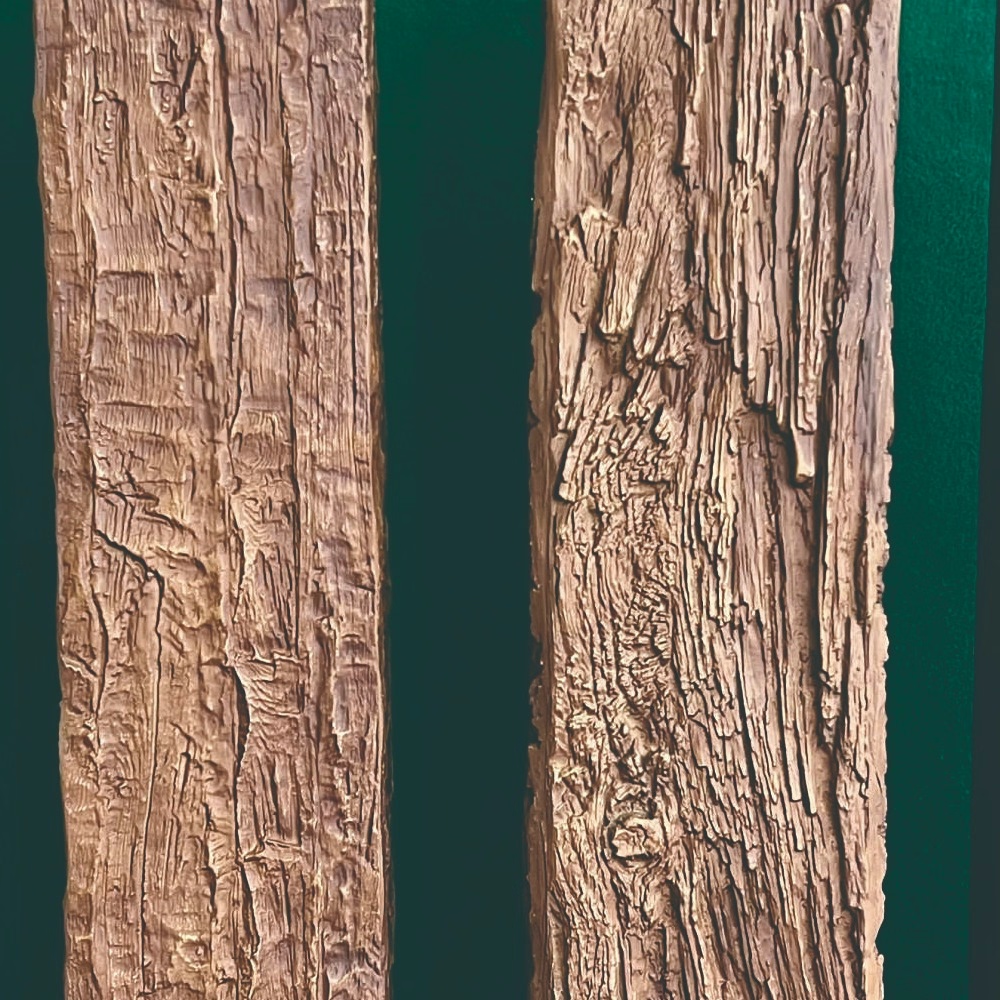
Selecting beams with a solid, non-porous finish rather than textured surfaces also simplifies maintenance in humid rooms. Smooth finishes shed moisture more readily and can be wiped clean without worrying about mold-friendly crevices. However, many homeowners prefer the authentic appearance of textured wood grain, and modern polyurethane formulations handle these surfaces well too, requiring only occasional attention to keep them clean.
Making the Investment Decision
For homeowners in humid climates, the case for polyurethane faux wood beams is compelling. The initial cost per beam is often comparable to quality real wood, and when you factor in the long-term savings on maintenance, repairs, and eventual replacement, polyurethane often proves more economical over the lifetime of your installation.
The peace of mind that comes with knowing your ceiling beams will not develop mold or mildew is perhaps the most valuable benefit. Unlike visible damage on walls or floors, ceiling problems can go unnoticed until they become severe. With polyurethane, that concern disappears entirely.
Consulting with a professional installer can help you determine the best beam styles and installation approaches for your specific climate conditions. Regional variations in humidity levels and seasonal changes all influence which products and techniques will serve you best. The investment in expert guidance ensures that your new beams will provide decades of beautiful, maintenance-free service regardless of what the weather outside is doing.
Technical References
ASTM standards cited in every specification
Test Data
Lab results from internal testing program
Updated 2026
Reviewed against current product specs