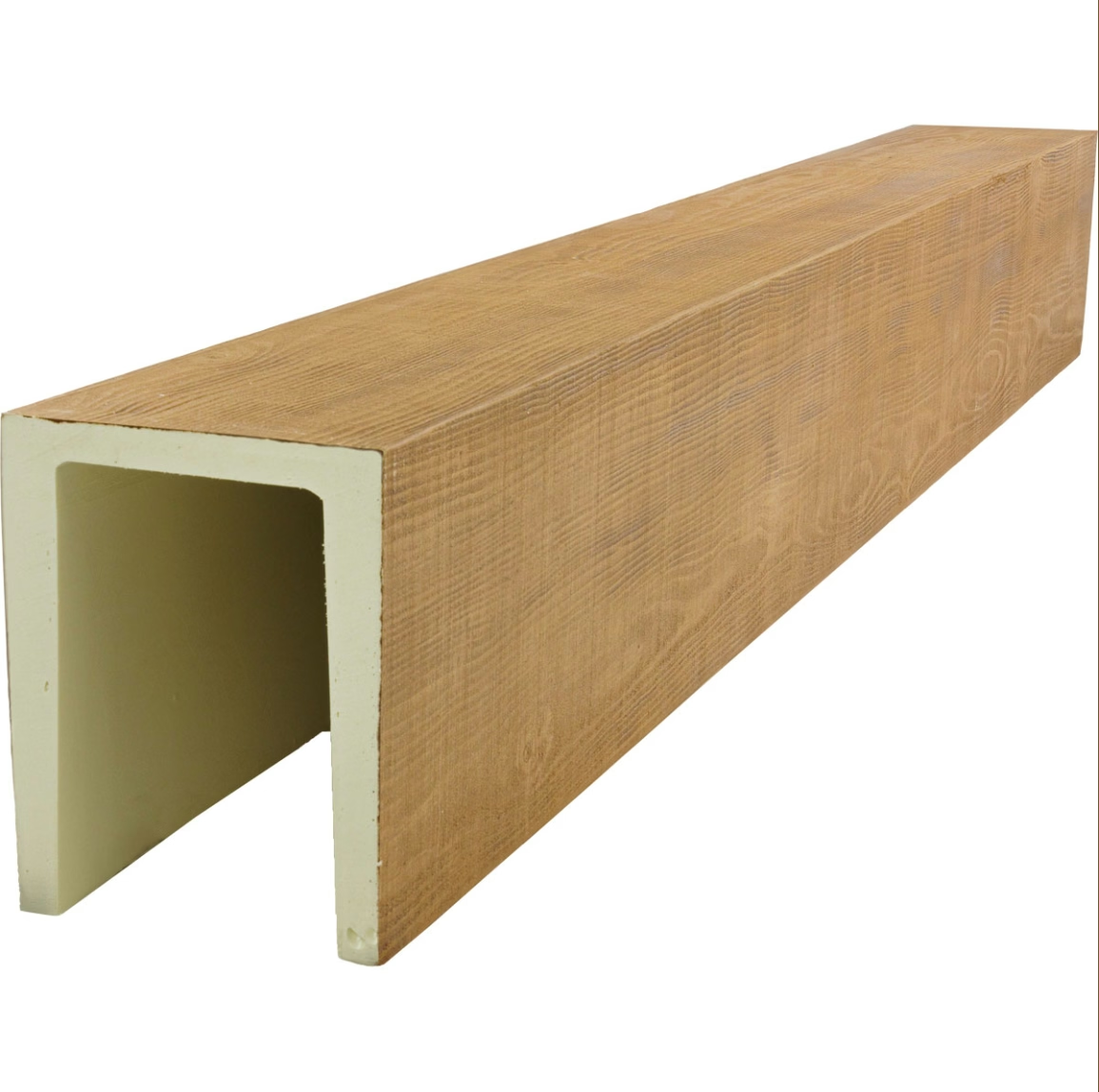
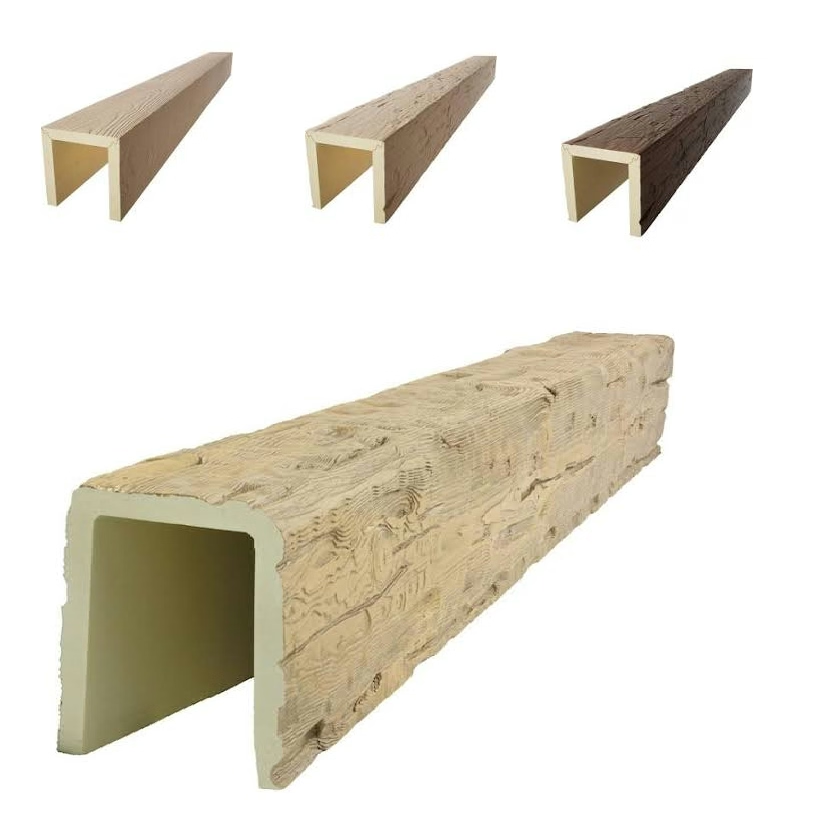
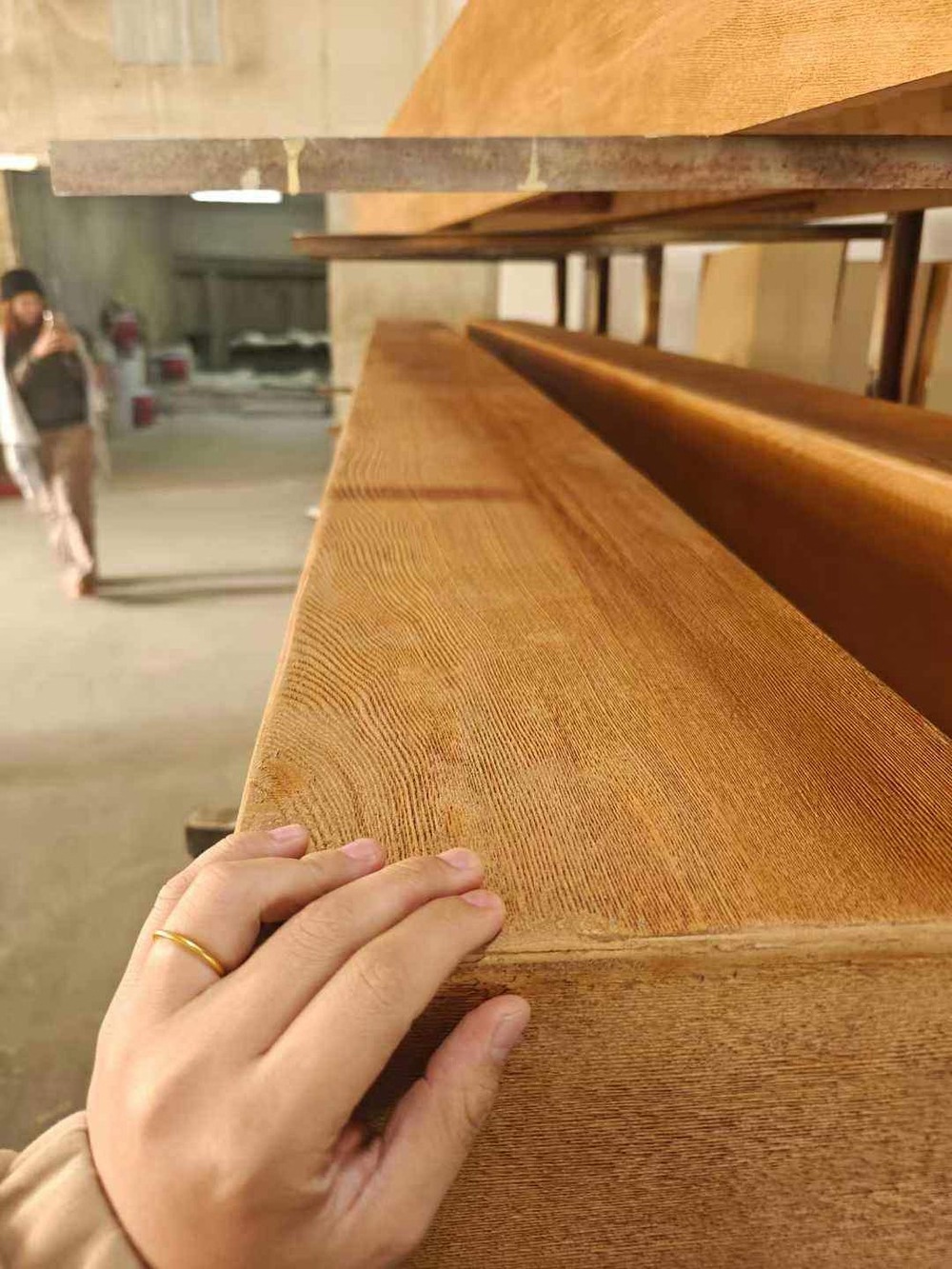
Outdoor living spaces have become essential features of contemporary homes, with covered patios, screened porches, and outdoor rooms extending living areas into gardens and landscapes. These transitional spaces present unique material challenges that differ substantially from interior environments. Temperature fluctuations, humidity variation, rain exposure, and UV radiation all stress building materials in ways that interior specifications cannot anticipate.
Traditional wood beams, even pressure-treated options, often struggle with the demanding conditions of covered outdoor applications. Moisture accumulation promotes fungal growth, temperature cycling causes expansion and contraction stresses, and UV exposure gradually degrades surface finishes. Homeowners who have invested in genuine timber for outdoor ceilings frequently discover premature deterioration that diminishes both appearance and structural integrity.
Outdoor-grade polyurethane faux wood beams address these challenges through material formulations specifically engineered for exterior exposure. Understanding how these specialized products perform in demanding outdoor conditions helps homeowners and designers specify appropriate solutions for covered patio, porch, and outdoor room installations.
Engineering for Exterior Performance
Outdoor-grade polyurethane differs from interior formulations through additives and processing modifications that enhance weather resistance. UV inhibitors are incorporated throughout the material matrix rather than applied as surface treatments, providing protection that persists even if surface damage occurs. This integrated approach differs fundamentally from surface coatings that can scratch, chip, or wear away over time.
Impact modifiers improve flexibility and resistance to thermal cycling stress. Exterior applications experience temperature swings that cause materials to expand and contract repeatedly. Formulations optimized for outdoor use maintain structural integrity through these cycles without cracking, splitting, or delaminating in ways that compromise appearance or performance.
Moisture resistance in outdoor-grade formulations extends beyond basic hydrophobic properties. Anti-fungal additives provide active protection against the biological threats that cause mold, mildew, and wood-decay fungi. While no material is completely immune to biological colonization under extreme conditions, outdoor-grade polyurethane creates an environment that actively resists fungal establishment and growth.
Moisture Management in Covered Spaces
Covered outdoor spaces present particularly challenging moisture conditions. While roofing provides protection from direct rainfall, wind-driven moisture, humidity, and condensation all contribute to elevated moisture levels that can exceed interior conditions. The lack of climate control means that temperature and humidity fluctuate with outdoor conditions, creating cycles of wet and dry that promote biological growth on susceptible surfaces.

Polyurethane's fundamental resistance to moisture absorption addresses this challenge directly. Unlike wood, which absorbs and releases moisture continuously, polyurethane remains dimensionally stable regardless of atmospheric conditions. This stability eliminates the swelling, warping, and cracking that damage genuine timber in similar environments.
Proper installation techniques enhance moisture management further. Ensuring adequate clearance between beam ends and masonry or other porous substrates prevents moisture wicking into adjacent materials.Ventilated installations that allow air circulation around beams accelerate drying when moisture does contact surfaces, maintaining conditions inhospitable to fungal growth.
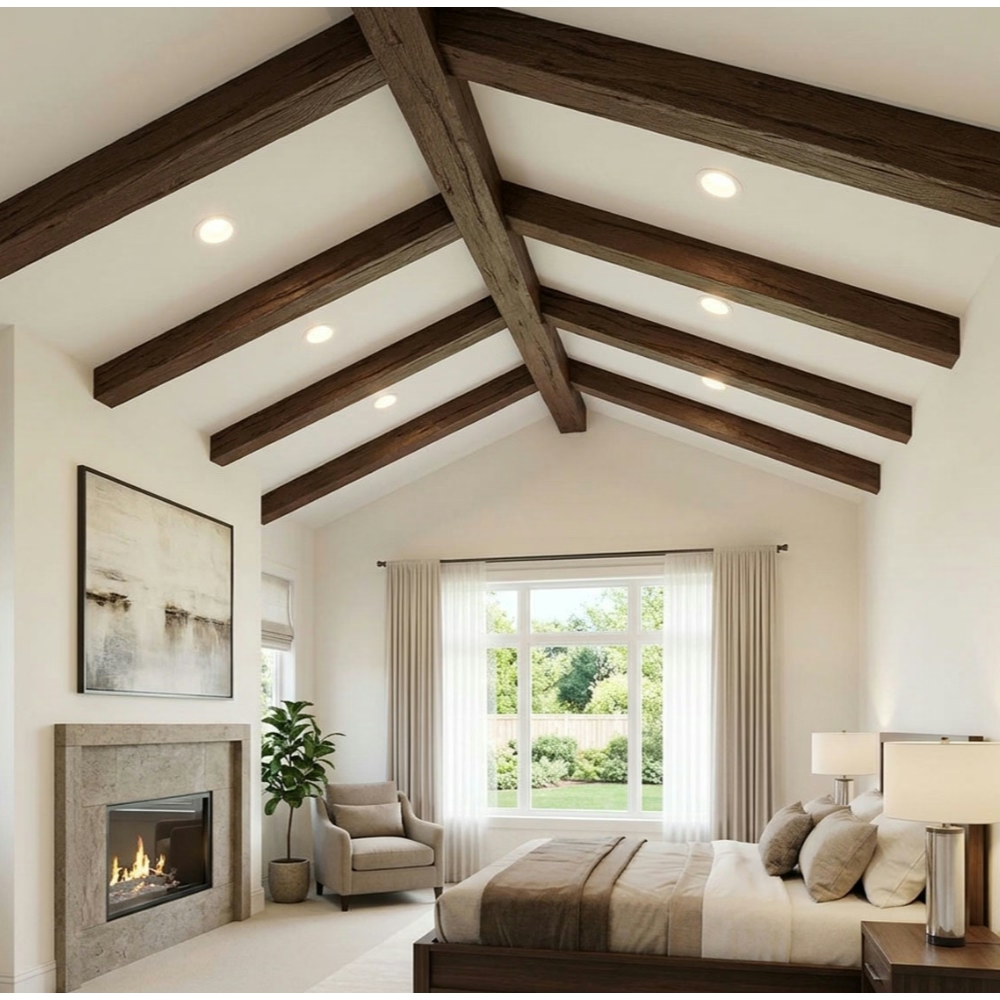
UV Resistance and Surface Stability
Ultraviolet radiation represents a significant degradation threat for many polymers, causing surface chalking, color fading, and embrittlement over extended exposure periods. Outdoor-grade polyurethane formulations incorporate UV-stable pigments and protective additives that resist these effects, maintaining surface integrity and appearance through years of sun exposure.
Accelerated weathering tests simulate extended outdoor exposure in compressed timeframes, allowing manufacturers to evaluate formulations before releasing products to market. Beams that pass these tests with minimal degradation demonstrate the UV resistance that exterior applications require. Product documentation should reference such testing to support performance claims.
Surface finish selection influences long-term UV performance significantly. Lighter finishes reflect more solar radiation than dark alternatives, reducing surface temperature and thermal stress. Semi-gloss or satin finishes typically outperform flat finishes in demanding outdoor applications, maintaining appearance longer while resisting dirt accumulation and biological colonization.
Installation Considerations for Exterior Applications
Successful outdoor beam installation requires attention to factors that interior applications can ignore. Structural mounting must account for wind loads that interior ceilings never experience. Even covered spaces experience air movement that creates uplift forces on ceiling-mounted elements. Proper fastening with hardware rated for exterior exposure ensures that installations remain secure through storms and high-wind events.
Finish selection for exterior applications should prioritize UV-stable products regardless of the substrate beam material. Premium exterior-grade primers, paints, and clear coatings provide an additional protection layer that extends beam life while allowing color customization. Annual inspection and touch-up of any damaged finish areas maintains this protection over time.
Drainage and water management around outdoor beam installations prevents long-term moisture problems. Ensuring that water cannot pool on or against beams eliminates the prolonged wet conditions that might eventually compromise even highly resistant materials. Proper flashing and caulking details at beam perimeters and joints maintain weather-tightness throughout the installation.
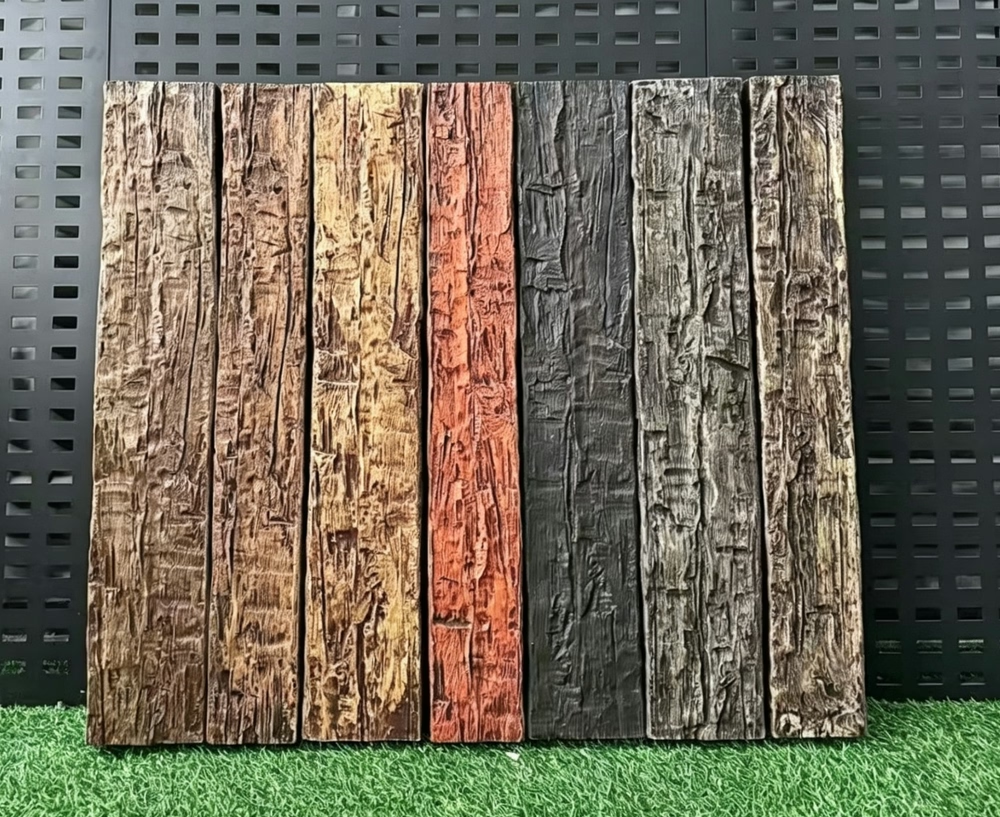
Application Scenarios and Specifications
Pool enclosures and water features create particularly demanding outdoor applications given the constant humidity and chemical exposure. Outdoor-grade polyurethane handles these conditions well when properly specified and installed. The material's resistance to chlorinated water and salt spray expands the range of appropriate applications to include poolside cabanas, beachfront patios, and waterside entertainment spaces.
Gazebos and freestanding outdoor structures benefit equally from outdoor-grade beam specifications. These installations often lack the climate buffering that covered patios attached to homes provide, experiencing more direct exposure to weather extremes. Beams specified for these applications should meet or exceed requirements for covered-but-exposed installations.
Pergolas with beam elements represent another application category where outdoor-grade formulations excel. While pergolas are intentionally open to sky, their structural elements still benefit from moisture and UV resistance that extends service life while reducing maintenance requirements. The aesthetic integration of pergola beams with adjacent solid-roof structures creates cohesive outdoor designs that perform reliably for years.
Maintenance Practices for Outdoor Beams
While outdoor-grade polyurethane requires less maintenance than genuine wood, some care extends service life and maintains appearance. Periodic washing removes accumulated dirt, pollen, and organic debris that can host biological growth. Soft brush attachment on a garden hose typically provides adequate cleaning for routine maintenance.
Inspection of mounting hardware identifies any corrosion or loosening that might compromise structural integrity. Exterior hardware experiences environmental exposure that eventually affects even corrosion-resistant products. Early identification of hardware issues allows timely replacement before failures occur.
Finish maintenance, when beams are painted or stained, maintains UV protection and appearance. Faded or chalked surfaces can be cleaned, primed, and recoated to restore original appearance. This maintenance cycle typically occurs less frequently for premium outdoor-grade products than for genuine wood alternatives, but some attention to finish condition remains appropriate.
The combination of quality material specification, proper installation, and reasonable maintenance delivers outdoor beam installations that provide years of beautiful, trouble-free service. The investment in outdoor-grade polyurethane reflects this durability, offering value that becomes increasingly apparent as years of maintenance-free performance accumulate.
Technical References
ASTM standards cited in every specification
Test Data
Lab results from internal testing program
Updated 2026
Reviewed against current product specs