The visual impact of wood in interior architecture depends fundamentally on surface texture. Grain patterns, growth rings, subtle variations in density, and the gentle irregularities that time introduces all contribute to the characteristic warmth that makes wood so visually appealing. For centuries, architects and craftsmen accepted these textures as inseparable from wood itself, assuming that any alternative material would inevitably appear artificial upon close inspection.
Advances in manufacturing technology have fundamentally challenged that assumption. Modern molded polyurethane beams achieve texture simulation so convincing that distinguishing them from genuine timber often requires touching the surface or examining installation details that reveal the material's true nature. Understanding how this remarkable fidelity is achieved illuminates both the sophistication of contemporary manufacturing and the genuine value that authentic texture simulation provides.
Capturing Natural Imperfection
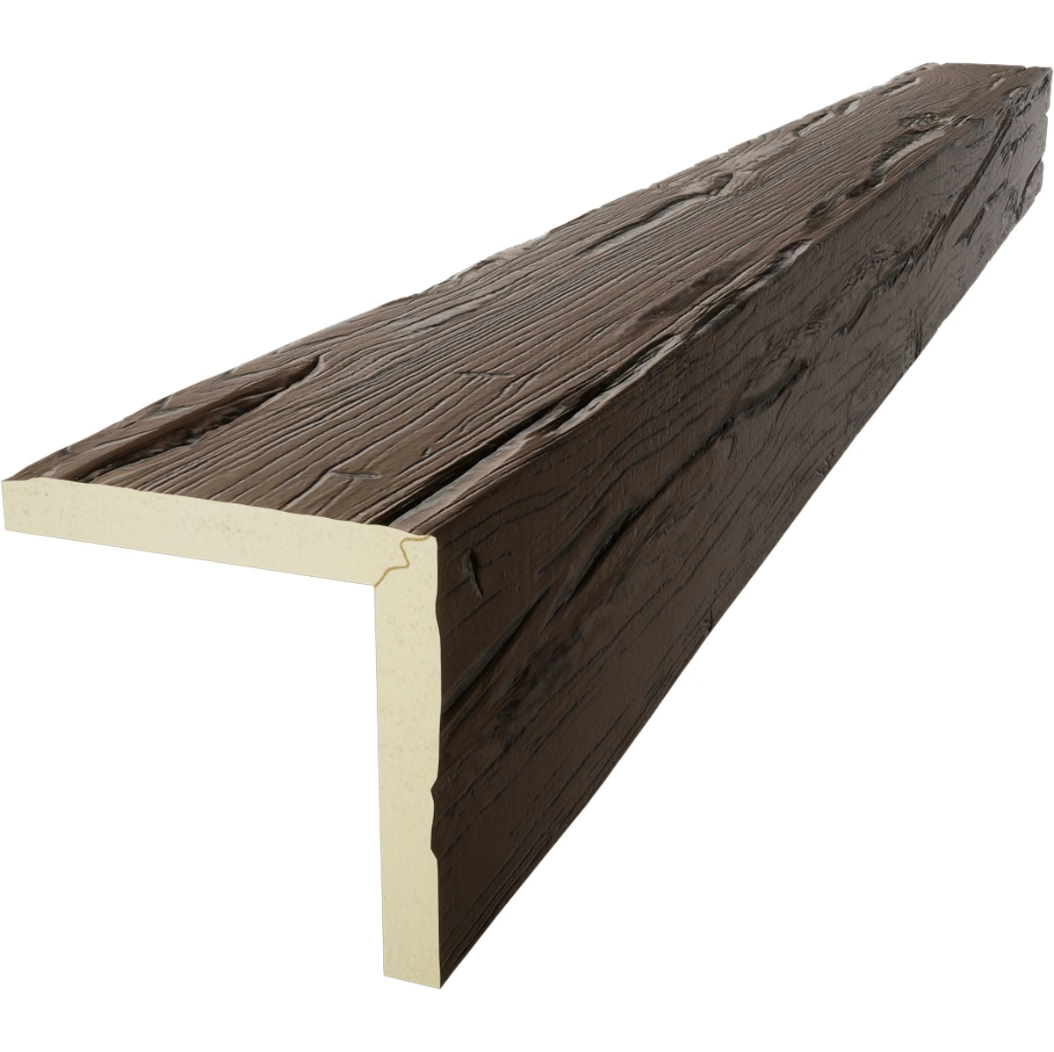
The most convincing faux wood surfaces do not present idealized perfection. Real timber bears the marks of its organic origins—small knots where branches once grew, subtle color variations between earlywood and latewood, fine cracks that develop as logs dry, and the gentle undulations that characterize natural grain lines. Capturing these imperfections authentically requires a manufacturing approach that treats them as essential rather than flaws to be eliminated.
Master pattern creation begins with careful selection of representative wood samples. Craftsmen examine dozens of potential templates, evaluating grain character, figuring patterns, and assessing the overall balance of figure and background that creates visual interest. The selected sample becomes the reference from which production molds are eventually derived, making this initial choice one of the most consequential decisions in the manufacturing process.
Surface replication technology has advanced significantly in recent years. High-resolution scanning captures grain details at microscopic levels, while improved molding compounds preserve those details through the casting process. The result is a polyurethane replica that retains not only visible grain patterns but also the subtle tactile qualities that fingers instinctively seek when evaluating wood surfaces.
The Role of Color Graduation
Texture encompasses more than surface relief. Authentic wood appearance depends equally on color graduation—the subtle transitions between light and dark that give grain lines their visual depth. A beam with perfect surface texture but flat, uniform coloring will appear artificial regardless of how precisely the relief patterns match natural wood.
Molded polyurethane manufacturers address color complexity through various techniques. Premium products often incorporate multiple color layers within the casting process itself, with darker tones concentrated in recesses and lighter tones on raised surfaces. This approach mimics how natural wood's cellular structure absorbs and reflects light, creating the dimensional quality that distinguishes genuine timber from painted reproductions.
Post-casting finishing processes add additional color complexity. Skilled craftsmen apply toners, glazes, and highlighting layers that enhance grain visibility while maintaining natural appearance. These artisanal finishing techniques require significant expertise and contribute meaningfully to final product quality. The difference between premium finished beams and budget alternatives often lies more in finishing technique than in base material or surface texturing.

Grain Consistency Versus Natural Variation
One of the fascinating tensions in authentic wood simulation involves the balance between consistency and variation. Natural timber displays different grain patterns along its length and across its width, creating visual interest through subtle changes that reward close examination. However, excessive variation in manufactured products can appear chaotic rather than natural.
Successful faux wood beams achieve what designers call "controlled randomness"—the appearance of natural variation while maintaining enough consistency that patterns feel cohesive rather than arbitrary. This balance typically requires careful mold design that captures characteristic wood patterns without including distracting anomalies that would never appear in timber intended for architectural use.
Some applications benefit from deliberately consistent grain patterns. Commercial installations requiring identical beams across large areas need visual uniformity that natural wood cannot provide. Molded polyurethane accommodates these requirements by producing successive casts from the same master, ensuring that every beam in an order matches precisely. This capability expands the range of design possibilities available to architects and interior designers.
Tactile Authentication
Visual texture simulation has advanced to the point where photographs often cannot distinguish molded polyurethane from genuine wood. However, the tactile experience remains a differentiator that designers should consider when specifying products for installations where occupants will interact with the beams directly.
Quality manufacturers attend carefully to surface characteristics that affect touch. The slight roughness that characterizes natural wood grain transfers effectively into polyurethane molds, creating surfaces that feel similar to genuine timber when stroked. This tactile authenticity adds significantly to the convincing quality of premium faux wood installations.
Installations in hospitality environments, residential feature areas, and commercial spaces where occupants have close access to architectural elements benefit particularly from attention to tactile quality. The combination of visual and tactile authenticity creates an immersive experience that fully satisfies the design intent, while beams that look perfect but feel obviously artificial diminish overall impression quality.
Environmental Factors Affecting Texture Perception
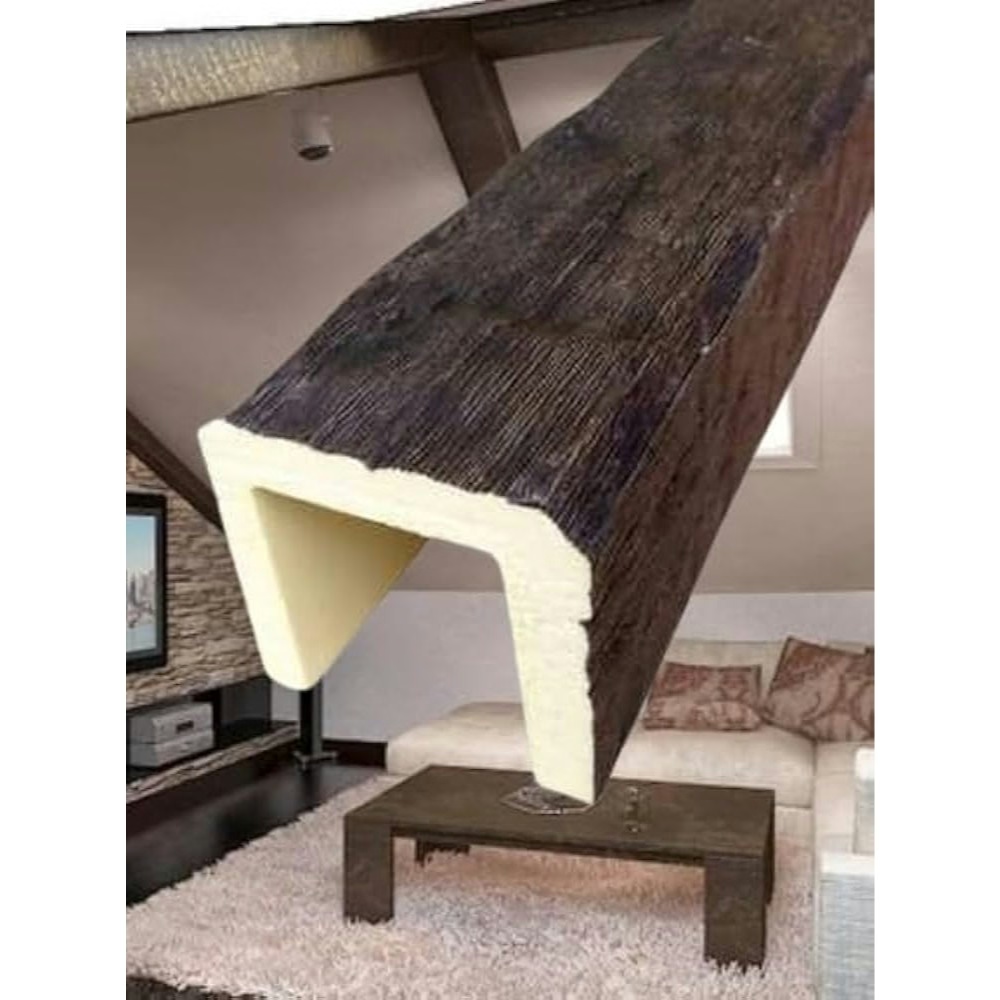
Lighting conditions significantly influence how surface textures are perceived. Direct sunlight reveals every surface detail with unflinching clarity, while indirect ambient lighting softens textures and can make subtle details less visible. Designers specifying faux wood beams should evaluate products under lighting conditions similar to those in the final installation.
In museum and gallery contexts where lighting is carefully controlled, texture details become particularly important. Curators understand that the wrong light can make even genuine antique wood appear flat and uninteresting. The same principles apply to faux wood installations—attention to lighting design ensures that the texture investment delivers maximum visual return.
Maintenance and cleaning practices affect long-term texture perception as well. Accumulated dust preferentially collects in low areas of textured surfaces, gradually emphasizing relief patterns while dulling highlights. Periodic cleaning restores original texture clarity, maintaining the authentic appearance that initial installation provided. Unlike genuine wood, which may require refinishing to address accumulated wear, polyurethane beams respond well to careful cleaning that preserves surface integrity.
Evaluating Texture Quality
Architects and designers evaluating faux wood beam options benefit from examining products through systematic assessment criteria. Visual evaluation should consider grain pattern interest, color graduation sophistication, and overall naturalness when viewed at typical occupant distances. Close inspection should reveal no obvious mold lines, seam marks, or surface inconsistencies that would indicate manufacturing shortcuts.
Tactile evaluation provides essential additional information. Running fingers across the beam surface reveals whether relief patterns feel appropriate and whether the overall texture invites touch rather than discouraging it. Surfaces that feel plasticky or overly smooth fail the tactile authenticity test regardless of visual quality.
Documented performance under various conditions offers additional evaluation criteria. Quality manufacturers provide information about how their products perform in humid environments, under direct sunlight exposure, and following extended use. Products that maintain texture quality over time represent better value than alternatives that show premature wear or surface degradation.
The investment in thorough evaluation pays dividends through installations that satisfy occupants while minimizing future maintenance requirements. Texture authenticity, properly specified and installed, provides lasting value that justifies the additional attention to quality during the selection process.
Technical References
ASTM standards cited in every specification
Test Data
Lab results from internal testing program
Updated 2026
Reviewed against current product specs


