One of the subtle characteristics that distinguishes authentic wood from artificial imitations is natural variation. No two pieces of genuine timber display identical grain patterns, color graduation, or surface character. This variation creates visual interest that rewards close attention while preventing the repetitive appearance that quickly identifies mass-produced alternatives as artificial.
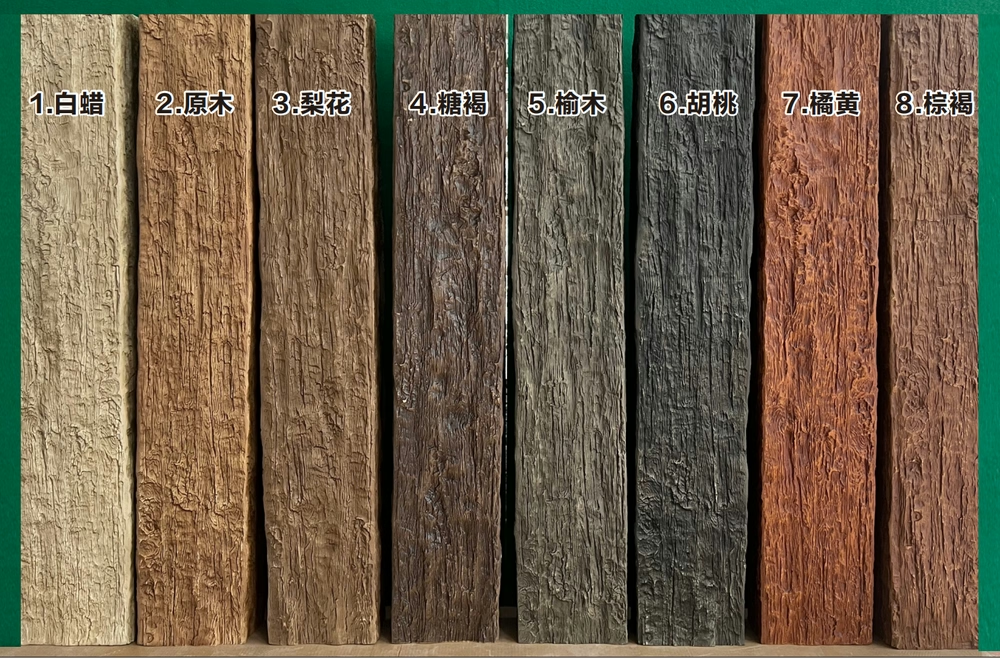
Achieving similar natural variation in faux wood beams presents manufacturing challenges that premium producers have addressed through sophisticated techniques. Multi mixed grain textures represent one approach to this challenge, creating beam collections where individual pieces display meaningfully different characteristics while maintaining overall aesthetic cohesion. Understanding how these products work helps designers and homeowners achieve authentic wood appearance without the practical drawbacks of genuine timber.
The Challenge of Authentic Variation
Natural wood variation arises from countless factors that influence tree growth—soil composition, climate conditions, genetic variation, competition from neighboring plants, and random environmental events all leave marks on resulting timber. This complexity cannot be fully replicated, but effective simulation captures enough variation to satisfy discerning observers.
Mass production typically追求 consistency, producing identical pieces that eliminate the natural variation that characterizes genuine materials. This consistency serves some applications well—commercial projects often require matching elements that natural wood cannot provide. However, for residential installations where authenticity is paramount, manufactured consistency reads as artificiality.
The solution involves intentional variation built into production processes. Rather than replicating a single pattern across all output, multi mixed grain techniques introduce controlled variation that mimics natural diversity while maintaining sufficient consistency for cohesive appearance.
Production Approaches to Variation
Manufacturers employ various techniques to introduce grain variation into polyurethane beam production. Understanding these approaches helps purchasers evaluate products and select options that meet their authenticity requirements.
Multi-pattern mold systems use multiple master patterns to create varied mold sets. Individual beams produced from different molds display different grain characteristics, with variation as great as the differences between the original patterns. Purchasing from mixed sets rather than matched beams ensures variation in final installations.
Within-mold variation techniques create individual molds that produce varied results within single pattern use. Complex mold surfaces, strategic undercuts, and deliberate pattern positioning all contribute to surface variation that emerges during normal production. This approach achieves variation without inventory complexity.

Digital printing technologies enable unprecedented variation control. Computer-generated grain patterns can produce infinite variations within consistent aesthetic frameworks, creating beam collections that appear natural while remaining precisely engineered. This approach accommodates exact customization while maintaining cohesive family characteristics.
Strategic Variation in Installation
Installing varied grain beams effectively requires understanding how visual relationships work in ceiling contexts. Random arrangement typically produces more natural results than pattern-based installation, but some strategic thinking improves outcomes.
Beginning at focal points—usually room centers or positions above primary furniture arrangements—establishes visual anchors that subsequent beams relate to. Visible focal point beams should display grain characteristics that read well under primary viewing conditions. Less prominent positions accommodate more subtle grain patterns that might disappear in peripheral vision.
Viewing distance affects grain perception significantly. Beams viewed from across large rooms need less detailed variation than those examined from nearby. Scaling variation intensity to viewing conditions ensures that grain characteristics contribute appropriately at different distances.
Variation and Cohesion Balance
The goal of natural variation is achieving authentic appearance without creating visual chaos. Successful installations find balance between diversity that feels natural and consistency that maintains design coherence.
Cohesive variation shares common elements across all pieces despite surface differences. Consistent finish coloration, similar relief depth, and family-resonant grain character all contribute to cohesion that allows variation without confusion. When beams share these underlying similarities, surface differences enhance rather than disrupt overall impression.
Random variation works better than patterned arrangement for most installations. Human eyes quickly detect deliberate repetition, and even well-intentioned rotation schemes often produce visible patterns. Throwing beam selection randomly during unpacking introduces the unconscious variation patterns that natural wood displays.
The number of different grain patterns in a set affects perceived authenticity. Too few variations create obvious repetition; too many create confusion. Sets with three to five meaningfully distinct patterns typically achieve optimal balance for residential room-scale installations.
Scale Considerations
Room and ceiling scale influence appropriate variation intensity. Large spaces with high ceilings can support more dramatic grain variation because individual details remain visible only at closer distances. Smaller rooms viewed more uniformly benefit from more subtle variation that maintains interest without distraction.
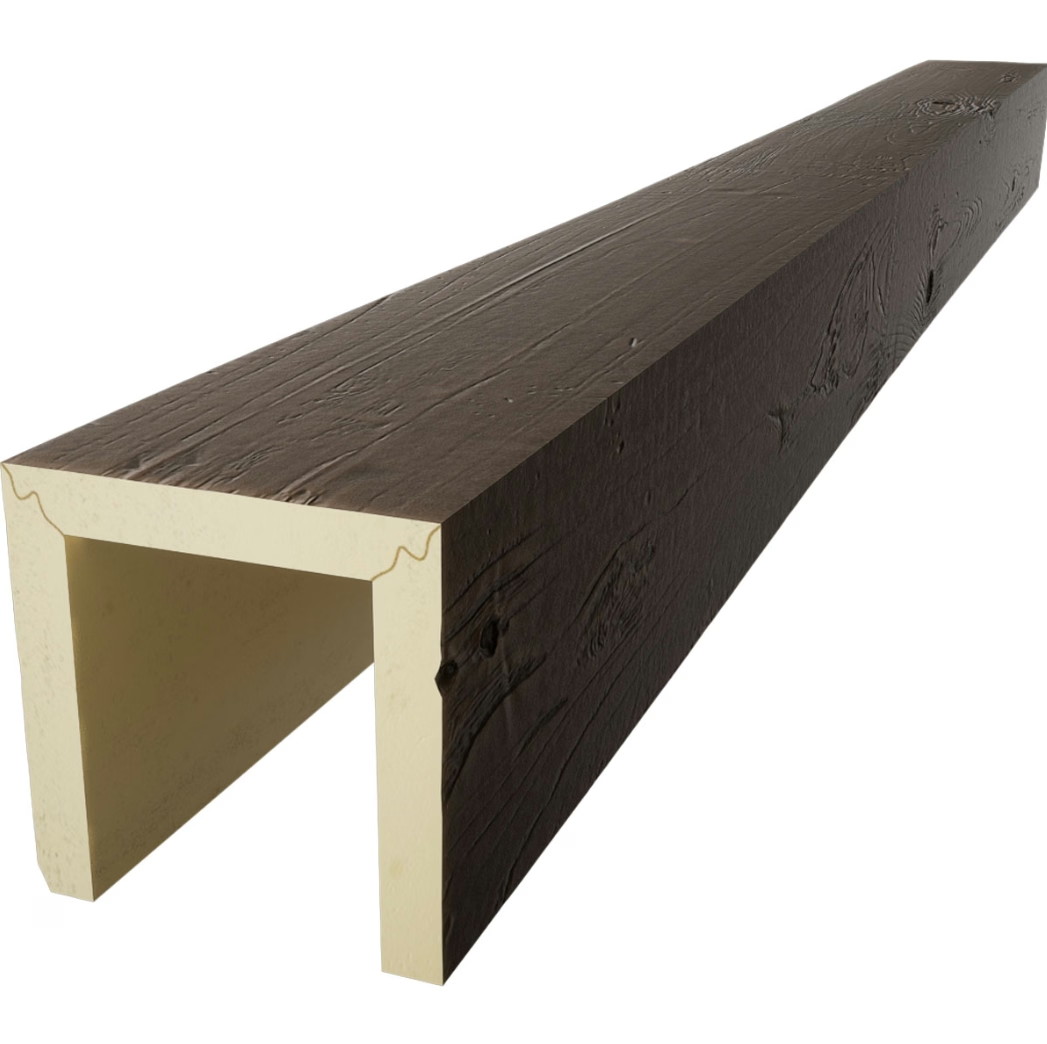
Beam dimensions affect how grain variation presents. Wider beams display more grain surface area, allowing more pronounced variation between pieces. Narrow beams may not show sufficient pattern difference for variation to register meaningfully. Matching variation intensity to beam dimensions ensures that intended effects actually occur.
Open plan spaces present particular challenges when variation must coordinate across multiple functional zones. Consistency within zones while varying between zones often produces better results than attempting uniform variation throughout. This approach respects how occupants experience spaces—as sequences of distinct areas rather than undifferentiated volumes.
Maintenance Considerations
Varied grain surfaces may require slightly different maintenance approaches than uniform surfaces. Understanding these considerations helps maintain authentic appearance over time.
Dust accumulation emphasizes texture differences, which can enhance or detract from intended effect depending on how variation was designed. Regular cleaning maintains intended appearance by preventing buildup that might exaggerate or diminish grain contrast unexpectedly.
Cleaning approach should match surface treatment. Textured surfaces may require soft brush attachment rather than cloth wiping to reach into relief areas. Checking manufacturer cleaning recommendations prevents damage that might occur from inappropriate methods.
Finish touch-up on varied grain surfaces requires attention to pattern matching. Scratches or worn areas that require refinishing should receive treatment that complements rather than disrupts surrounding grain character. Custom finishing may be necessary for significant repairs on varied grain products.
Technical References
ASTM standards cited in every specification
Test Data
Lab results from internal testing program
Updated 2026
Reviewed against current product specs


