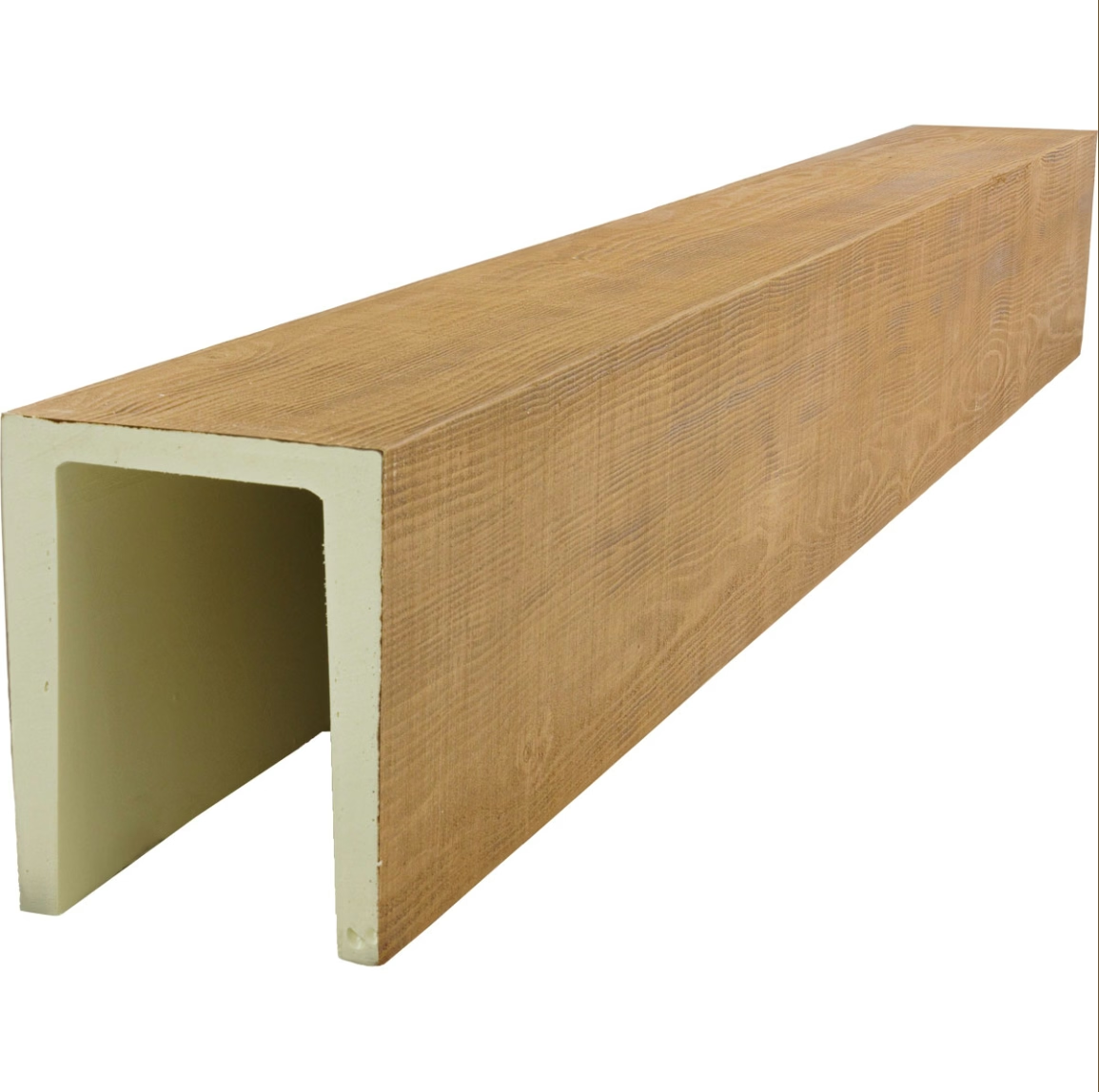
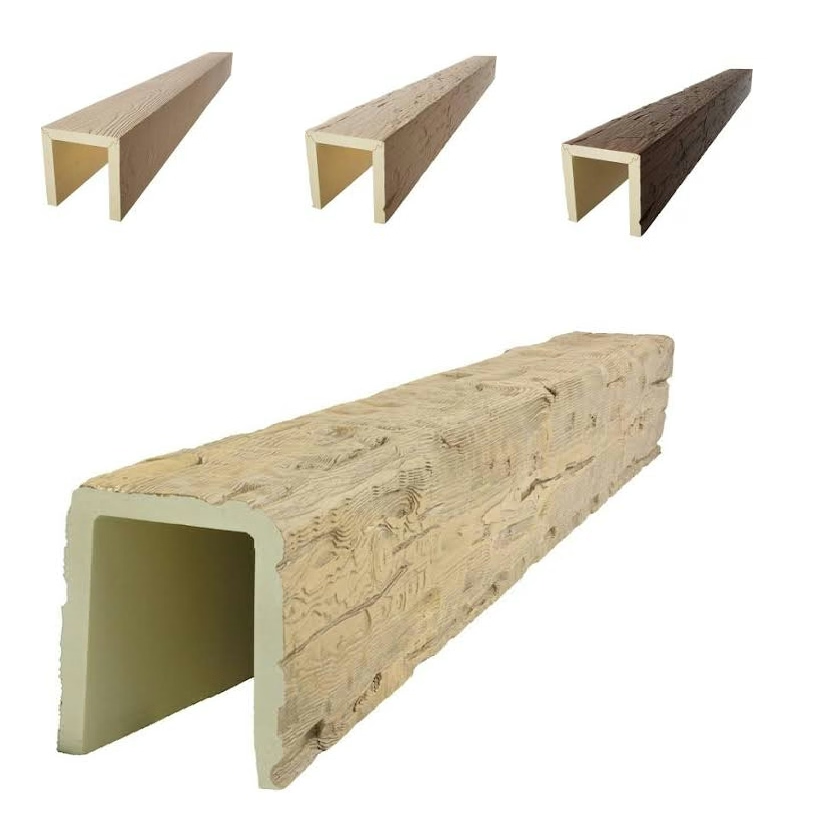
The desire to incorporate natural wood aesthetics into interior spaces conflicts sometimes with the practical realities of working with genuine timber. Solid wood beams impose significant structural requirements on buildings, demand specialized handling during installation, and require ongoing maintenance to preserve their appearance against the effects of time and environmental exposure. Natural embossed surface faux timber beams resolve this tension elegantly, delivering the authentic feel of real wood through sophisticated manufacturing techniques that capture the essential characteristics of natural timber while eliminating most of the associated drawbacks.

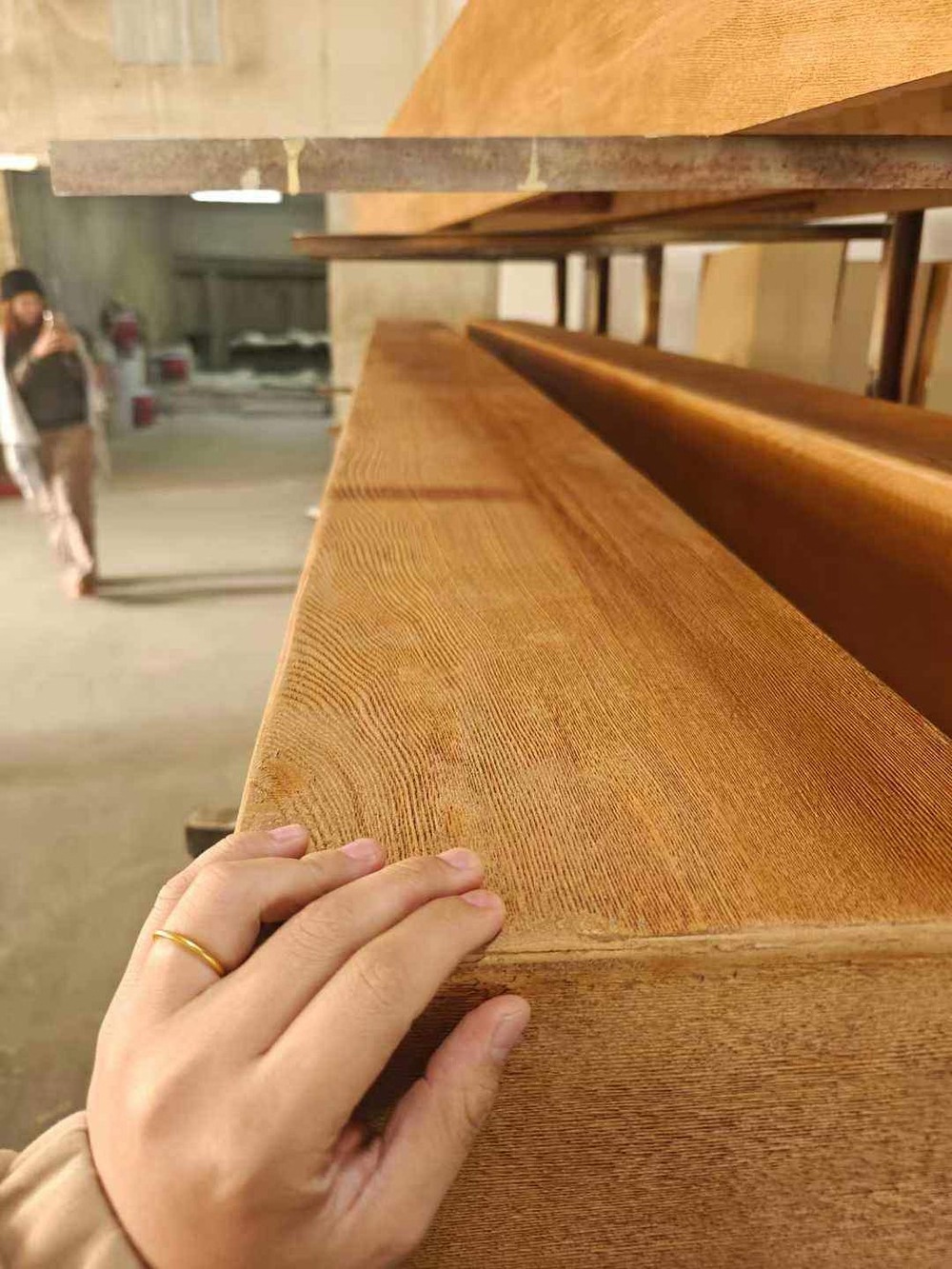
What makes embossed surfaces so effective at creating authentic wood feel lies in the interaction between visual and tactile perception. Our brains process visual information together with touch sensations, and when both reinforce the same message—that we're looking at natural wood—the perception becomes remarkably convincing. An embossed surface that looks like weathered barn wood but feels smooth and manufactured triggers cognitive dissonance that undermines the design intent. By contrast, a properly embossed surface that looks and feels consistent creates an experience indistinguishable from genuine timber in casual observation.
The Technology of Realistic Wood Embossing
Modern wood embossing technology builds on decades of manufacturing refinement. The process typically begins with authentic wood samples chosen for their exceptional grain character and textural interest. These samples undergo detailed scanning and measurement, capturing not just the overall pattern but the subtle variations in depth, width, and definition that distinguish one wood species from another. This data informs the creation of production tooling capable of reproducing these characteristics at scale.
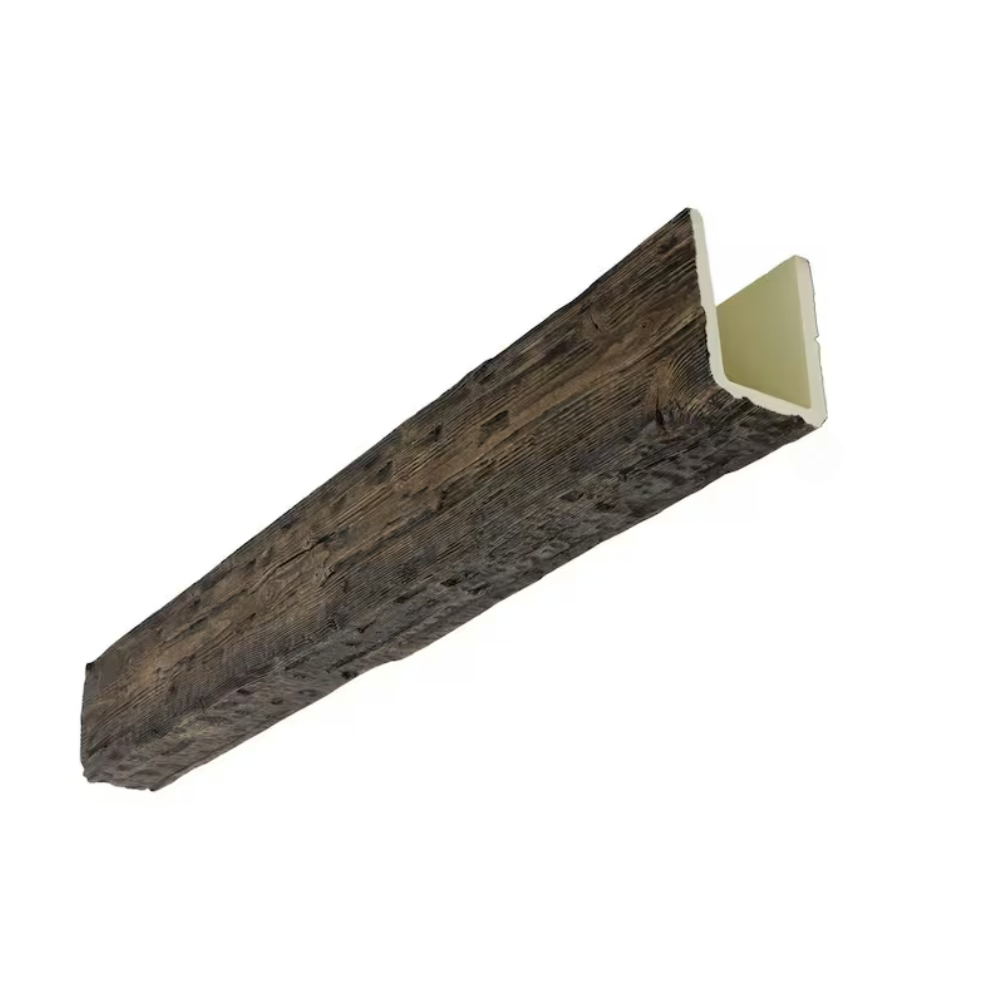
The embossing process itself occurs during beam production, with surface texture impressed into polyurethane while it remains in a workable state. The depth of embossing determines both the authenticity and the practical performance of the finished product. Shallow embossing captures visual detail but provides minimal tactile interest, while excessively deep embossing can compromise surface durability and create cleaning difficulties. Premium products achieve balance through careful calibration of embossing depth to match the characteristics of specific wood types.
Surface finish application follows embossing, with careful color layering that enhances the dimensional quality of the texture. Multiple thin layers of finish build depth, with darker tones recessed into embossed valleys and lighter highlights concentrated on raised ridges. This treatment mimics the way light interacts with genuine wood surfaces, creating the subtle play of shadow and reflection that distinguishes authentic timber from flat color applications.
Why Authentic Feel Matters in Design
The human response to authentic materials operates largely below conscious awareness. When we encounter genuine wood—running our fingers along the grain, noticing how light plays across the surface, feeling the slight irregularities that natural growth produces—our brains register authenticity through accumulated experience. Conversely, when we encounter convincing imitations, our perception systems often cannot distinguish them from genuine materials without close inspection.
This perceptive reality has practical implications for interior design. Spaces incorporating authentic-feeling materials create environments that feel genuine and trustworthy, contributing to occupant comfort and satisfaction. The effort and expense required to achieve this authenticity rewards designers and homeowners who invest in quality materials, as the resulting spaces maintain their appeal over time without the disappointment that inevitably accompanies obviously artificial alternatives.
The trend toward authenticity in interior design reflects broader cultural values around craftsmanship and material honesty. Contemporary design philosophy often favors materials that reveal their true nature rather than attempting to disguise their composition. Faux timber beams that honestly acknowledge their manufactured nature while still delivering authentic wood aesthetics fit naturally within this design framework, offering honest alternatives to genuine timber rather than deceptive imitations.
Applications Across Interior Design Styles
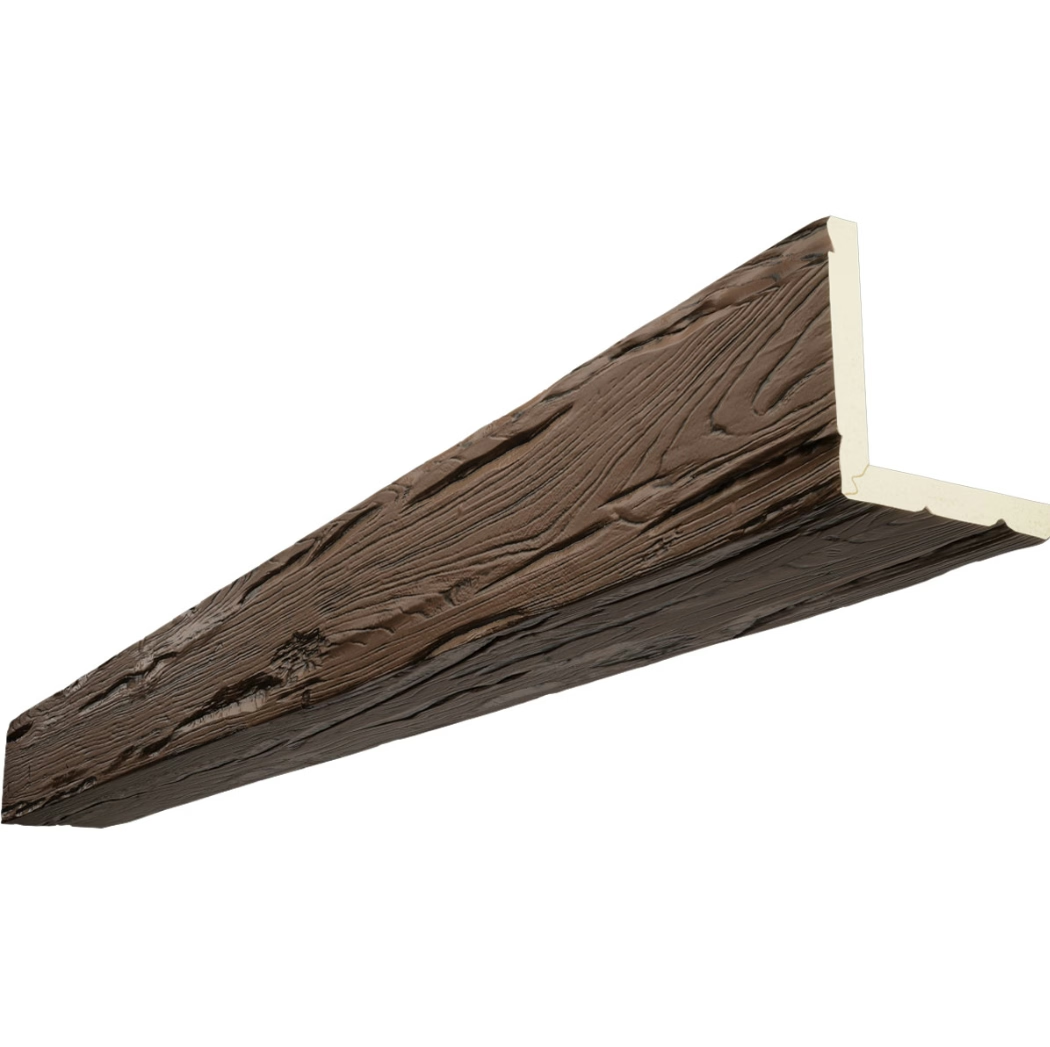
Rustic and farmhouse interiors provide natural applications for embossed faux timber beams. These design styles celebrate the imperfect, weathered character of old wood, and embossed surfaces that capture knots, grain variation, and surface weathering integrate seamlessly with other rustic elements. Exposed brick, stone fireplaces, and reclaimed furniture find sympathetic companions in beams that share their aesthetic heritage.
Contemporary and transitional spaces benefit from embossed beams in different ways. Modern interiors often feature clean lines and minimal ornamentation, but the warmth of wood remains desirable even in contemporary contexts. Embossed beams in less rustic profiles—subtle grain patterns, minimal weathering, refined coloring—provide the warmth of wood without disrupting the clean aesthetic that contemporary design requires.
Industrial-influenced interiors embrace the combination of manufactured precision and organic texture that embossed beams provide. Exposed concrete, metal fixtures, and concrete flooring combine effectively with wood-textured beams overhead, with the natural texture softening industrial harshness while maintaining the design vocabulary of the overall space. This combination appears frequently in urban loft conversions and modern commercial spaces.
The Practical Advantages of Embossed Faux Timber
Weight reduction represents the most immediately practical advantage of embossed faux timber compared to solid wood alternatives. A typical solid timber beam might weigh 8-12 pounds per linear foot, requiring structural support adequate for this significant load. Embossed faux timber beams typically weigh 1-2 pounds per linear foot, a reduction that simplifies installation, reduces structural requirements, and enables ceiling applications that would be impractical with genuine timber.
Installation accessibility follows directly from weight reduction. Solid wood beams typically require multiple workers, specialized equipment, and careful planning to position safely. Embossed faux timber beams can often be installed by a single person using standard tools and techniques. This accessibility reduces labor costs significantly while expanding the range of projects where timber aesthetics become feasible.
Structural flexibility improves with reduced weight loading. In renovation projects where existing ceiling structures cannot support heavy timber, embossed faux beams enable aesthetic improvements that would otherwise require expensive structural reinforcement. This capability proves valuable in upper-floor applications, historic buildings with heritage considerations, and lightweight construction types like manufactured homes or timber-frame structures with calculated load limits.

Maintaining Authentic Appearance Over Time
The durability of embossed polyurethane surfaces ensures that authentic appearance persists throughout the product lifespan. Unlike real wood that fades, stains, and weathers unpredictably, embossed faux timber maintains consistent appearance with minimal maintenance intervention. This stability proves particularly valuable in commercial applications where appearance consistency supports brand identity and customer expectations.
Cleaning protocols for embossed surfaces acknowledge the textured nature of the material. Dust accumulates in embossed recesses and becomes more visible than on smooth surfaces, making regular dusting an important maintenance practice. A soft brush attachment on a vacuum cleaner effectively removes loose debris, while occasional cleaning with a damp cloth restores original appearance after more significant soiling.
Impact resistance protects embossed surfaces against the minor collisions that occur in everyday use. While severe impacts might damage any surface material, the resilience of polyurethane absorbs moderate impacts without visible damage. This characteristic proves valuable in family homes with active children, commercial spaces with frequent furniture movement, and any environment where ceiling-height items might occasionally make contact with beam surfaces.
Selecting the Right Embossing Style
Wood species selection determines the foundational character of embossed beams. Each species offers distinctive grain patterns, color ranges, and textural characteristics that suit different design applications. Oak provides strong grain definition with prominent ray patterns; maple offers subtle, consistent figure; pine delivers pronounced knot patterns and color variation. Understanding these characteristics helps designers select embossing styles that complement their overall design vision.
Weathering level describes how much age and exposure the embossed surface suggests. Minimal weathering suits contemporary interiors where fresh, clean aesthetics dominate. Moderate weathering introduces subtle variations that add interest without overwhelming modern design. Heavy weathering—deep cracks, pronounced patina, significant color variation—supports rustic and farmhouse aesthetics where aged character provides essential design impact.
Profile shape determines how beams read visually within the ceiling plane. Square profiles create clean, contemporary lines; chamfered edges introduce traditional character; decorative corbels and end treatments add architectural detail. The profile should relate logically to the embossing style—rustic weathering pairs naturally with more traditional profiles, while subtle grain embossing complements contemporary profiles.
The Investment Value of Quality Embossed Beams
Initial cost comparison between embossed faux timber and genuine alternatives typically favors the manufactured product, particularly when installation logistics and finishing requirements are factored into the calculation. Genuine timber beams require specialized finishing to achieve acceptable appearance and durability, costs that add significantly to material-only pricing comparisons.
Long-term value considerations extend the economic advantage of embossed faux timber. Maintenance costs for genuine timber include periodic refinishing, pest treatments, and repairs for moisture damage or structural issues. Embossed faux timber eliminates these ongoing expenses, with cleaning and occasional spot repair representing the complete maintenance requirement for the product's service life.
Replacement planning benefits from the consistency of manufactured products. When damage occurs or design changes require different appearances, embossed faux timber beams can be sourced to match existing products exactly. Natural timber, by contrast, changes appearance as it ages and may become unavailable in matching styles. This predictability simplifies long-term property management and supports design coherence across renovation cycles.
Technical References
ASTM standards cited in every specification
Test Data
Lab results from internal testing program
Updated 2026
Reviewed against current product specs