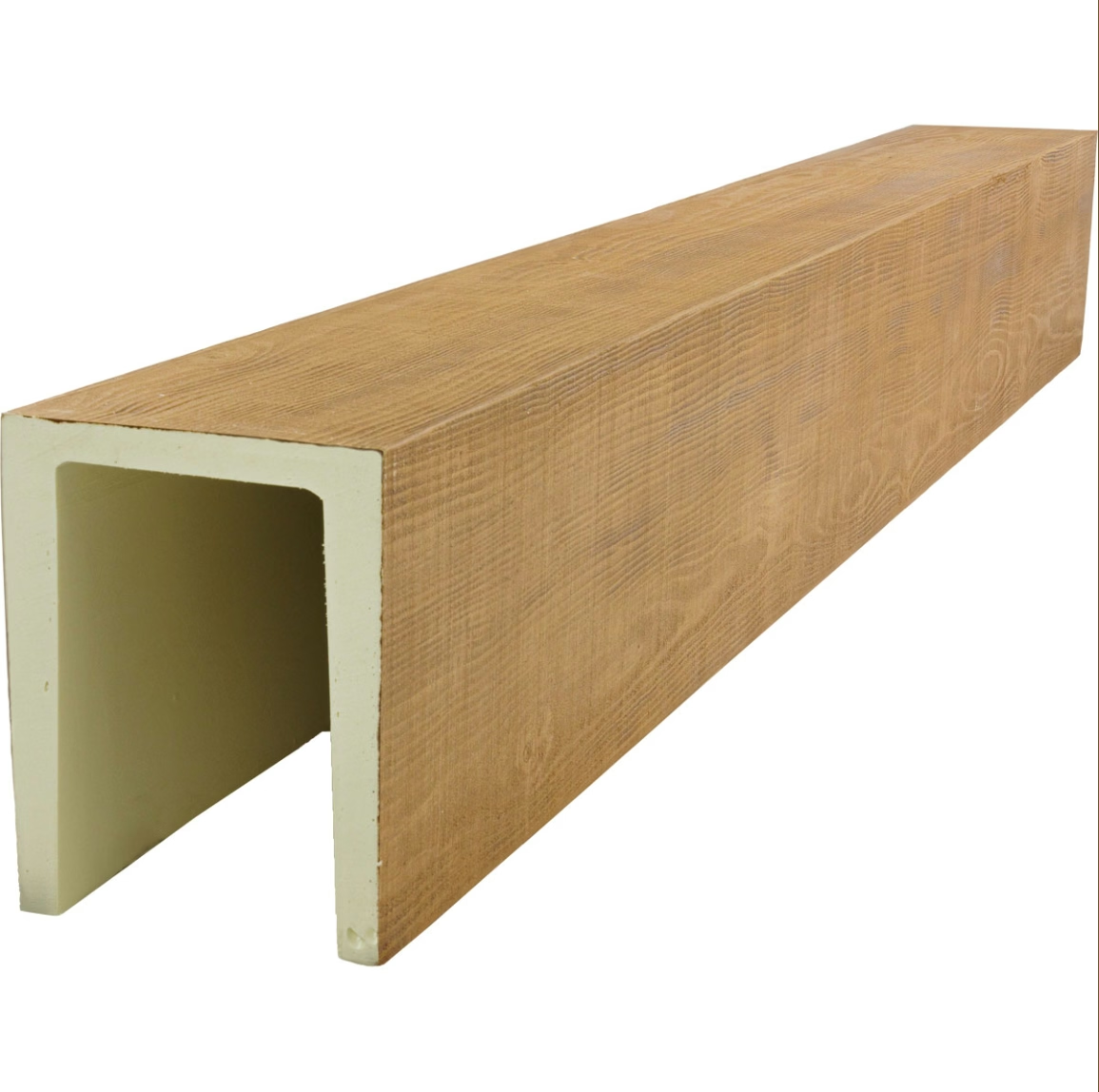
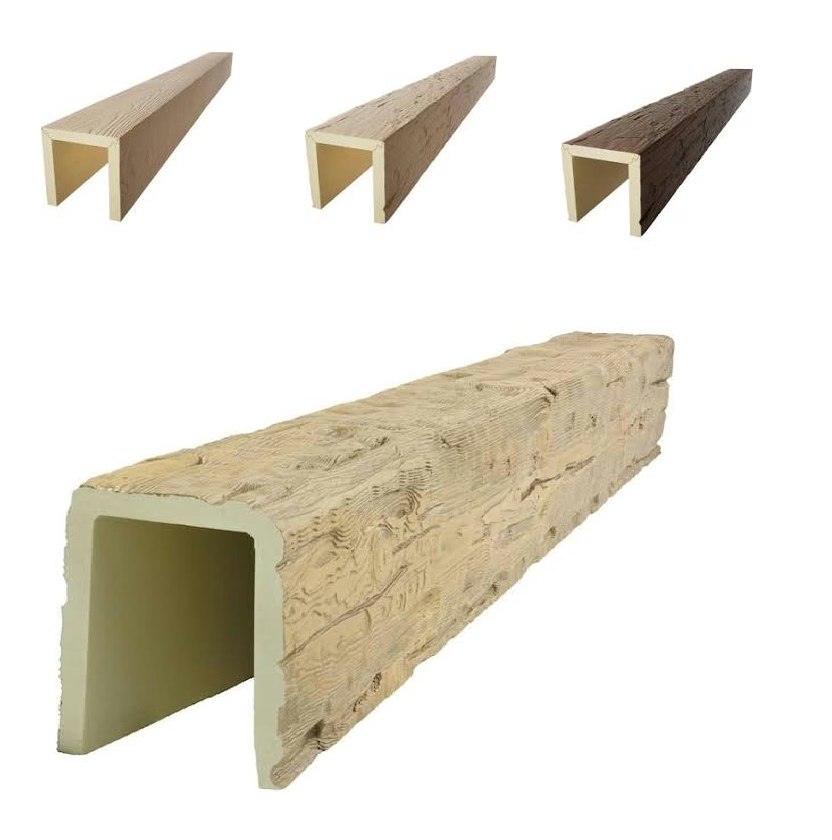
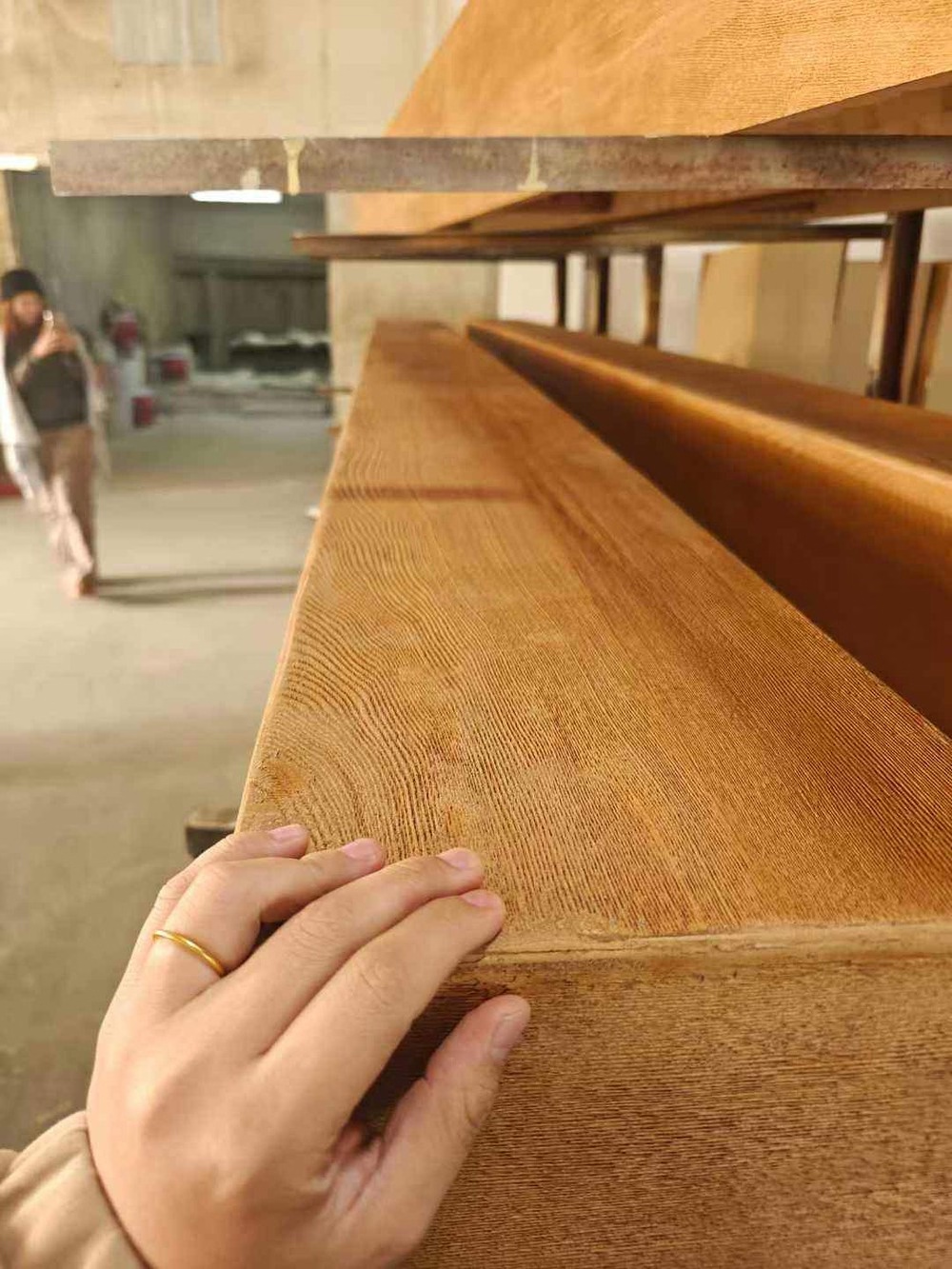
The textural complexity of real wood represents both its greatest aesthetic asset and its most challenging characteristic to reproduce convincingly. Every species carries its own specific texture signature—the size and spacing of pores, the pattern of grain lines, the frequency and character of knots, the way these elements interact across the surface of any given piece. Capturing these qualities in manufactured products requires sophisticated understanding of what makes each wood species distinctive and how to translate those organic characteristics into industrial reproduction. Natural pine wood texture PU faux beams demonstrate how far manufacturing technology has advanced in achieving this translation.
Pine wood texture encompasses several distinct visual elements that work together to create its characteristic appearance. The early wood and late wood within annual growth rings create alternating bands of lighter and darker material that produce the wood's fundamental grain pattern. Larger pores in the early wood create visible lines that run continuously along the board's length. Occasional knots interrupt this pattern with concentrated swirls of distorted grain. And the surface itself carries fine texture from the wood's cellular structure, visible when light rakes across the surface at shallow angles.
The Science of Texture Reproduction
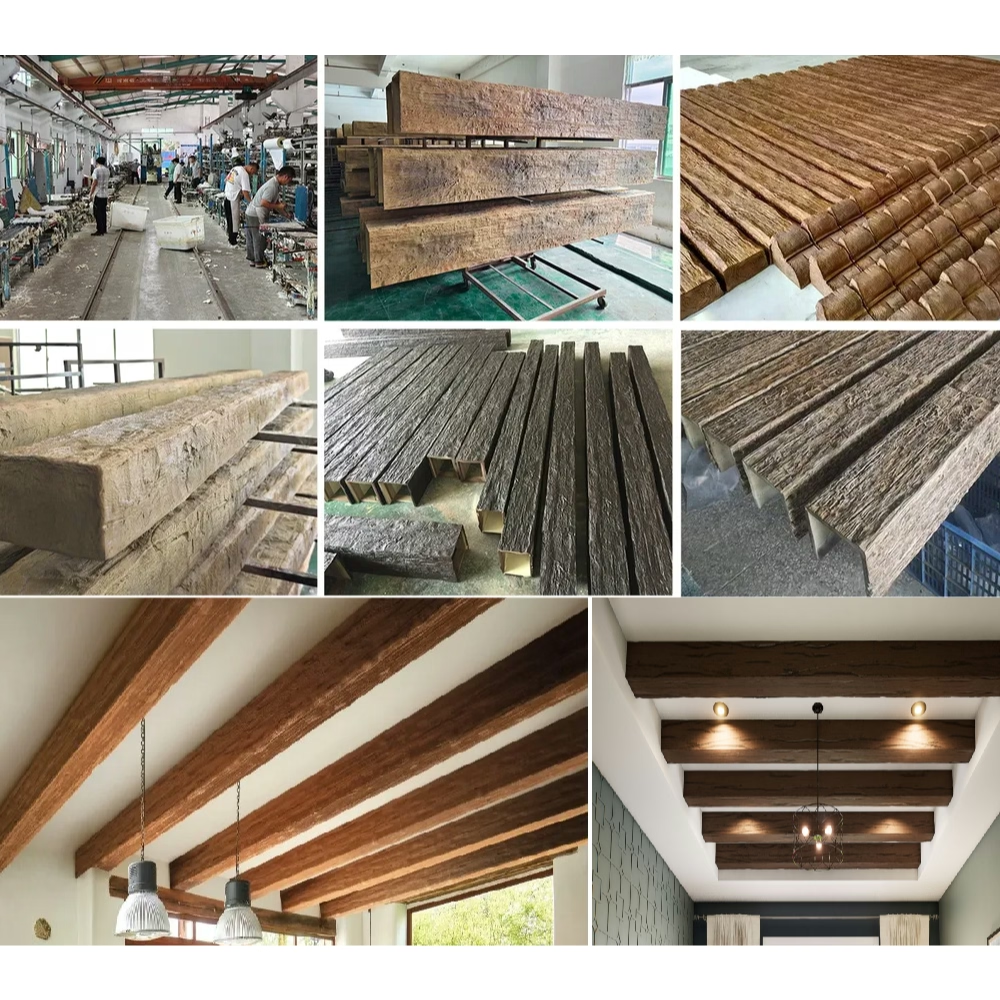
Modern PU beam manufacturing employs multiple techniques to capture pine's textural complexity. The process begins with mold creation, where actual wood samples serve as the template for production tooling. These master molds must capture not just the macro-level features—knots, major grain lines, obvious surface variations—but also the micro-level texture that distinguishes real wood from painted surfaces. The level of detail required demands high-quality silicone mold materials and careful technique throughout the molding process.
Once a suitable mold exists, production can begin, but texture reproduction doesn't end with molding. Raw polyurethane after demolding has a surface character quite different from wood—it lacks the subtle variations that make wood visually interesting. Post-molding processes address this deficiency through various techniques including surface texturing, color layering, and finishing treatments that add depth and complexity to the basic molded shape.
The color development process particularly affects texture perception. Wood color isn't uniform—it varies within individual pieces as extractives concentrate differently in different areas, as the wood oxidizes and ages, and as the angle of grain creates different reflective properties. Quality PU beams replicate this variation through multi-stage coloring that builds complexity progressively. The result appears dimensional and organic rather than uniformly painted, with variations that reward close inspection while reading correctly from normal viewing distances.
Knot Character in Pine Texture
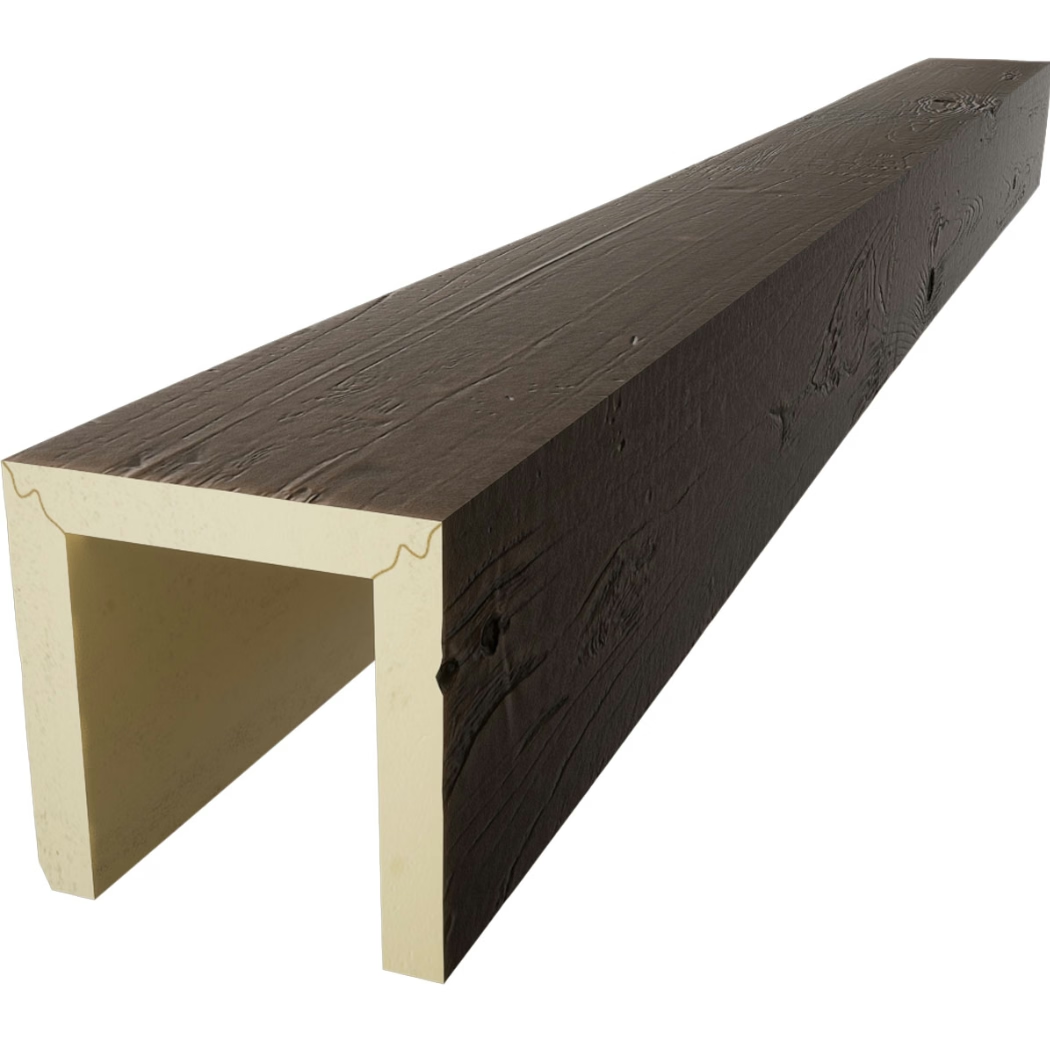
Knots represent the most distinctive visual elements in pine wood, and their convincing reproduction significantly affects whether beams read as authentic pine or obvious imitations. A knot in real pine represents a point where a branch once grew from the tree—the wood grain distorts around this feature, creating the swirled patterns that distinguish knot sections from clear wood.
Quality faux pine beams incorporate knots as designed features rather than afterthought additions. The grain pattern surrounding each knot should show appropriate distortion, with lines curving to follow the knot's contour rather than simply continuing their previous direction. The knot itself typically appears darker than surrounding wood, with concentrated color that reflects the different wood structure in this area. Surface texture around knots often differs from clear wood areas, with slight elevation changes and variations that suggest the organic disruption the knot represents.
Knot density affects beam character significantly. Dense knot patterns create rustic intensity appropriate for cabin aesthetics or deliberately primitive styling. Lighter knot frequency produces more refined appearances suitable for casual contemporary spaces. Some manufacturers offer beams with varying knot densities as separate product lines, allowing designers to specify appropriate character for each application. Others create beams with intentionally varied patterns that can be oriented to create pleasing overall arrangements.
Grain Pattern Consistency
Beyond knots, the basic grain pattern of pine contributes substantially to its character. Pine grain typically runs relatively straight, especially in boards cut from the outer portions of the log where growth rings run nearly parallel to the board face. This straightness creates the calm, orderly appearance that distinguishes pine from woods with more dramatic grain patterns like oak or walnut.
PU beams that replicate pine must balance this straightness with the subtle variations that make real wood interesting. Perfectly straight, perfectly uniform grain lines would read as mechanical rather than organic. Quality reproduction introduces gentle wave patterns, slight variations in line spacing, and subtle color gradations that suggest natural growth processes without introducing the dramatic irregularities that might dominate the appearance.
The direction of grain affects light reflection in ways that manufactured products must address. Grain lines create subtle shadows and highlights depending on viewing angle and illumination direction. Well-designed PU beams incorporate these effects through surface texturing that creates actual elevation differences corresponding to the grain pattern. Light falls across these differences, creating the interplay of shadow and highlight that makes wood surfaces visually dynamic.
Surface Finish Options
Pine wood naturally occurs with various surface finishes depending on how the timber was processed and finished. Rough-sawn pine carries the texture of saw cuts, with prominent patterns from the saw teeth and any subsequent weathering. Planed pine presents smoother surfaces where the knife cuts of the planer have created their own subtle patterns. Sanded pine achieves near-smoothness where fine abrasives have leveled minor imperfections. Each finish affects how the wood appears and feels.
PU beams typically replicate one or more of these finish states, with matte to satin surface sheens that approximate how real wood would appear after light finishing. The surface texture of the beam should correspond logically to the finish state being replicated—a beam meant to appear as finished lumber shouldn't have rough-sawn texture, while a beam meant to appear as barn wood should incorporate appropriate weathering effects.
Sheen level affects beam appearance significantly. Higher gloss levels make grain patterns more visible but can make beams appear artificial. Lower sheen levels create more subtle appearances that often read as more authentic, particularly in traditional or rustic contexts. Most residential applications favor low to medium sheen levels that balance visibility of texture with realistic appearance.
Performance Characteristics of Textured PU
The surface texture of PU beams affects practical performance beyond aesthetics. Textured surfaces hide minor damage better than smooth surfaces—a small scratch or scuff becomes less visible when it occurs in an area of already varied texture. This damage-concealing quality helps beams maintain their appearance through years of use, reducing the visible impact of the normal wear that residential surfaces encounter.
Texture also affects how beams accumulate dust and dirt. Very smooth surfaces show dust more prominently because there's nothing to break up the accumulation. Textured surfaces distribute accumulated particles across varied topography, making the same amount of dirt less visible overall. This characteristic reduces cleaning frequency requirements and helps beams maintain good appearance between maintenance sessions.
The tactile quality of textured PU beams adds to their authenticity when examined closely. Running a hand across the surface reveals the same kind of variation that touching real wood would produce. While most ceiling beams remain beyond casual reach, this tactile authenticity contributes to the overall convincing quality of well-made products. Even viewers who never touch the beams sense that the texture would feel authentic if they could reach it.
Evaluating Texture Quality
When selecting natural pine wood texture PU faux beams, close inspection helps distinguish quality products from inferior alternatives. Grain patterns should show appropriate complexity without obvious repetition—the same knot pattern appearing identically in multiple locations suggests mechanical reproduction rather than organic variation. Color should incorporate subtle gradations rather than uniform application. Texture should feel dimensional when fingers brush across the surface.
Samples from multiple beams in the same product line should show consistent quality even as individual beams vary in their specific patterns. This consistency indicates manufacturing processes that maintain standards across production runs, reducing the risk that beam installations will include obviously mismatched pieces. Quality manufacturers often provide installation guidelines that help ensure that beam orientation and arrangement produce cohesive overall results.
The price-to-quality relationship deserves consideration as well. Extremely low-priced products often economize on the very processes that create convincing texture reproduction. While premium products may cost more initially, their superior appearance and longer-term performance often justify the investment. For projects where beam installation represents a significant design investment, the additional cost of quality products typically represents money well spent.
Technical References
ASTM standards cited in every specification
Test Data
Lab results from internal testing program
Updated 2026
Reviewed against current product specs