Sustainability has evolved from a niche concern to a mainstream priority in construction and renovation decisions. Homeowners increasingly evaluate products not just on immediate aesthetic and performance qualities but on their broader environmental implications. Where materials came from, how they were produced, what happens at end of life—these questions shape purchasing decisions in ways that would have seemed eccentric to previous generations. Natural reclaimed wood look PU faux beams address these concerns directly, providing the aesthetic character of reclaimed timber while avoiding the environmental complications that genuine reclaimed wood sometimes introduces.
The appeal of reclaimed wood stems partly from its visual character and partly from the environmental narrative it represents. Weathered surfaces, nail holes, saw marks, and color variations create histories that new wood cannot replicate. The idea that these materials have served previous purposes before finding their current applications satisfies emotional needs for connection and continuity. Yet genuine reclaimed wood doesn't always align cleanly with environmental values—the demolition processes required to salvage it sometimes cause more environmental harm than the production of new materials would have created.
Understanding Reclaimed Wood Complications
The environmental calculus around reclaimed wood proves more complex than simple narratives suggest. Demolition of structures to salvage timber requires energy and creates waste—materials that can't be reused must be landfilled. The processes involved in reclaiming, sorting, and preparing salvaged timber for reuse consume resources that new production avoids. Transportation of heavy timber from demolition sites to reclamation facilities and then to end users adds carbon emissions to the material's lifecycle.
These complications don't negate reclaimed wood's environmental benefits in all cases. Wood that would otherwise be landfilled and will substitute for new timber production that would have required tree harvesting can represent genuine environmental improvement. Yet the variability of reclaimed wood sourcing makes consistent environmental accounting difficult. A beam purchased as reclaimed might have come from a salvage operation with excellent practices or might have traveled thousands of miles through complicated supply chains that undermined its green credentials.
PU faux beams offer transparent environmental characteristics. Production processes can be documented and verified. Material inputs can be traced. The consistent manufacturing footprint allows meaningful comparison with alternatives. For environmentally conscious consumers who want to understand the true impact of their purchases, manufactured products often provide clearer answers than salvaged materials with complicated provenance.
Manufacturing Sustainability
Modern polyurethane production has made significant advances in environmental performance, though the material remains fundamentally synthetic. Many manufacturers now incorporate recycled content into their products, redirecting materials that might otherwise enter waste streams. Some production facilities capture and reuse waste materials from molding processes, minimizing the volume of production byproducts requiring disposal.
The durability of polyurethane products contributes to their environmental profile by reducing replacement frequency. A beam that maintains its appearance for decades without maintenance or replacement represents better lifetime environmental performance than a material that requires periodic replacement or regular refinishing. The energy and materials that would have gone into those replacement cycles never get consumed.
End-of-life considerations affect environmental accounting as well. While polyurethane isn't biodegradable, it also doesn't generate the hazardous decomposition products that some synthetic materials produce. Some manufacturers have developed recycling programs that accept their products at end of life, breaking them down for use in other applications. As these programs mature, the end-of-life profile of polyurethane products continues to improve.
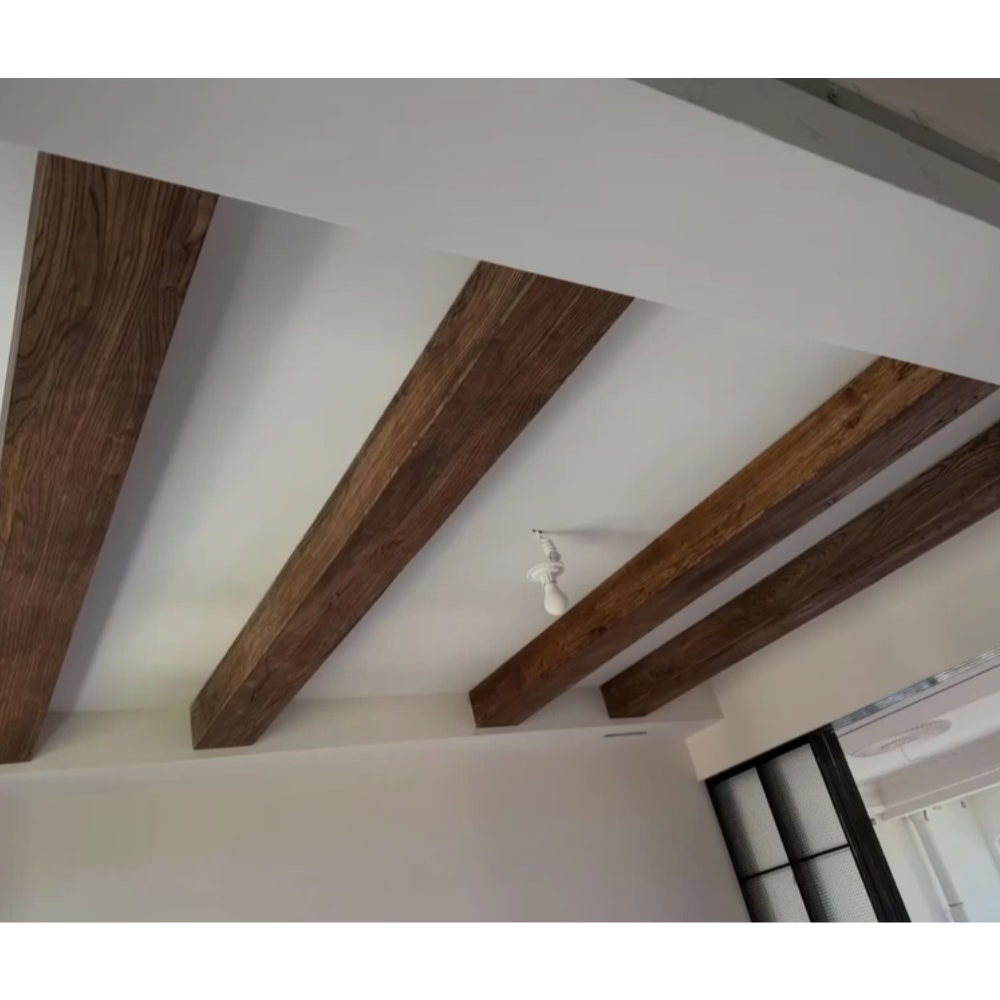
Capturing Reclaimed Wood Character
The visual character of reclaimed wood develops through use, weathering, and the passage of time. Exposed to sun and rain, wood undergoes gradual color changes—silvering, bleaching, the development of gray tones that suggest accumulated age. Mechanical wear creates smooth areas where hands and objects have rubbed surfaces repeatedly. Stains from metal hardware, oil from human contact, and other marks accumulate to create layered history.
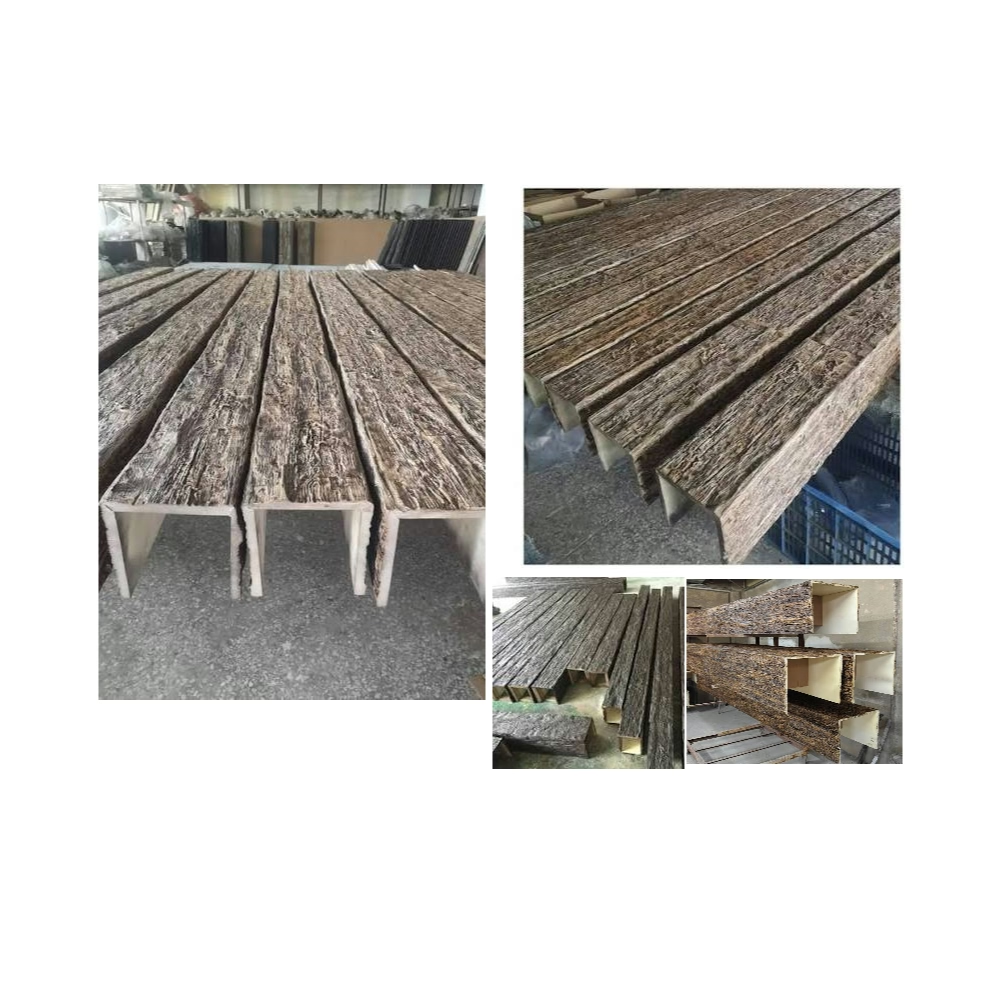
Manufacturing convincing reclaimed wood appearance in polyurethane requires capturing these aging effects with precision. The best products begin with detailed study of genuine reclaimed timber, identifying the specific characteristics that distinguish weathered wood from fresh-cut material. These observations inform mold creation and surface treatment processes that reproduce aging effects convincingly.
Color development plays a crucial role in reclaimed wood aesthetics. Fresh wood displays the warm tones of recent milling; aged wood develops grays, silvers, and muted tones that speak to sun exposure and oxidation. Quality reclaimed wood PU beams incorporate these aged color palettes while maintaining enough warmth to remain inviting rather than bleak. The balance between weathered appearance and livable warmth distinguishes premium products from less successful imitations.
Design Applications for Sustainable Spaces
Sustainability-focused interior design typically incorporates reclaimed and recycled materials throughout, with reclaimed wood beams serving as prominent elements that establish environmental commitment. Such spaces often feature other sustainable choices—low-VOC paints, recycled content textiles, salvaged furniture—that create coherent environmental narratives. The beam installation becomes one element in a larger story about conscious material selection.
Modern sustainable interiors don't require the heavy-handed rustic aesthetics that reclaimed wood often suggests. Contemporary sustainable design can be clean, bright, and minimal while still employing reclaimed and eco-friendly materials. Reclaimed wood look PU beams adapt to these contexts through appropriate styling—smoother surfaces, less dramatic weathering, cleaner lines that align with contemporary aesthetics rather than rustic traditions.
The combination of sustainable materials with contemporary design has created new aesthetic categories that reject the false choice between environmental responsibility and visual sophistication. Spaces that might have seemed too refined for reclaimed materials now incorporate them as elegant accents rather than dominant features. Beams with refined reclaimed aesthetics contribute environmental credentials without undermining contemporary design intentions.
Green Building Certification Alignment
Many construction projects now pursue green building certifications that reward sustainable material choices. LEED, WELL, and other certification systems award points for materials with documented environmental benefits. Natural reclaimed wood look PU faux beams can contribute to certification credit in several categories, depending on specific product characteristics and certification system requirements.
Recycled content claims require documentation that certification systems can verify. Quality manufacturers provide environmental product declarations that document material inputs, production processes, and environmental performance. These documents enable meaningful evaluation of claims and support certification applications that require verified environmental data.
Durability and maintenance requirements affect indoor air quality and building performance metrics that some certification systems address. Materials that off-gas harmful chemicals or require frequent replacement score poorly on these metrics. Polyurethane products with low VOC emissions and long service lives contribute positively to these certification categories.
Balancing Authenticity and Environmental Goals
The tension between genuine reclaimed materials and sustainable manufacturing creates interesting design questions. Does a convincing replica of reclaimed wood serve environmental goals as effectively as actual reclaimed timber? Does the environmental benefit of PU production outweigh the authenticity of genuine salvaged materials? These questions don't have universal answers—they depend on specific project circumstances, designer values, and the relative weight given to different environmental considerations.
What seems clear is that PU faux beams offer meaningful environmental advantages in many scenarios. The ability to specify consistent products with documented environmental characteristics provides value that salvaged material's variable provenance cannot match. The manufacturing sustainability advances of recent years continue to improve the environmental profile of these products. And the durability that polyurethane provides reduces lifetime environmental impact compared to materials requiring more frequent replacement.
For projects where environmental goals rank high among priorities, natural reclaimed wood look PU faux beams deserve serious consideration. They provide the aesthetic character that design intentions require while offering transparent, documented environmental performance. The result serves both design and environmental goals without requiring compromise on either front.
Technical References
ASTM standards cited in every specification
Test Data
Lab results from internal testing program
Updated 2026
Reviewed against current product specs


