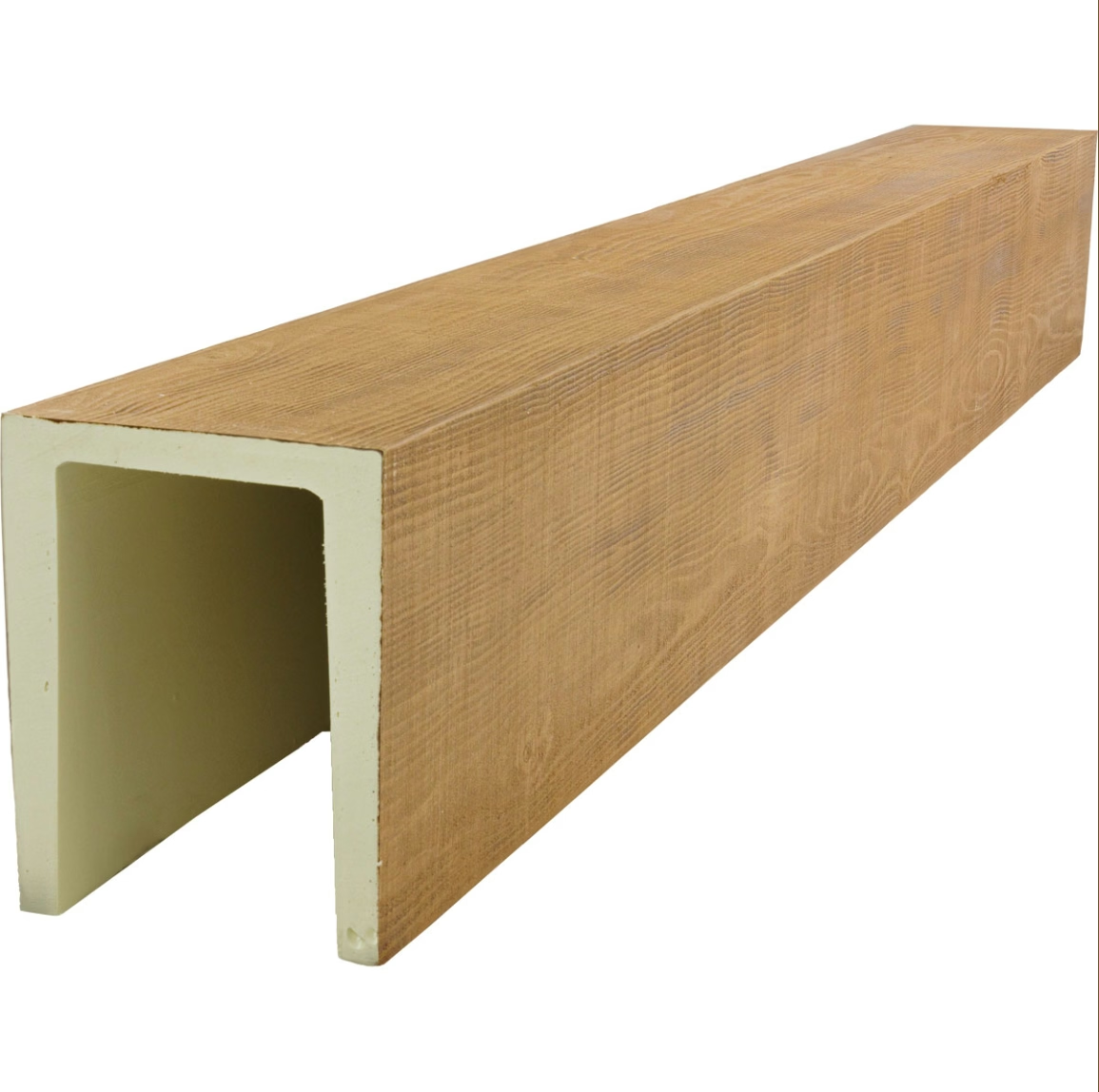
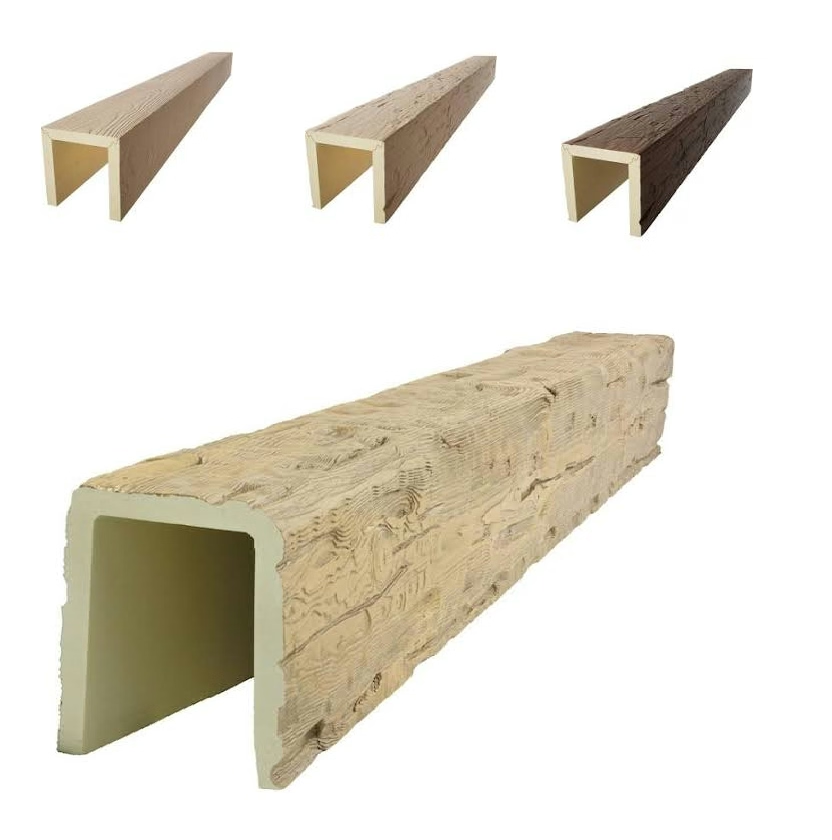
The quest for authenticity in interior design leads many designers and homeowners toward materials that carry genuine character rather than manufactured appearance. When it comes to timber beams, this desire confronts practical realities—real wood brings complications that can undermine otherwise successful projects. Understanding the relationship between authentic appearance and practical performance helps explain why natural texture polyurethane beams have become the preferred solution for so many applications.
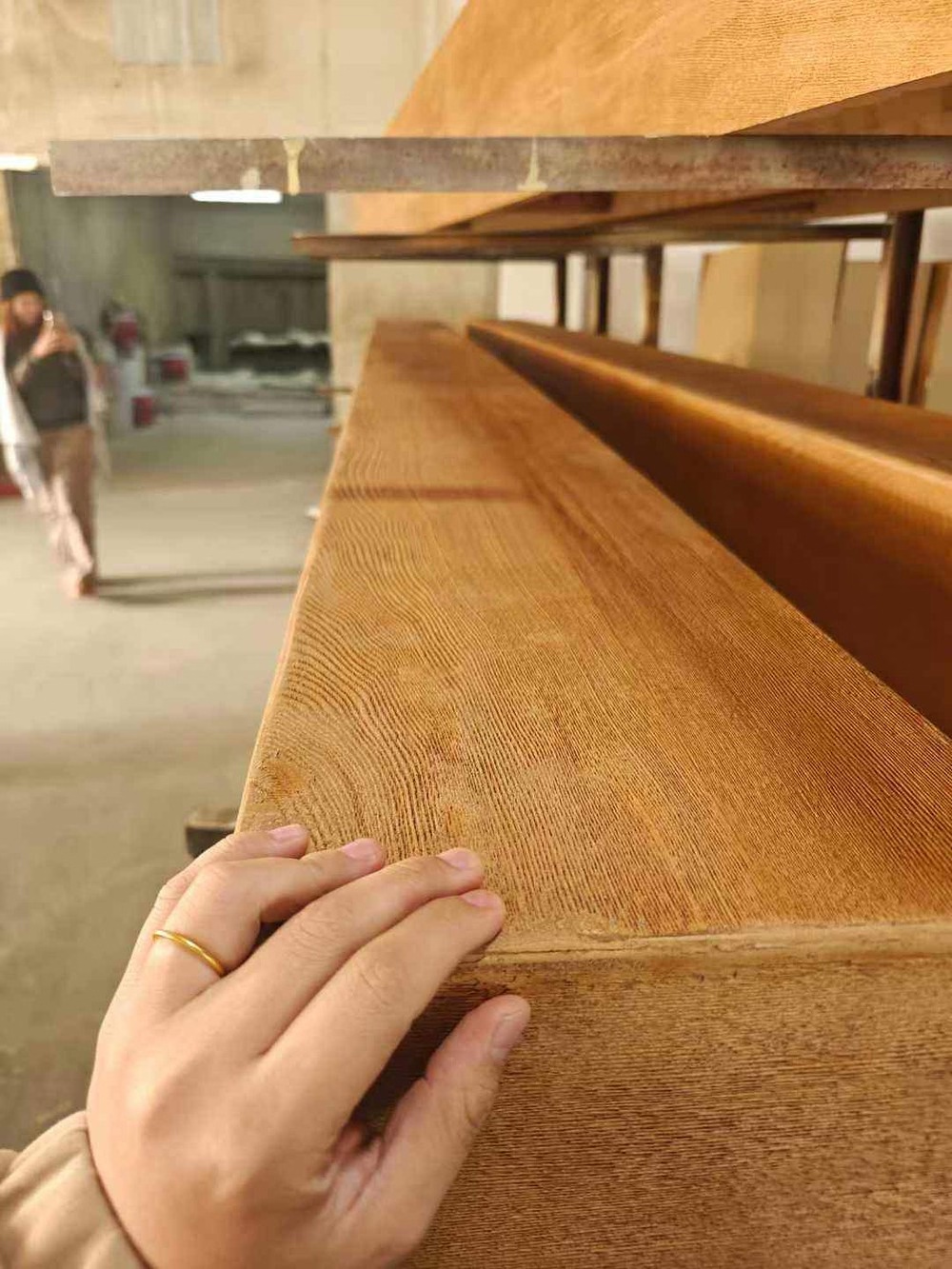
Texture represents one of the most challenging aspects of wood reproduction. The surface of genuine timber isn't flat—it carries information from years of growth, processing, and aging that creates the tactile and visual complexity we associate with authentic wood. Spring wood and summer wood create alternating bands of density that catch light differently. Knots interrupt grain flow in ways that vary unpredictably. Checks and cracks from drying appear where internal stresses found release. Capturing this complexity requires manufacturing processes that invest substantially in mold quality and finishing technique.
Our approach begins with careful selection of authentic timber specimens that demonstrate exceptional character. These specimens serve as the originals from which production molds are created. The resulting negative molds preserve every ridge, valley, and imperfection at microscopic detail levels. When polyurethane is cast into these molds, the resulting beams carry surface characteristics indistinguishable from the originals that inspired them. This process demands more investment than simplified alternatives, but the authenticity achieved justifies the additional cost.
Rustic lodge interiors provide the most obvious application for authentic-textured beams. The aesthetic demands materials that look like they survived decades of use in challenging conditions—fireplaces burning seasonally, windows admitting weather, the general neglect that authentic mountain cabins experience. Smooth-planed modern lumber fails this test immediately; only genuinely textured surfaces satisfy the aesthetic requirements. Our simulated beams provide exactly this character while performing far better than authentic timber in challenging environments.

Mountain resort construction has embraced these beams extensively. Developers seeking to create authentic mountain character in vacation properties discover that textured faux beams provide the aesthetic they need at costs that fit project budgets. The lightweight nature permits installation in structures that couldn't support genuine timber's weight. The durability ensures guest satisfaction across many seasons of use. The consistent quality eliminates the inspection and remediation that reclaimed timber often requires.
Cabin and cottage interiors benefit similarly from textured beam installations. These smaller-scale rustic spaces gain significant character from ceiling beams that feel earned rather than applied. The textured surface provides visual interest at close range where cabin dwellers notice details. The warm wood tones complement the natural materials—stone, log, natural textiles—that define cabin aesthetics. The beams feel like discoveries rather than additions, as if they were always part of the structure.
Historic renovation projects often require careful balancing of authenticity with building code compliance. Genuine timber from the original construction period might not meet contemporary structural requirements, while modern dimensional lumber lacks the character appropriate for historically significant spaces. Textured faux beams resolve this tension by providing authentic appearance in a form that satisfies modern installation standards. The beams can be mounted to meet code requirements while appearing indistinguishable from the original construction.
The acoustic properties of textured polyurethane deserve mention for entertainment spaces. The irregular surface absorbs and diffuses sound rather than reflecting it predictably. This acoustic treatment happens invisibly, contributing to comfortable listening environments without the visual intrusion of acoustic treatment panels. Home theaters, music rooms, and restaurants with hard surfaces benefit from this acoustic contribution while maintaining the warm aesthetic that textured beams provide.
Commercial bar and restaurant installations have discovered the marketing value of authentic-textured beams. Spaces featuring genuinely textured ceilings photograph exceptionally well, generating social media content that markets establishments organically. The texture creates visual interest that distinguishes hospitality venues from competitors using smooth or minimally textured alternatives. Guests remember spaces with authentic character and share those memories with friends and followers.
Quality verification for textured beams requires close examination of surface characteristics. The best products demonstrate consistent texture depth across the entire surface—not just in highlighted areas that manufacturers photograph for marketing. Knot presentation should show authentic variation, not the formulaic repetition that reveals manufacturing limitations. Edges and ends should feature texture continuation, not the smoothed surfaces that indicate shortcuts in production.
Installation techniques for textured beams differ slightly from smooth alternatives. The irregular surface interacts differently with mounting hardware, requiring attention to secure fastening at multiple points. The dimensional variation that authentic texture includes may affect how beams seat against mounting surfaces. Quality manufacturers provide detailed installation guidance that addresses these considerations, ensuring satisfactory results when specifications are followed carefully.
Finish options for textured beams range from natural wood tones that emphasize authenticity to painted applications that let texture become pattern. Natural finishes reveal the full complexity of textured surfaces, making the most of authentic mold capture. Painted finishes—typically in light colors—create textural contrast that some designers prefer for contemporary applications. Both approaches achieve beautiful results when executed with quality products and careful attention to detail.
Technical References
ASTM standards cited in every specification
Test Data
Lab results from internal testing program
Updated 2026
Reviewed against current product specs