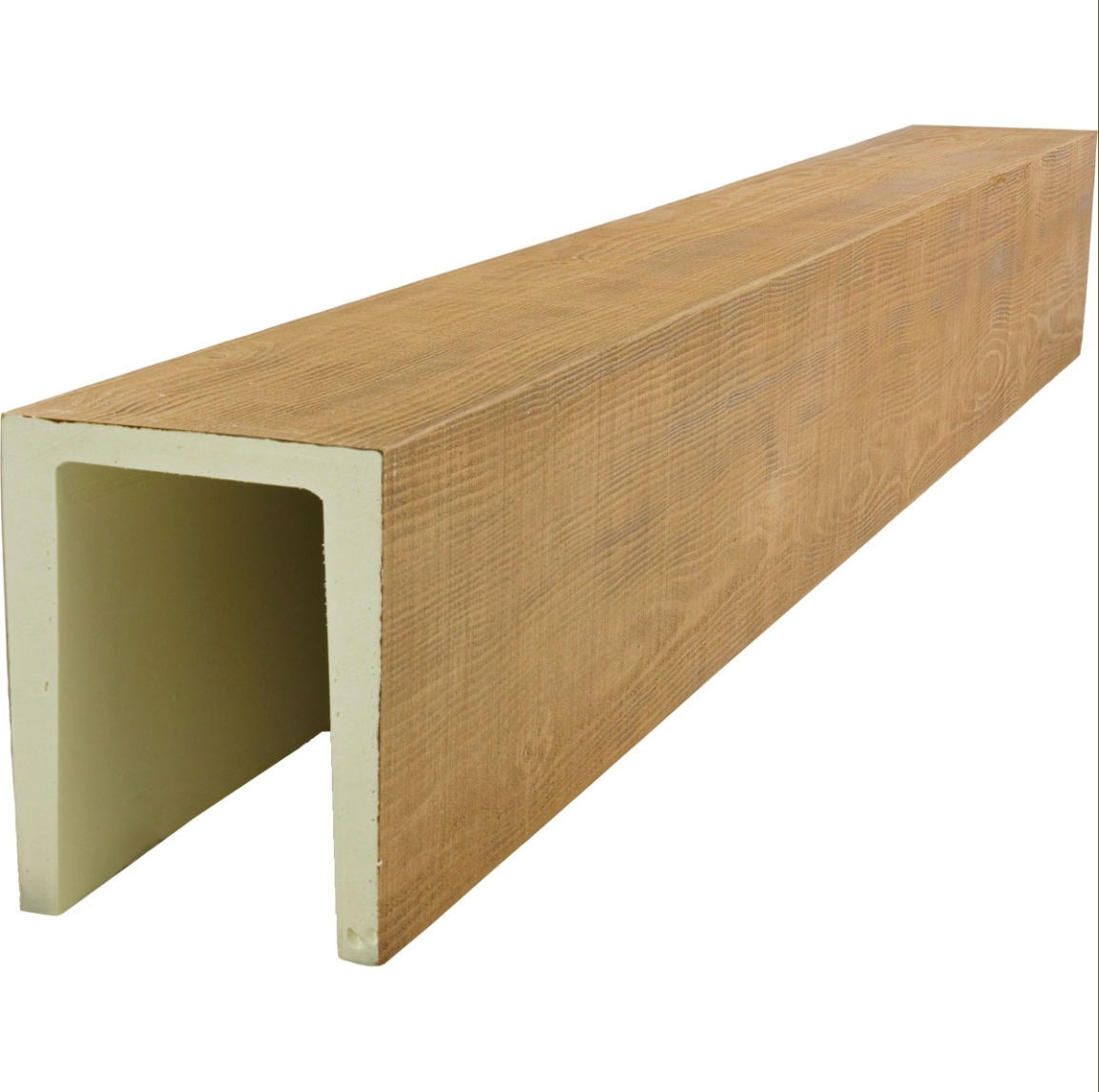
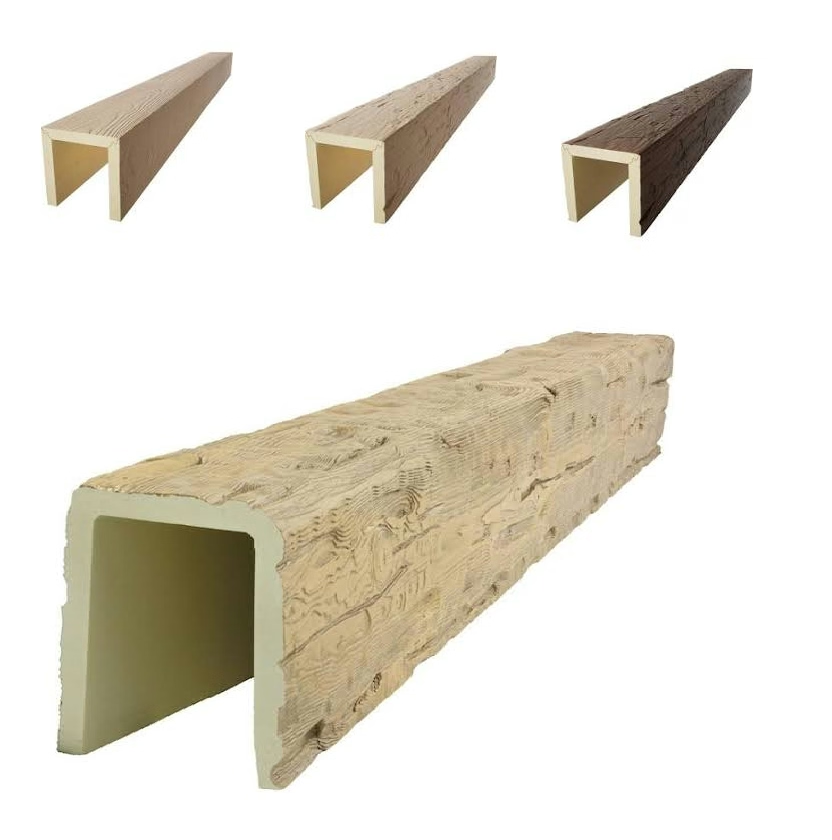
The difference between a convincing faux wood beam and a obvious imitation often comes down to surface texture. Anyone can paint polyurethane to vaguely resemble wood, but capturing the authentic character of weathered timber requires understanding what time actually does to wood fibers, how moisture and sunlight interact with grain structures, and why certain combinations of wear patterns read as genuinely aged rather than artificially distressed. This article explores the craft behind creating natural weathered surface textures that fool the eye and satisfy the touch.
Understanding the aging process in natural wood provides essential context for appreciating what polyurethane manufacturers attempt to replicate. When timber is freshly milled, the surface presents relatively uniform characteristics—consistent grain spacing, predictable color distribution, and the tight cellular structure that gives strength to structural wood members. As this wood encounters environmental exposure, different areas age at different rates depending on orientation to sun, exposure to moisture, protection from coverings, and countless other factors.
The most visible result of this differential aging appears in what craftsmen call "checking"—the small cracks that develop along grain lines as the wood expands and contracts with moisture changes. These checks rarely appear in fresh wood but become increasingly prevalent with age. Their depth, length, and frequency vary dramatically based on the wood species and specific exposure conditions. Replicating this characteristic convincingly requires understanding that checks follow wood grain precisely, that they widen slightly at their endpoints, and that their edges show different coloring than the surrounding surface due to exposure to air and light.
Beyond checking, genuine weathered wood develops what designers describe as "patina"—the cumulative effect of countless minor surface alterations that collectively create an appearance fundamentally different from fresh material. Ultra-violet radiation breaks down surface lignin, leaving behind paler cellulose. Mineral deposits from water exposure create subtle discoloration patterns. Mechanical wear from wind-borne particles, animal contact, or human handling rounds sharp edges and creates depression patterns in frequently touched areas. Fungal growth in protected areas adds grey and black staining. All these factors interact across decades to produce the complex surfaces that weathered timber displays.
Capturing these characteristics in polyurethane requires sophisticated manufacturing processes that operate at multiple levels. The foundation begins with master patterns—actual pieces of aged timber that serve as reference models for production molds. Manufacturers select these master patterns with careful attention to the specific aging characteristics they wish to replicate. Some seek heavily weathered specimens with dramatic checking and surface erosion. Others prefer more subtle aging that suggests rather than announces the passage of time. The chosen master pattern ultimately determines what production molds can produce, making this selection a critical creative decision.
The mold-making process itself involves sophisticated techniques to capture fine surface details accurately. Liquid rubber compounds applied to the master pattern must flow into the smallest crevices, capturing texture variations at microscopic scales. The resulting negative impressions preserve every ridge, depression, and irregularity present in the original. When polyurethane is then introduced into these molds under controlled conditions, it fills these impressions completely, creating castings that mirror the original with remarkable fidelity.
Temperature and pressure control during casting significantly influence the final texture quality. Polyurethane formulations intended for wood-grain replication require specific thermal conditions to achieve proper flow and curing. Too cold and the material fails to fill fine mold details completely. Too hot and surface degradation may occur before proper curing completes. Pressure application must be calibrated to push material into texture details while avoiding unwanted compression of the final product. These parameters vary based on specific formulations and require ongoing monitoring to maintain consistent quality across production runs.
The texture profile of quality weathered faux beams typically includes several distinct surface characteristics that combine to create convincing authenticity. Primary grain patterns establish the basic wood species identification—oak's distinctive ray fleck, pine's prominent knots, cedar's interlocked grain patterns. Secondary texture includes the checking and minor cracking that suggests age, typically distributed somewhat irregularly across the surface to avoid appearing too uniform. Tertiary surface qualities address fine variations in smoothness and reflectivity that occur as weathered wood exposes different cellular structures.
Hand-finishing operations often distinguish premium faux wood products from basic alternatives. While mold capture handles major textural features, human artisans apply final touches that address minor imperfections from the casting process and add subtle variations that make each beam appear unique. This might include light sanding to soften overly sharp edges, targeted staining to enhance depth in check crevices, or application of specialized coatings that modify surface reflectivity in specific areas. These interventions create the slight irregularity that prevents faux beams from appearing too perfectly manufactured.
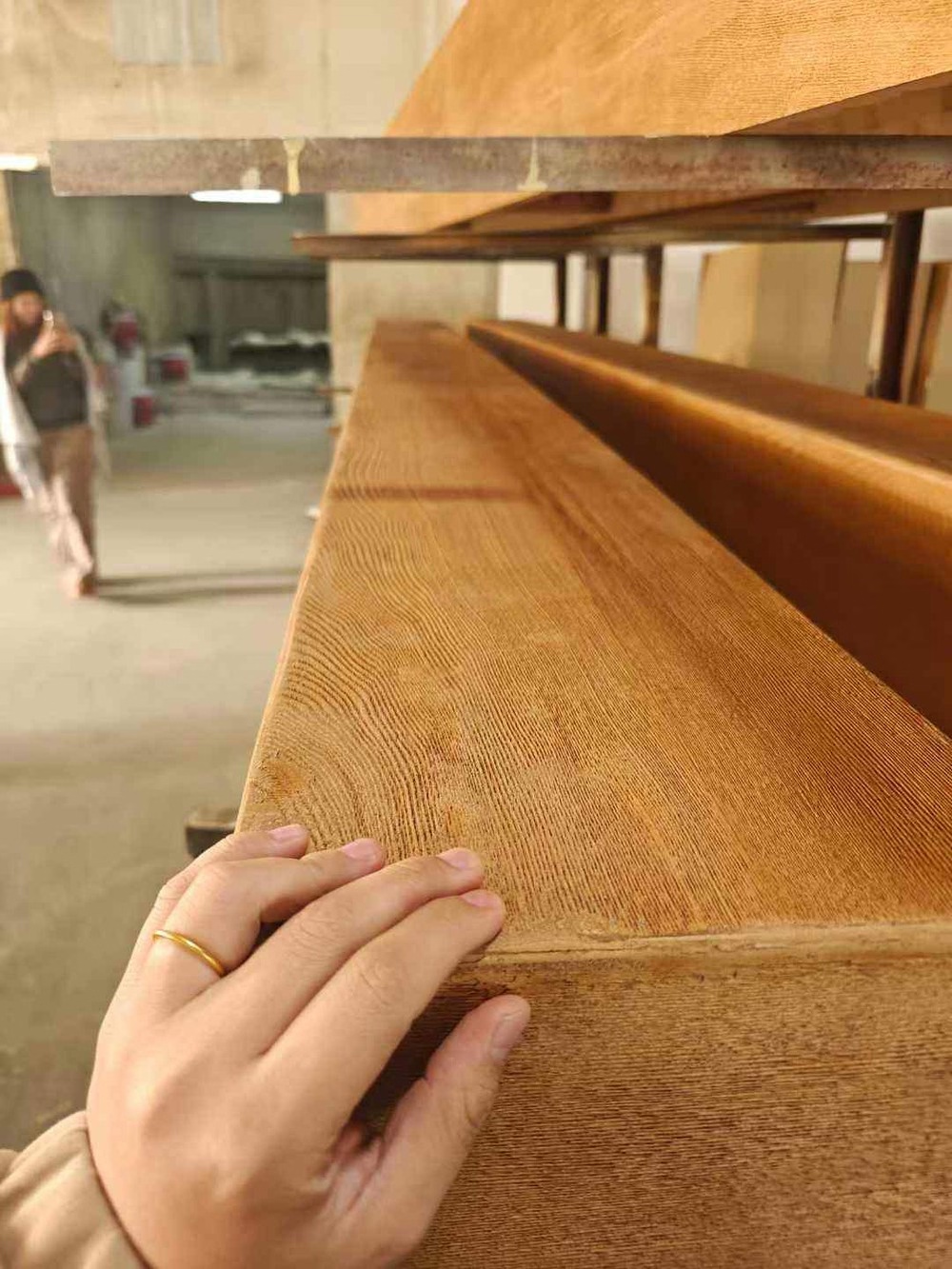
The tactile dimension of surface texture deserves particular attention because people instinctively touch surfaces to verify visual impressions. A beam that looks weathered but feels smooth and uniform immediately reveals its synthetic nature. Quality faux wood manufacturers address this concern through texturing that reads convincingly under fingertip examination as well as visual inspection. The combination of raised grain, depressed checks, varied surface hardness, and temperature conductivity that mimics genuine timber creates an experience consistent with the appearance, passing what might be called the touch test.
Color application over textured surfaces presents additional challenges that affect realism. Stains and coatings must penetrate texture depressions without pooling in ways that create obvious buildup. The goal is color variation that follows and enhances texture rather than obscuring it. Techniques range from spray application at specific pressures to hand-wiping that deliberately deposits more color in recesses than on raised surfaces. The resulting depth of color treatment creates the subtle tonal variation present in genuinely aged wood where light exposure, moisture contact, and biological factors have created uneven coloring over time.
Accelerated aging tests provide one method for evaluating whether faux beam texturing convincingly approximates natural weathering. Samples are exposed to concentrated versions of the environmental factors that create genuine aging—intense UV radiation, rapid humidity cycling, temperature extremes—and the results compared against natural weathered timber. While no artificial process replicates decades of natural exposure perfectly, these tests help manufacturers identify which texture characteristics most strongly influence perceived authenticity and refine their processes accordingly.
Practical considerations in specifying weathered texture beams include understanding how different texture intensities suit different applications. Heavy texturing with prominent checking and surface erosion works well in rustic settings, farmhouse aesthetics, and spaces embracing visible imperfection as a design value. More subtle texturing suits contemporary applications where aged character should enhance rather than dominate the space. Understanding this spectrum helps designers select products appropriate for their specific aesthetic intentions.
Environmental factors influence how weathered texture performs over extended periods. Direct sunlight, even on UV-stable polyurethane, may cause slight surface degradation over many years. Moisture exposure in humid environments should not affect properly formulated polyurethane, but standing water in beam crevices might create cleaning challenges. Temperature extremes create expansion and contraction cycles that, while smaller than those affecting genuine timber, still require consideration in some applications. These practical factors rarely outweigh the aesthetic benefits but merit consideration during specification.
The relationship between texture complexity and cleaning requirements deserves attention for maintenance planning. Deep check crevices and pronounced texture valleys may accumulate dust over time, potentially requiring occasional attention to maintain their original appearance. This is rarely difficult—simple dusting or occasional light vacuuming typically suffices—but represents a maintenance consideration absent from smoother beam alternatives. Some designers address this through ceiling heights that place beams beyond regular cleaning reach, allowing the texture to age gracefully without ongoing intervention.
Modern polyurethane formulations continue advancing in their ability to capture weathered wood characteristics. Nano-scale fillers improve surface durability while maintaining flexibility in texturing. Improved pigment systems create color depths that better simulate natural aging variation. And manufacturing refinements allow larger production runs from single molds without characteristic degradation that earlier processes experienced. These technical improvements progressively narrow the gap between authentic timber and synthetic reproduction, offering designers increasingly capable tools for achieving aged wood aesthetics without authentic material limitations.
The emotional resonance of weathered texture in interior spaces connects to deeper responses than mere visual preference. Humans have evolved in intimate association with natural materials, developing instinctive comfort responses to organic textures and patterns. Weathered wood surfaces, with their evidence of time passing and materials enduring, create emotional warmth that smooth synthetic surfaces cannot replicate. By successfully capturing these characteristics, polyurethane faux beams allow more spaces to benefit from this emotional connection, expanding access to the psychological comfort that aged materials provide.

Technical References
ASTM standards cited in every specification
Test Data
Lab results from internal testing program
Updated 2026
Reviewed against current product specs