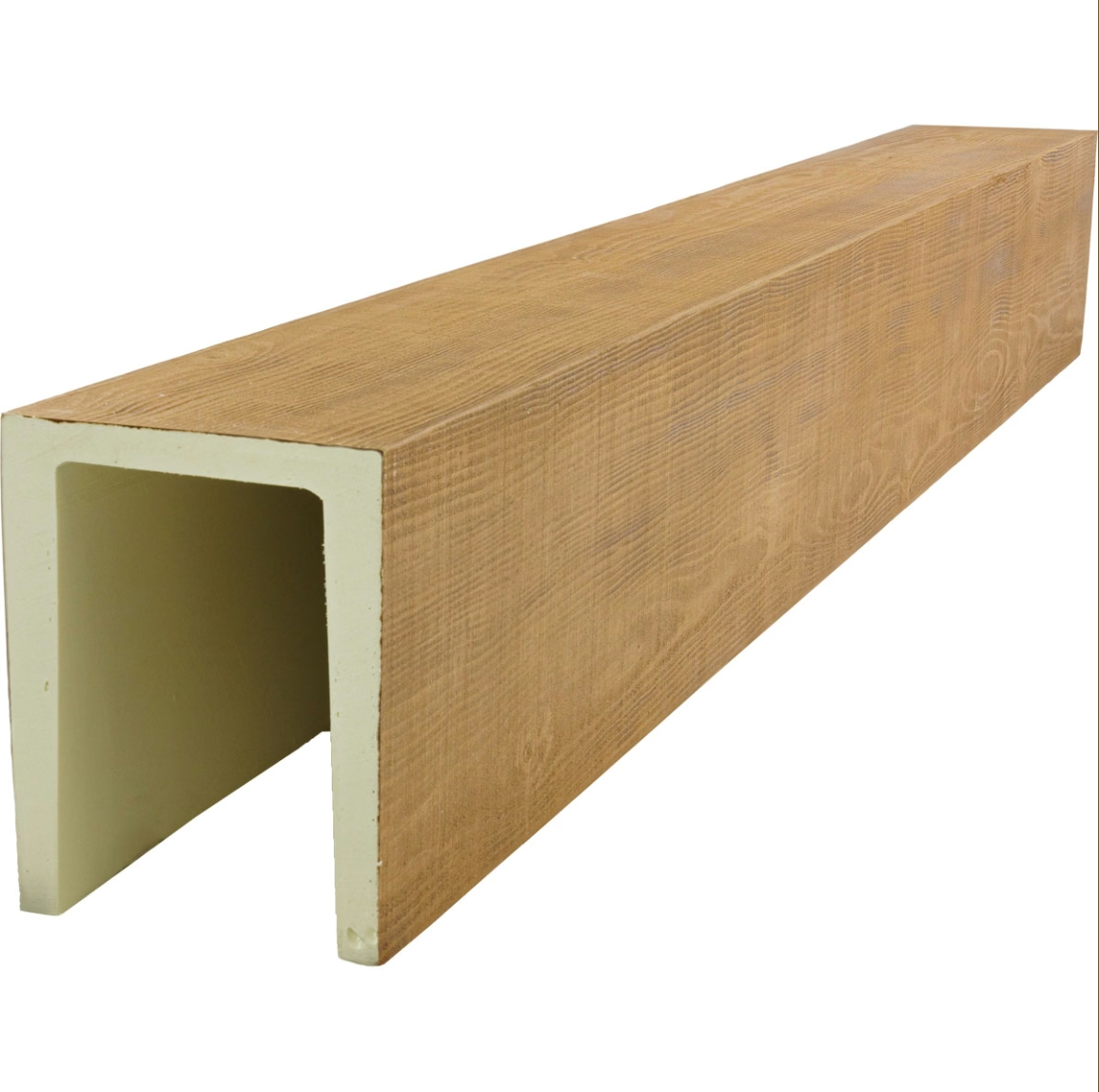
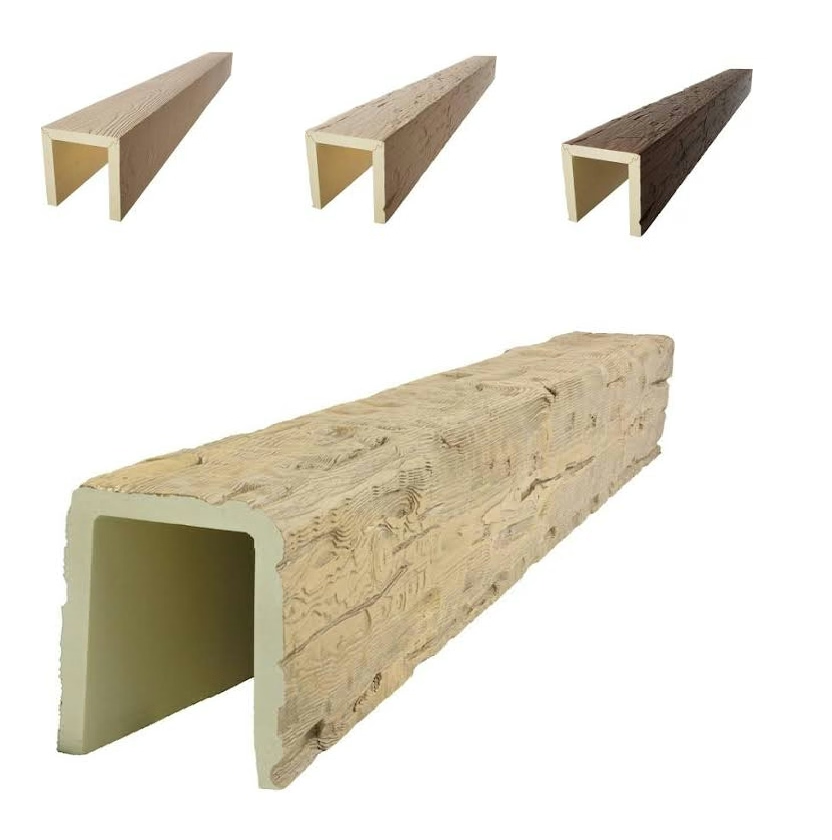
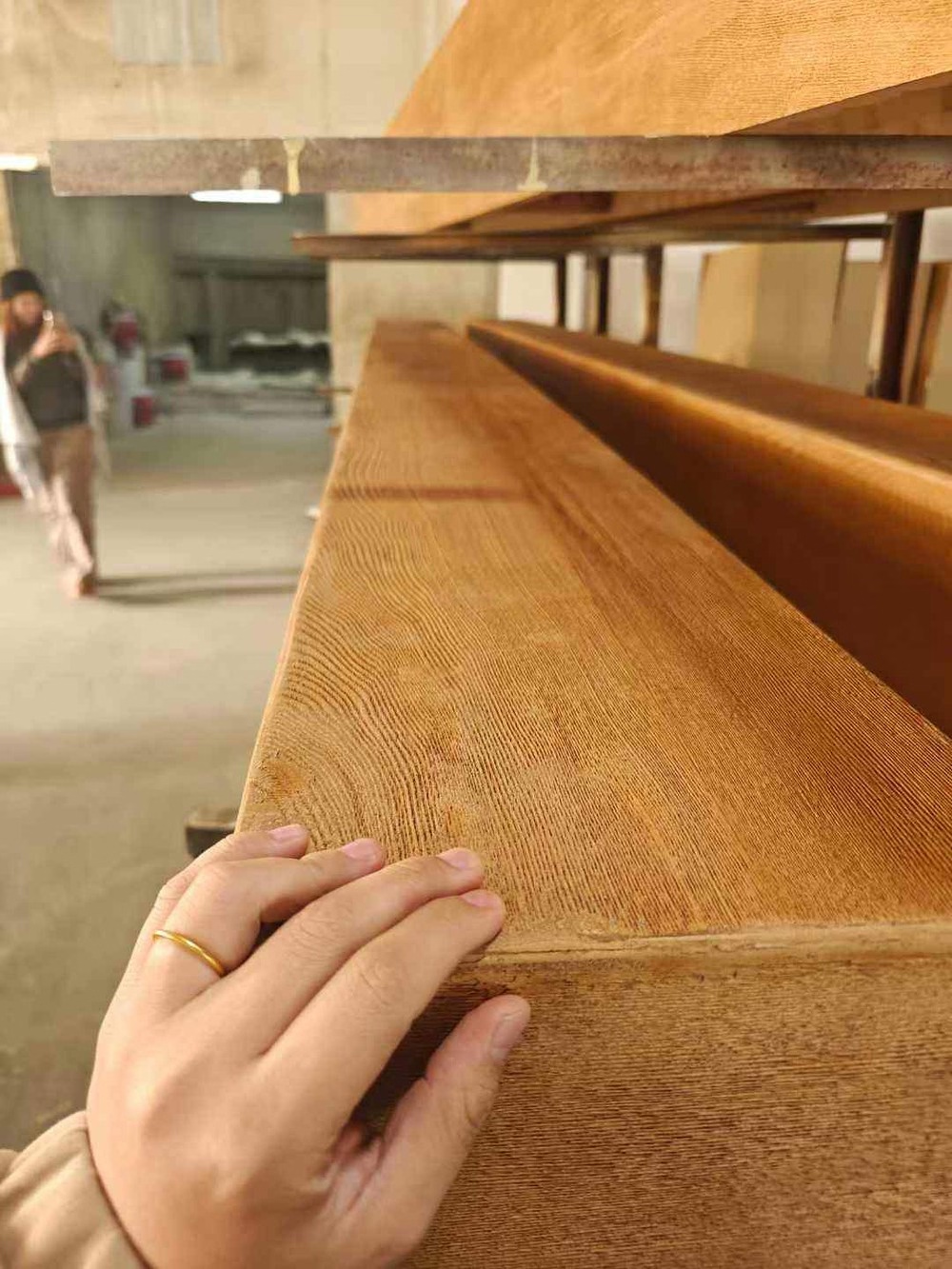
Western Red Cedar has occupied a special position among North American timber species for generations. Carved by Indigenous peoples into canoes and ceremonial masks, milled by early settlers into dimensional lumber, and treasured by contemporary craftspeople for fine furniture and architectural elements, this species has earned its reputation through consistent beauty and reliable performance. Its distinctive reddish-brown heartwood, pale sapwood, and prominent grain pattern create instantly recognizable character that distinguishes it from other softwoods. For designers seeking this character without genuine cedar's vulnerabilities, Natural Western Red Cedar PU faux beams provide an attractive alternative.
The appeal of Western Red Cedar in outdoor applications derives from its exceptional natural durability. Unlike most North American softwoods, cedar contains oils and extractives that resist decay organisms, insect attack, and moisture damage. These natural preservatives allow cedar to endure decades of outdoor exposure without protective treatment, developing the silver-grey patina that has come to signify classic Northwest aesthetics. This durability made cedar the traditional choice for shingles, siding, decking, and outdoor furniture throughout regions where the species grows naturally.
Despite this durability, genuine cedar carries limitations that restrict its use in many projects. Cost fluctuations based on harvest availability and transportation from Pacific Northwest forests can make authentic cedar prohibitively expensive in interior markets. The inherent variability of natural timber—knots appearing unpredictably, grain patterns shifting between boards, color tones varying from piece to piece—complicates design coordination when consistent appearance matters. And cedar's natural oils, while providing decay resistance, can interfere with adhesive bonding and paint adhesion, requiring special preparations for finishes beyond natural weathering.
Western Red Cedar appearance faux beams address these limitations while preserving the visual qualities that make cedar distinctive. The reddish-brown base tone, characteristic of the species' heartwood, provides instant recognition. Grain patterns specifically modeled after genuine cedar specimens capture the pronounced texture that distinguishes this species from smoother alternatives. Knot clusters appear at intervals mimicking natural cedar's tendency to produce clear wood between frequent branching. The overall effect convincingly references genuine cedar's appearance without requiring the premium pricing or handling complications of authentic material.
Outdoor applications represent particularly strong use cases for cedar-appearance faux beams. Covered porches, pergolas, and similar structures benefit from beams that reference cedar's traditional outdoor use while eliminating concerns about actual cedar's moisture response. Rain exposure that might eventually compromise genuine cedar creates no such issues for polyurethane. Insect activity that might threaten natural timber in some regions cannot affect synthetic materials. The covered outdoor setting allows cedar appearance while removing the decay pressures that might eventually affect authentic material.
Consider a mountain retreat where the homeowners sought to establish visual continuity between interior spaces and the covered outdoor living areas. Inside, they installed timber-look beams in a light natural finish that complemented the pine flooring and drywall finishes. Outside, the same cedar-appearance beams in slightly darker tones extended the visual language across the building envelope. From inside looking out through large sliding doors, the beams appeared to continue seamlessly, creating the impression of a single unified design that blurred the boundary between protected interior and covered exterior.
The thermal performance of polyurethane in outdoor settings deserves consideration for regions with significant temperature variation. Unlike genuine timber, which conducts some heat and may feel cool or warm to touch depending on conditions, polyurethane provides consistent surface temperatures within the moderate range that seasonal outdoor conditions allow. This thermal stability prevents the uncomfortably cold touch that genuine wood can present on winter mornings, improving the tactile experience of outdoor living spaces during cooler seasons.
Installation advantages of polyurethane beams become especially relevant for outdoor projects where weather conditions might interrupt work schedules. The lightweight nature of polyurethane sections allows installation by fewer workers than genuine timber would require. The material accepts standard fasteners and adhesives without special preparations or primers. And unlike genuine timber, which might require time to acclimate to local humidity before installation, polyurethane beams can be installed immediately upon delivery regardless of prior storage conditions.
For fully exposed outdoor applications where beams might receive direct rain and sun exposure, additional considerations apply. While polyurethane resists moisture absorption, surface UV degradation can occur over extended periods of direct sunlight exposure. Quality manufacturers address this through UV-stable formulations that resist chalking, color change, and surface degradation. Specifying products designed for outdoor use ensures adequate UV resistance for the specific exposure conditions anticipated. In covered applications where beams receive only indirect light, standard formulations typically provide adequate performance.
Maintenance of cedar-appearance faux beams in outdoor settings proves simpler than genuine cedar maintenance would require. No periodic sealing or staining preserves appearance—the color is integral to the material rather than applied to a surface. Cleaning involves nothing more than occasional rinsing or wiping to remove accumulated debris. The absence of splintering, cracking, or checking that genuine cedar might develop eliminates the repair work that authentic timber occasionally requires. These maintenance advantages prove particularly valuable for elevated outdoor installations where access for cleaning or repair might be difficult.
Indoor applications benefit equally from cedar-appearance faux beams, though the character they establish differs somewhat from outdoor contexts. The warm reddish-brown tones bring color into interior palettes that might otherwise rely on cooler neutrals. The prominent grain texture adds visual interest to ceiling planes that plain drywall would leave unremarkable. And the material's association with outdoor environments and natural settings creates emotional connections to the natural world that pure interior materials cannot evoke.
The authentic grain character of cedar-appearance beams distinguishes them from generic wood-look products. Cedar's grain patterns reflect the species' growth characteristics—the relatively rapid growth rate produces wide growth rings, and the tree's tendency toward branching creates distinctive knot clusters where limbs once attached. These characteristics provide visual interest at scales ranging from room-filling ceiling beams viewed from across a space to individual board sections examined at close range. The consistency of this authentic reproduction prevents the uncanny valley effect where close examination reveals the imitation's inadequacy.
Color matching between indoor and outdoor installations requires attention to how environmental factors affect perceived appearance. Direct sunlight in outdoor settings appears brighter and more saturated than interior illumination, potentially making identical materials appear different in different lighting environments. Beams in covered outdoor areas with indirect lighting often match interior appearances more closely than beams in fully exposed conditions. Requesting samples for both locations and evaluating them under actual anticipated lighting provides the most reliable color matching basis.
The environmental considerations of faux versus genuine cedar involve multiple factors. Genuine Western Red Cedar comes from sustainably managed forests in the Pacific Northwest, with certification systems ensuring responsible harvesting practices. The product travels considerable distances to reach most markets, contributing to transportation-related carbon emissions. Polyurethane beams, while synthetic, typically travel shorter distances from domestic manufacturing facilities and provide service lives that eliminate replacement cycles that genuine timber might eventually require. Lifecycle analysis suggests favorable comparisons in many applications, though environmental priorities vary among consumers and specifiers.
The historical context of cedar use in architecture provides design inspiration for contemporary applications. The species has been associated with Pacific Northwest building traditions for over a century, fromcraftsman bungalows to modern Northwest contemporary residences. Incorporating cedar-appearance beams references this architectural heritage while allowing contemporary interpretation. The warm reddish tones pair effectively with the earth tones, forest greens, and water blues that characterize Northwest regional color palettes, though these combinations work equally well in other regions where the aesthetic appeal translates.
For renovation projects seeking to add architectural character to existing spaces, cedar-appearance faux beams offer one of the most straightforward transformations available. A plain ceiling becomes a dramatic statement with beams spanning the room's width. A conventional fireplace surround gains substantial presence with timber framing that suggests structural honesty. An ordinary covered patio achieves lodge-like warmth with cedar-textured beams overhead. These transformations require minimal construction disruption compared to approaches that would involve genuine timber or structural modification.
The versatility of cedar-appearance beams extends to how they integrate with other materials in comprehensive design schemes. Stone and brick surfaces complement cedar's organic warmth, whether in fireplace surrounds, accent walls, or exterior facades. Metal hardware and fixtures provide contrasting precision that emphasizes cedar's natural irregularity. Glass and large windows frame views while cedar elements provide warm counterpoint to the outdoor scenes beyond. These combinations succeed because cedar appearance naturally coordinates with both natural and manufactured materials, bridging various design vocabularies.

Technical References
ASTM standards cited in every specification
Test Data
Lab results from internal testing program
Updated 2026
Reviewed against current product specs