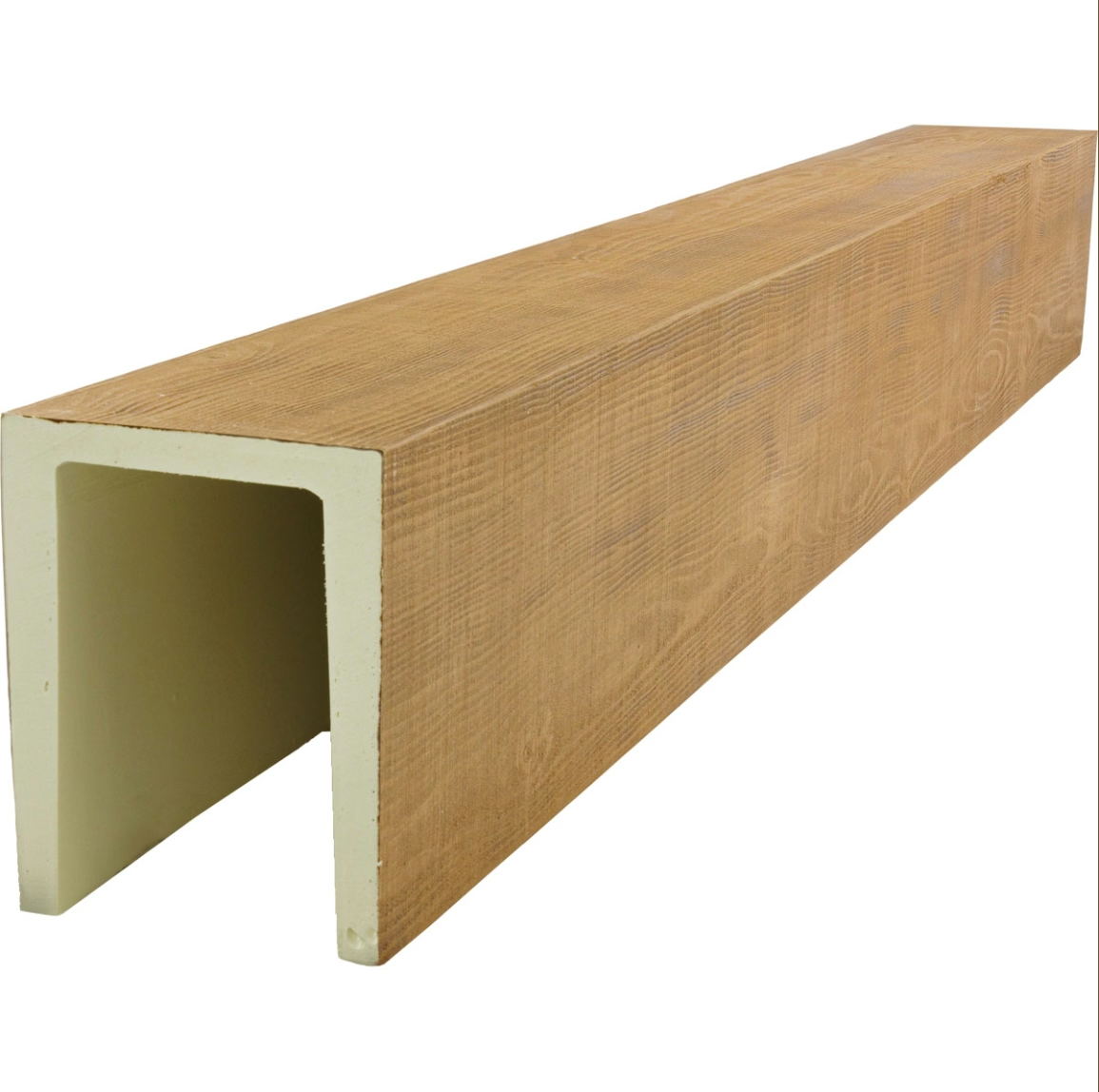
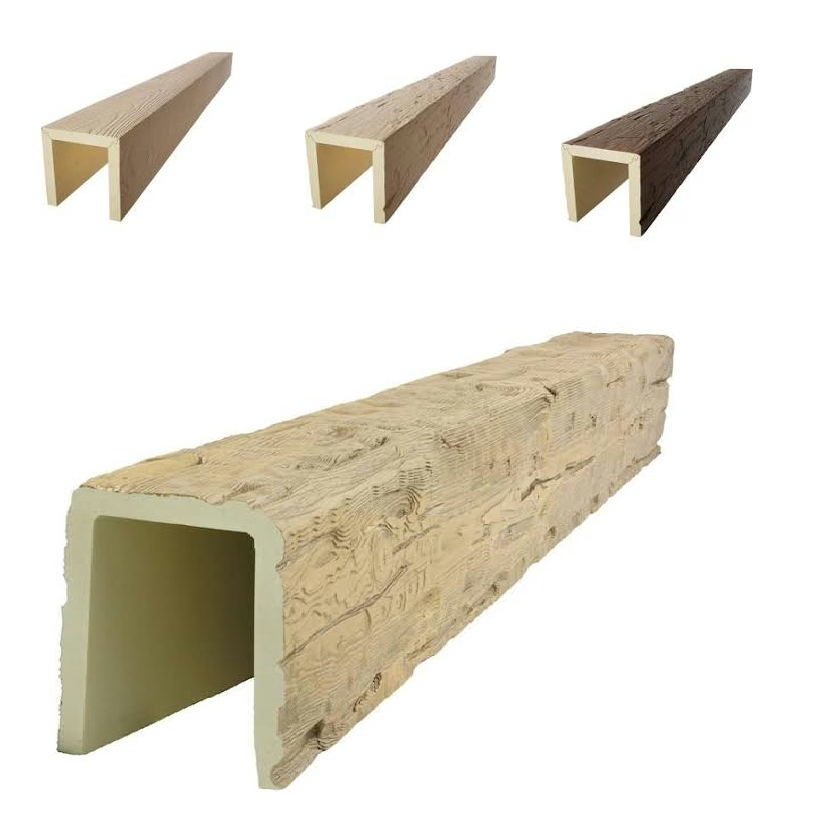
The wire-brushing technique emerged from woodworkers' recognition that removing soft wood material between harder grain lines creates surfaces with extraordinary tactile and visual interest. This treatment, long valued for hardwood flooring where its durability and character combine effectively, translates beautifully to ceiling beam applications where the same qualities serve different but equally valuable purposes. Natural wire-brushed texture polyurethane faux wood beams make this refined surface treatment available for vertical and horizontal installations throughout residential and commercial spaces, bringing sophistication to ceiling planes that plain surfaces would leave unremarkable.
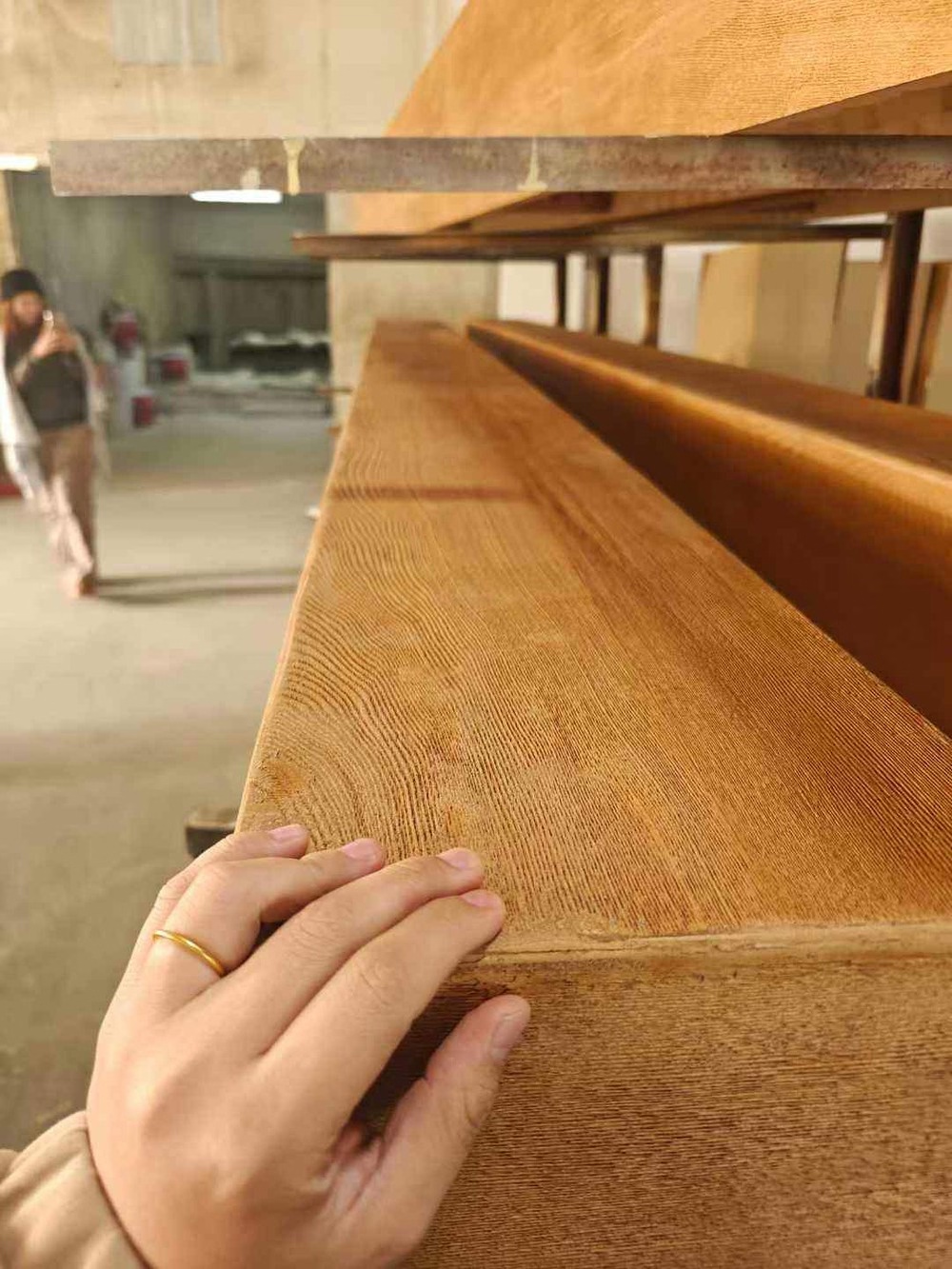
The mechanics of wire-brushing involve abrading wood surfaces with stiff metal bristles that remove softer early-wood material while leaving harder late-wood sections relatively intact. This differential removal creates pronounced grain lines that project above the surrounding surface, producing texture that catches light and provides tactile interest. The effect resembles miniature mountain ridges viewed from above, with peaks corresponding to dense grain sections and valleys where softer wood has been excavated. This three-dimensional quality distinguishes wire-brushed surfaces from merely rough-sawn or distressed alternatives.
Traditional application of wire-brushing occurred on-site, with craftsmen adjusting brush stiffness, pressure, and passes to achieve desired effects. This approach allowed infinite variation but introduced inconsistency that made matching across multiple pieces difficult. The development of manufactured wire-brushed wood products, with consistent texture patterns reproduced across thousands of units, transformed what was once a craft technique into an accessible specification option. Polyurethane faux beams now extend this accessibility further, eliminating the substrate limitations that even manufactured wood products cannot escape.
The sophistication that wire-brushed texture contributes to interior spaces operates at multiple levels. At distance, the subtle shadow patterns created by raised grain lines add visual interest to surfaces that might otherwise read as flat or plain. From mid-range, the rhythmic repetition of grain ridges creates texture at a scale visible to casual observation. And at close inspection, the tactile quality invites touch, rewarding those who investigate the surfaces around them. This multi-scale sophistication distinguishes wire-brushed treatments from simpler texturing approaches.
Consider a study designed for a professional whose work demanded a space projecting quiet confidence and refined taste. The room featured custom millwork in walnut, a leather-topped desk, and brass lighting fixtures—a palette that read as serious without appearing ostentatious. Wire-brushed faux beams in a complementary tone completed the composition, their subtle texture providing the finishing touch that plain painted beams would have undermined. The room achieved the intended character, projecting understated excellence that visitors consistently remarked upon without being able to articulate precisely why the space felt so considered.
The performance advantages of wire-brushed polyurethane extend beyond aesthetics to practical considerations that matter in busy households. The textured surface does an excellent job of hiding minor surface contamination that might show plainly on smooth alternatives. Dust that would be obvious on glossy painted surfaces disappears into the valleys between grain lines. Small scratches or scuffs from normal use become invisible against the already varied background. This forgiving quality makes wire-brushed beams particularly suitable for family spaces, rental properties, and commercial installations where ongoing perfection proves unrealistic.
Cleaning and maintenance of wire-brushed faux beams requires different approaches than smooth surfaces demand but remains straightforward with appropriate techniques. The valleys between grain ridges may accumulate dust over time, requiring occasional attention with tools designed for textured surfaces. Soft brushes on vacuum attachments work effectively for regular maintenance. Stubborn contamination can be addressed with compressed air or gentle scrubbing with soft-bristled brushes. These simple procedures maintain appearance indefinitely without requiring refinishing or replacement.
The acoustic properties of wire-brushed surfaces provide subtle benefits in spaces where ceiling treatments might otherwise contribute to echo or reverberation. The irregular texture disrupts sound wave reflection patterns that smooth surfaces create, diffusing acoustic energy in ways that improve overall sound quality within treated spaces. This acoustic benefit proves most noticeable in rooms with hard flooring, large windows, and other reflective surfaces that might otherwise create problematic sound environments. Hospitality venues, home theaters, and music practice rooms particularly benefit from these acoustic improvements.
Color application on wire-brushed polyurethane requires techniques that preserve rather than flatten the three-dimensional texture. Sprayed finishes tend to build up in valleys while leaving peaks under-coated, creating exactly opposite results from what the surface requires. Quality manufacturers address this through application processes specifically designed for textured surfaces—flood coating followed by strategic removal, or multiple thin applications applied with intermediate brushing to ensure uniform coverage. The resulting finish appears naturally integrated with the texture rather than artificially applied over it.
The visual depth that wire-brushed texture creates proves particularly valuable in contemporary interiors where flat surfaces have become the default treatment. Modern architectural trends favor clean lines and unadorned planes, creating spaces that feel open and uncluttered but sometimes lack the tactile interest that makes environments feel genuinely inhabitable. Wire-brushed beams introduce this tactile dimension without compromising the clean aesthetic that contemporary design values. The texture reads as refined rather than rustic, sophisticated rather than rough.
Specifier choices regarding wire-brushed intensity allow designers to calibrate texture for specific applications. Lighter wire-brushing creates subtle surface interest appropriate for refined or contemporary settings where dramatic texture might feel out of place. Medium intensity produces the classic wire-brushed appearance most commonly specified, with clearly visible grain lines that project modestly from the surface. Heavy wire-brushing excavates substantial material, creating pronounced texture suitable for rustic or industrial contexts where bold surface character is desired. Understanding this spectrum helps ensure appropriate selection for intended applications.
The durability of wire-brushed polyurethane surfaces deserves particular attention in high-traffic applications. The raised grain lines that create visual texture also represent the most vulnerable portion of the surface—points where impacts might chip or compress the material. Quality polyurethane formulations address this concern through impact-resistant compositions that tolerate the knocks and bumps of normal use without visible damage. However, extreme impacts that might damage any surface remain capable of affecting wire-brushed textures, requiring the same reasonable care that genuine wood would demand.
Lighting considerations for wire-brushed beams should account for how grain direction affects apparent texture. Beams oriented perpendicular to primary window walls display texture most dramatically, with light raking across grain ridges to create pronounced shadow patterns. Parallel orientation produces subtler effects where light grazes along rather than across the grain. This directional quality allows designers to specify orientation based on desired impact, using beam placement as a lighting design tool that operates regardless of fixture positioning.
The compatibility of wire-brushed beams with diverse interior styles contributes to their broad applicability. In farmhouse and rustic settings, the technique's origin with traditional woodworkers provides authentic connection to craft heritage. In contemporary spaces, the refined texture contributes sophistication that plain surfaces cannot match. In transitional designs that bridge traditional and modern vocabularies, wire-brushed beams provide common ground that accommodates both aesthetic frameworks. This versatility makes wire-brushed faux beams safe specifications for projects where final styling decisions remain pending.
Environmental factors influence how wire-brushed textures age over extended periods. UV exposure may cause slight surface degradation that affects the finest texture details first, gradually simplifying the overall appearance over many years. This evolution mirrors how genuine wire-brushed wood ages, where the most delicate texture elements eventually wear away while coarser features remain. The manufactured nature of polyurethane means this aging proceeds more slowly than with genuine wood, but some evolution should be anticipated over decades of service.
The cost positioning of wire-brushed polyurethane beams reflects the additional manufacturing complexity involved in creating textured surfaces. While more expensive than smooth alternatives, wire-brushed beams remain substantially more affordable than genuine wire-brushed hardwood beams would cost. The material savings alone make polyurethane attractive, and when combined with reduced installation complexity and eliminated maintenance requirements, the overall value proposition strongly favors the synthetic alternative for most applications.
For projects considering wire-brushed faux beams, physical sample evaluation provides essential selection guidance. Texture intensity perception varies significantly between photographs and actual materials, and the tactile dimension cannot be appreciated without handling samples directly. Most manufacturers and distributors provide samples at reasonable cost, allowing designers and homeowners to verify that chosen specifications match expectations before committing to full installations.
The enduring appeal of wire-brushed texture reflects the technique's success in adding character without overwhelming spaces. This balanced contribution—visible enough to provide interest, refined enough to avoid distraction—explains the treatment's continued popularity across design movements and stylistic trends. Wire-brushed polyurethane beams extend this proven approach to applications where genuine wood's limitations might otherwise preclude its use, making sophisticated textured surfaces available throughout the built environment.

Technical References
ASTM standards cited in every specification
Test Data
Lab results from internal testing program
Updated 2026
Reviewed against current product specs