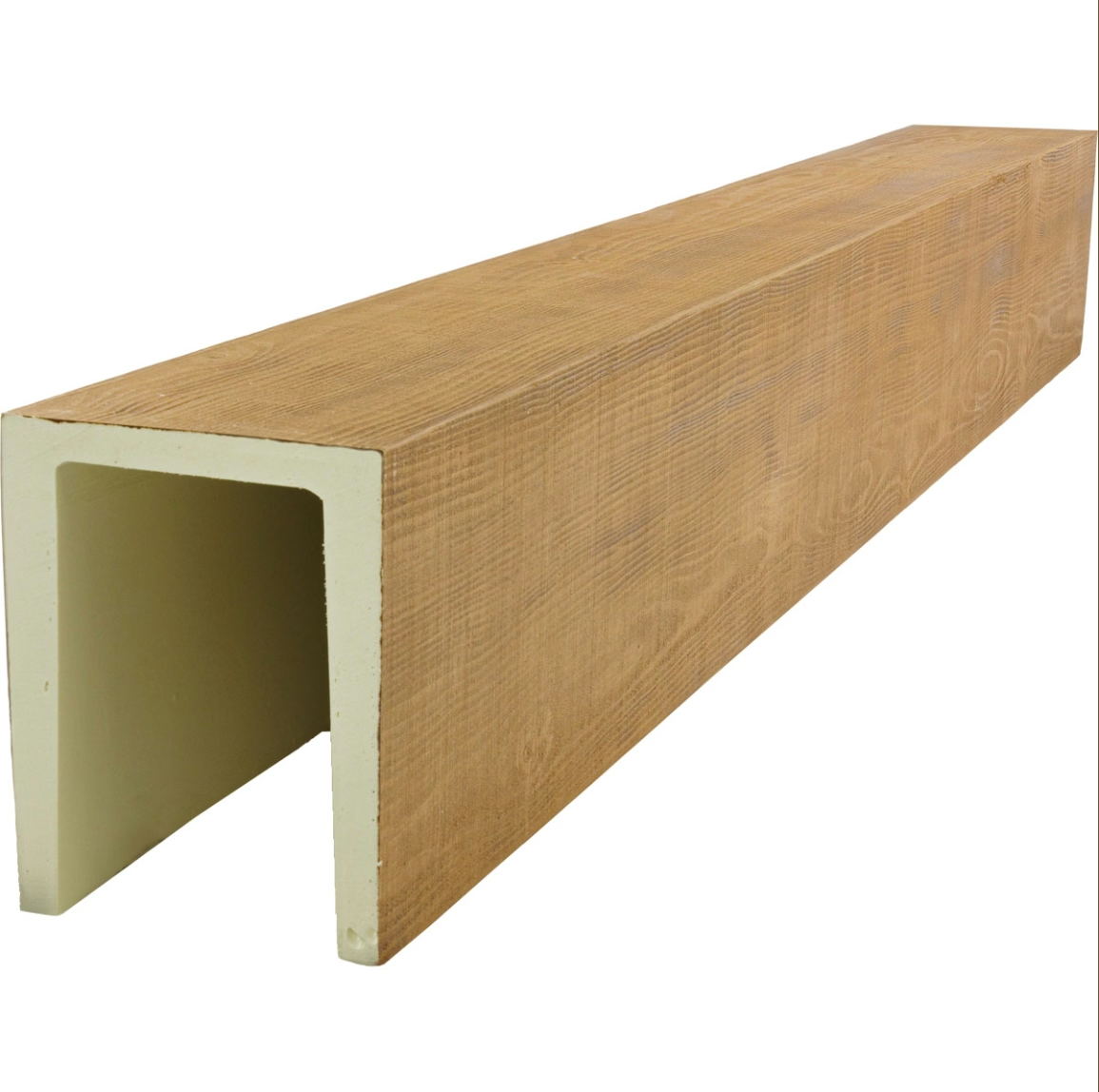
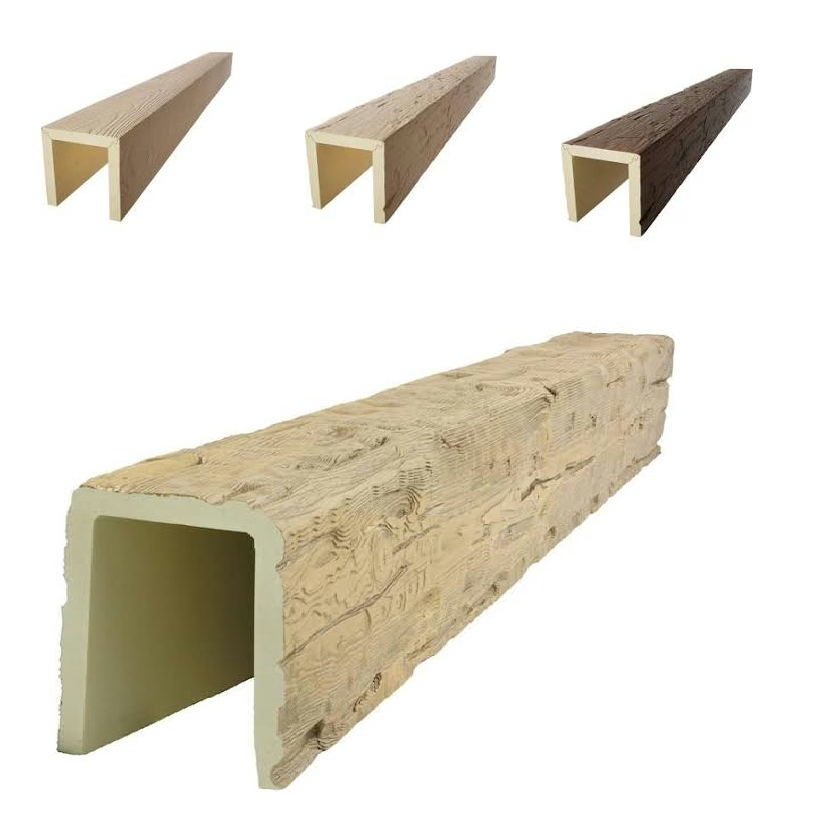
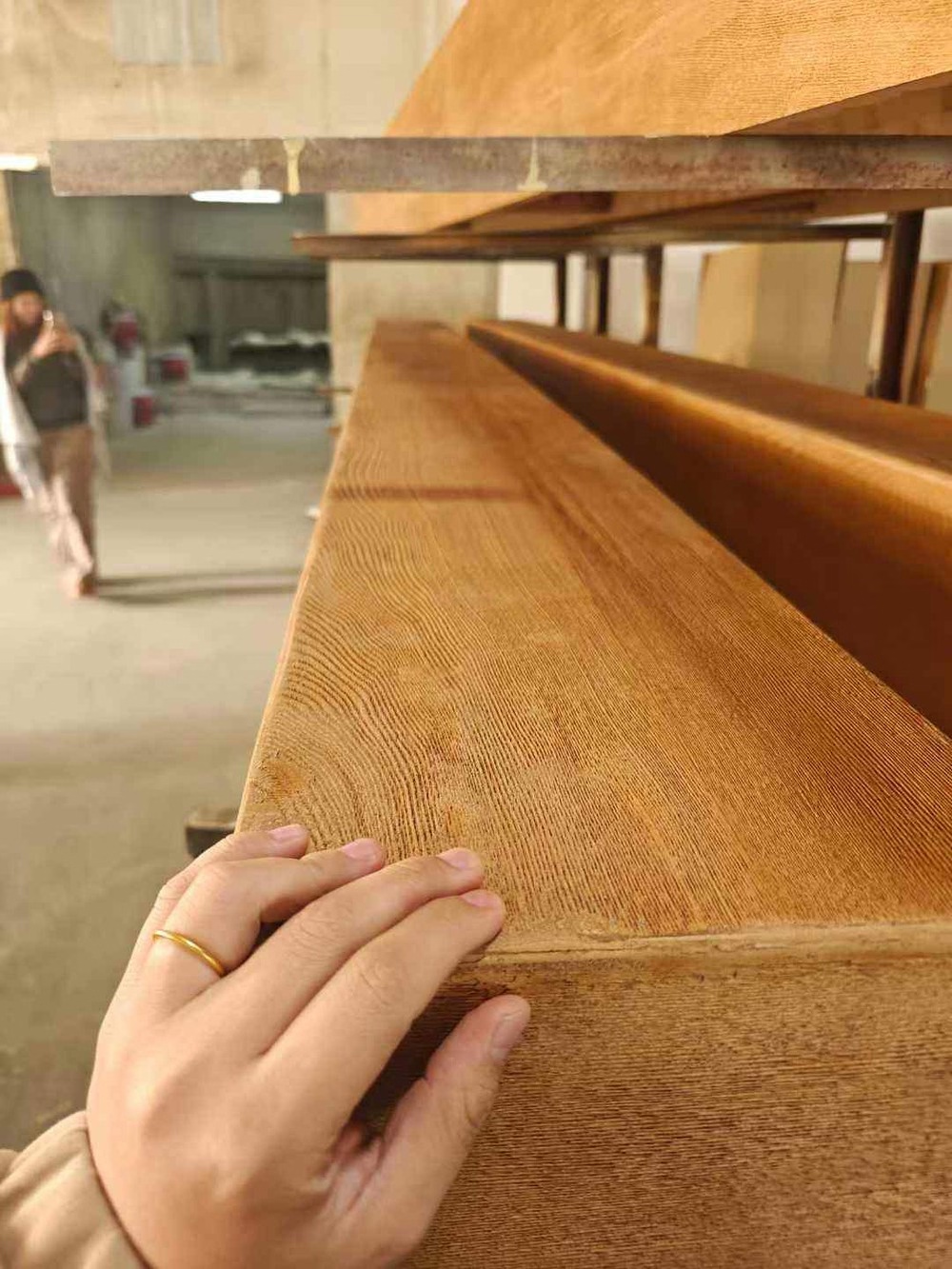
Indoor air quality has emerged as a critical consideration in building material selection, driven by increasing awareness of how chemical emissions affect occupant health and comfort. New furniture, paint, flooring, and construction materials can release volatile organic compounds that create immediate irritation and contribute to long-term health concerns. For families choosing materials for their homes, the emission profile of each product matters as much as its appearance and durability. Zero-odor PU faux timber beams address these concerns directly, providing wood's aesthetic warmth without the chemical baggage that synthetic materials sometimes carry.
The distinction between "low-VOC" and "zero-VOC" claims matters significantly for sensitive applications. Many products labeled low-VOC still emit measurable compounds during curing or when heated. Zero-odor formulations eliminate this concern entirely, producing no detectable chemical emissions under normal conditions. This difference proves particularly valuable for households with children, elderly family members, or individuals with chemical sensitivities.
Understanding Odor and Irritation in Building Materials
Volatile organic compounds create noticeable odors when they release from materials into indoor air. These emissions originate from solvents, adhesives, binders, and additives that manufacturers incorporate into building products. While some emissions dissipate quickly as materials cure, others continue releasing gradually over extended periods, creating ongoing exposure that accumulates without conscious awareness.
Respiratory irritation from VOC exposure manifests through symptoms that occupants often attribute to other causes. Headaches, eye irritation, throat discomfort, and fatigue commonly accompany poor indoor air quality but resolve when occupants leave the building. For sensitive individuals, these reactions can become severe enough to require medication or medical intervention.
Long-term exposure concerns extend beyond immediate sensory irritation. Research continues emerging about connections between chronic low-level chemical exposure and various health conditions. While definitive causal relationships remain under investigation, the precautionary principle suggests minimizing unnecessary exposure wherever practical alternatives exist.
The building industry has responded to these concerns through emission standards and third-party certification programs. Products bearing relevant certifications have undergone testing by independent laboratories, providing assurance that marketing claims reflect actual performance. Understanding which certifications carry meaning helps consumers make informed choices.

How Zero-Odor PU Beams Achieve Emission-Free Performance
Manufacturing formulation determines the emission characteristics of finished products. Zero-odor PU beams utilize carefully selected raw materials that inherently resist VOC generation, avoiding problematic ingredients at the source rather than relying on post-manufacturing treatment. This approach provides permanent protection rather than temporary masking.
The polyurethane itself can be formulated with water-based or low-emission chemistries that avoid the solvents traditional foam production employed. Modern manufacturing processes operate at lower temperatures and pressures, further reducing the potential for thermal degradation that generates unwanted emissions. The result is a finished product that remains chemically stable throughout its service life.
Surface coatings and finishes applied to beams receive equal scrutiny in zero-odor products. Water-based stains, natural oils, and waterborne topcoats replace solvent-based alternatives that would compromise overall emission performance. These modern finishes achieve equivalent or superior appearance and durability while eliminating the chemical concerns associated with traditional finishing products.
Quality manufacturers provide emission testing documentation demonstrating compliance with recognized standards. Third-party laboratory results verify that products perform as claimed, providing the verification that responsible specification requires. This documentation supports informed decision-making for both residential consumers and commercial project teams.
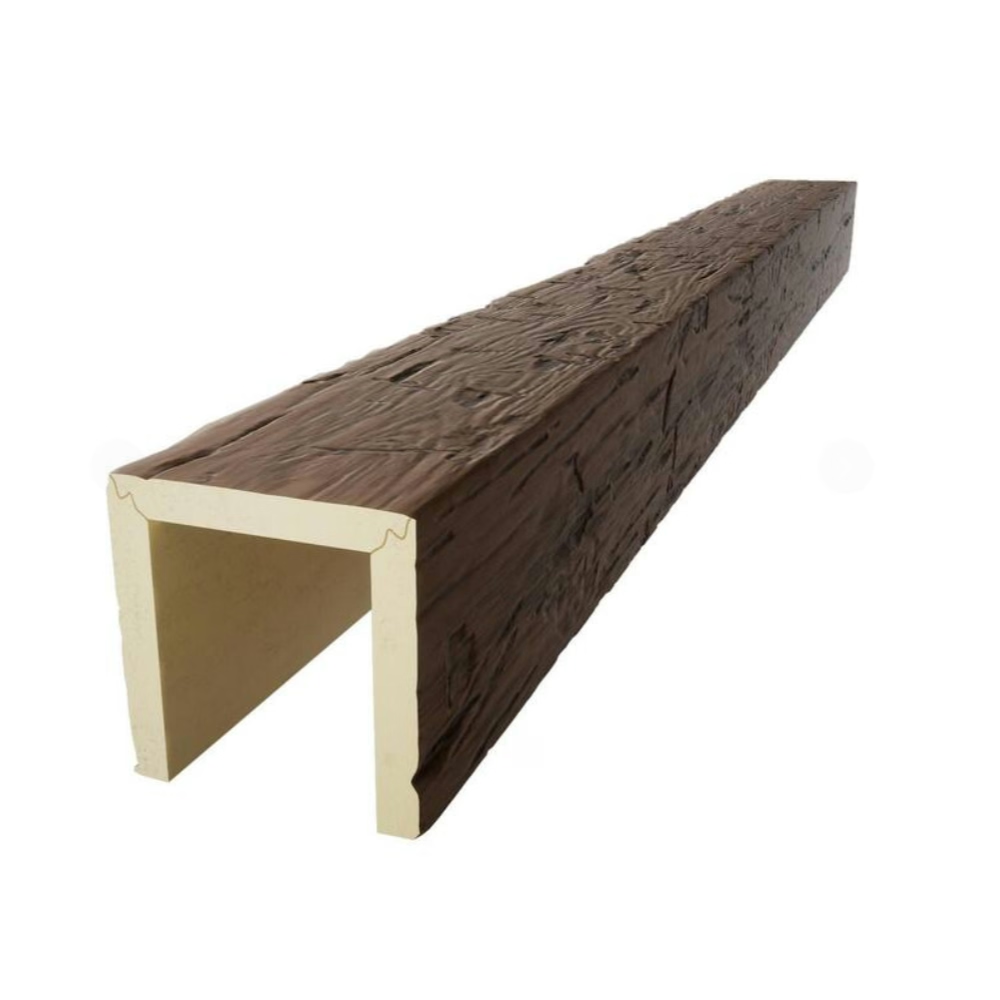
Applications Where Zero-Odor Properties Matter Most
Nurseries and children's rooms represent the highest-sensitivity application category for any building material. Infants and young children breathe more air per pound of body weight than adults, increasing relative exposure to any emissions present. The extended time children spend in their rooms compounds this exposure throughout critical developmental periods.
Healthcare facilities must balance patient comfort against stringent hygiene requirements. Zero-odor beams contribute to healing environments without introducing irritants that could complicate patient recovery. The combination of authentic appearance and emission-free performance supports both aesthetic and clinical objectives.
Educational environments house children for extended periods while maintaining active ventilation requirements that standard residential construction might not meet. Zero-odor beams provide design flexibility for learning spaces without creating air quality concerns that could affect student concentration or health. The contribution to overall indoor environmental quality supports educational effectiveness.
Offices and commercial spaces increasingly recognize the connection between air quality and worker productivity. Studies document measurable performance improvements in buildings with superior indoor environments. Zero-odor beam installations contribute to these high-performance spaces without the compromises that less thoughtful material selection might impose.
Indoor Air Quality Certification Standards
GREENGUARD certification, now part of UL Solutions, establishes emission limits for indoor products. Products meeting this standard have demonstrated low chemical emission levels through testing in controlled chamber environments. The certification applies to both residential and commercial contexts, with distinct limits for each application type.
FloorScore certification addresses emissions from hard surface flooring and related products including beams and moldings. This certification, administered through the Resilient Floor Covering Institute, provides assurance specifically relevant to floor-level and ceiling installations where air circulation patterns concentrate emissions.
AgBB certification originates from a German testing protocol that evaluates VOC emissions for volatile organic compound content and formaldehyde levels. The scheme has gained international recognition as a rigorous standard that informs European building material selection. Products bearing AgBB compliance meet demanding emission performance requirements.
CDPH Standard Method for Testing and Evaluation of VOC Emissions from Building Materials assesses products using the same protocols that California uses for its Section 01350 specification. This method has become a de facto national standard for low-emission products in green building programs.
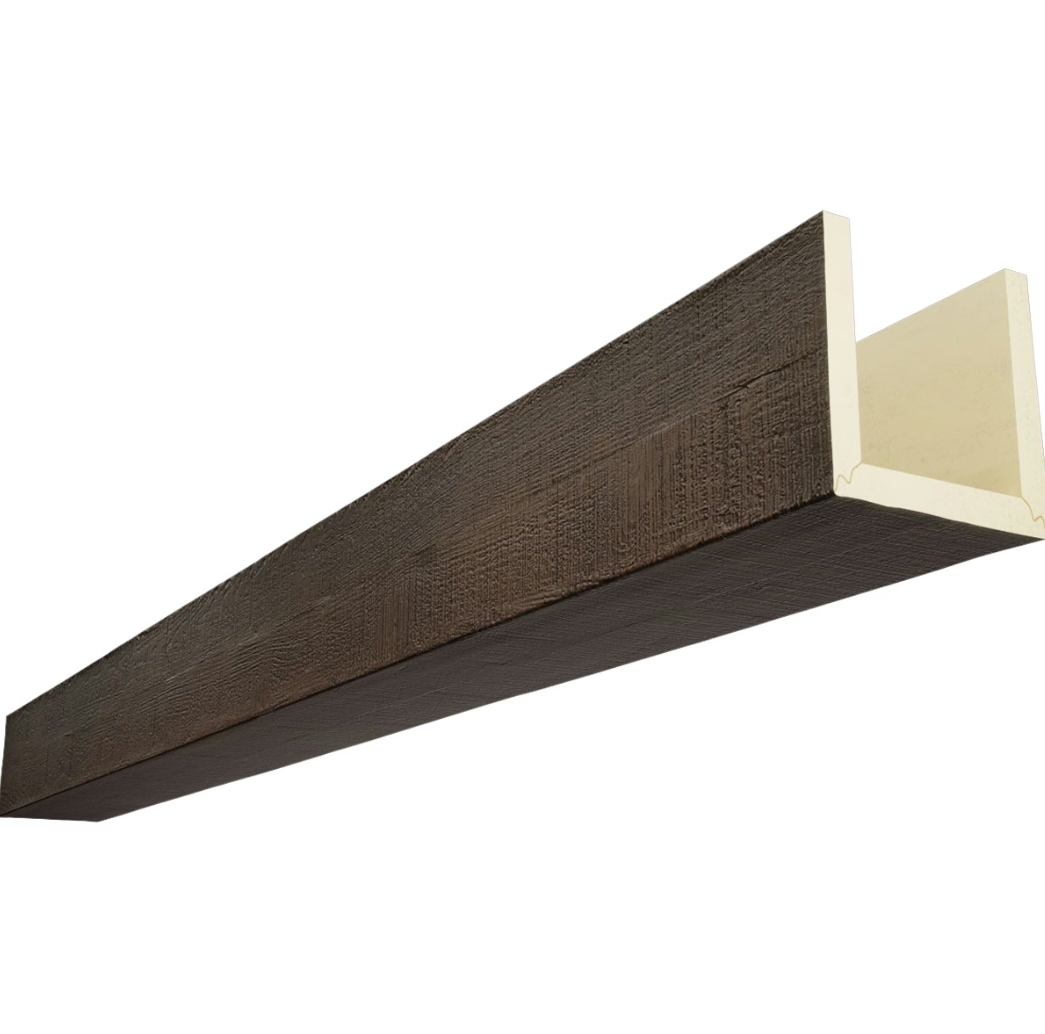
Making Informed Specification Decisions
Product selection should begin with verification of emission performance through appropriate certification. Marketing claims and sales representations cannot substitute for third-party verification that independent testing provides. Responsible manufacturers provide certification documentation readily, enabling informed comparison between alternatives.
Material submittals for commercial projects should include emission testing documentation alongside physical specifications. This documentation supports the indoor environmental quality objectives that increasingly appear in project requirements. The trend toward documented material performance continues accelerating across all building sectors.
Residential purchasers should request emission documentation from retailers or directly from manufacturers. The information may require contacting technical support rather than appearing on product packaging, but responsible manufacturers make this information available to interested customers. The additional effort demonstrates commitment to making choices that protect family health.
The price premium for zero-odor products often proves less than feared when full lifecycle costs enter the calculation. Health benefits, reduced ventilation requirements, and avoided remediation costs contribute to economic value that simple material price comparison misses. The true cost of exposure to irritating materials extends far beyond their purchase price.

Technical References
ASTM standards cited in every specification
Test Data
Lab results from internal testing program
Updated 2026
Reviewed against current product specs