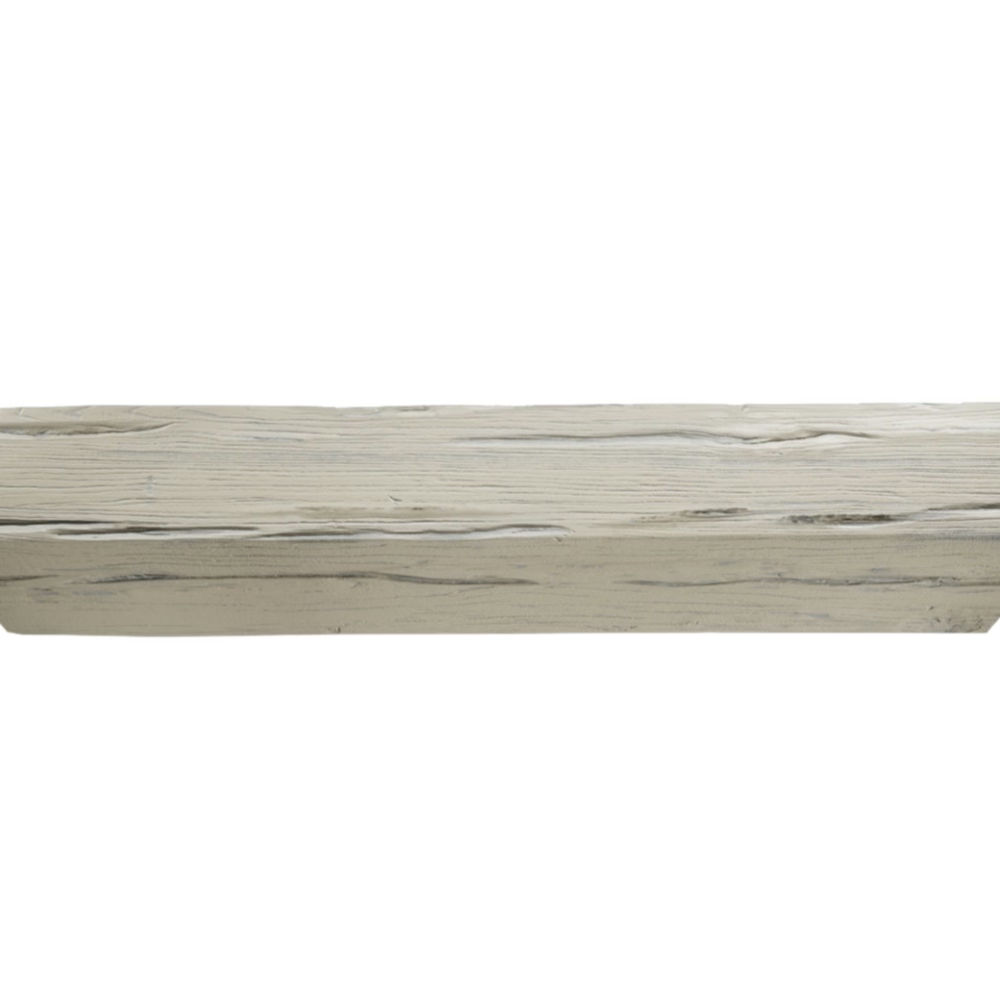
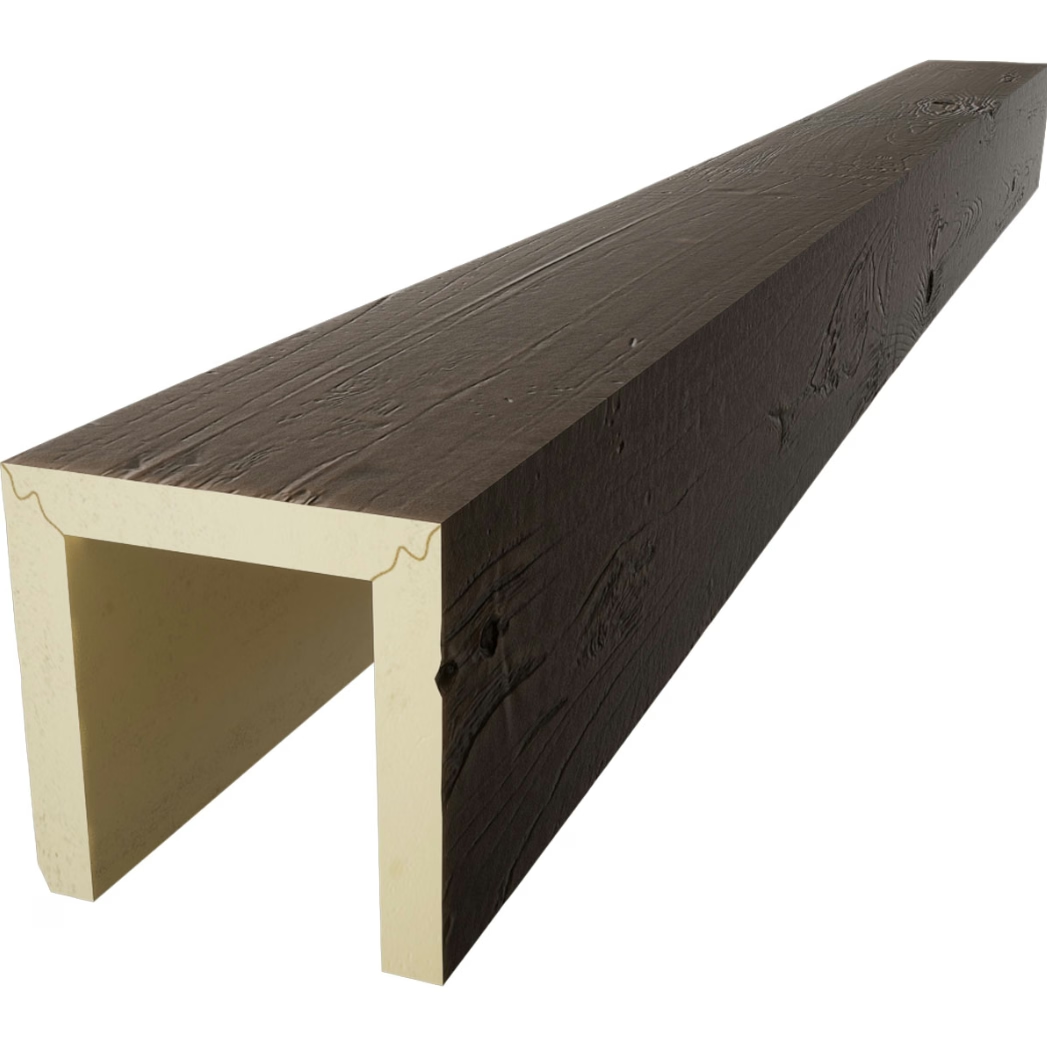
Environmental awareness has transformed material selection across the construction industry, with architects, builders, and homeowners increasingly considering how products affect both immediate surroundings and broader ecological systems. The healthy home movement extends this thinking beyond energy efficiency and recycled content toward the fundamental question of what goes into the spaces where people live and work. Non-toxic environment-friendly PU faux beams represent thoughtful responses to these concerns, providing wood's visual warmth without introducing the chemical compounds that concern many specification teams and homeowners.
The term "environment-friendly" encompasses multiple considerations including material sourcing, manufacturing processes, installation requirements, and end-of-life disposition. Each factor contributes to overall environmental impact that responsible specification must address. PU beams perform favorably across these criteria when compared against alternatives that might appear more obviously "natural" while carrying hidden environmental costs.
Understanding Toxicity in Construction Materials
Toxicity concerns in construction materials extend beyond acute poisoning risks to include chronic exposure effects that manifest over extended periods. Volatile organic compounds, formaldehyde emissions, and persistent bioaccumulative toxins all contribute to indoor air quality degradation that affects occupant health. The cumulative nature of this exposure makes prevention more effective than remediation.
Children prove particularly vulnerable to toxic material exposure due to their developing systems and higher breathing rates relative to body size. Nursery and children's room specifications demand particular attention to material toxicity, as exposure during critical developmental periods may produce effects that manifest later in life. This vulnerability motivates parental interest in non-toxic alternatives across all material categories.
Sensitive individuals experience reactions to chemical exposures that most people tolerate without symptoms. Multiple chemical sensitivity, asthma, and respiratory allergies can flare in response to common building material emissions. Non-toxic specifications enable occupancy by these sensitive individuals, expanding market access for properties that accommodate diverse occupant needs.
Workplace toxicity affects employee health, productivity, and retention in ways that increasingly inform corporate material selection. Offices with poor indoor air quality experience higher absenteeism, lower productivity, and reduced employee satisfaction. Non-toxic material specification addresses these concerns while contributing to overall workplace quality.

How Environment-Friendly PU Beams Address These Concerns
Manufacturing formulation determines the toxicity profile of finished products. Quality manufacturers select raw materials that inherently resist VOC generation, avoiding problematic solvents and additives that cheaper alternatives employ. The formulation decisions made at the design stage create products that are inherently safe rather than requiring post-manufacturing treatment.
Third-party certification verifies that products perform as claimed regarding toxicity. Independent laboratory testing provides objective confirmation that marketing representations reflect actual characteristics. Certifications like GREENGUARD, FloorScore, and similar programs subject products to rigorous evaluation that unverified claims cannot match.
Water-based finishing systems eliminate solvent-based coating concerns that would otherwise compromise non-toxic claims. Stains, sealers, and topcoats all receive attention in comprehensive non-toxic formulations, ensuring that every component meets the same standards. This complete approach distinguishes genuine environment-friendly products from those making partial claims.
Installation safety extends beyond finished product characteristics to include on-site conditions during application. Non-toxic products eliminate ventilation requirements that solvent-based alternatives impose, enabling faster installation in occupied spaces without disrupting occupant activities or exposing workers to harmful fumes.
Environmental Benefits Beyond Toxicity
Manufacturing efficiency affects environmental footprint significantly. PU beam production generates minimal waste compared to timber milling that produces substantial scrap material. The precision of molded production means that material utilization approaches theoretical maximums that conventional woodworking cannot achieve.
Lightweight shipping reduces transportation emissions that contribute substantially to overall product footprint. The weight difference between PU and equivalent timber products translates directly into fuel savings during distribution. For projects requiring long-distance shipping, these savings become particularly significant.
Product longevity reduces replacement frequency and associated environmental costs. Durable beams that maintain appearance for decades avoid the循环 of removal, disposal, and replacement that shorter-lived alternatives require. The extended service life improves lifecycle assessment metrics that capture true environmental impact.
Some manufacturers have implemented take-back programs that capture end-of-life products for recycling or energy recovery. While polyurethane recycling infrastructure remains limited, energy recovery from PU waste provides better outcomes than landfill disposal. These programs demonstrate commitment to environmental responsibility beyond initial production.
Green Building Program Compatibility
LEED certification considers material selection as part of overall building performance assessment. Non-toxic PU beams contribute to Indoor Environmental Quality credits that reward low-emission products. The contribution helps projects achieve certification levels that market positioning increasingly demands.
WELL Building Standard emphasizes occupant health through material requirements that exceed standard green building programs. Non-toxic specification aligns with WELL requirements for materials that support healthy indoor environments. The alignment enables projects pursuing WELL certification to count beam installations toward achievement.
Living Building Challenge imposes the most demanding material requirements in the green building arena. While some LBC requirements may prove challenging for polyurethane products, non-toxic formulations demonstrate commitment to the responsible material selection that LBC promotes. Projects pursuing LBC certification should verify specific product compliance.
Green Globes and other regional programs offer certification paths that recognize non-toxic material selection. The flexibility of these programs accommodates diverse approaches to environmental improvement, including the product-level choices that beam specification represents. Participation demonstrates commitment that increasingly influences market perception.
Making Responsible Specification Decisions
Product documentation provides the evidence that responsible specification requires. Safety data sheets, environmental product declarations, and certification documentation enable informed comparison between alternatives. The information availability distinguishes serious environmental claims from greenwashing that superficially embraces sustainability messaging.
Manufacturer commitment to environmental improvement demonstrates corporate values that extend beyond individual product specifications. Companies with established environmental management systems, sustainability reports, and documented improvement programs demonstrate the consistency that responsible purchasing requires.
Supply chain transparency reveals sourcing practices that affect overall product environmental impact. Understanding where materials originate and how they arrive at manufacturing facilities provides context that finished product specifications cannot supply. This transparency increasingly appears as a purchasing requirement for institutional buyers.
Total cost of ownership analysis captures environmental benefits that simple price comparison misses. Longer service life, reduced maintenance, and avoided replacement costs all factor into true cost calculations. Environment-friendly products often prove economically competitive when these factors receive appropriate consideration.

Technical References
ASTM standards cited in every specification
Test Data
Lab results from internal testing program
Updated 2026
Reviewed against current product specs


