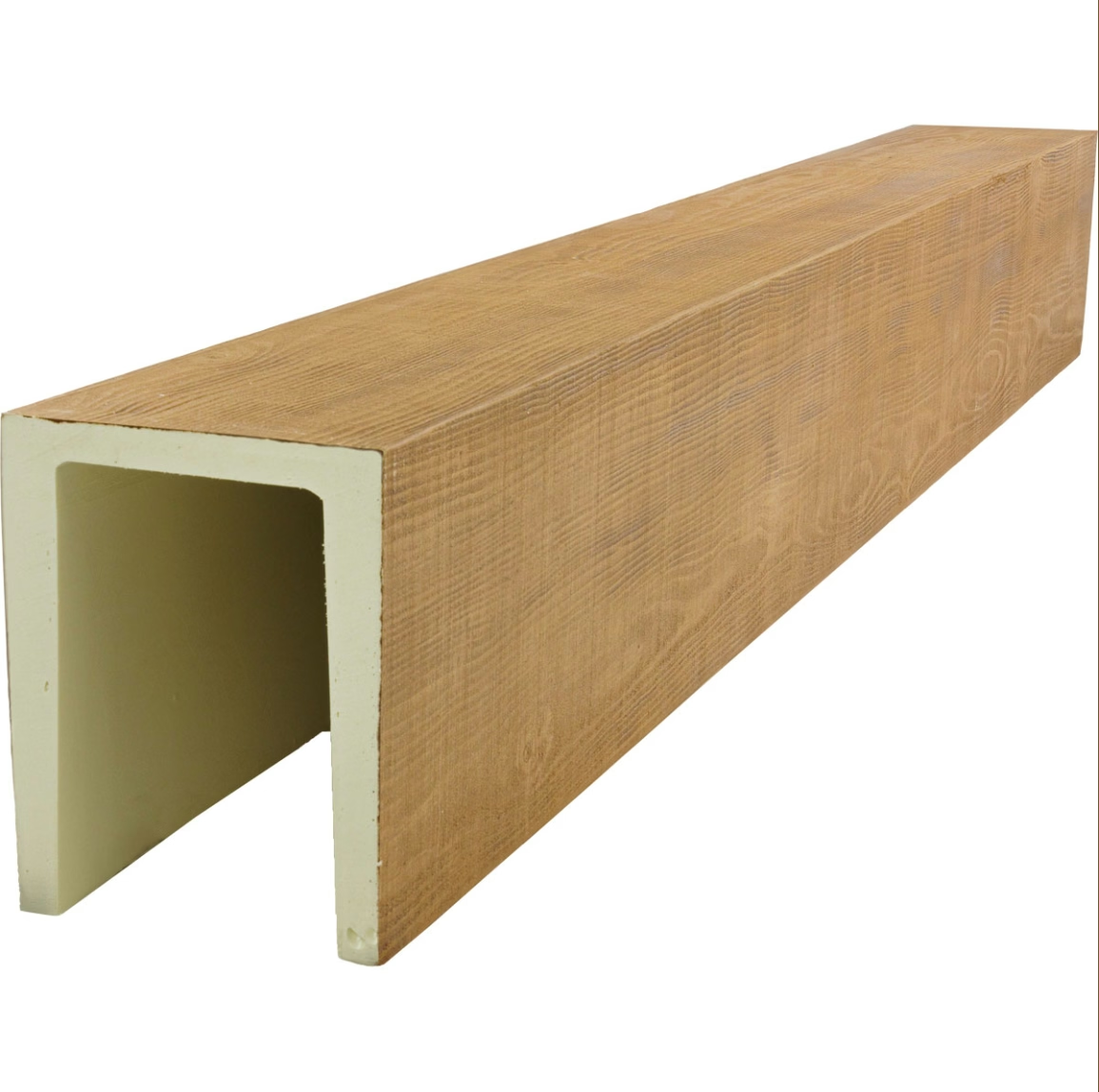
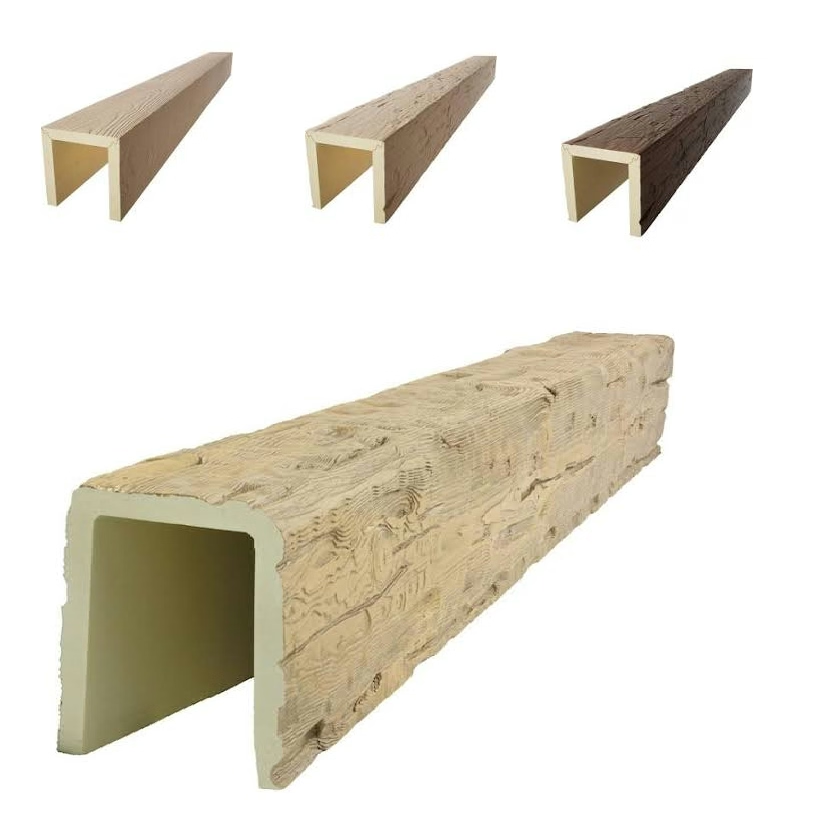
The invisible qualities of building materials often matter more than their visible characteristics. While color, texture, and finish capture immediate attention, the chemical emissions that materials release into breathing air determine whether spaces support or undermine occupant health. Volatile organic compounds create the lingering "new building" smell that most people recognize, but far fewer understand that these same compounds contribute to health effects ranging from headaches to chronic respiratory conditions. Low VOC non-toxic PU faux beams address this invisible concern directly, providing attractive ceiling treatments without the emission baggage that lesser products carry.
Regulatory agencies and building standards have progressively tightened VOC limits as research reveals previously unrecognized health impacts. The materials that satisfied specification requirements a decade ago may no longer meet current standards. Understanding current VOC considerations helps specifiers and homeowners select products that serve occupants well both immediately and over extended timeframes.
The Chemistry of VOC Emissions
Volatile organic compounds encompass a broad chemical category defined by vapor pressure characteristics rather than specific chemical identities. Thousands of individual compounds fall within this definition, with vastly different health effects ranging from negligible to severe. Testing and certification programs evaluate total emissions rather than individual compounds, capturing the cumulative exposure that building occupants experience.
VOC generation occurs through off-gassing as solvents and unreacted monomers evaporate from finished products. This process proceeds most rapidly immediately after manufacturing but continues at reduced rates throughout product service life. The extended emission period means that even low-emission products continue releasing small quantities indefinitely, making initial emission levels critical to long-term exposure.
Additive ingredients often prove more problematic than primary materials. Flame retardants, plasticizers, stabilizers, and colorants each contribute their own emission profiles, creating complex mixtures that individual compound testing cannot fully characterize. Comprehensive emission testing captures this mixture effect, providing more relevant exposure information than ingredient disclosure alone.
Formulation choices determine whether products emit significant VOCs or remain essentially emission-free. Water-based systems, bio-based materials, and carefully selected chemical ingredients can achieve very low emission levels. These formulations cost more than conventional alternatives, explaining the price premium that certified low-VOC products sometimes carry.

Why Low VOC Specification Matters
Acute health effects from VOC exposure include the symptoms that building occupants commonly associate with "sick building syndrome." Headaches, fatigue, difficulty concentrating, and respiratory irritation all correlate with elevated VOC concentrations. These effects resolve when exposure ends but recur when affected individuals return to problematic environments.
Chronic exposure concerns extend beyond immediate symptoms to potentially serious health conditions. Long-term studies have associated sustained VOC exposure with respiratory disease, neurological effects, and cancer risk. While individual products rarely create significant risk in isolation, the cumulative exposure from multiple products throughout buildings creates concerns that responsible specification must address.
Sensitive populations face elevated risks that standard exposure limits do not adequately address. Children, elderly individuals, pregnant women, and those with existing respiratory conditions experience greater effects from equivalent exposures. Low VOC specification provides additional protection for these vulnerable groups that standard products might not accommodate.
Environmental persistence means that some VOCs contribute to outdoor air pollution even after leaving building interiors. Photochemical reactions in the atmosphere create secondary pollutants from building material emissions. While this impact occurs away from emission sources, the connection between indoor specification and environmental quality creates broader responsibility that thoughtful consumers increasingly recognize.
Achieving Low VOC Performance
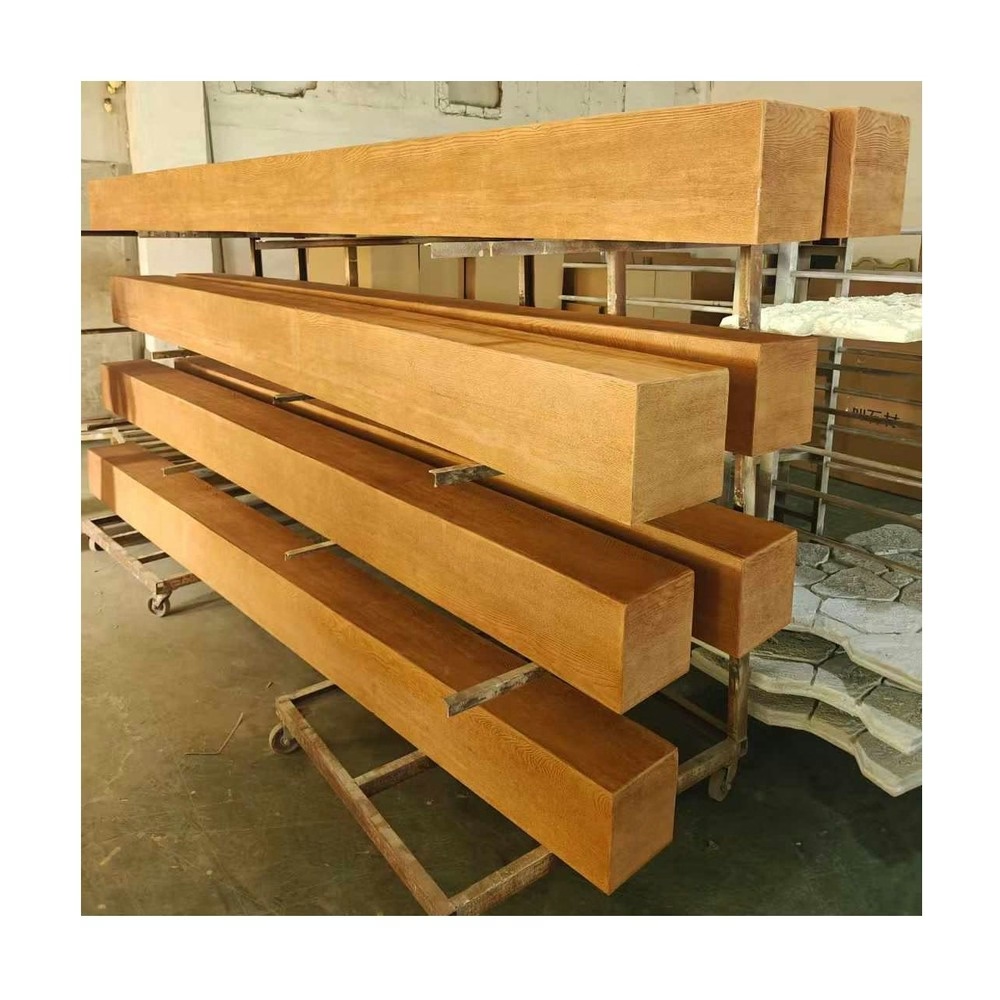
Formulation chemistry determines the VOC potential of finished products from the design stage. Manufacturers committed to low VOC performance select ingredients that inherently resist VOC generation rather than relying on processing techniques to minimize emissions from conventional ingredients. This proactive approach provides more reliable performance than reactive emission control.
Manufacturing process control affects final emission levels even with favorable formulations. Temperature, pressure, and curing conditions influence how completely reactions proceed and how much unreacted material remains in finished products. Tight process control ensures that production matches the low-emission potential that formulation enables.
Surface coatings contribute disproportionately to finished product emissions given their large exposed surface area. Low VOC finishing systems eliminate this emission source while maintaining the appearance and protection that coatings provide. Water-based stains, natural oils, and zero-VOC topcoats all enable beautiful finishes without emission compromises.
Quality assurance testing verifies that production products match the low-emission performance that formulation and process design intend. Batch testing, periodic verification, and certification maintenance programs all contribute to consistent quality. This testing provides the assurance that specification requires.
Applications Demanding Low VOC Performance
Healthcare facilities must balance stringent hygiene requirements with patient comfort considerations that chemical exposure could compromise. Patients recovering from respiratory conditions prove particularly vulnerable to airborne irritants. Low VOC beams contribute to healing environments that support rather than complicate patient recovery.
Educational facilities house children for extended periods during critical developmental stages. Air quality in classrooms affects cognitive performance and attendance, with research documenting measurable improvements in buildings with superior air quality. Low VOC specification addresses these concerns proactively.
Senior living communities serve populations with elevated sensitivity to environmental factors. Respiratory function, immune response, and chemical sensitivity all change with age, often creating increased vulnerability. Low VOC materials throughout senior living environments support resident health and comfort.
Green building projects pursuing certification inevitably include IAQ requirements that low VOC specification satisfies. LEED, WELL, and other programs award credits for material selection that meets established thresholds. The documentation that certification requires is simpler when products carry appropriate certifications.
Selection and Verification
Product certification provides the verification that responsible specification requires. Third-party testing by independent laboratories confirms emission performance that manufacturer claims cannot substitute for. Certification databases enable verification that designations remain current and apply to specific products under consideration.
Material safety data sheets provide information about chemical ingredients that might affect occupant health. While MSDS sheets focus on workplace safety rather than building occupant exposure, the information they contain provides useful context for evaluation. Products with transparent ingredient disclosure demonstrate commitment that hidden formulations do not.
Warranty provisions addressing emission performance provide recourse if products fail to meet specifications after installation. While emission-related warranty claims prove difficult to prove, the existence of such provisions indicates manufacturer confidence that supports specification decisions.
Installation practices affect final IAQ outcomes even when products themselves meet requirements. Proper ventilation during and after installation prevents accumulation that would affect immediate occupancy. Following manufacturer guidance ensures that low VOC potential translates into actual low exposure.

Technical References
ASTM standards cited in every specification
Test Data
Lab results from internal testing program
Updated 2026
Reviewed against current product specs