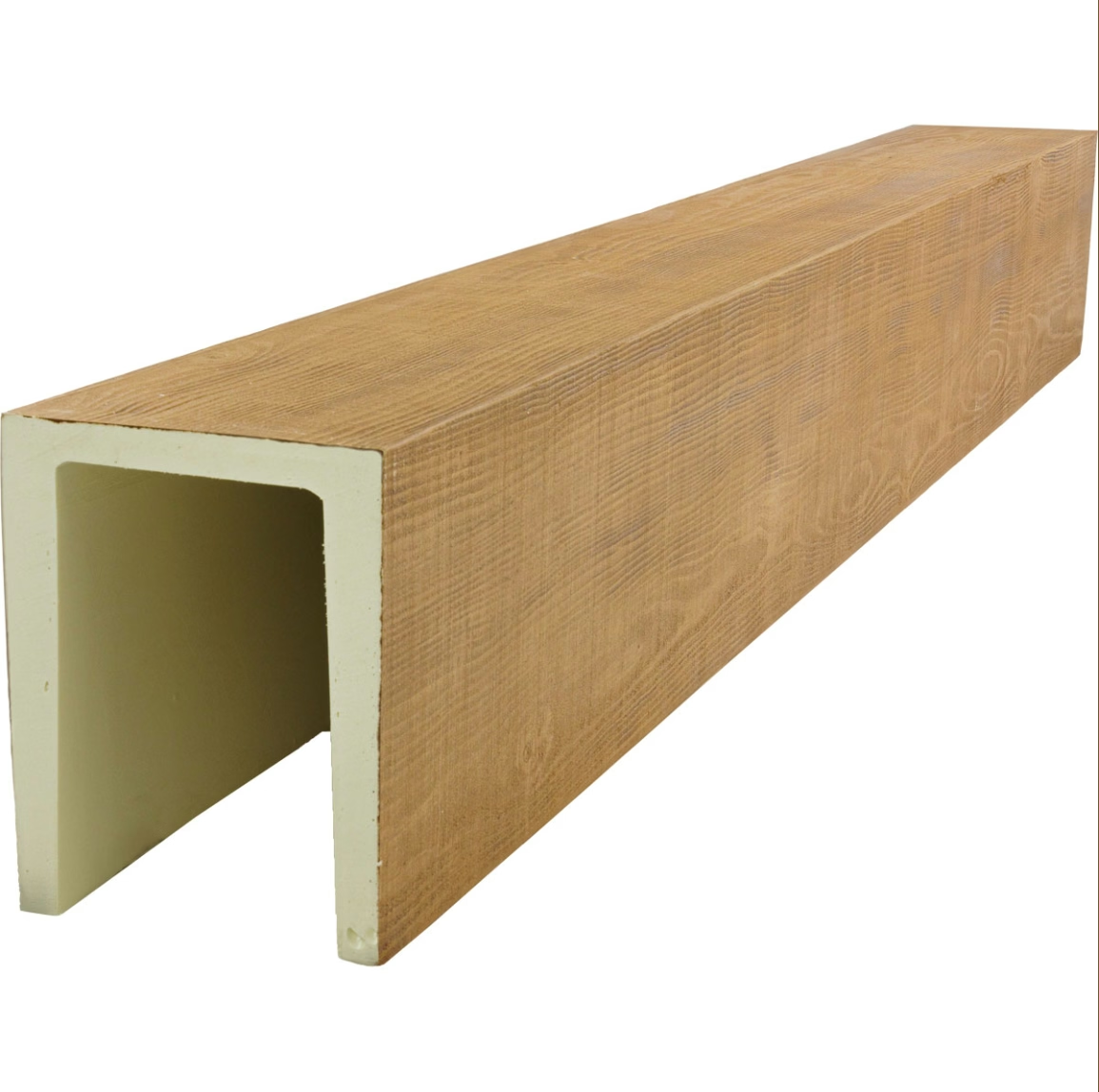
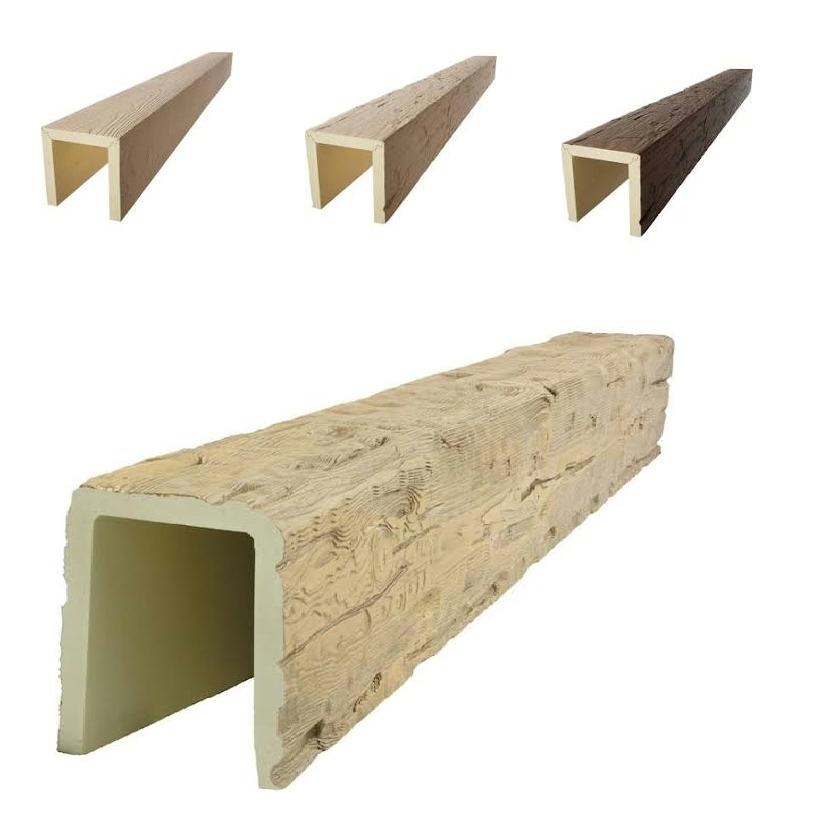
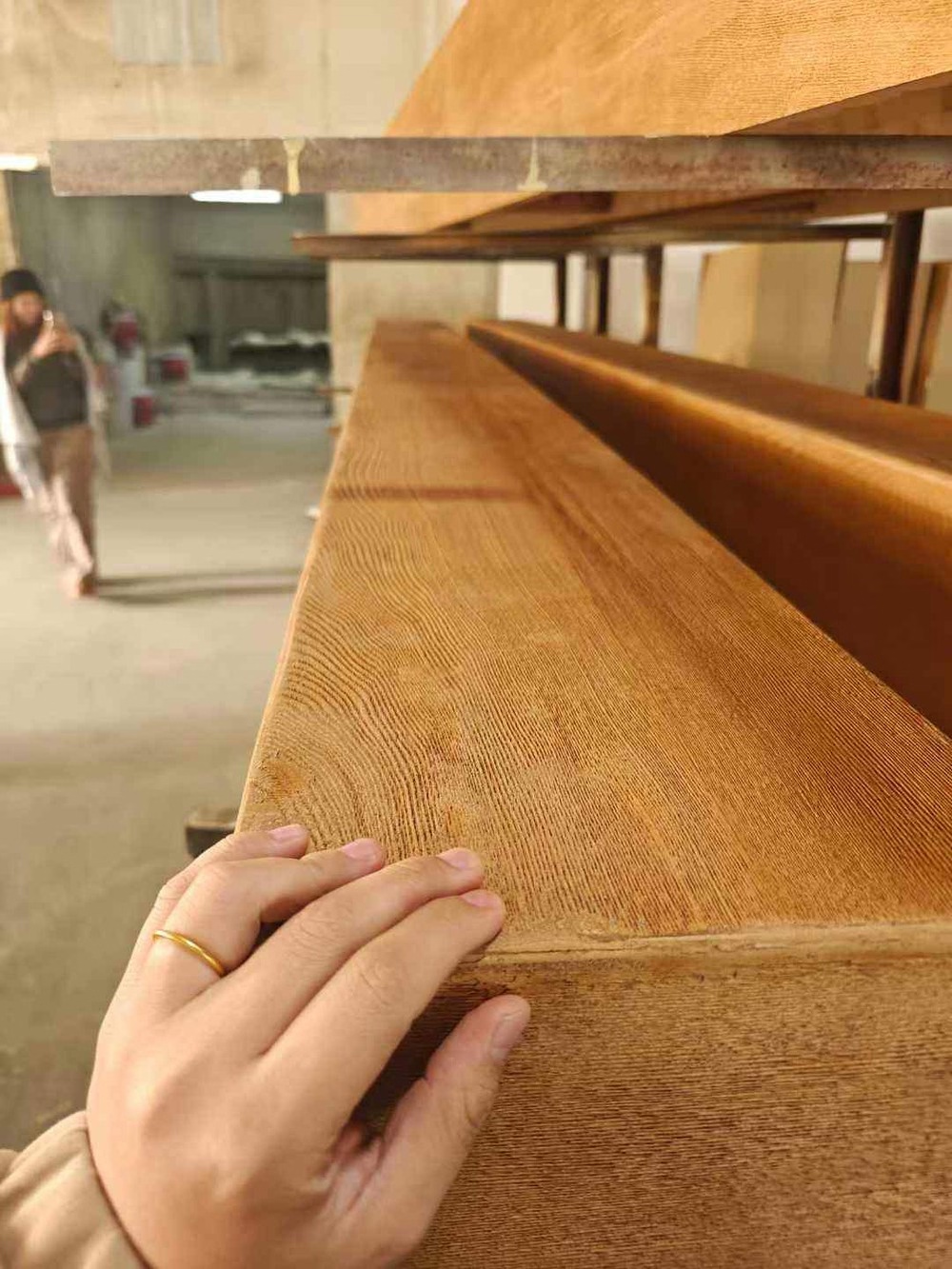
Indoor air quality has emerged as a primary determinant of occupant health, comfort, and productivity in contemporary buildings where people spend the vast majority of their time. The air inside buildings often proves more contaminated than outdoor air, with concentrations of pollutants sometimes exceeding outdoor levels by factors of ten or more. Building materials contribute significantly to this indoor pollution load, releasing compounds that accumulate in the sealed environments that modern construction creates. Non-toxic PU faux beams address this pollution source directly, providing beautiful architectural detailing without the emission baggage that lesser materials introduce.
Understanding indoor air quality requires recognizing both the sources of contamination and the factors that influence exposure severity. Ventilation rates, occupancy patterns, and material selection all interact to determine what occupants actually breathe. Thoughtful material specification contributes to healthy indoor environments by minimizing the contamination load that ventilation must manage.
The Indoor Air Quality Challenge
Modern construction sealing practices that improve energy efficiency simultaneously trap pollutants inside buildings. Insulation, weatherstripping, and air barrier systems that reduce heating and cooling loads also reduce the air exchange that would naturally dilute contaminants. Without conscious material selection to minimize pollution sources, contemporary buildings become contaminated boxes that occupants inhabit at their own risk.
Volatile organic compounds from building materials represent only one category of indoor air pollutants. Biological contaminants including mold, bacteria, and dust mites; combustion products from cooking and heating; and human activities including cleaning and personal care all contribute to indoor pollution loads. The complex mixture of these contaminants creates health effects that individual pollutant analysis cannot fully explain.
Health effects of poor indoor air quality manifest across multiple body systems and timeframes. Acute effects including headaches, fatigue, and respiratory irritation occur during exposure periods. Chronic effects including respiratory disease, neurological damage, and cancer risk accumulate over extended exposure to lower concentrations. The range of effects makes indoor air quality a significant public health concern.
Vulnerable populations including children, elderly individuals, pregnant women, and those with existing respiratory conditions experience amplified effects from equivalent exposures. These populations deserve particular protection through specification choices that go beyond minimum requirements to address their elevated vulnerability.

How Non-Toxic Beams Protect Indoor Air Quality
Material formulation determines the emission potential that manufacturing establishes permanently. Non-toxic beams utilize ingredient selection that eliminates problematic compounds from the design stage rather than relying on processing techniques to minimize emissions from conventional ingredients. This fundamental approach provides more reliable protection than reactive emission control.
Independent testing by accredited laboratories verifies that products perform as non-toxic claims suggest. The testing chambers, analytical methods, and acceptance criteria that certification programs establish provide objective evaluation that marketing claims cannot substitute for. Products bearing current certifications have demonstrated compliance with established standards.
Ongoing emission stability ensures that non-toxic characteristics persist throughout product service life. Some materials release more emissions as they age, even when initial testing shows acceptable performance. Quality assurance programs verify that certified products maintain their certified status over time, providing assurance that specification intentions translate into long-term performance.
Installation considerations affect whether material potential translates into actual air quality protection. Proper ventilation during and after installation prevents accumulation that would affect immediate occupancy. Following manufacturer guidance ensures that non-toxic potential provides actual clean air benefits.
The Connection Between Materials and Health
Respiratory health correlates strongly with indoor air quality across numerous research studies. Children growing up in homes with poor IAQ experience more respiratory infections, higher asthma rates, and reduced lung function development. Adults working in buildings with inadequate ventilation show decreased productivity and increased absenteeism. These documented effects demonstrate that material selection creates health consequences that specification must consider.
Neurological effects from chemical exposure affect cognitive function, mood, and behavior in ways that building occupants may not recognize as environmentally caused. Headaches, difficulty concentrating, and fatigue all correlate with VOC exposure, creating performance impacts that employers and families should want to minimize. The subtle nature of these effects means that they often go unrecognized until improved air quality reveals what was previously accepted as normal.
Immunological effects include both过敏 sensitization and general immune function impacts that affect disease resistance. Chemical exposure can amplify allergic responses while simultaneously reducing the immune function that protects against infection. These dual effects create vulnerability that occupants may experience as general malaise without recognizing the environmental cause.
Cancer risk from building material exposure receives serious attention despite the difficulty of establishing causal relationships for diseases with long latency periods. While individual products rarely create measurable cancer risk, the cumulative exposure from multiple materials throughout buildings creates concerns that precautionary specification should address.
Applications Where Air Quality Matters Most
Bedrooms deserve particular attention given the extended time occupants spend sleeping in these spaces. Air quality during sleep affects sleep quality, with poor IAQ contributing to the insomnia and non-restorative sleep that millions experience. The intimate scale of bedroom spaces amplifies the impact of material emissions, making low-emission specification particularly important.
Home offices have become essential spaces whose quality affects work productivity for millions of workers. The concentration required for effective work makes cognitive function particularly important, yet these spaces often receive less attention than visible living areas. Low-emission beam installations contribute to home office environments that support rather than impede productive work.
Nurseries and children's rooms require specification that accounts for children's elevated vulnerability. The combination of developing systems, higher breathing rates relative to body size, and extended time spent in these spaces creates exposure that adult-focused specification would not address. Non-toxic beams provide the protection that vulnerable children deserve.
Healthcare settings present the most demanding IAQ requirements given the vulnerability of patients and the extended time many spend in these spaces. From hospital rooms to dental offices to rehabilitation facilities, healthcare environments benefit from material selection that supports rather than complicates healing.
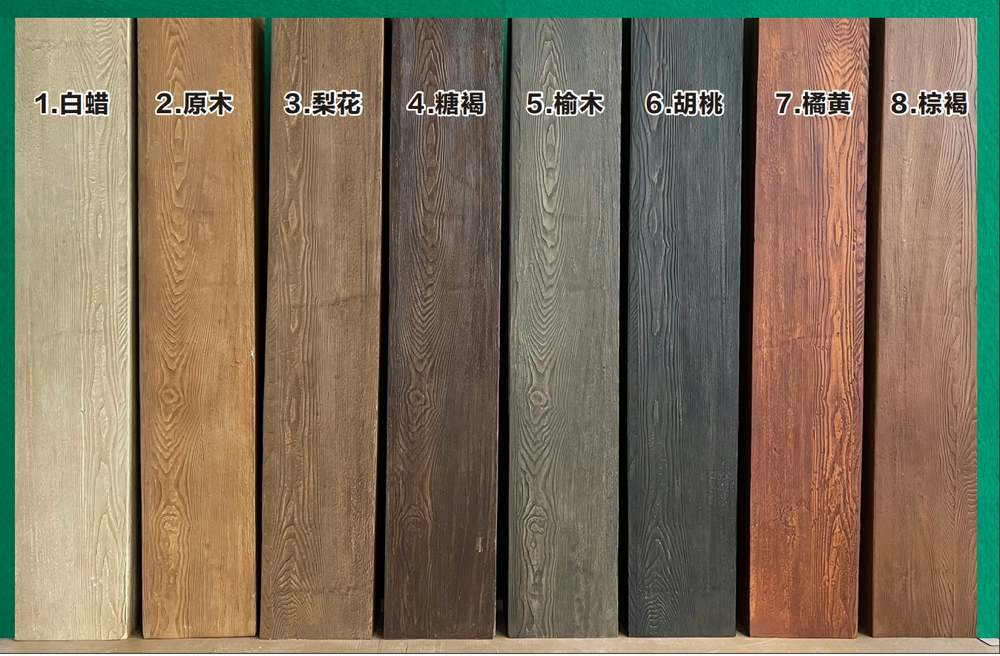
Maximizing Air Quality Benefits
Ventilation optimization ensures that whatever emissions occur disperse rapidly rather than accumulating to problematic concentrations. Mechanical ventilation systems, natural ventilation strategies, and hybrid approaches all contribute to dilution that protects occupant health. The contribution that low-emission materials make becomes more effective when ventilation systems operate properly.
Air cleaning technologies address pollution sources that material selection cannot eliminate. HEPA filtration removes particulate contaminants while activated carbon adsorption addresses gaseous compounds. These technologies complement material specification by managing emissions from sources that cannot be eliminated.
Source control through material selection remains more effective than dilution or cleaning after contamination occurs. Eliminating pollution at its source prevents the exposure that subsequent remediation cannot fully address. This hierarchy of controls prioritizes prevention that non-toxic material specification provides.
Monitoring awareness helps occupants recognize when air quality varies and respond appropriately. Carbon dioxide monitors, air quality sensors, and simple awareness of "stuffy" conditions all contribute to responsive management that protects health. Occupant education about ventilation operation maximizes the benefits that building systems and materials provide.

Technical References
ASTM standards cited in every specification
Test Data
Lab results from internal testing program
Updated 2026
Reviewed against current product specs