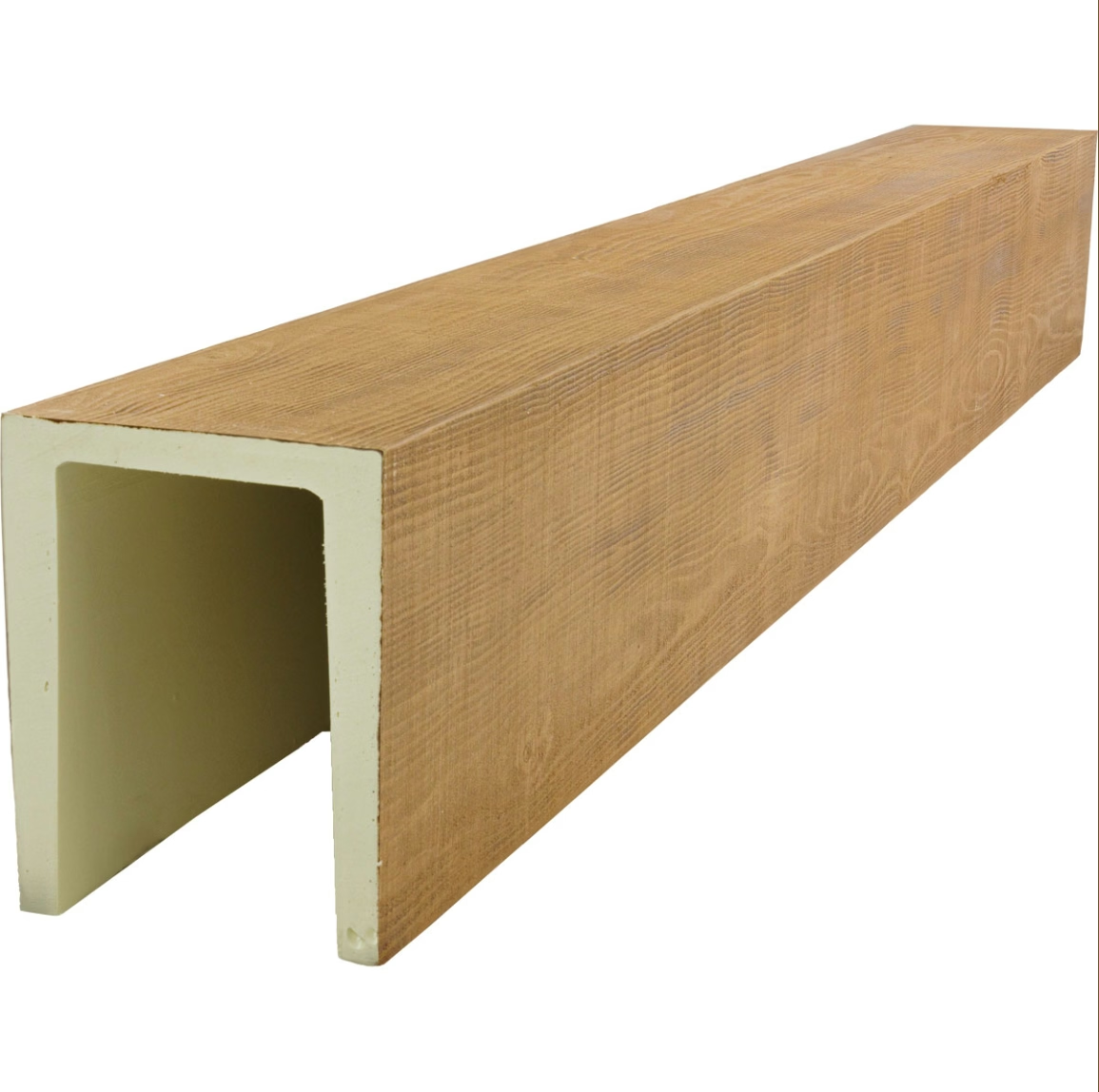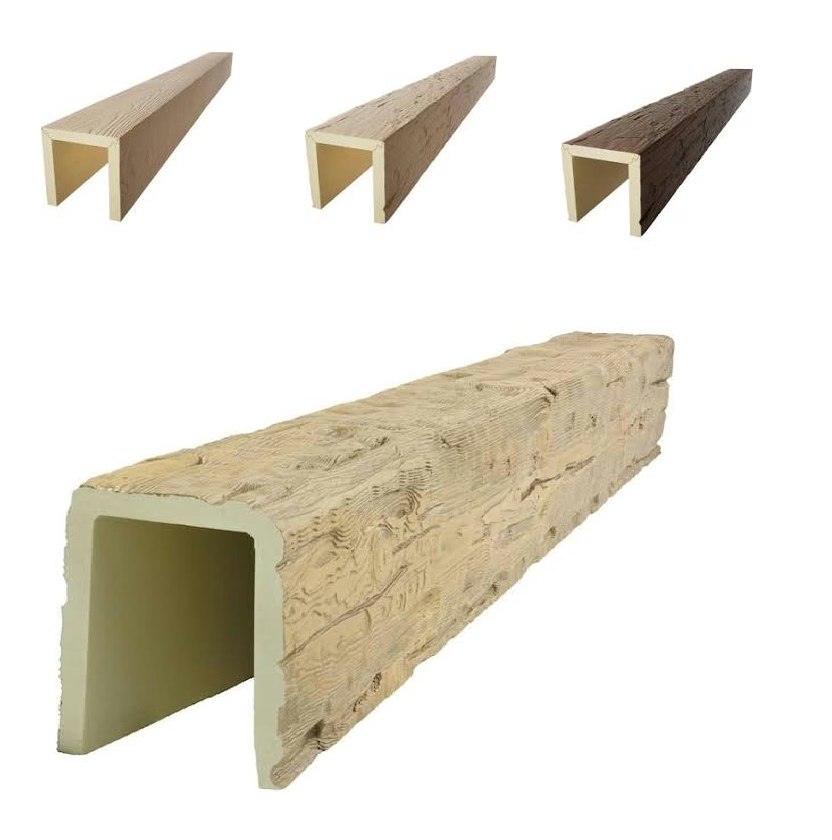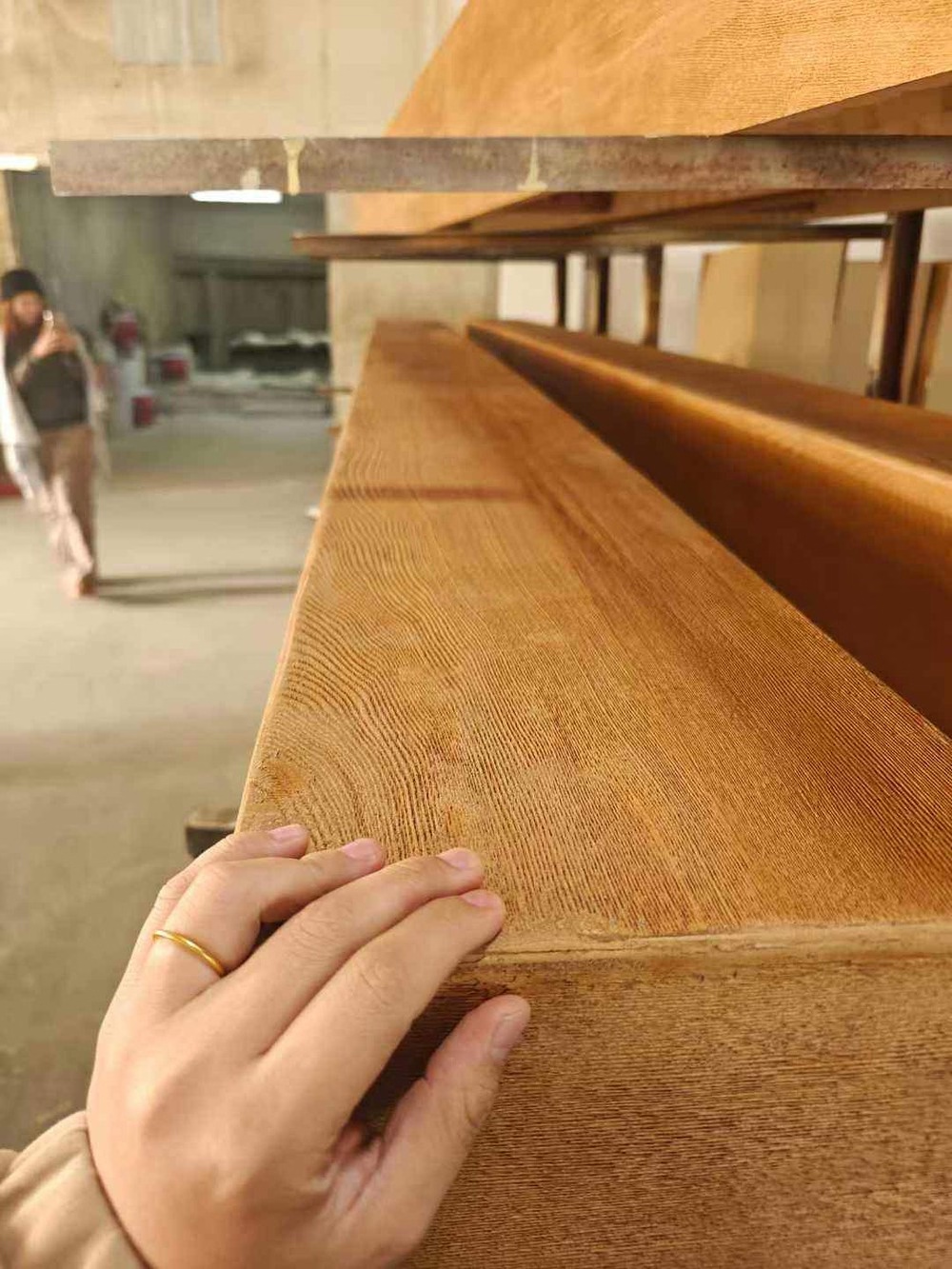
Fire safety regulations significantly influence which building materials may be used in specific applications and occupancy types. Polyurethane faux wood decorative beams, like all interior finish materials, must meet minimum fire performance requirements established by building codes and regulatory authorities. Understanding these requirements helps architects, contractors, and building owners select appropriate products and avoid costly installation failures.
Understanding Fire Performance Terminology
Flame spread index measures how quickly flames travel across a material surface under controlled test conditions. The smoke developed index quantifies the amount and rate of smoke production during combustion. These two values, determined through standardized testing, classify materials according to their fire performance characteristics. Higher ratings indicate more flammable materials with greater smoke production.
The ASTM E84 test, commonly known as the tunnel test, establishes the standard methodology for measuring surface burning characteristics of building materials in the United States. Test specimens are mounted to the ceiling of a controlled tunnel furnace, exposed to a controlled flame source, and observed for flame propagation and smoke development over a ten-minute test duration. Results are compared against red oak and fiber cement board reference materials.
International markets use different classification systems based on European or other regional standards. The Euroclass system (A1 through F) rates reaction to fire performance, while other jurisdictions use national classifications that may reference ASTM standards or proprietary test protocols. Products intended for multiple markets require testing and certification for each applicable classification system.
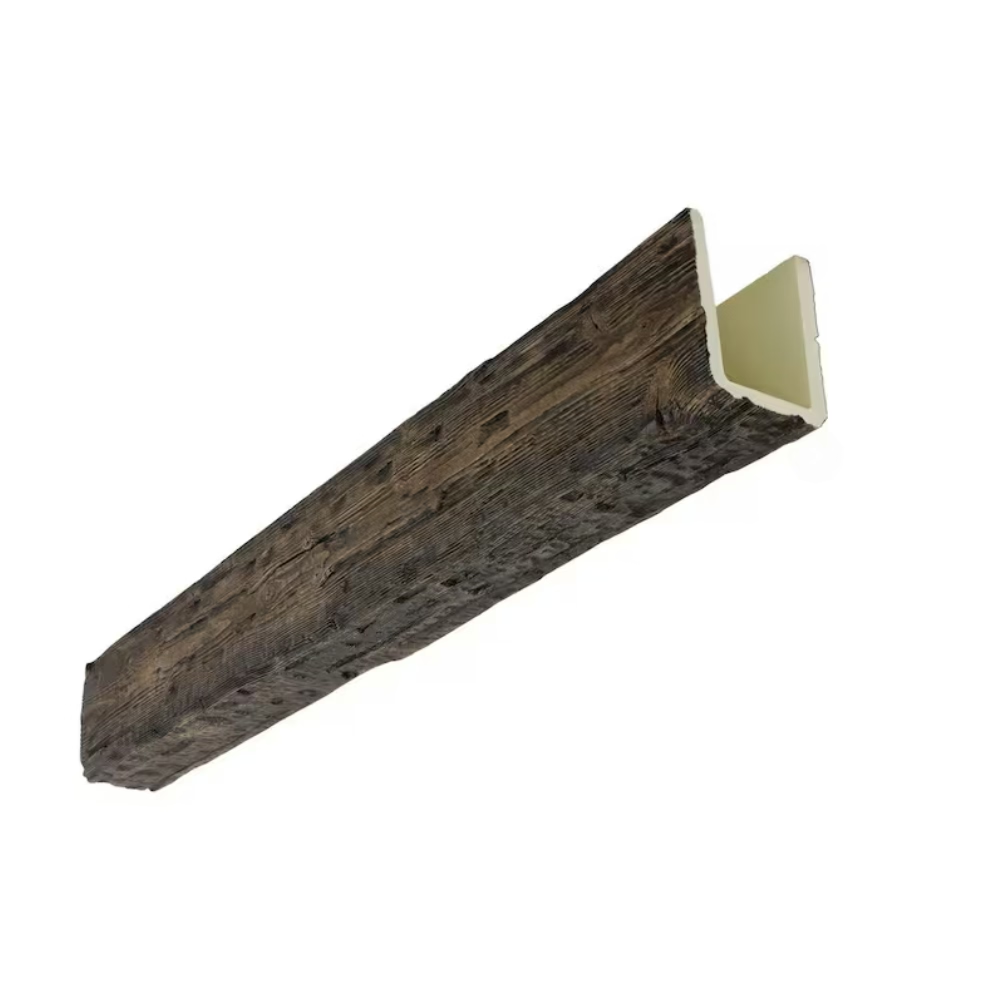
Building Code Requirements by Occupancy Type
Commercial occupancy classifications impose stricter fire performance requirements than most residential applications. Assembly occupancies including restaurants, theaters, and places of worship typically require Class A flame spread ratings for interior finishes in exitways and large gathering spaces. Class B ratings may be acceptable in other areas depending on occupancy load and exit arrangements.
Educational facilities, healthcare buildings, and residential care establishments often mandate Class A or B ratings for ceiling materials in corridors, stairways, and occupied spaces. The specific requirements vary by model code edition and adopted amendments in each jurisdiction. Code officials should be consulted during design development to confirm applicable requirements.
Residential construction generally permits wider latitude in material selection, with many one- and two-family dwellings having no flame spread requirements for ceiling finishes. Multifamily residential buildings under the International Residential Code may face increased requirements when fire sprinkler systems are not provided. Finished basements and attached garages frequently trigger upgraded requirements due to fire separation considerations.
Polyurethane Material Performance Characteristics
Untreated polyurethane foam typically achieves Class C or D flame spread ratings, placing it within acceptable ranges for many residential applications but falling short of commercial requirements. The organic composition of polyurethane supports combustion when exposed to sufficient heat, producing flammable vapors that feed flame propagation across the surface.
Flame retardant additives incorporated during manufacturing improve fire performance by interrupting combustion chemistry. These additives function through various mechanisms including gas-phase inhibition, char formation promotion, and thermal insulation. The effectiveness and type of flame retardant system influences both the achievable fire rating and environmental/health considerations.
Enhanced formulations achieving Class B ratings require more aggressive flame retardant packages combined with surface barriers or backing materials that limit heat transfer to the foam core. Class A ratings typically necessitate composite construction with non-combustible facing materials bonded to the polyurethane substrate. Understanding these material limitations guides realistic product selection for specific applications.
Testing and Certification Process
Product certification begins with testing by accredited laboratories capable of performing ASTM E84 or equivalent fire tests. Testing laboratories must demonstrate competence through accreditation to ISO 17025 standards, with specific scope coverage for building material fire testing. Test reports document methodology, results, and conclusions necessary for certification.
The certification process involves evaluation of test results against applicable building code requirements, manufacturer quality control verification, and ongoing surveillance testing. Third-party certification agencies issue certificates confirming compliance and maintain directories of certified products available for code official verification. Certified products may display testing laboratory marks or certification agency labels.
Maintaining certification requires consistent product performance across production runs and continued compliance with quality control requirements. Changes to formulations, manufacturing processes, or finished product configurations may void existing certifications and require retesting. Documentation of any product modifications enables assessment of certification validity.
Installation Factors Affecting Fire Performance
Installation configuration influences actual fire performance beyond material ratings. Gap-free installation prevents air circulation that could accelerate flame spread between materials. Proper backing and support prevents sagging or detachment that would expose edges and increase fire intensity. Manufacturer installation guidelines should be followed to maintain certified performance.
Clearance from heat-producing equipment including light fixtures, recessed lighting, and heating system components prevents localized overheating that could initiate combustion below ignition temperatures. Specified minimum clearances vary by product and equipment type, with typical requirements ranging from 3 to 12 inches depending on thermal output and airflow conditions.
Field modifications including cutting, drilling, or finishing may compromise fire performance by exposing untreated surfaces or damaging protective coatings. Certification validity depends on installation according to tested configurations. Any field modifications should be reviewed with product manufacturers or certification agencies before proceeding.
Exterior Applications and Special Considerations
Exterior installations face different fire exposure scenarios than interior applications. Reduced fire resistance may be acceptable for fully exterior installations in many jurisdictions, though products exposed to wildfire-prone areas or adjacent to building openings may face additional requirements. Wildland-urban interface construction standards increasingly affect product selection in high-risk regions.
Weather exposure testing addresses durability of fire performance under exterior conditions. UV radiation, temperature cycling, and moisture exposure may degrade flame retardant effectiveness over time. Products intended for exterior use should be tested for maintained fire performance following accelerated weathering protocols.
Specialized applications including concealed spaces, plenum chambers, and fire-rated assemblies have distinct requirements that may override surface burning requirements. Products used in these applications must demonstrate compliance with additional performance criteria for smoke development, heat release, and contribution to fire growth within the specific assembly configuration.
Technical References
ASTM standards cited in every specification
Test Data
Lab results from internal testing program
Updated 2026
Reviewed against current product specs