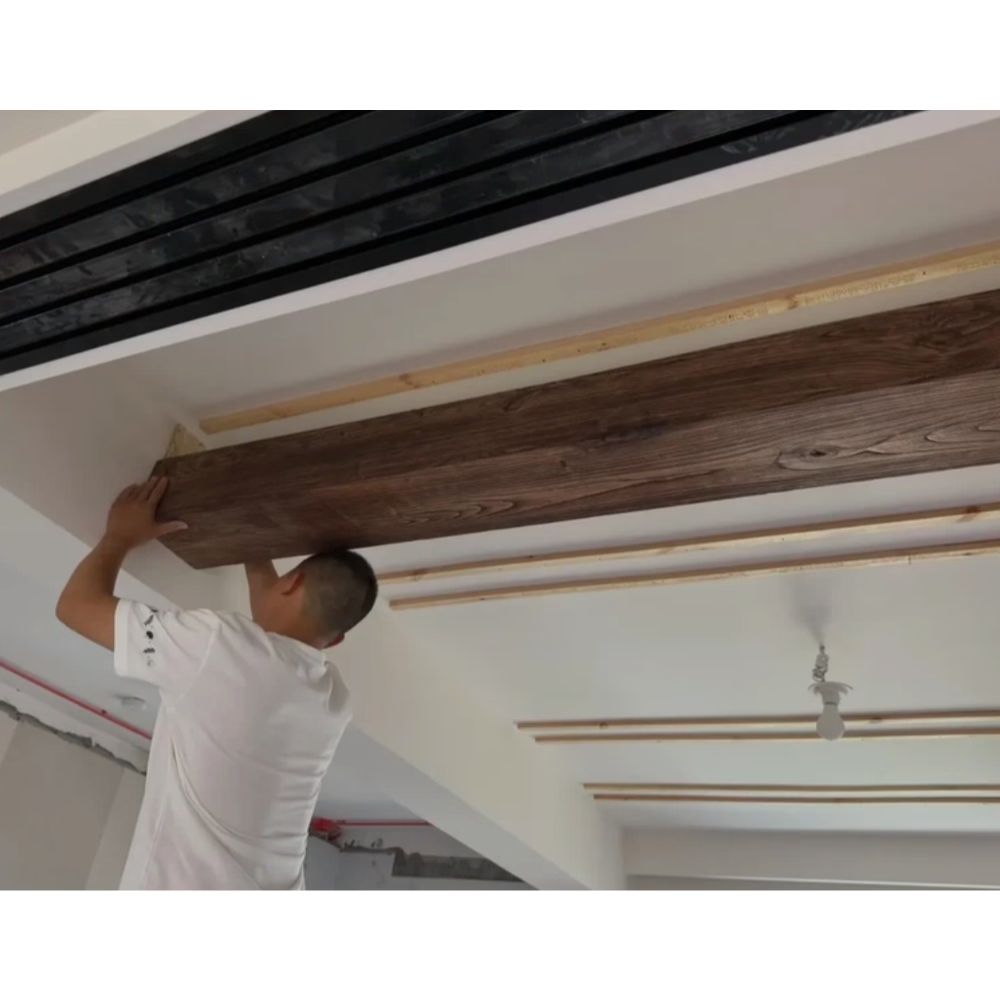
Material Safety Data Sheets provide essential hazard and handling information for polyurethane faux timber beam products throughout their lifecycle from manufacture through installation and eventual disposal. These standardized documents enable informed safety decisions by workers, safety professionals, and emergency responders. Understanding how to locate, read, and apply MSDS information protects workers and ensures regulatory compliance.
MSDS Structure and Required Sections
The Globally Harmonized System of Classification and Labelling of Chemicals (GHS) standardized MSDS format organizes information into sixteen sequential sections. This consistent structure enables rapid information location regardless of product manufacturer. Each section contains specific types of information defined by regulatory requirements.
Section 1 identifies the product and recommended uses, including manufacturer contact information for follow-up questions. Section 2 presents hazard identification using standardized hazard classes and pictograms. Sections 3 through 11 cover composition details, first aid measures, and handling precautions organized by information type.
Physical and chemical properties appear in Section 9, with stability and reactivity information in Section 10. Toxicological and ecological data populate Sections 11 and 12. Disposal considerations in Section 13 address end-of-life handling. Section 14 covers transport classification, Section 15 addresses regulatory information, and Section 16 provides preparation date and revision history.
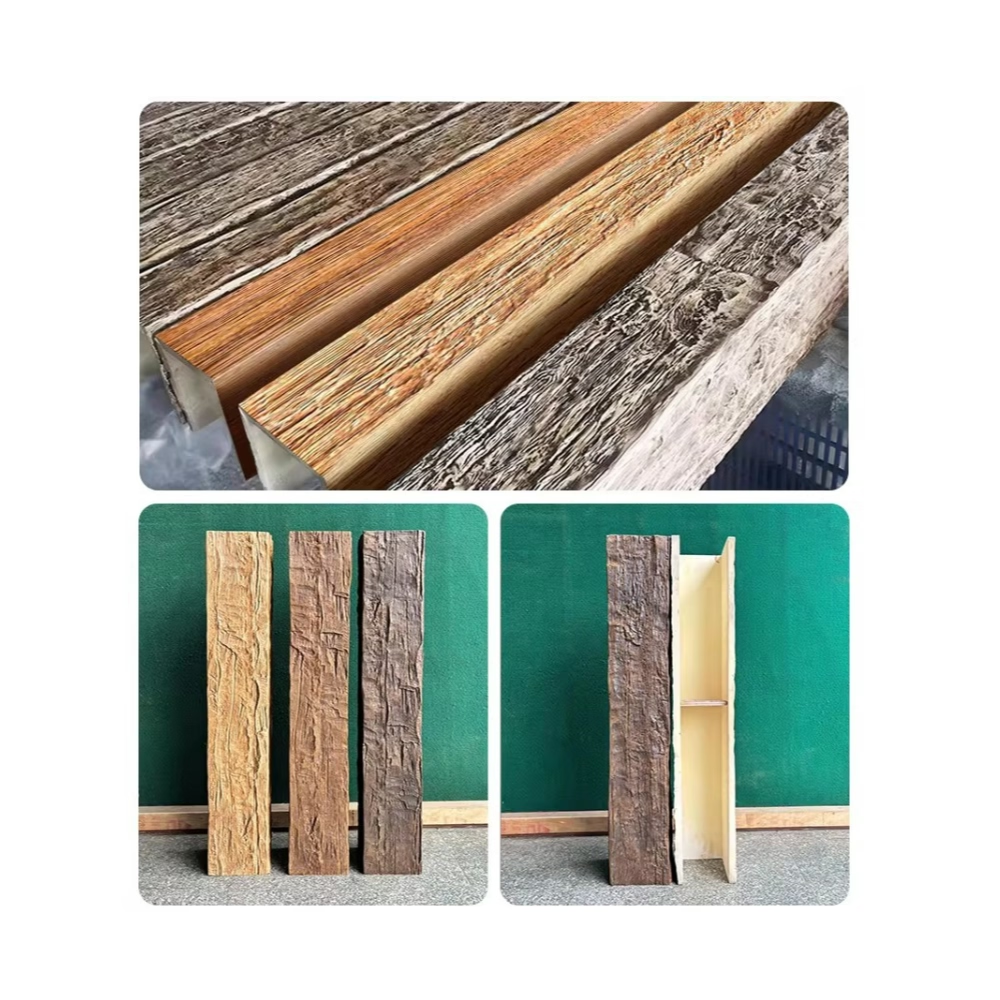
Hazard Identification and Classification
Polyurethane faux timber beams in finished form present minimal acute hazards under normal handling conditions. The solid, non-volatile composition prevents significant inhalation exposure during cutting, drilling, or finishing operations. SDS documentation reflects this favorable safety profile while identifying residual risks from processing activities.
Cutting operations generate dust containing fine polyurethane particles that may cause mechanical irritation to eyes and respiratory tract. SDS Sections 2 and 4 address this hazard through eye protection and dust mask recommendations for fabrication activities. Local exhaust ventilation improves working conditions during extended fabrication operations.
Thermal processing including sawing with high-speed blades may generate thermal degradation products including isocyanates when temperatures exceed material limits. SDS Section 10 (Stability and Reactivity) documents temperature thresholds and byproducts of thermal decomposition. Following manufacturer guidance on cutting methods and tool selection prevents hazardous thermal exposure.

Exposure Controls and Personal Protection
Engineering controls reduce exposure through ventilation, dust collection, and source isolation. SDS Section 8 specifies ventilation requirements appropriate for various operation types. General ventilation suffices for occasional cutting, while extended fabrication operations warrant local exhaust capture at the point of dust generation.
Respiratory protection recommendations appear in Section 8, typically specifying N95 or higher filtration for dust-generating operations. The small particle size of sawing dust penetrates standard dust masks, making properly fitted respirators preferable for extended fabrication work. Medical clearance, fit testing, and training accompany formal respiratory protection programs.
Personal protective equipment recommendations extend to eye protection (safety glasses or goggles during cutting), hand protection (cut-resistant gloves when handling freshly cut pieces), and hearing protection (power tools generate noise requiring hearing protection). Section 8 provides specific equipment recommendations; Sections 3 and 11 explain the hazards driving each recommendation.
First Aid Procedures
Eye contact with dust requires flushing with water for several minutes while holding eyelids open. SDS Section 4 specifies flushing duration and seeking medical attention if irritation persists. Mechanical dust particles should be removed by flushing rather than rubbing, which could scratch corneal surfaces.
Skin contact typically requires washing with soap and water followed by moisturizing to prevent dryness. Some individuals may develop skin sensitization with repeated prolonged contact. Dermatitis symptoms warrant medical evaluation to determine whether continued exposure is appropriate with protective measures.
Inhalation exposure to dust should be addressed by moving to fresh air and resting comfortably. If respiratory symptoms develop or persist, medical attention becomes appropriate. SDS Section 4 provides specific symptom-based guidance for determining when professional medical care is necessary.
Storage and Handling Requirements
SDS Section 7 addresses storage conditions affecting product stability and safety. PU faux beams store effectively in dry conditions protected from extreme temperatures and direct sunlight. UV exposure over extended storage periods may affect surface appearance though not material safety. Standard warehouse conditions adequately protect product quality.
Handling precautions emphasize preventing physical damage that could create sharp edges or generate dust. Forklift handling guidelines prevent crushing that might damage products and create debris. Palletized storage with appropriate protection enables efficient warehouse operations without product damage.
Incompatibilities addressed in Section 10 identify substances that should not contact polyurethane materials. Strong acids and alkalis may degrade surface finishes though the underlying material resists penetration. Solvent-based adhesives and finishes may attack polyurethane surfaces; manufacturer guidance should be obtained before applying unfamiliar products.
Disposal and Environmental Considerations
SDS Section 13 provides disposal instructions based on product composition and applicable regulations. Cured polyurethane faux beams typically qualify for landfill disposal as non-hazardous waste in most jurisdictions. Local regulations may impose specific requirements that override general guidance.
Recycling options for polyurethane materials remain limited compared to metals or plastics with established recycling streams. Some manufacturers accept production waste for recycling into lower-grade applications. Construction site waste should be separated from other materials to enable appropriate disposal routing.
Environmental release precautions appear in Section 6 for spill or release scenarios. Physical collection of debris followed by vacuum cleanup addresses dust releases effectively. The solid form of finished beams prevents significant environmental release during normal handling. Regulatory notification requirements depend on jurisdiction and release magnitude.
Technical References
ASTM standards cited in every specification
Test Data
Lab results from internal testing program
Updated 2026
Reviewed against current product specs


