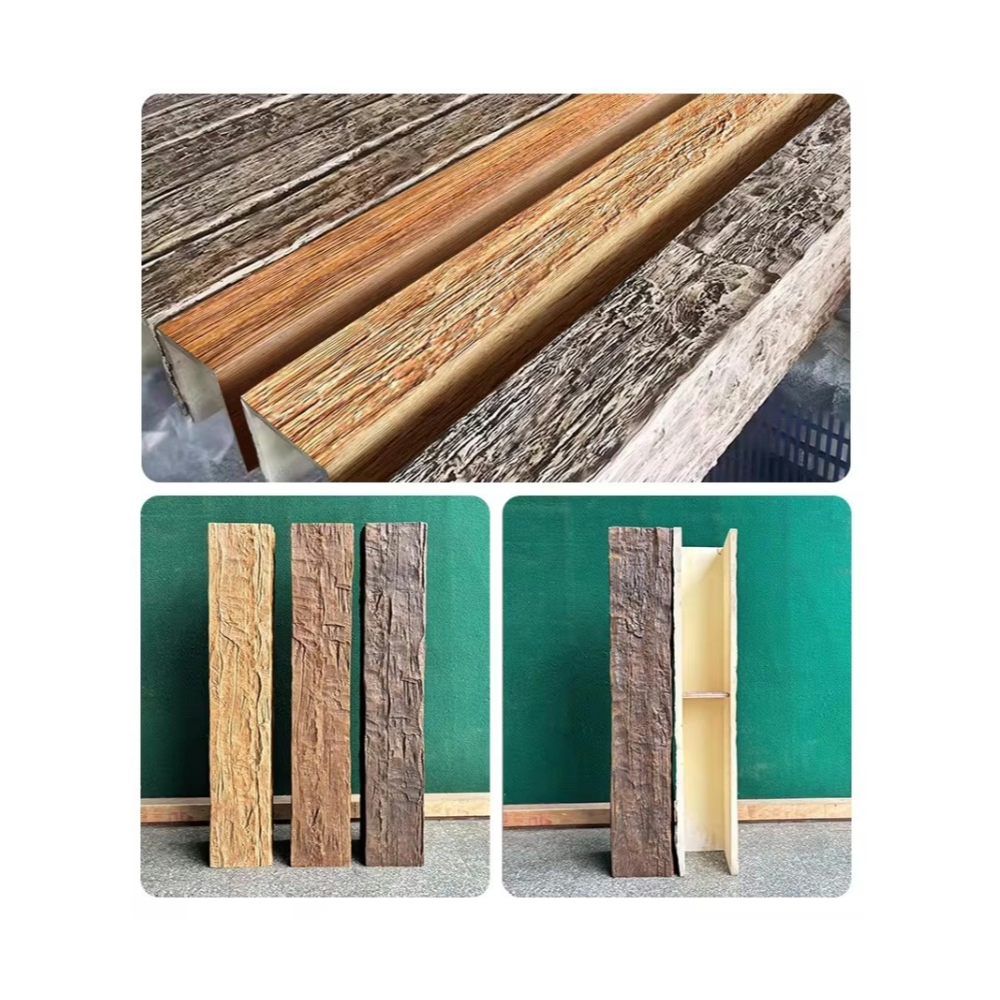
Exterior applications expose polyurethane faux beams to environmental stressors unknown in interior environments. Temperature extremes, moisture cycling, solar radiation, and atmospheric pollutants all degrade materials over time. Weather resistance test certificates document how products perform under these conditions, enabling specification of appropriate materials for outdoor applications and realistic performance expectations.
Environmental Exposure Factors
Ultraviolet radiation represents the primary degradation mechanism for polyurethane materials in exterior applications. UV photons break chemical bonds in polymer chains, causing surface chalkiness, color fading, and loss of mechanical properties. The rate of UV degradation depends on pigment concentration, UV stabilizer content, and exposure intensity.
Thermal cycling introduces repeated expansion and contraction stresses that accumulate into fatigue damage over many years. Polyurethane's relatively high coefficient of thermal expansion means significant dimensional changes between hot and cold conditions. This movement stresses adhesive bonds and coating systems, potentially causing delamination or joint separation.
Moisture exposure through rain, humidity, and dew creates conditions for water absorption, biological growth, and freeze-thaw damage. While polyurethane resists water penetration better than wood, prolonged moisture contact can affect surface appearance and adhesive bond integrity. Proper drainage and ventilation in exterior installations prevents moisture accumulation.
Accelerated Weathering Testing Protocols
QUV (Quick UV) testing exposes specimens to alternating UV radiation and condensation cycles using fluorescent lamps that replicate solar UV spectrum. Standard test conditions apply 8 hours of UV exposure at elevated temperature followed by 4 hours of condensation in darkness. This cycling accelerates real-world degradation while maintaining relevance to actual failure mechanisms.
ASTM G154 establishes standard practice for operating QUV testing equipment with fluorescent UV lamps. Test specimens receive specified irradiance levels (typically 0.89 W/m² at 340nm) for defined exposure durations. Results are evaluated against unexposed control specimens, comparing color change, gloss retention, surface appearance, and mechanical property retention.
Xenon arc testing provides broader spectrum radiation including visible light and infrared radiation alongside UV. This approach more completely replicates solar radiation characteristics but requires longer exposure durations to achieve equivalent degradation. ASTM D4459 (xenon-arc for plastics) and ASTM D2565 (xenon-arc for polymers in device application) provide relevant protocols.
Freeze-Thaw Resistance Testing
ASTM D2247 covers testing coating performance under conditions of constant humidity and elevated temperature rather than freeze-thaw cycling. Freeze-thaw protocols appropriate for exterior polyurethane require separate test methods such as those found in ASTM C666 (concrete) or manufacturer-developed procedures.
Effective freeze-thaw testing exposes specimens to repeated cycles between freezing temperatures (typically -20°F or colder) and thawing conditions (ambient or warm temperatures). Each cycle introduces ice formation and melting that stresses material structure through volumetric expansion during freezing. Mass change measurements detect moisture absorption and retention indicating performance concerns.
Minimum 25-cycle testing establishes baseline resistance for exterior product qualification. Some specifications require 50 or 100 cycles to represent extended service life expectations. Specimens should be evaluated after completion for cracking, delamination, surface erosion, and mechanical property changes.
Natural Weathering Exposure Programs
Florida exposure testing provides the gold standard for real-world weathering performance, applying intense UV radiation, high humidity, and warm temperatures year-round. Florida's subtropical climate accelerates degradation that might take decades in moderate climates. Test sites at 45-degree south-facing exposure maximize UV intensity for maximum acceleration.
Arizona desert exposure addresses high-temperature thermal stress with low humidity that differs from humid climate performance. Temperature extremes between day and night create thermal cycling stresses not present in Florida's more moderate temperatures. Combined Arizona and Florida data characterize performance across environmental extremes.
The South Florida exposure standard established by AAMA (American Architectural Manufacturers Association) requires 5-year exposure for weathering qualification. This extended duration conflicts with product development timelines, driving reliance on accelerated testing correlation data. Manufacturers with long product histories can reference field performance data from installed products.
Interpreting Weathering Test Results
Color change measurements using colorimetry quantify visual appearance shifts following exposure. Delta-E values below 5.0 typically represent acceptable color retention for most applications. Higher-end applications may require Delta-E values below 2.0 to maintain aesthetic consistency over extended service. Severe color shift indicates inadequate UV protection requiring formulation changes.
Gloss retention percentages measure surface appearance changes as measured originally glossy surfaces develop matte chalking. Gloss measurements below 50% of initial values typically indicate significant surface degradation. Critical aesthetic applications may require higher gloss retention thresholds.
Physical property testing following exposure quantifies mechanical degradation including impact resistance, tensile strength, and flexural modulus. Property retention above 70% of initial values typically indicates acceptable weathering performance for non-structural applications. Greater degradation warrants material reformulation or application limitation.
Warranty Considerations for Exterior Applications
Exterior product warranties should specifically address weather-related failures including UV damage, moisture infiltration, and thermal cycling effects. General warranty language that fails to address environmental exposure may exclude claims for conditions encountered in normal exterior use.
Warranty duration for exterior applications typically exceeds interior warranty periods due to the more demanding conditions. Five-year exterior warranties are common; ten-year warranties indicate manufacturer confidence in weathering performance. Extended warranties often require regular cleaning and maintenance documented through maintenance records.
Exterior warranty conditions frequently require installation by certified installers, use of specified mounting hardware, and compliance with clearance requirements from grade and vegetation. Failure to follow specified installation conditions voids warranty coverage regardless of product performance.
Technical References
ASTM standards cited in every specification
Test Data
Lab results from internal testing program
Updated 2026
Reviewed against current product specs


