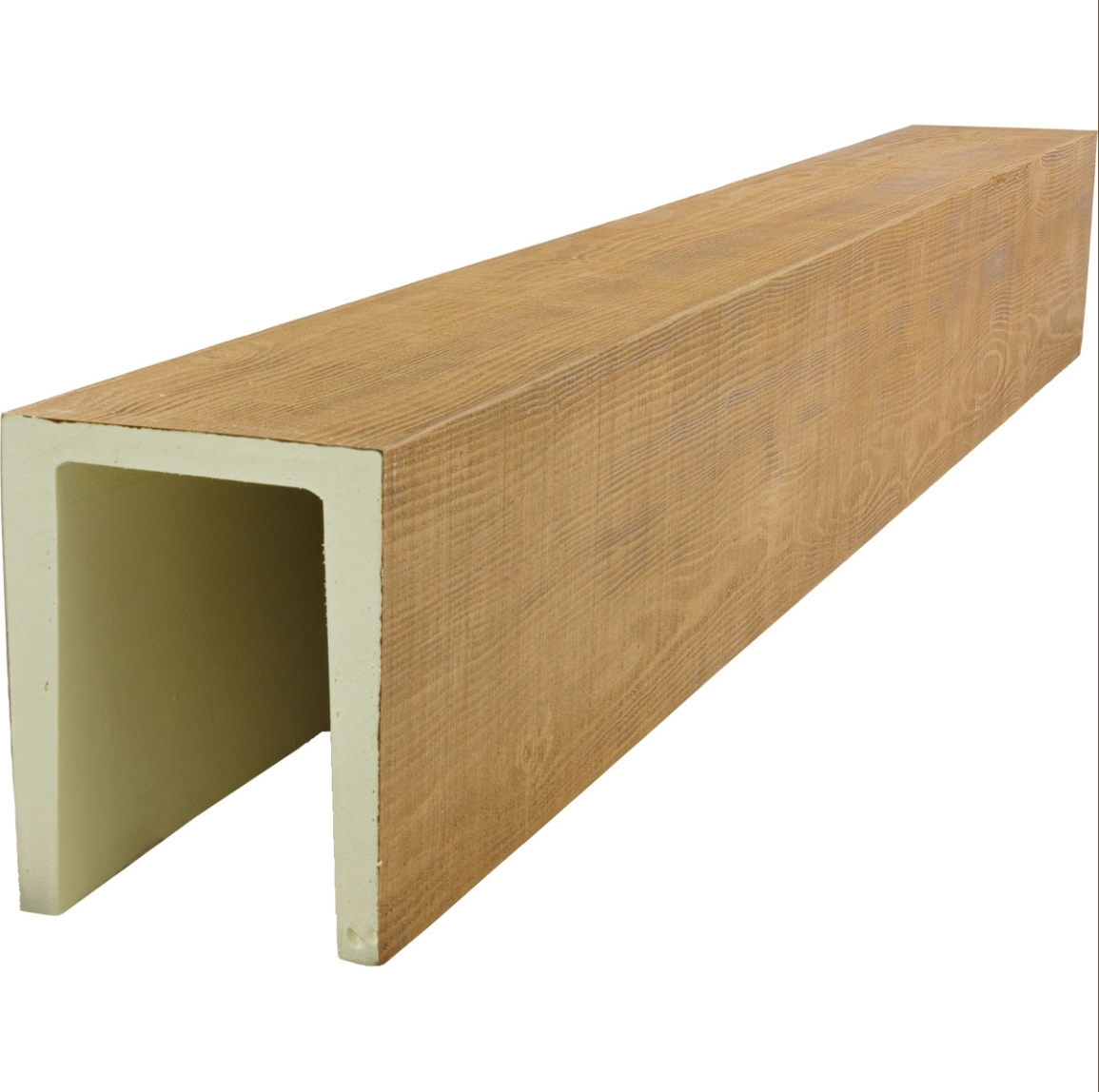
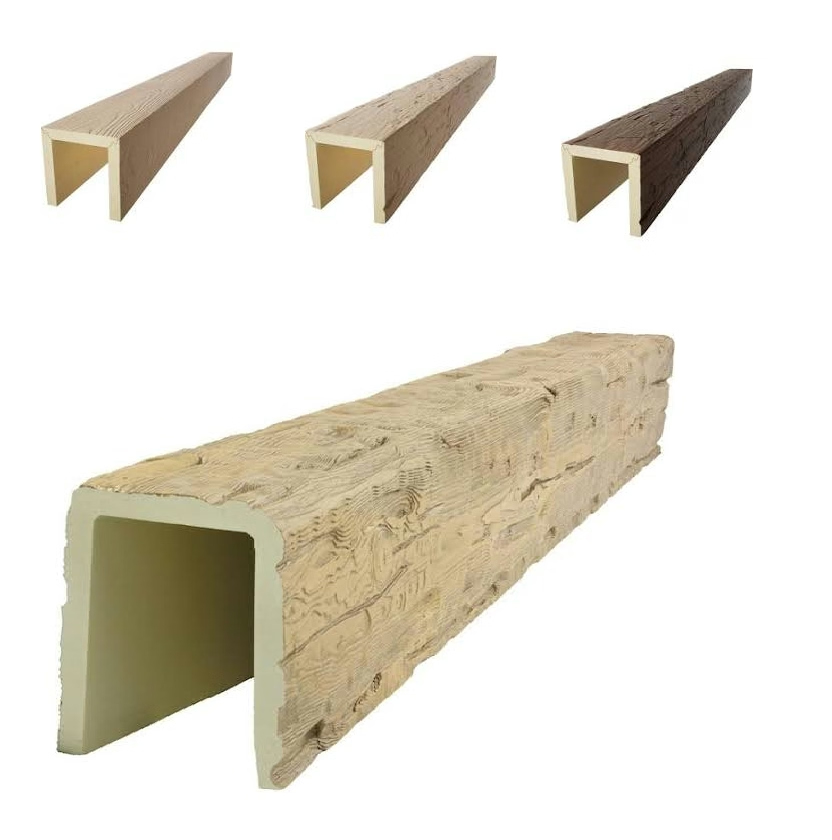
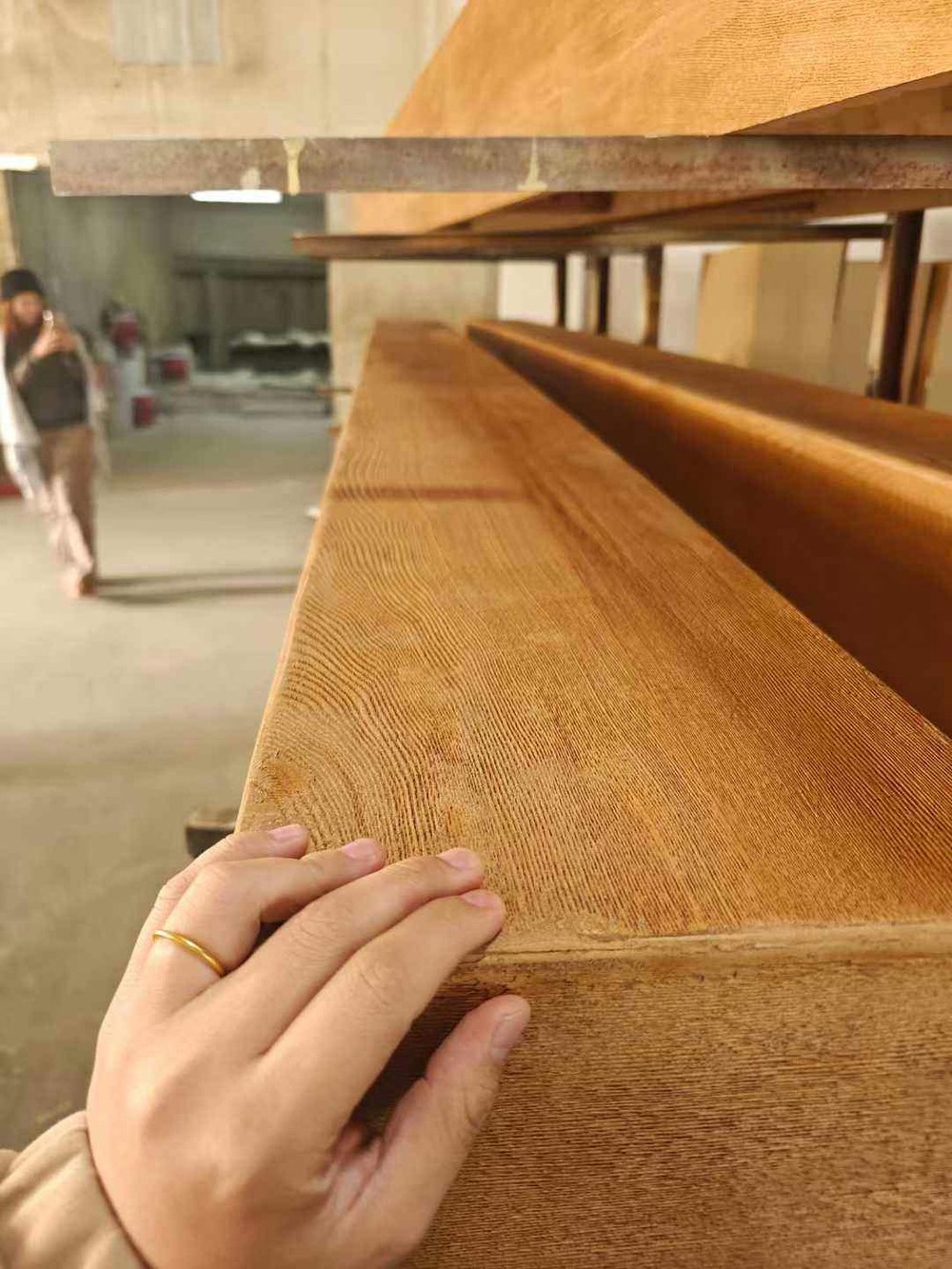
The global construction materials market demands flexibility in how products reach their end users, and polyurethane faux wood beams navigate this reality through dual-channel distribution serving both trade professionals and individual consumers. Wholesale channels accommodate volume procurement for commercial developments, while retail options serve homeowners pursuing single-room transformations. This bifurcated approach ensures appropriate pricing and support for vastly different purchasing contexts.
Wholesale relationships extend beyond simple transaction volume discounts, incorporating dedicated account management, custom manufacturing capabilities, and supply chain integration that retail customers cannot access. These partnerships benefit contractors managing ongoing project portfolios, interior designers with multiple concurrent installations, and distributors establishing regional inventory.
Wholesale Channel Advantages for Trade Professionals
Trade accounts unlock tiered pricing structures rewarding consistent volume with progressive discounts. This approach aligns manufacturer incentives with contractor success—successful projects generate reorder opportunities, creating sustainable business relationships that extend across years of collaborative work. Account managers understand industry realities, offering payment terms that accommodate project cash flow patterns rather than imposing retail-style immediate payment requirements.
Custom manufacturing becomes accessible through wholesale relationships, enabling specifications that standard catalogs cannot accommodate. Special lengths, unique profiles, non-standard finishes—these variations support projects where off-the-shelf products create compromise. The manufacturing flexibility that wholesale relationships unlock proves particularly valuable for architectural projects demanding exact specifications.
Inventory programs allow wholesale customers to maintain stock without physical ownership, reserving manufacturing capacity for future orders while standard products ship from existing inventory. This approach reduces customer storage requirements while ensuring product availability when installation schedules demand it.
Retail Experience for Homeowners and Small Projects
Individual consumers accessing retail channels receive design support that differs from trade-focused interactions. Product photography, room visualization tools, and installation guides address the information needs of first-time purchasers unfamiliar with construction material terminology. Customer service representatives trained for retail interactions guide specification selection without assuming technical background knowledge.
Smaller order quantities ship efficiently through retail-optimized fulfillment systems, avoiding minimum purchase requirements that wholesale accounts impose. A homeowner installing beams in a single living room finds the same product quality available to commercial developers ordering hundreds of units, eliminating quality disparities that plague building material markets.
Self-service tools empower retail customers to calculate requirements, compare options, and complete purchases without sales representative intervention. This autonomy appeals to informed consumers comfortable with specification research, while chat and phone support remain available for questions that self-service cannot address.
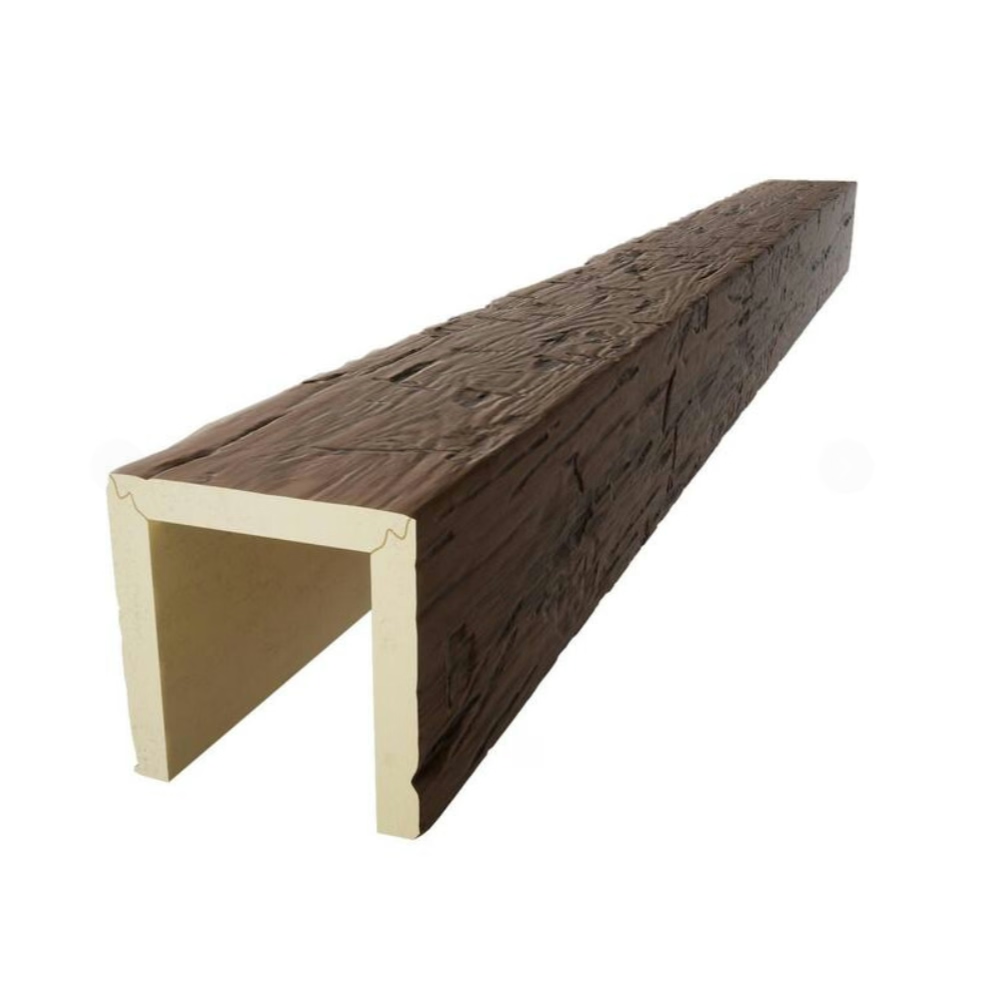
Global Logistics and Regional Distribution
International wholesale orders require logistics infrastructure supporting cross-border commerce—customs documentation, import compliance, and regional distribution centers that reduce transit times to distant markets. Our network spans major construction markets globally, with regional partnerships providing local support that purely domestic suppliers cannot match.
Duty and tax calculations appear during checkout for international orders, eliminating surprise charges upon delivery. This transparency supports accurate budget planning for projects where unexpected import costs disrupt financial projections. Customs brokerage services handle documentation requirements, simplifying delivery for customers unfamiliar with cross-border shipping procedures.
Regional inventory allows faster delivery to established markets, with standard products stocked near major construction hubs. Custom specifications ship directly from manufacturing facilities, acknowledging longer lead times for non-standard products. This distributed approach balances inventory efficiency with product availability.

Quality Consistency Across Distribution Channels
Standardized manufacturing processes ensure identical quality whether products ship to wholesale distribution centers or individual residential addresses. Batch tracking connects production runs with destination, enabling rapid response should quality concerns emerge. This traceability protects brand reputation while ensuring customer confidence regardless of purchase channel.
Warranty coverage applies uniformly across wholesale and retail transactions, recognizing that product performance expectations remain constant regardless of buyer context. A contractor installing beams in a hotel lobby deserves identical warranty protection as a homeowner enhancing their living room—quality assurance cannot stratify by customer type.
Training materials for installation techniques benefit both channels, with video tutorials and written guides addressing common questions regardless of purchaser background. Technical support representatives handle inquiries from all sources, applying consistent expertise to technical challenges. This unified support model ensures every customer receives accurate guidance.
The dual-channel approach acknowledges market realities while refusing to compromise quality or service for any customer segment. Whether purchasing a single beam for a weekend project or coordinating shipments for a multi-property development, customers access the same foundational product quality with channel-appropriate support intensity. This philosophy drives sustainable relationships that benefit both parties across decades of building and renovation.
Technical References
ASTM standards cited in every specification
Test Data
Lab results from internal testing program
Updated 2026
Reviewed against current product specs