The beauty of natural timber derives substantially from its inherent irregularity. No two pieces of authentic wood display identical grain patterns—the growth history encoded in each plank creates unique visual signatures that artificial materials historically struggled to reproduce convincingly. Modern polyurethane faux wood beams have overcome these limitations through sophisticated manufacturing processes that capture organic irregularity at scales ranging from broad pattern flow to microscopic surface texture.
Understanding what distinguishes convincing faux wood from obviously artificial imitations requires examining the specific characteristics that define natural wood appearance. Grain patterns in genuine timber follow complex rules influenced by species genetics, growth conditions, and wood origin within the tree. Capturing this complexity demands manufacturing approaches that move beyond simple pattern repetition toward genuine procedural variation.
The Anatomy of Wood Grain Irregularity
Grain direction in natural timber never runs perfectly parallel to any surface edge. Subtle waverings reflect growth ring curvature as trees respond to environmental conditions throughout their development. Earlywood transitioning to latewood creates density variations that manifest as visual bands of varying darkness. Knot patterns interrupt regular grain flow, introducing dramatic focal variations that many design styles embrace as desirable character marks.
Ray fleck appears in quarter-sawn timber surfaces as distinctive shimmering patterns caused by wood ray cells oriented perpendicular to growth rings. These medullary rays become visually prominent when timber is cut on specific angles, adding dimension and visual interest that flat reproductions miss entirely. Capturing ray fleck convincingly requires understanding cutting angles and their relationship to tree anatomy.
Reaction wood forms in leaning branches and tree tops, producing compression wood in softwoods or tension wood in hardwoods. These specialized wood types display distinctly different coloration and grain characteristics from normal wood, creating natural variations that skilled craftsmen recognize and sometimes preserve for visual interest. Authentic-looking faux wood must either avoid reaction wood characteristics or reproduce them convincingly in appropriate contexts.

Color variation within individual pieces represents another dimension of organic irregularity. Sapwood and heartwood display different natural coloration, with gradual transitions rather than sharp boundaries. Mineral streaks, bird pecks, and other natural markings create localized variations that break uniformity across long runs. These subtle variations distinguish living materials from manufactured uniformity.
Manufacturing Approaches to Organic Pattern Capture
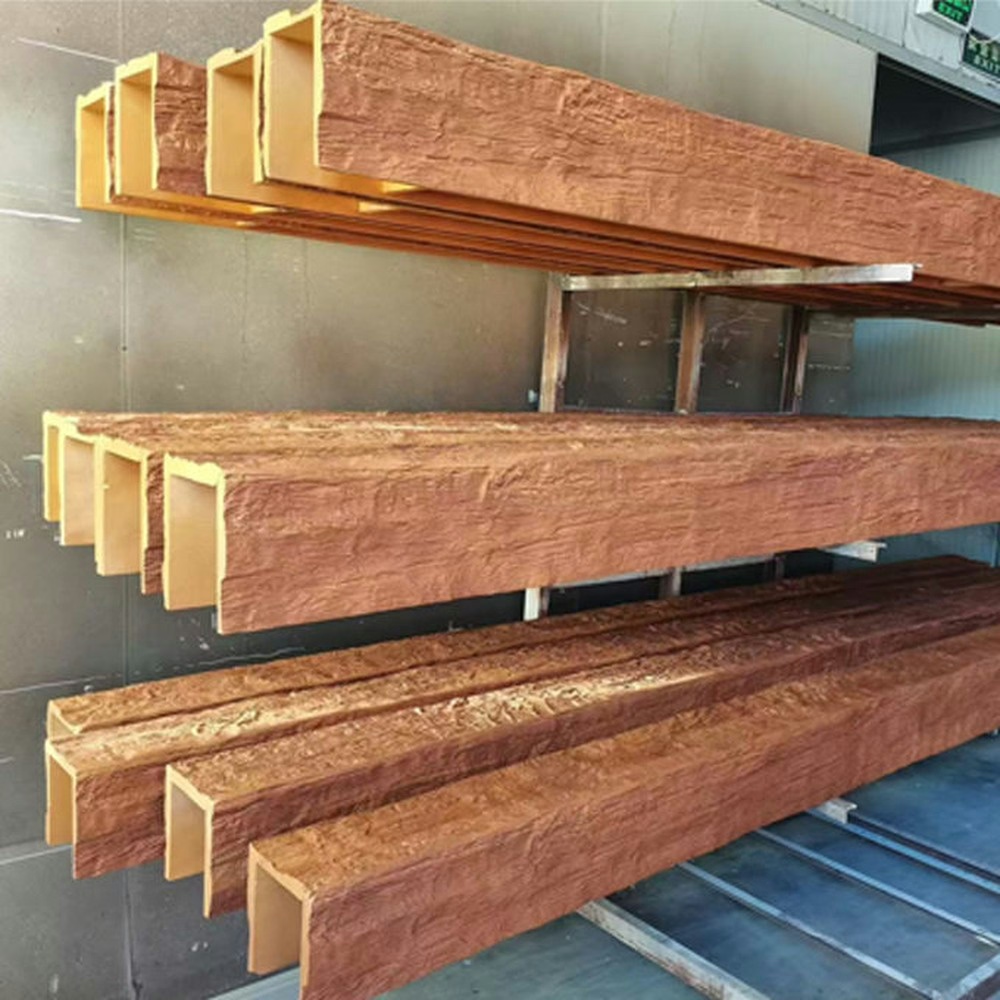
Traditional wood grain reproduction relied on printed photographs or simple embossed patterns that repeated predictably across surfaces. While functional for some applications, these approaches failed to capture genuine irregularity that would satisfy close inspection. Modern PU beam manufacturing employs multiple complementary techniques that together produce convincingly organic results.
High-resolution scanning of authentic timber surfaces captures actual grain patterns at extraordinary detail levels. Advanced scanning equipment records not just overall pattern shapes but surface texture including router bit marks, saw kerfs, and natural weathering. These scanned textures map onto manufacturing tooling that reproduces the captured characteristics in production quantities.
Computer-controlled machining enables toolpath generation that follows procedurally varied trajectories rather than simple linear movements. The resulting surface variations simulate authentic hand-working characteristics that uniform machine production cannot achieve. Variable depth cutting creates subtle profile variations that break the monotony of perfectly consistent cross-sections.
Multi-stage finishing processes layer color applications to build complex visual depth. Initial base coats establish foundational coloration while subsequent applications target specific features—darker tones in grain valleys, lighter highlights on raised surfaces. The cumulative effect mimics how natural wood coloration results from differential light reflection across varied surface contours.
Species-Specific Pattern Considerations
Oak grain patterns exemplify pronounced ray fleck and dramatic arching medullary rays that define the species' visual character. Reproducing convincing oak requires tooling that captures these distinctive features while maintaining the bold, substantial grain lines the species displays. American white oak and European oak show distinct variations that informed buyers recognize and expect when specifying species.
Walnut grain presents a different challenge—more subtle and flowing than oak with fewer dramatic interruptions. The species' rich dark coloration provides strong visual impact despite quieter pattern activity. Reproducing walnut requires maintaining this refined elegance while avoiding either excessive plainness or over-dramatization that would appear unnatural.
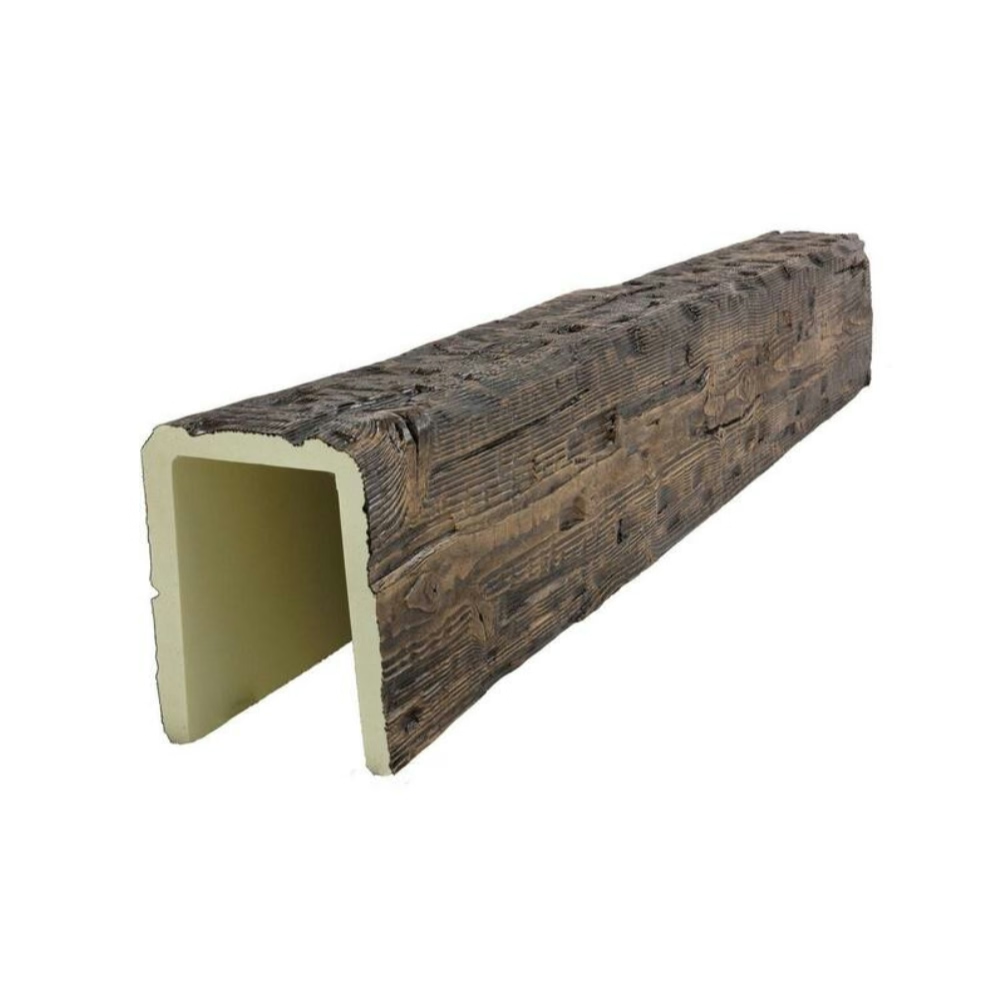
Reclaimed timber grain patterns often display distinctive character from prior life exposure. Nail holes, saw marks from antique equipment, and weathering create visual complexity that new wood lacks. Reproducing reclaimed wood aesthetics requires capturing not just grain patterns but the accumulated character from previous use. This approach appeals to buyers seeking rustic or industrial design aesthetics.
Exotic species introductions expand design possibilities beyond temperate climate woods. Brazilian walnut, African mahogany, and Asian teak display distinctive characteristics influenced by tropical growth environments. Manufacturing tooling for these species requires research into specific growth patterns and visual signatures that distinguish each species' contribution to design palettes.
Quality Indicators in Faux Wood Grain Reproduction
Close inspection reveals quality differences between convincing and inferior faux wood reproductions. High-quality pieces display grain continuity across joints and miter cuts—pattern transitions that feel natural rather than abruptly stopping at edges. Seamless integration across multiple pieces prevents the "painted toy" appearance that undermines credibility in finished installations.
Surface texture depth distinguishes quality reproductions from flat-printed imitations. Light should interact with surfaces as it does with genuine wood, revealing subtle contours through shadow and reflection variation. Fingerprint-like sensitivity to glancing light proves the presence of genuine surface texture rather than printed pattern overlay. This interaction creates the dimensional quality that makes convincing faux wood feel three-dimensional.
Color fastness and consistency across extended runs ensures installations maintain visual coherence over time and across multiple beam purchases. Quality manufacturers control color application tightly, minimizing variation between production batches. Purchasing multiple beams from the same production run when possible provides the best matching assurance for extended installations.
Pattern variety within a single product line allows natural-looking mixing when installers combine multiple beams. Installations using beams selected from varied positions within a pattern range appear more natural than those using adjacent pattern repeats. Quality product lines design for this variability, ensuring mixing produces pleasing results rather than obvious pattern clumping.
The evolution of PU faux wood beam manufacturing has transformed these architectural elements from obviously artificial substitutes into sophisticated reproductions that satisfy discriminating buyers. Investment in capturing organic irregular grain patterns at multiple scales delivers products that professionals confidently specify for projects where authentic appearance matters.
Technical References
ASTM standards cited in every specification
Test Data
Lab results from internal testing program
Updated 2026
Reviewed against current product specs


