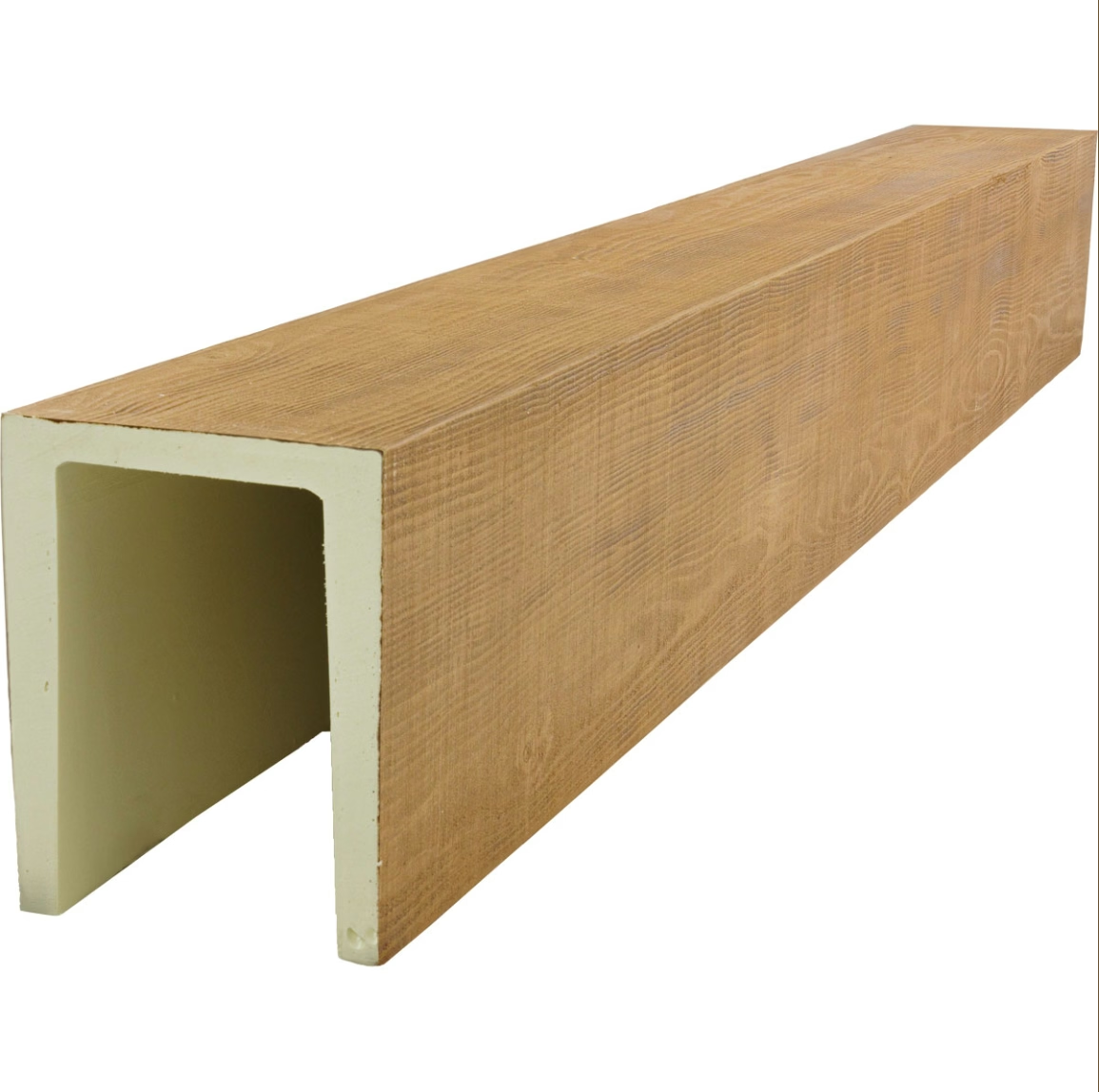
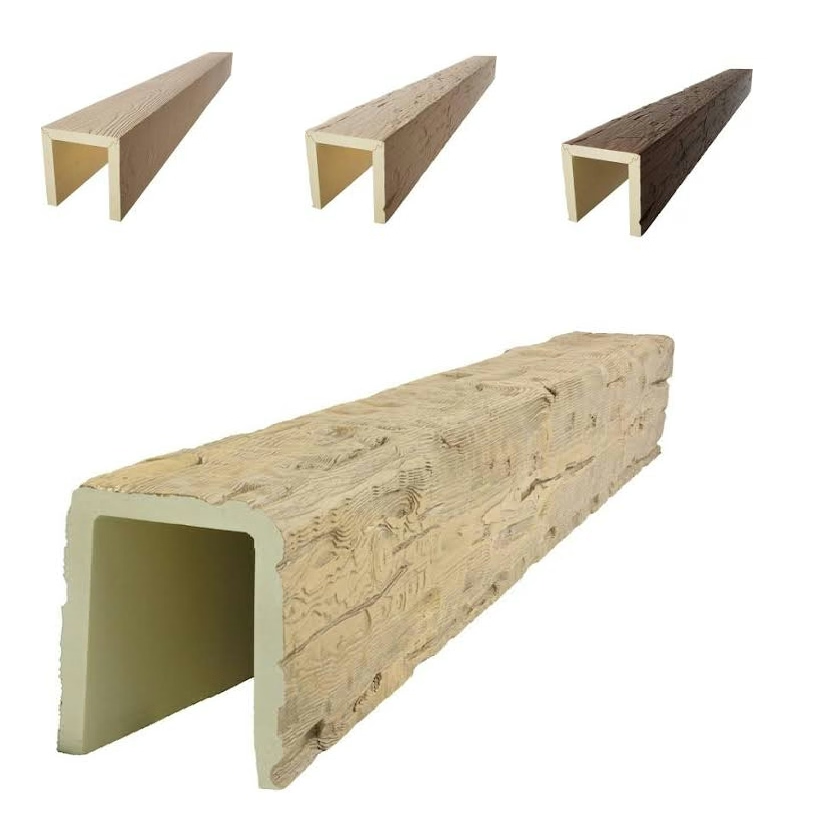
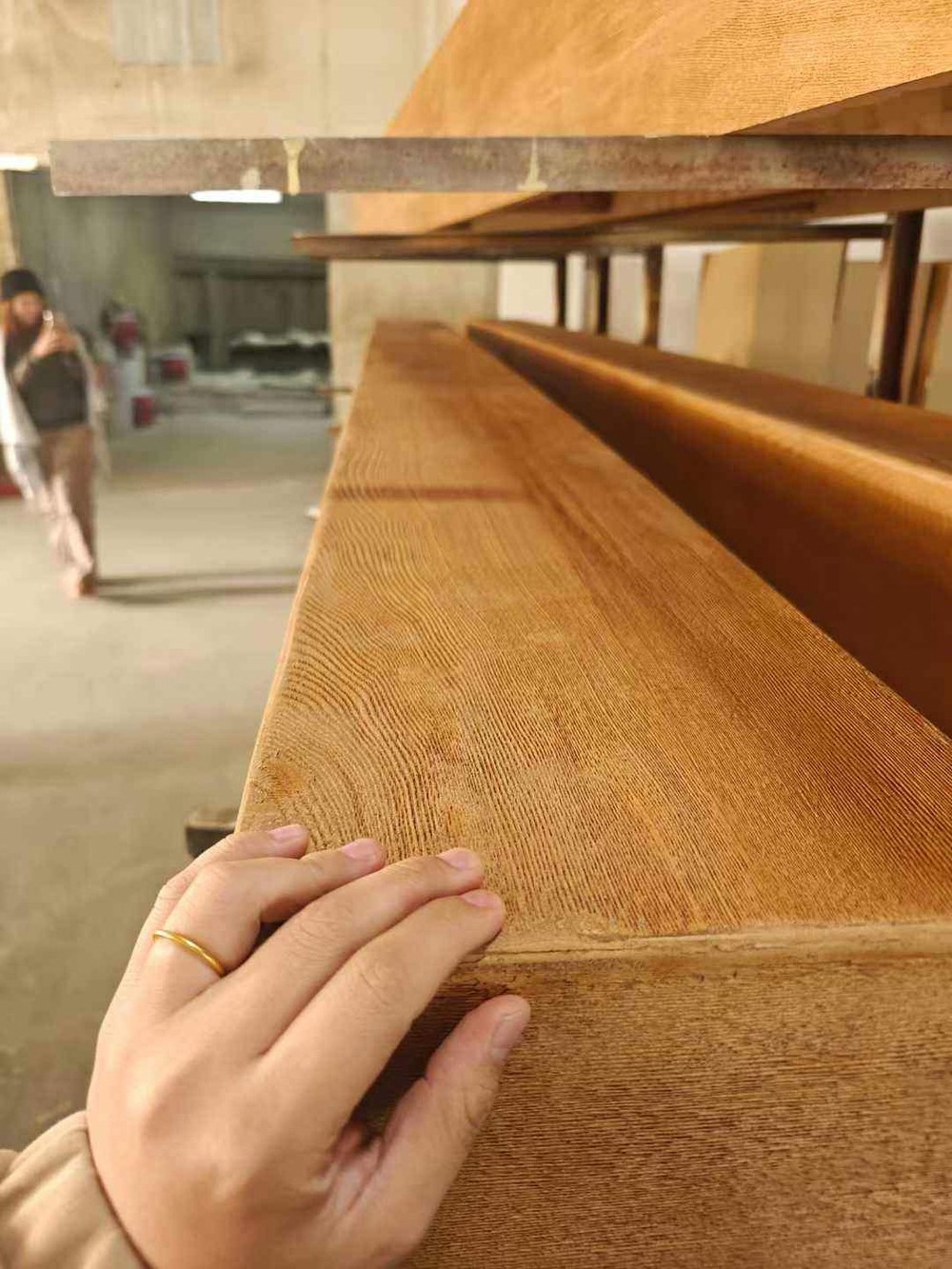
The intersection of aesthetic aspiration and practical performance creates the fundamental challenge of exterior design. Homeowners and architects desire spaces that project warmth, character, and design sophistication while tolerating whatever environmental conditions each season delivers. Weatherproof polyurethane faux exterior beams represent a material solution that successfully bridges this divide, offering the visual impact of timber construction with performance characteristics specifically engineered for outdoor service.
Understanding what distinguishes truly weatherproof polyurethane beams from interior-grade alternatives requires examining the specific formulation characteristics that enable long-term exterior performance. Not all polyurethane products perform equally in challenging environments, and informed selection depends on recognizing the material properties that translate into reliable service life.
The chemistry of polyurethane allows manufacturers considerable latitude in adjusting material characteristics during production. Density, flexibility, UV resistance, and moisture tolerance all respond to formulation adjustments that create products optimized for different applications. Exterior-rated beams specifically benefit from enhanced UV stabilizers, impact modifiers, and moisture barriers that extend service life in challenging outdoor conditions.

Material Science Behind Weatherproof Performance
The polyurethane molecules that form these beams incorporate chemical structures specifically selected for outdoor stability. Ultraviolet radiation represents the primary degradation mechanism for polymer materials exposed to sunlight, breaking molecular bonds and causing embrittlement, cracking, and surface deterioration. Premium exterior formulations include hindered amine light stabilizers that intercept UV-induced degradation reactions, preserving material properties through years of sun exposure.
Thermal cycling presents additional challenges for exterior materials. Summer heat and winter cold create expansion and contraction forces that fatigue lesser materials, producing cracks, delamination, and joint failures. Quality weatherproof beams accommodate thermal movement without damage through carefully balanced formulation that balances flexibility with structural integrity.
Freeze-thaw resistance matters considerably for beams in climates that experience winter precipitation. Water absorbed into porous materials expands when freezing, creating internal pressures that fracture and Spall surfaces over successive freeze-thaw cycles. The closed-cell structure of quality polyurethane minimizes water absorption, preventing freeze-thaw damage that affects more porous alternatives.
Salt spray resistance enables successful coastal installations where airborne salt accelerates corrosion of metal components and degrades many polymer materials. Weatherproof polyurethane formulations tolerate salt exposure without the surface chalking, cracking, or structural compromise that affects standard formulations. This characteristic opens exterior design possibilities for beach properties and coastal developments.
Structural Applications in Exterior Design
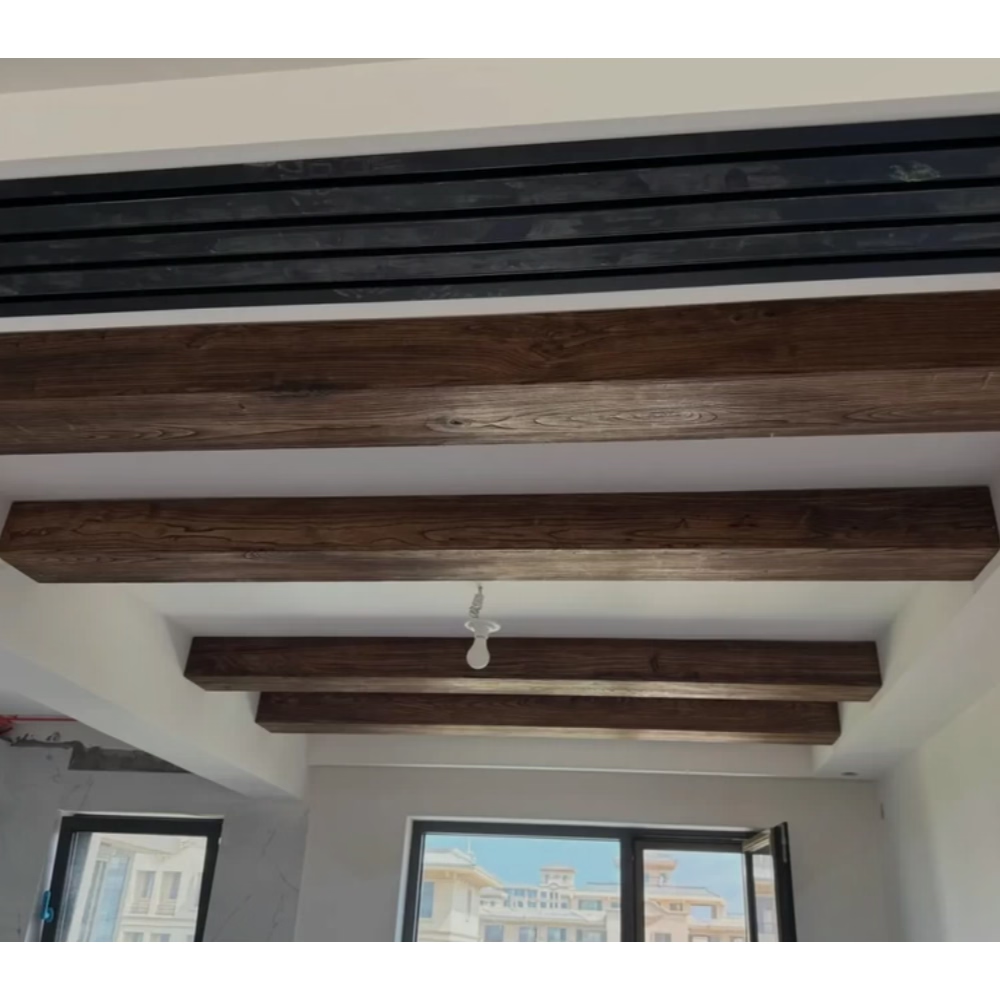
Exposed structural beams represent the most demanding exterior application, requiring materials that maintain appearance while potentially bearing actual load or clearly suggesting structural function. Weatherproof polyurethane beams perform admirably in these roles, with products available that convincingly replicate traditional timber construction while providing superior environmental resistance.
Pergola construction frequently employs weatherproof faux beams as both horizontal spanning members and vertical supports. These structures define outdoor rooms while providing partial shade and climbing plant support. Polyurethane construction tolerates ground contact and moisture exposure that would quickly deteriorate natural wood alternatives.
Gable ends and fascia installations use flat beams and beam-like trim elements to add architectural interest to rooflines and wall terminations. These applications demand materials that maintain crisp edges and clean profiles despite environmental exposure. Weatherproof polyurethane accepts paint and stain finishes that coordinate with overall color schemes while the substrate maintains dimensional stability.
Overhead structures including carports, covered walkways, and poolside cabanas benefit from beam construction that defines spaces while allowing light and air circulation. The lightweight nature of polyurethane beams simplifies support structure requirements, reducing both material costs and visual bulk compared to heavy timber alternatives.
Garage and shed exteriors gain significant aesthetic upgrade through beam-style trim and decorative elements. These utilitarian structures often detract from property appearance, but strategically applied faux beams can transform basic buildings into architecturally coherent structures that enhance rather than diminish overall property presentation.
Performance Testing and Quality Verification
Reputable manufacturers subject weatherproof products to accelerated aging protocols that simulate years of environmental exposure. These tests expose beam samples to UV radiation, temperature cycling, and moisture exposure in compressed timeframes, revealing formulation weaknesses before products reach customers. Requesting test data and performance certifications helps verify that selected products meet the weatherproof claims established in marketing materials.
Physical property documentation including density, flexural strength, and impact resistance provides useful comparison points between products. Premium weatherproof beams typically offer density ratings between 30 and 45 pounds per cubic foot with flexural strength sufficient to resist sagging under sustained loads.
Warranty coverage reflects manufacturer confidence in product performance. Extended warranty periods indicate formulations proven through real-world service while suggesting commitment to customer satisfaction. Coverage terms should explicitly address UV exposure, moisture exposure, and temperature extremes—the primary degradation mechanisms for exterior installations.
Third-party certifications from organizations such as ASTM International provide independent verification of material performance claims. Look for certifications addressing fire resistance, structural performance, and environmental exposure when evaluating products for demanding applications.
Design Integration Strategies
Successful exterior beam installations integrate thoughtfully with overall architectural composition. Consider how beam scale, orientation, and finish relate to existing elements including roofing materials, wall finishes, windows, and doors. The goal involves creating visual connections that unify rather than conflict with established design language.
Color coordination requires understanding how exterior finishes age and weather over time. Some faux beam finishes incorporate pigments that fade gracefully, developing character through natural weathering. Others include UV inhibitors that maintain original appearance with minimal change. Selecting appropriate finishes for specific applications ensures satisfying long-term outcomes.
Proportion relationships between beams and adjacent elements significantly influence perceived quality. Beams that appear undersized relative to their mounting surfaces lack presence and visual impact. Oversized beams may overwhelm architectural elements and create disproportionate compositions. Matching beam dimensions to application requirements produces more satisfying results.
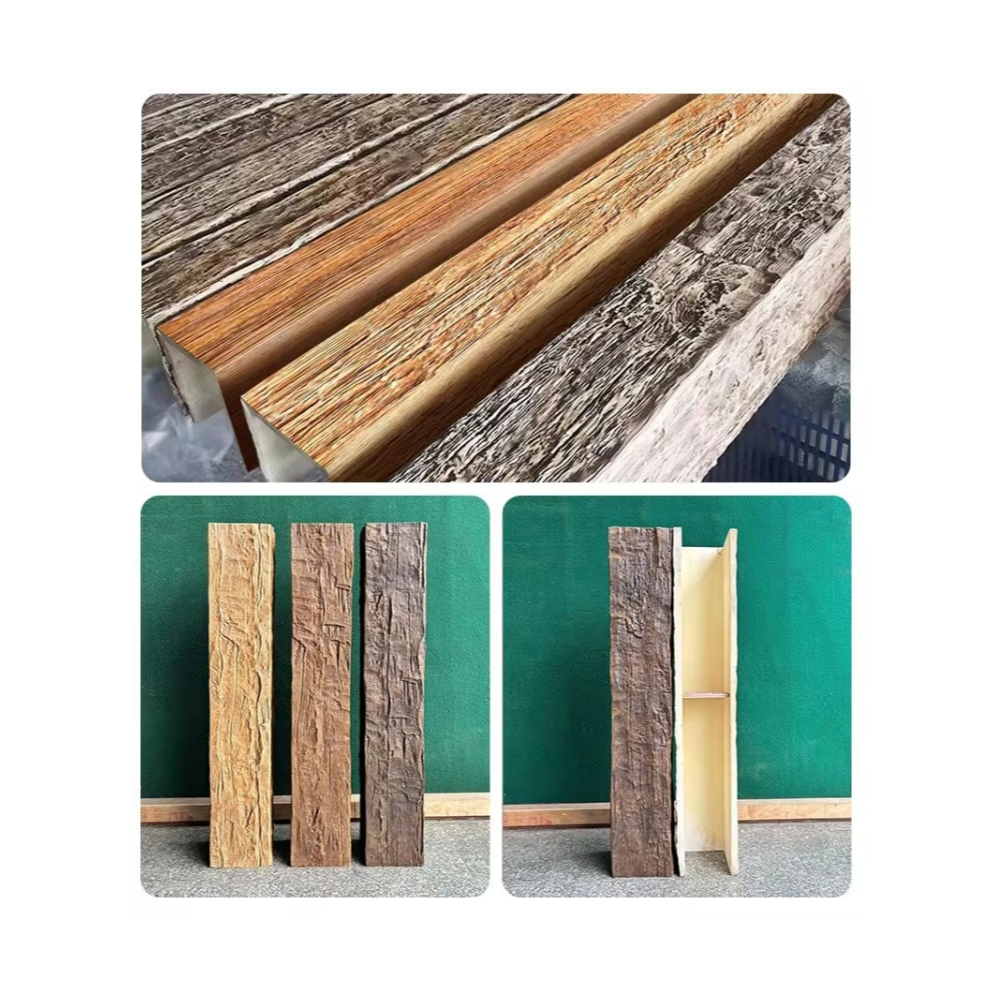
The detailing of beam ends, joints, and transitions deserves careful attention during design development. These connection points determine whether installations achieve refined professionalism or apparent amateur execution. Quality products include matching end caps, corner pieces, and transition moldings that facilitate clean, professional-looking installations.
Maintenance Requirements and Care
Weatherproof polyurethane beams require substantially less maintenance than natural wood alternatives, though some care extends service life and maintains appearance. Periodic cleaning removes accumulated debris, pollen, and environmental residue that can affect appearance over time.
Pressure washing provides efficient cleaning for larger installations, though moderate pressure and appropriate nozzle selection prevent surface damage. Holding the spray nozzle at least 18 inches from beam surfaces and using fan-style patterns distributes cleaning impact while preventing surface erosion.
Minor surface damage can often be repaired with compatible patching compounds designed for polyurethane materials. Deep scratches, gouges, or impact damage may require professional repair or component replacement depending on damage severity and repair skill level.
The paintability of quality weatherproof beams allows color changes if desired or necessary. Latex acrylic exterior paints generally adhere well to polyurethane surfaces after appropriate priming. Consulting with paint suppliers about specific primer recommendations ensures reliable paint adhesion and finish durability.
The combination of inherent weather resistance, minimal maintenance requirements, and long service life makes weatherproof polyurethane beams an increasingly popular choice for exterior applications. When properly selected and installed, these products deliver lasting satisfaction while eliminating the ongoing maintenance burden that natural wood exterior elements demand.
Technical References
ASTM standards cited in every specification
Test Data
Lab results from internal testing program
Updated 2026
Reviewed against current product specs