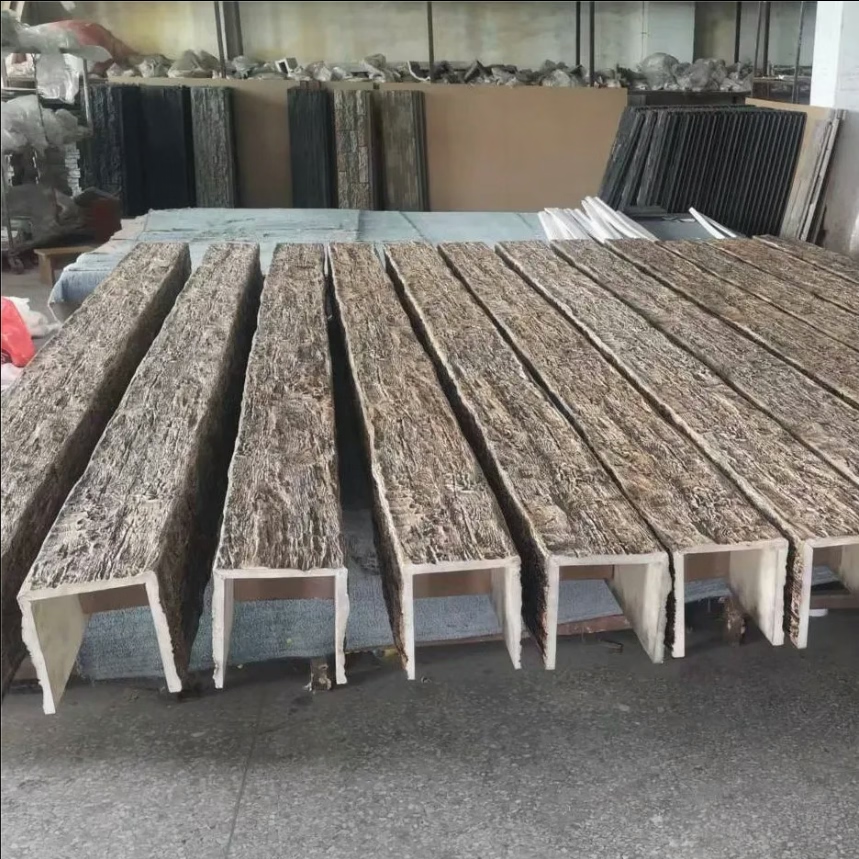
Exterior architecture demands materials that perform reliably through diverse weather conditions while contributing to cohesive visual design. The challenge involves balancing practical performance requirements with aesthetic objectives that may require specific colors or finishes unavailable in standard product offerings. Paintable outdoor-grade polyurethane faux timber beams resolve this tension, providing weather-resistant performance that exterior applications require while accepting site-applied finishes that match any architectural color scheme.
The formulation difference between standard and outdoor-grade polyurethane significantly affects long-term performance in exterior conditions. UV radiation, moisture exposure, temperature extremes, and biological threats all degrade unsuitable materials over time. Outdoor-grade formulations incorporate specific stabilizers and protective components that resist these degradation mechanisms, ensuring lasting performance that standard products cannot guarantee.
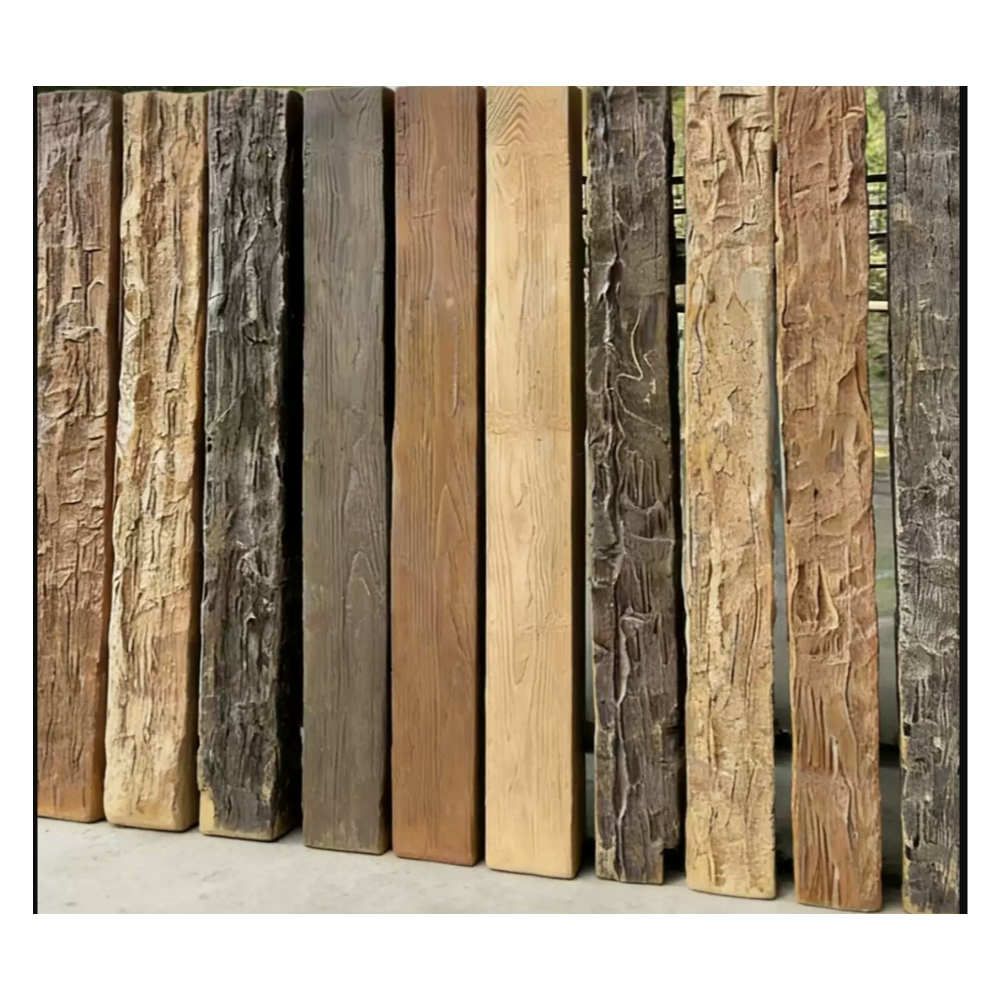
Custom finish capability extends the design flexibility that polyurethane construction provides. Rather than selecting from limited standard finishes, architects and homeowners can specify exact colors that coordinate with roofing, siding, trim, and landscape elements throughout exterior compositions. This coordination ensures visual harmony that distinguishes thoughtfully designed properties from those where elements clash or remain disconnected.

Outdoor Performance Requirements
UV resistance represents the primary challenge for exterior finishes and materials alike. Ultraviolet radiation breaks down polymer structures, causing embrittlement, cracking, and surface degradation. Outdoor-grade polyurethane formulations include UV absorbers and hindered amine light stabilizers that intercept degradation reactions, maintaining material integrity through years of sun exposure.
Moisture resistance prevents the water absorption that leads to rot, mold, and structural compromise in unsuitable materials. Quality outdoor-grade products shed water while remaining permeable to water vapor, allowing any trapped moisture to escape without accumulation. This balance prevents both saturation and moisture-trapping that would compromise performance.
Thermal cycling accommodation ensures that materials survive the expansion-contraction cycles that temperature changes create. Without flexibility to move, rigid materials crack, delaminate, and fail. Quality outdoor-grade formulations maintain appropriate flexibility throughout temperature ranges likely to occur in specific climate zones.
Surface adhesion for paintable products must remain reliable despite environmental exposure. Primers and finishes designed specifically for exterior polyurethane surfaces ensure lasting adhesion that withstands weather exposure without peeling, flaking, or blistering.
Finish Selection for Exterior Applications
Exterior-grade paints provide the weather resistance that outdoor applications demand. Acrylic latex paints offer excellent UV resistance, color retention, and flexibility that accommodates temperature-related substrate movement. Alkyd paints provide superior adhesion on challenging surfaces but may yellow over time in exterior applications.
Color selection affects both aesthetic outcomes and practical performance. Dark colors absorb more heat, potentially accelerating surface degradation in sunny climates. Light colors reflect heat but may show environmental soiling more readily. Regional climate considerations should inform color selection for optimal long-term appearance.
Semi-transparent stains showcase polyurethane texture while adding color that coordinates with architectural schemes. These finishes penetrate sufficiently for durable adhesion while preserving the wood-grain visual qualities that motivate wood beam selection.
Solid-color stains provide complete color coverage that conceals surface texture while delivering rich, uniform color. The opacity of solid stains allows coordination with any color scheme while hiding surface imperfections that might show through more transparent finishes.
Preparation Requirements for Exterior Finishing
Surface cleaning removes accumulated dirt, pollen, and environmental residue that compromise finish adhesion. Pressure washing at appropriate pressures effectively cleans without damaging surfaces. Chemical cleaners address biological growth including algae, moss, and mildew that may accumulate in shaded areas.
Surface repair addresses any damage, gaps, or inconsistencies before finishing begins. Quality patching compounds designed for polyurethane surfaces fill minor imperfections while accepting finishes without visible indication of repair work.
Masking and protection prevents finish overspray or drips from affecting adjacent building materials, plantings, or hardscaping. Appropriate masking materials and careful application ensure clean transitions between finished and unfininished surfaces.
Condition assessment verifies that beam surfaces are sound, dry, and properly prepared before finishing begins. Finishing over unsuitable surfaces wastes materials and produces unsatisfactory results; proper assessment prevents these disappointments.
Climate Considerations for Exterior Applications
Sun exposure intensity affects both color retention and surface degradation rates. Southern and western exposures experience the most intense UV radiation in northern hemisphere installations; northern and eastern exposures are less challenging. Climate-appropriate product selection ensures performance matched to actual exposure conditions.
Precipitation patterns influence moisture exposure severity. High-rainfall climates demand maximum moisture resistance, while arid climates present different challenges including dust accumulation and temperature extremes. Regional product selection addresses these climate-specific requirements.
Temperature range extremes affect both finishing application and long-term performance. Products rated for specific temperature ranges ensure that both finishing and service conditions fall within manufacturer specifications.
Wind exposure creates both mechanical stress and accelerated weathering. Coastal and high-elevation installations experience wind loads and salt exposure that require consideration during product selection and finish specification.
Maintenance of Finished Exterior Beams
Regular inspection identifies potential problems before they become serious. Annual examination of finish condition, attachment security, and surface integrity catches issues while remediation remains straightforward.
Cleaning protocols maintain appearance between refinishing cycles. Frequency depends on exposure intensity and environmental accumulation rates; shaded areas typically require more frequent cleaning than sunny locations.
Touch-up procedures address localized damage without complete refinishing. Matching original finish colors enables repairs that blend with surrounding areas rather than creating obvious patches.
Refinishing timelines depend on finish type, exposure conditions, and aesthetic standards. Quality exterior finishes on quality surfaces typically maintain acceptable appearance for 5-10 years before refinishing becomes necessary.
The combination of outdoor-grade performance and custom finish capability makes paintable polyurethane faux timber beams uniquely suited for demanding exterior applications. When proper preparation and quality finishing materials are combined with appropriate application techniques, these beams deliver lasting satisfaction while enabling design visions that standard products cannot support.
Technical References
ASTM standards cited in every specification
Test Data
Lab results from internal testing program
Updated 2026
Reviewed against current product specs


