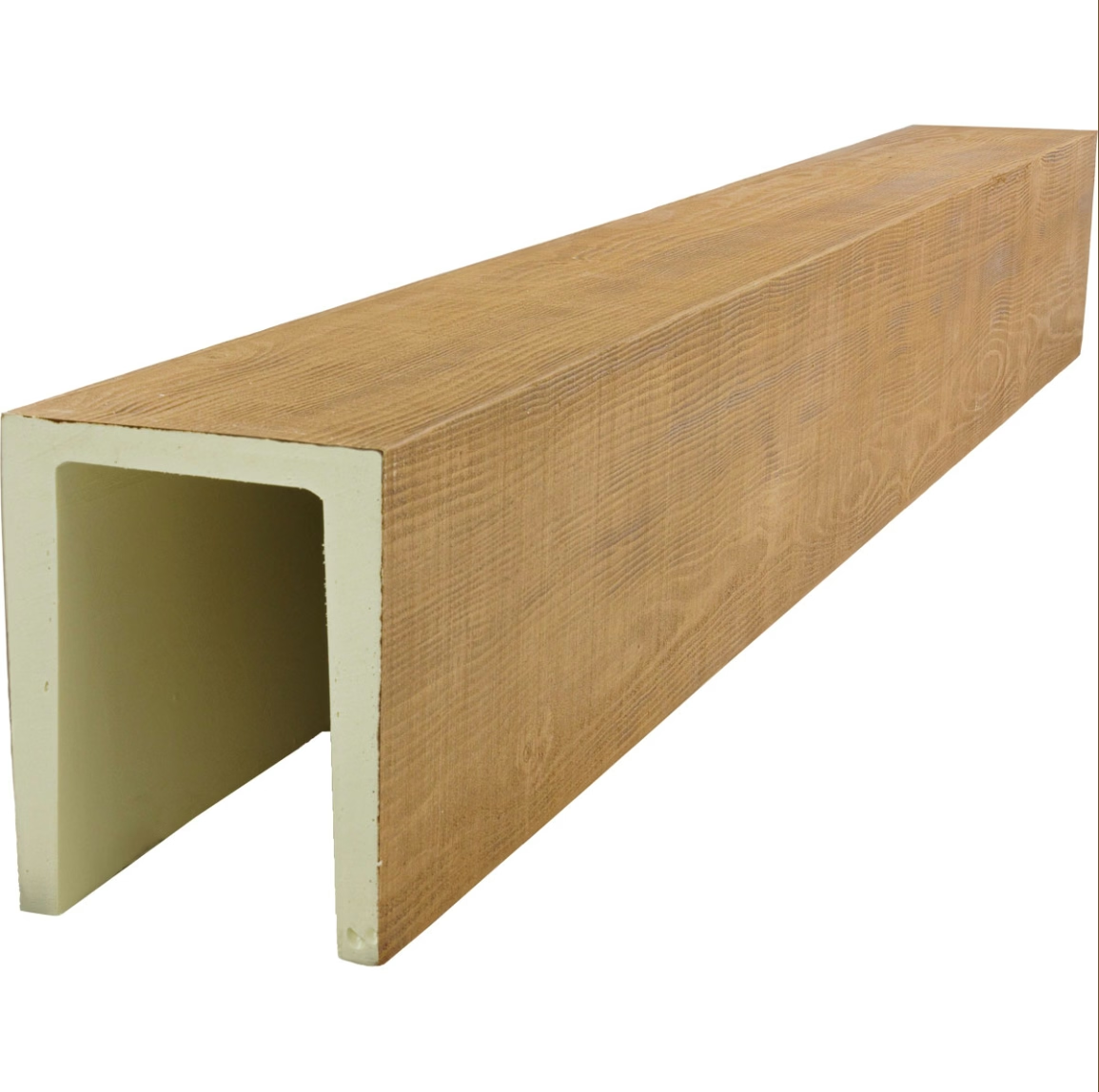
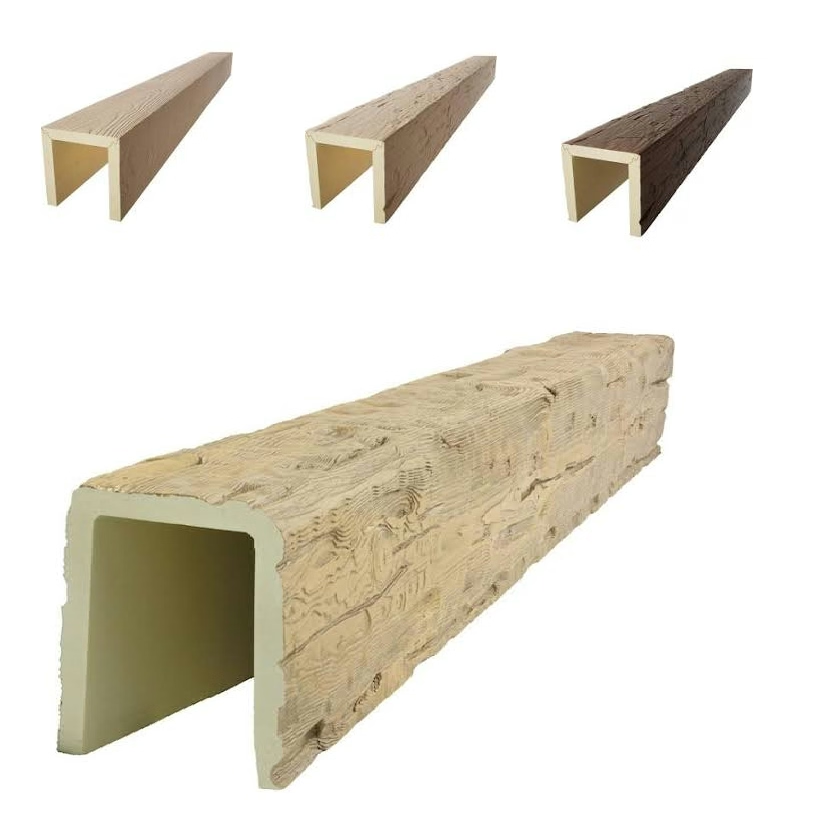
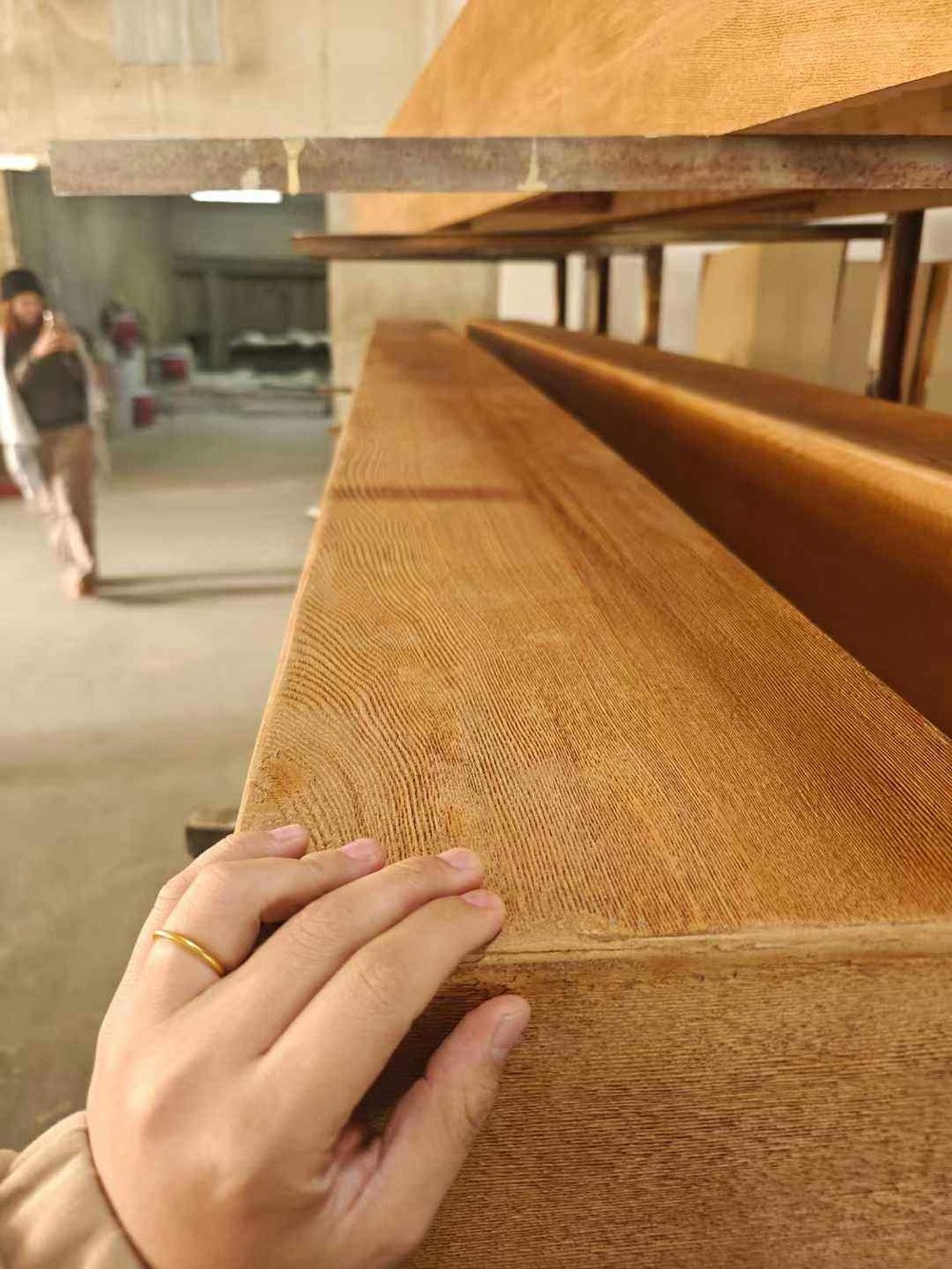
The performance characteristics of polyurethane faux wood beams diverge significantly based on foam density specifications determined during manufacturing. Density, measured in pounds per cubic foot (PCF), represents the mass of polyurethane foam contained within a given volume and serves as the primary indicator of product quality and capability. Low-density formulations typically range from 2 to 4 pounds per cubic foot, while high-density alternatives extend from 5 to 8 pounds per cubic foot or beyond. This fundamental material difference cascades through every performance metric that matters for ceiling beam applications.
Buyers who understand density performance implications can select beams matched to actual project requirements rather than either overspending on unnecessary quality or compromising project success with insufficient materials. The choice between density levels affects not just initial purchase price but installation complexity, long-term maintenance needs, and ultimate satisfaction with finished installations. Making informed density selections requires examining how this specification influences multiple simultaneous performance characteristics.
Weight and Structural Implications
The most immediately apparent difference between density levels manifests in overall beam weight. A 6-inch-wide by 8-inch-deep by 10-foot-long polyurethane beam manufactured in 3-pound-density foam weighs approximately 7.5 pounds, while an identical dimensional beam produced in 6-pound-density foam weighs around 15 pounds—effectively doubling the load that mounting systems must support. This weight difference has direct implications for installation hardware selection, labor requirements, and structural considerations for ceiling assemblies.
Low-density beams can often be installed using lighter gauge hardware, simple screws directly into ceiling joists, and single-person handling without assistance equipment. High-density beams typically require heavier mounting brackets, lag bolts into structural members, and potentially two-person installation teams for longer beam lengths. The labor cost differential can be substantial—installing high-density beams may require 50 to 100 percent more time per linear foot compared to low-density alternatives, partially offsetting any material cost savings from selecting lighter formulations.
Ceiling structural capacity must be evaluated when planning high-density beam installations. Older homes with questionable ceiling joist conditions may not accommodate significant additional loads without reinforcement. A single 15-pound beam creates minimal concern, but multiple high-density beams across a large ceiling can impose collective loads requiring professional structural evaluation. Low-density beams present negligible load concerns even when numerous beams are installed.
Surface Durability and Impact Resistance
Daily life generates inevitable impacts against ceiling beams—moving furniture, carrying tall objects, children's activities, and routine household traffic that brings objects into proximity with overhead structures. High-density polyurethane resists these impacts without damage, maintaining pristine surfaces through years of accidental contact. Low-density formulations dent and crush more easily, creating permanent impressions that compromise appearance and require repair or replacement.
The compressive strength difference between density levels directly correlates with impact resistance. High-density foam formulations compress under pressure and return to original dimensions, while low-density alternatives permanently deform when stressed beyond their structural limits. A basketball, stepped ladder corner, or overeager child creates dents in low-density beams that no amount of manipulation can remove. The same impact against high-density surfaces produces no visible damage or at most a temporary impression that quickly recovers.
Commercial environments with elevated traffic patterns absolutely require high-density beams for this reason alone. Restaurant dining rooms, hotel lobbies, retail spaces, and office common areas experience far more ceiling-height activity than typical residential settings. The cost premium for high-density construction pays dividends through maintained appearance and eliminated replacement cycles that would plague low-density alternatives in these demanding applications.

Thermal and Acoustic Properties
Polyurethane foam density influences thermal insulation values and acoustic dampening characteristics that affect room comfort and energy efficiency. Higher-density foam typically provides marginally better insulation per inch of thickness due to reduced air cell sizes and more consistent cellular structure. However, the thickness of ceiling beams rarely contributes significantly to overall wall assembly R-values, making this consideration secondary for most applications.
Acoustic dampening represents a more meaningful density-dependent performance characteristic. High-density polyurethane absorbs more sound energy than low-density alternatives, contributing to quieter rooms with reduced echo and improved sound quality. This characteristic benefits home theaters, music practice rooms, recording spaces, and commercial environments where acoustic comfort matters. The difference may be subtle in typical residential applications but becomes noticeable in spaces with hard flooring, minimal furniture, and high ceilings where echo reduction significantly improves livability.
Manufacturing Quality and Consistency
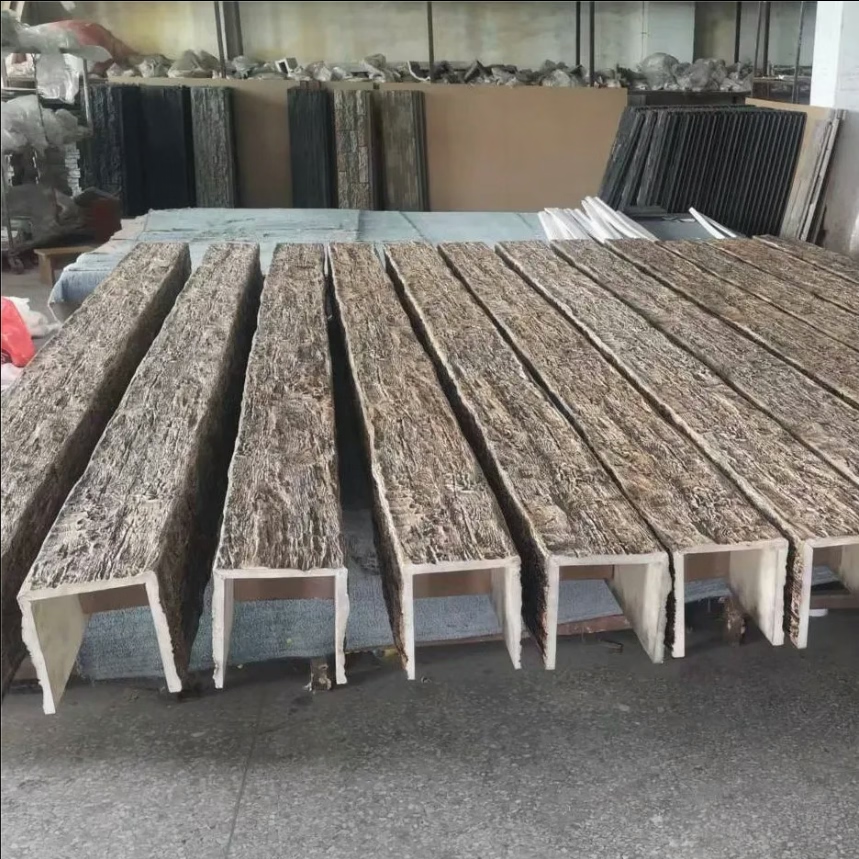
Production processes for high-density polyurethane beams generally involve more controlled manufacturing conditions that improve overall quality consistency. The chemical reactions required to produce higher-density foam demand tighter process control, more precise ingredient ratios, and greater attention to curing requirements. These heightened manufacturing standards typically result in beams with more consistent dimensions, sharper detail reproduction, and fewer surface defects compared to commodity low-density production runs.
Low-density production prioritizes cost reduction over quality optimization, often accepting dimensional variations, surface imperfections, and mold detail degradation that would be unacceptable in premium product lines. While individual beam quality varies by manufacturer regardless of density, the correlation between density positioning and overall manufacturing rigor suggests that high-density products more consistently meet specification requirements. Buyers should still request samples and inspect shipments carefully, but baseline expectations should be higher for high-density products.
Cost-Benefit Analysis Across Applications
Residential accent applications where beams serve purely decorative purposes and face minimal physical contact justify low-density selections that reduce material costs without compromising functionality. Bedrooms, formal living rooms, and dining rooms where furniture arrangement keeps occupants at safe distances from ceiling beams perform adequately with standard-density construction. The visual impact of decorative beams does not require structural robustness beyond normal handling during installation.
Family rooms, children's bedrooms, kitchens, and high-traffic residential zones warrant high-density investment to prevent damage from inevitable accidental impacts. The premium cost spreads comfortably across beam lifespans when calculated against potential repair or replacement expenses for damaged low-density alternatives. Active households with children or pets particularly benefit from high-density durability that tolerates elevated activity levels without cosmetic consequences.
Commercial applications should default to high-density specifications without exception. The cost differential becomes negligible against background of professional installation labor, ongoing business operations, and reputation implications of damaged or inferior-looking installations. Property managers overseeing commercial spaces understand that ceiling appearance directly influences tenant satisfaction, visitor impressions, and property valuation—making high-density beam investments clearly justified.
Technical References
ASTM standards cited in every specification
Test Data
Lab results from internal testing program
Updated 2026
Reviewed against current product specs