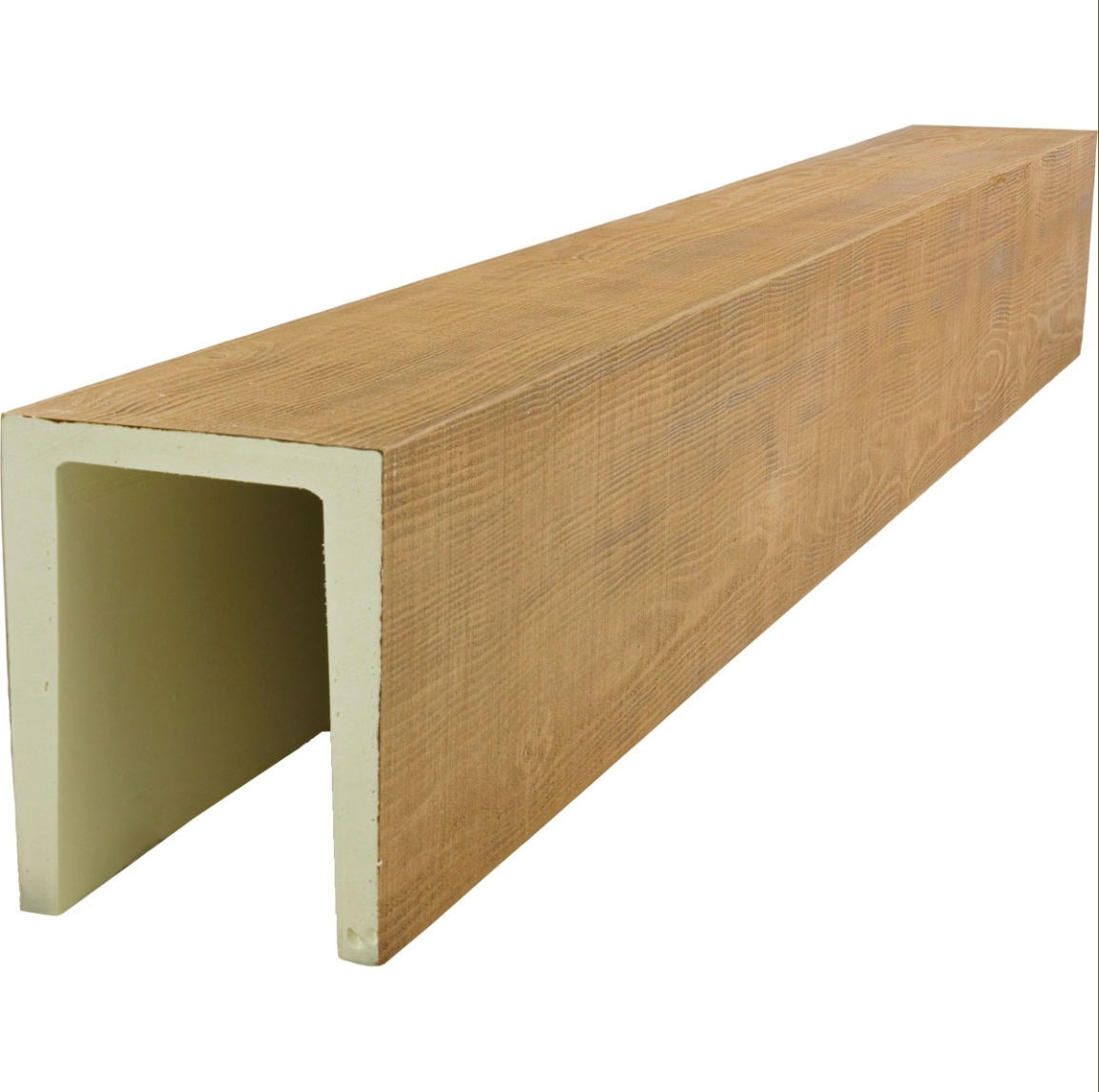
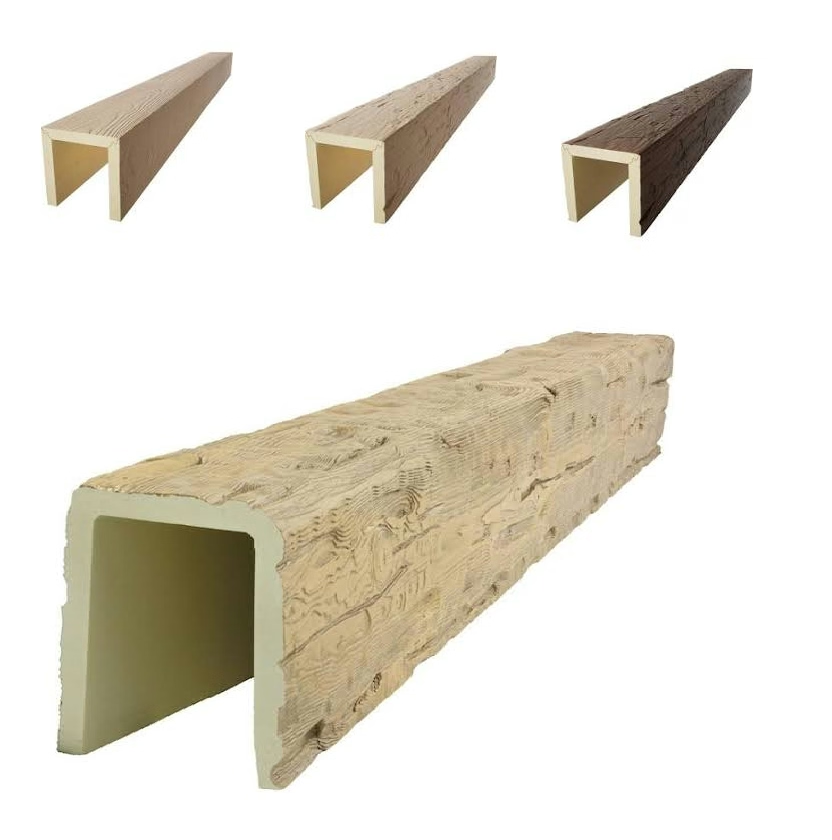
The choice between polyurethane faux wood beams and authentic solid wood beams involves trade-offs across multiple performance dimensions that align differently depending on project requirements, budget constraints, and long-term objectives. Neither material represents a universal superior option—each excels in specific contexts where its particular characteristics provide genuine advantages. Understanding these contextual strengths allows buyers to match material selection to actual project needs rather than making assumptions based on incomplete information or aesthetic preferences alone.
Solid wood beams carry centuries of proven service in architectural applications, demonstrating capabilities that polyurethane cannot replicate regardless of manufacturing advances. The genuine article connects buildings to natural materials heritage, offering authentic aging characteristics, genuine structural properties, and the satisfaction of using materials shaped by natural growth processes over decades or centuries. Polyurethane faux beams offer different advantages including dimensional consistency, installation simplicity, and resistance to biological degradation that solid wood cannot match. The appropriate choice depends entirely on which advantages matter most for specific applications.
Weight and Installation Complexity
Solid wood beams present substantial handling challenges that polyurethane alternatives dramatically simplify. A 6-inch by 8-inch by 12-foot Douglas fir beam weighs approximately 70 to 80 pounds, requiring two-person installation teams, mechanical lifting equipment for longer spans, and structural ceiling systems capable of supporting significant static loads. Polyurethane faux beams of identical dimensions weigh only 12 to 20 pounds depending on density formulation, enabling single-person installation in many cases and reducing structural requirements to negligible levels.
This weight differential fundamentally changes what becomes possible in terms of beam applications. Solid wood installation in standard residential construction often requires structural engineering assessment and potentially ceiling reinforcement before proceeding. Polyurethane beams can be installed in virtually any ceiling configuration without concern for load capacity—the mounting hardware matters more than the ceiling structure. For renovation projects where original structural beams cannot be added without extensive reconstruction, polyurethane faux beams provide aesthetic transformation without structural complications.
The installation time differential reinforces the practical advantages of lighter weight. Professional installers typically quote solid wood beam work at two to three times the labor hours required for polyurethane equivalents, with the premium reflecting both handling difficulty and the specialized skills required for working with heavy timber. The labor savings with polyurethane installation can substantially offset material cost differences, particularly in projects requiring multiple beams across extended ceiling areas.
Durability Under Environmental Stress
Solid wood responds dynamically to environmental conditions throughout its service life, expanding and contracting with humidity changes, warping when dried unevenly, and developing checking or cracking as moisture content fluctuates seasonally. These natural characteristics represent authenticity for some observers while creating maintenance concerns for others. Polyurethane foam remains dimensionally stable regardless of humidity levels, maintaining exact dimensions and surface conditions through decades of environmental variation without the ongoing adjustment that solid wood requires.
Moisture exposure creates the most dramatic durability divergence between materials. Solid wood absorbs water readily, potentially leading to warping, rotting, mold growth, and structural compromise when exposed to sustained humidity or water contact. Polyurethane foam resists moisture absorption entirely, maintaining structural integrity and surface appearance even in damp environments like bathrooms, kitchens, or covered exterior applications. This moisture resistance eliminates concerns about water damage, wood rot, and the biological degradation that limits solid wood beam applications in challenging environments.
Termite and insect damage represents another significant durability differential. Solid wood provides food sources and shelter for wood-boring insects, requiring ongoing preventive treatment and regular inspection in many geographic regions. Polyurethane contains no organic material that insects can consume, providing permanent protection against infestation without chemical treatment or vigilant monitoring. For buildings in termite-prone regions, this inherent resistance may justify polyurethane selection regardless of other performance considerations.

Maintenance Requirements and Long-Term Care
Solid wood beams require ongoing maintenance interventions to preserve appearance and structural integrity over extended service periods. Periodic refinishing addresses surface wear, water spotting, and UV-caused discoloration that accumulate with age. Insect treatment applications protect against wood-boring pests that can compromise beam structural capacity. Moisture management through dehumidification, ventilation improvements, or protective sealants prevents the water damage that represents the primary threat to solid wood beam longevity.
The cumulative maintenance investment for solid wood beams over decades can substantially exceed initial material cost savings compared to polyurethane alternatives. Refinishing a large solid wood beam typically requires scaffolding, surface preparation, finishing materials, and labor costs totaling hundreds of dollars per beam. Chemical treatments, moisture monitoring systems, and professional inspections add further ongoing expenses that polyurethane eliminates entirely. When evaluated across 20 or 30-year service periods, the true cost comparison between materials often reverses initial purchase price relationships.
Polyurethane faux beams require essentially no ongoing maintenance beyond occasional dusting or cleaning to remove accumulated dirt. The factory-applied finishes resist scratching, UV damage, and water spotting without periodic renewal. Insect damage cannot occur. Dimensional stability eliminates concerns about warping, checking, or seasonal movement. For property owners seeking permanent installations that maintain appearance indefinitely without attention, polyurethane provides compelling practical advantages that solid wood cannot match without substantial ongoing care investment.
Aesthetic Authenticity and Visual Quality
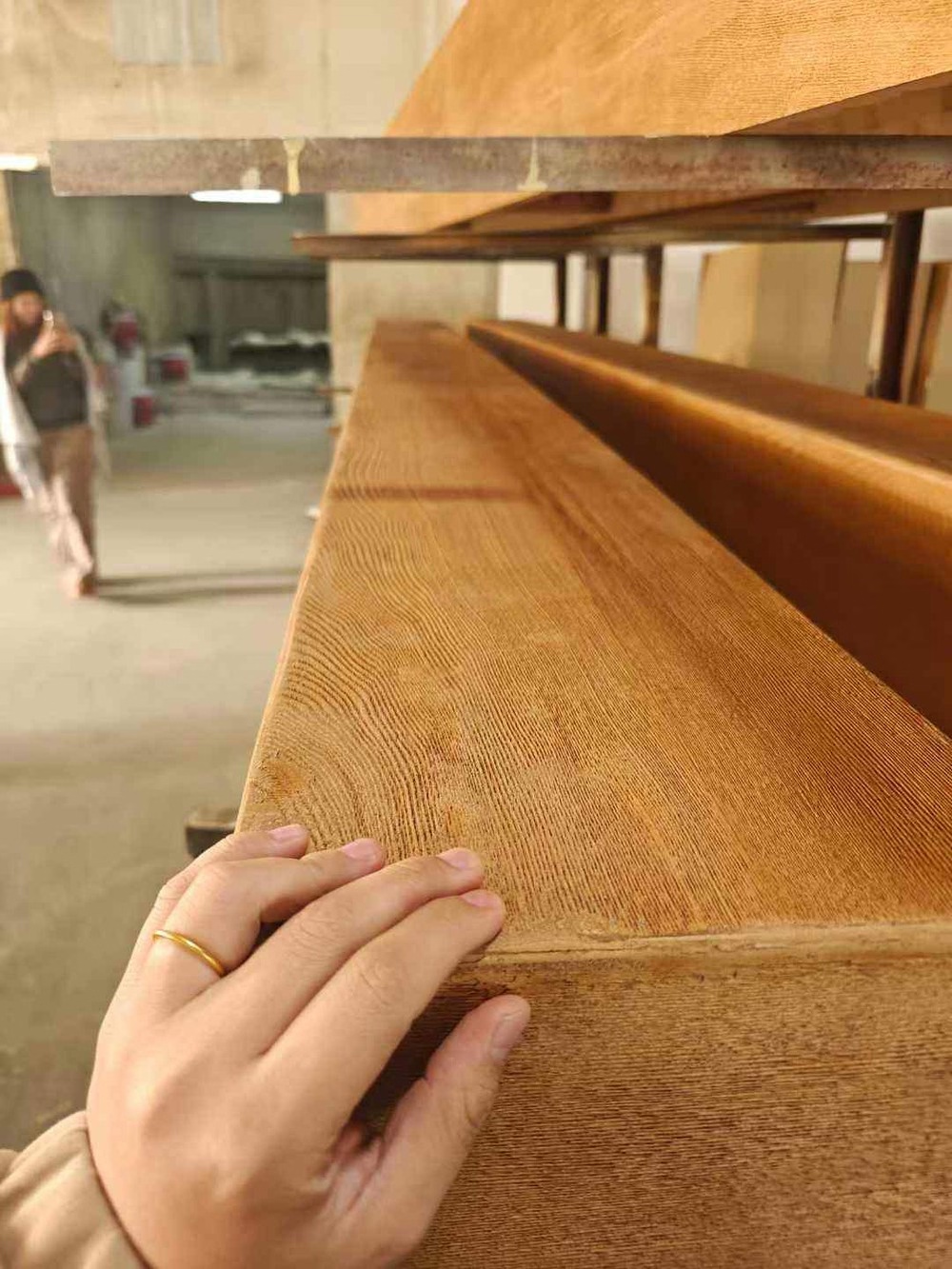
The aesthetic question represents the most subjective dimension of material comparison, where genuine appreciation for solid wood's natural character may outweigh practical performance considerations. Solid wood beams display authentic grain patterns generated by living trees, with natural variation between pieces that creates visual interest impossible to manufacture artificially. The three-dimensional depth of genuine wood grain, the subtle color variations within and between growth rings, and the organic irregularities that identify authentic materials create aesthetic experiences that polyurethane cannot precisely replicate regardless of surface texturing sophistication.
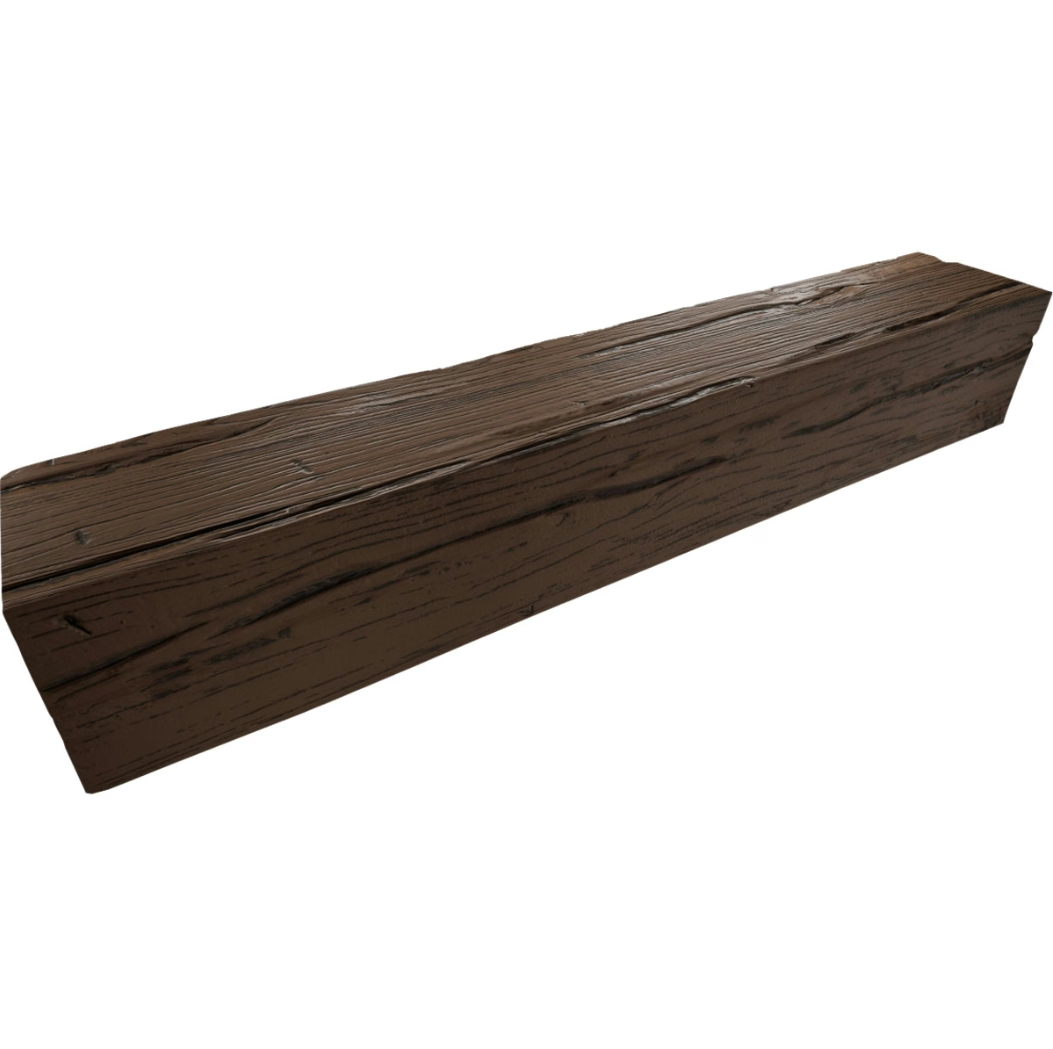
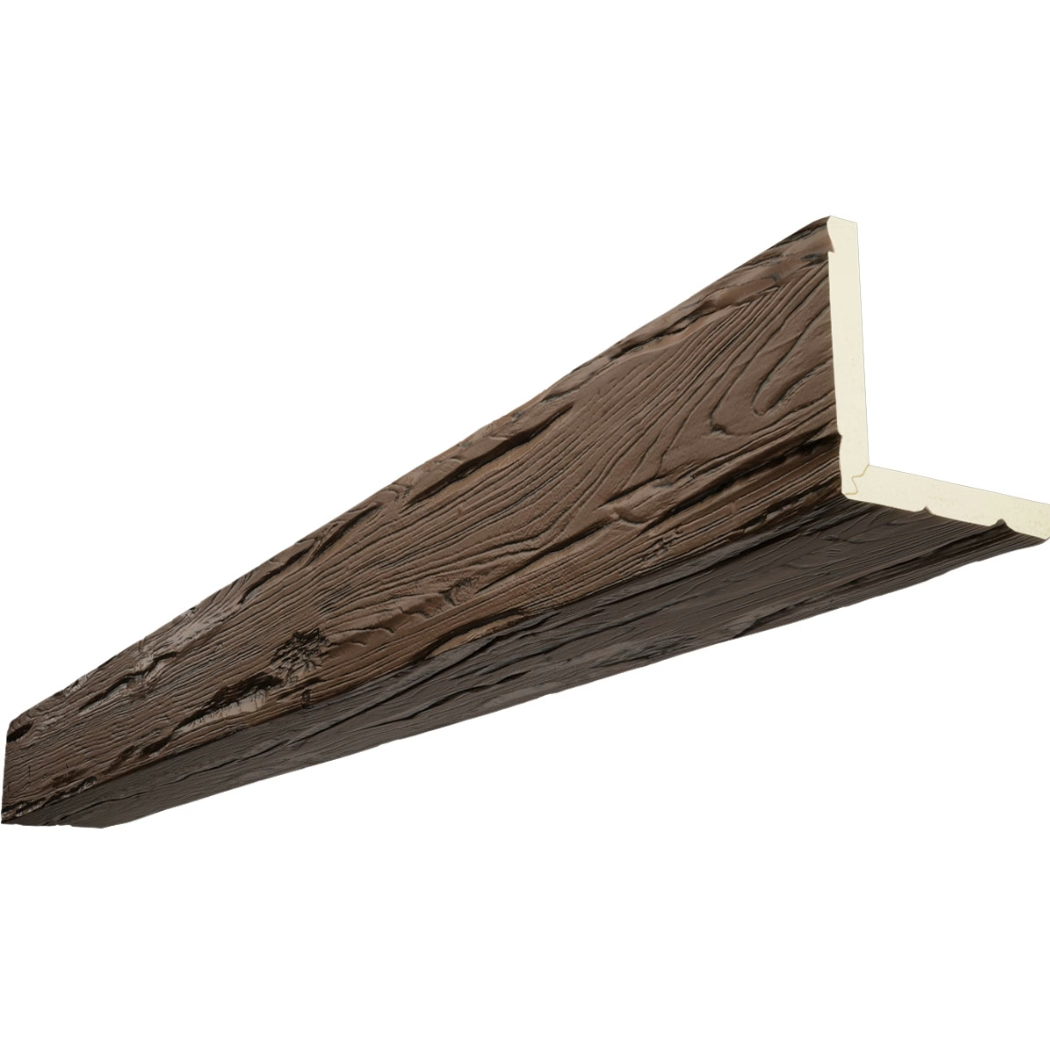
Polyurethane beams have achieved remarkable visual accuracy in wood grain reproduction, with high-quality products nearly indistinguishable from solid wood at typical viewing distances under normal lighting conditions. The simulated grain patterns, artificial weathering effects, and hand-applied finishing techniques employed by premium manufacturers create convincing appearances that satisfy most observers. However, close inspection—running fingers across surfaces, examining edge conditions, or viewing under magnification—reveals the material distinction that purists may find significant.
The aging characteristics of each material create divergent long-term aesthetic trajectories. Solid wood develops patina, darkens or lightens based on species and exposure, and accumulates character marks that many observers find desirable. Polyurethane maintains original appearance indefinitely, neither improving nor degrading with age. This characteristic represents an advantage for applications where consistent appearance matters, but disappoints those who value the evolving character that authentic materials develop over time.
Cost Comparison Across Project Lifecycle
Initial purchase price comparison frequently favors solid wood for commodity species and standard sizes, with natural timber often available at lower per-unit costs than premium polyurethane alternatives. However, this initial comparison ignores substantial cost factors that accrue throughout beam service life. Solid wood installation requires more expensive mounting systems, potentially requires structural reinforcement, demands professional installation teams with timber handling experience, and may involve finishing costs that polyurethane's factory-applied surfaces eliminate.
Total installed cost calculations that incorporate material, hardware, labor, finishing, and anticipated maintenance reveal more complex economics than simple unit price comparison. Projects with multiple beams across extended ceiling areas particularly benefit from polyurethane's installation simplicity advantages, where labor cost differentials can reach thousands of dollars. The installation cost premium for solid wood often exceeds the initial material price difference, making polyurethane the more economical choice even before considering maintenance cost avoidance.
Long-term ownership costs complete the economic picture. Solid wood beams in demanding environments may require replacement after 15 to 20 years, while quality polyurethane installations commonly serve 30 years or longer without significant degradation. The present value of future replacement costs strongly favors materials with superior longevity, particularly when discount rates remain low and replacement timing is uncertain. Property owners planning extended occupancy or seeking to minimize ongoing maintenance obligations should weight lifecycle costs heavily in material selection decisions.
Technical References
ASTM standards cited in every specification
Test Data
Lab results from internal testing program
Updated 2026
Reviewed against current product specs