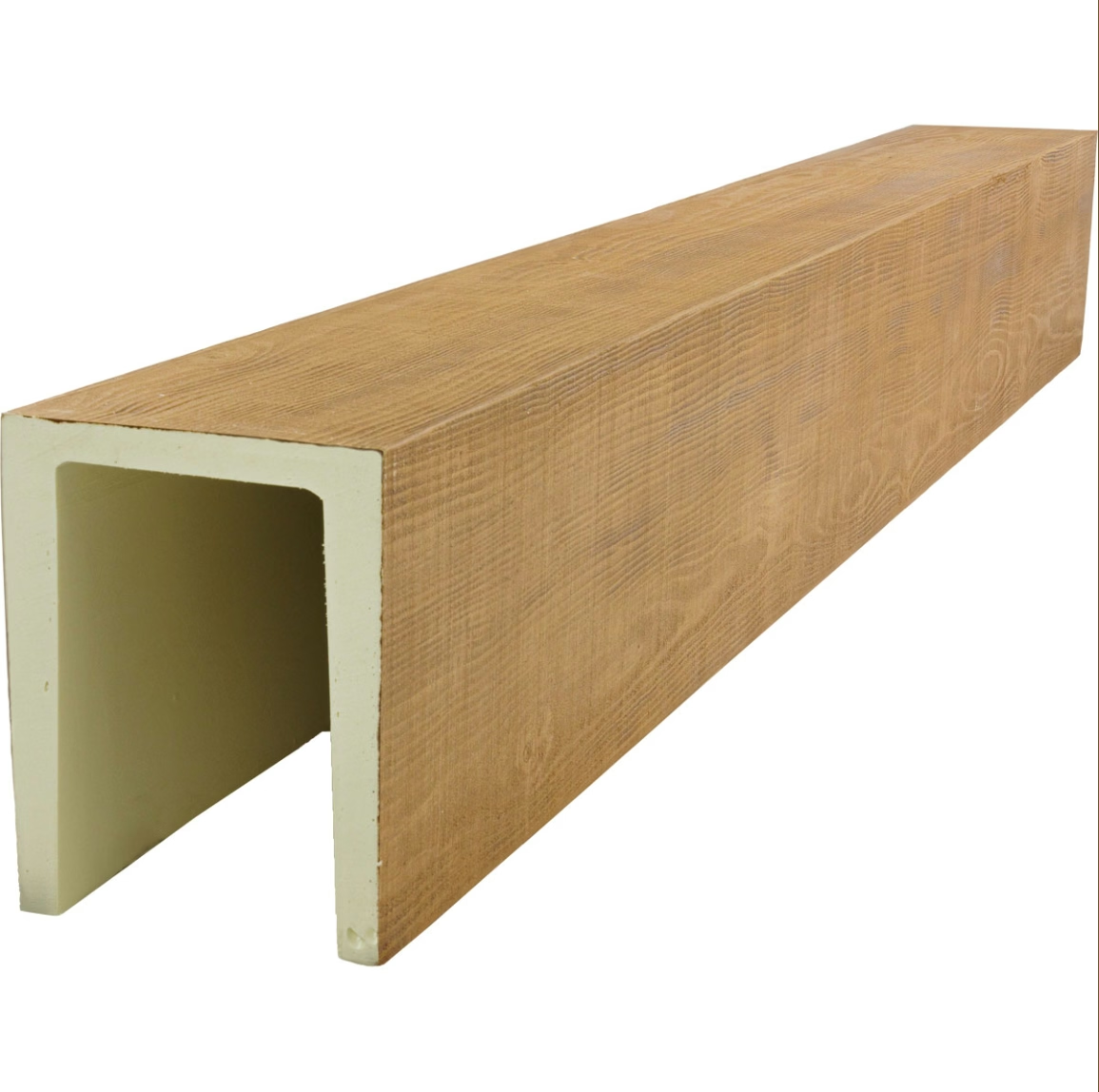
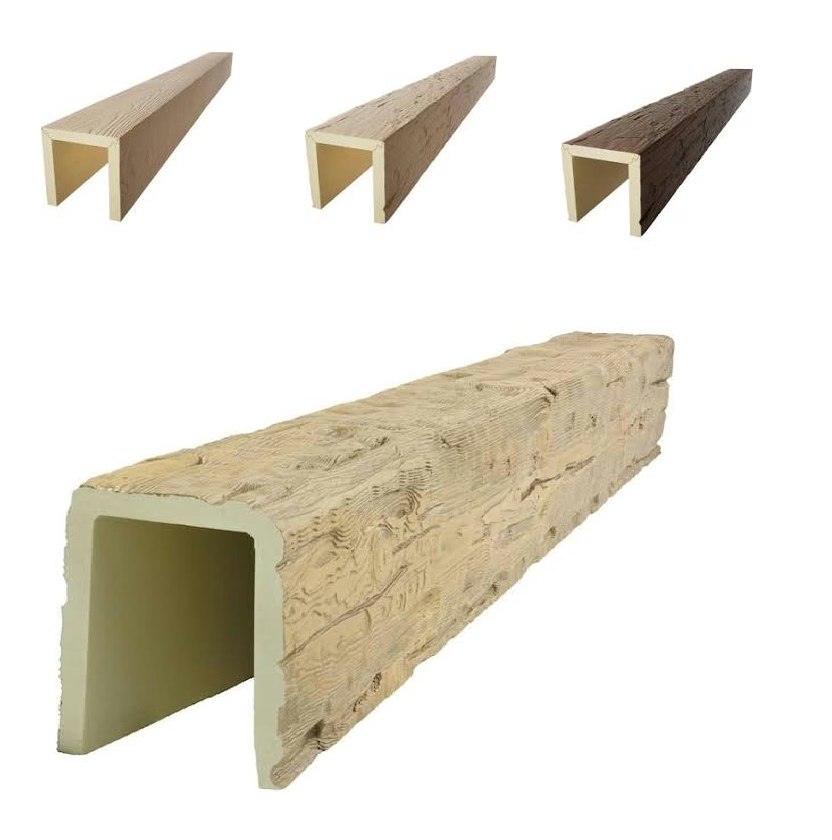
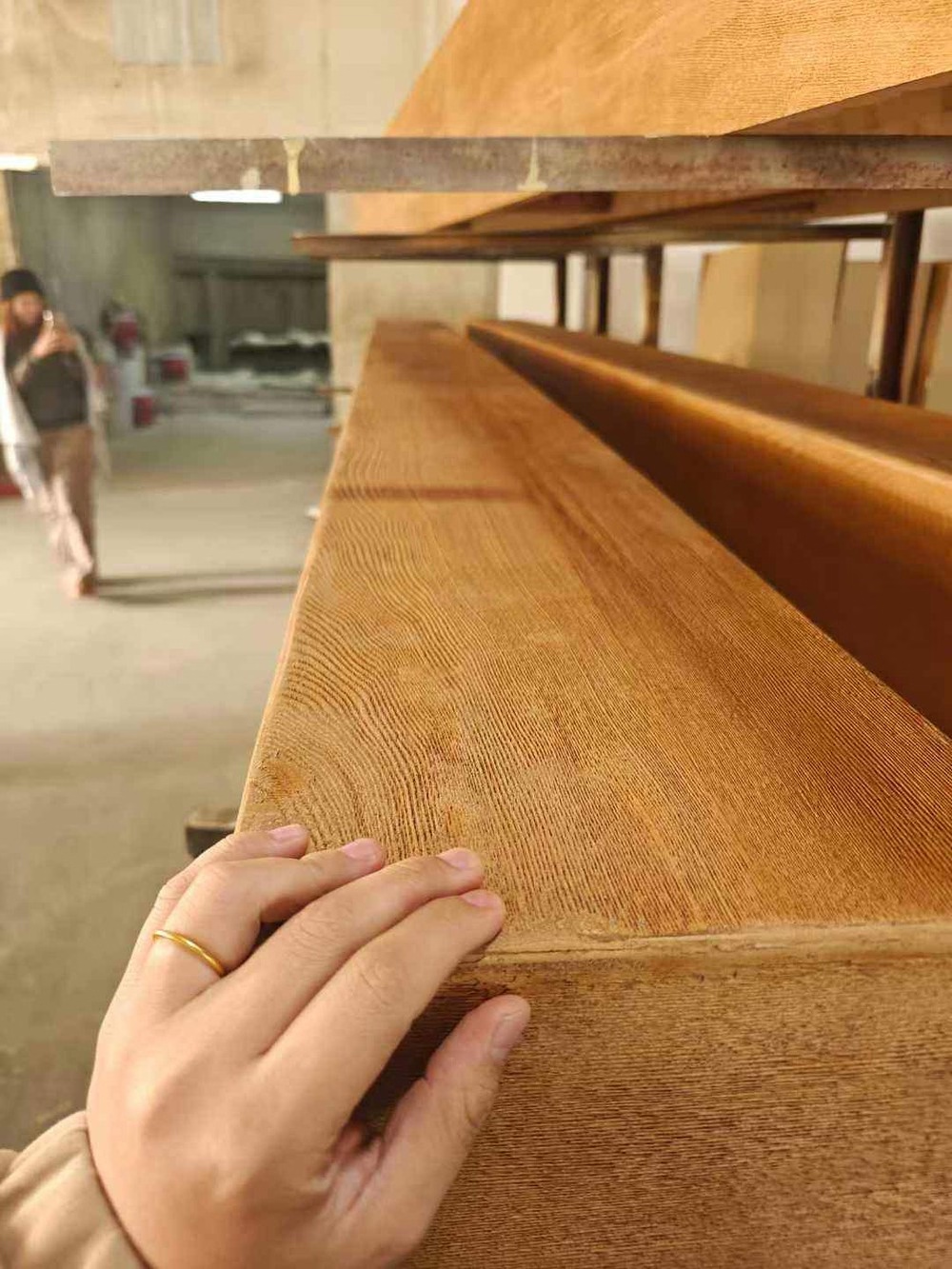
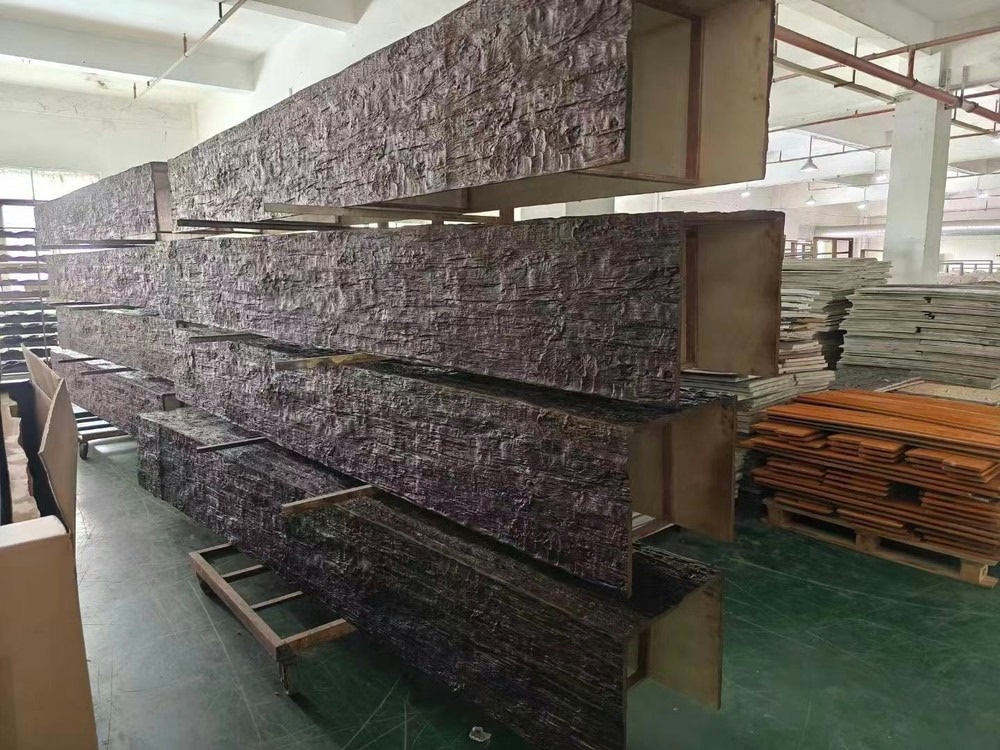
The polyurethane faux wood beam market offers both rigid and flexible product categories, each serving distinct application requirements that the other cannot adequately address. Rigid beams dominate the market for straight ceiling installations and applications where authentic timber appearance takes priority over adaptability. Flexible beams address curved surfaces, irregular architectural elements, and installations requiring the material to conform to non-linear substrates. Matching beam type to application requirements prevents installation failures and ensures satisfactory long-term performance.
The flexibility distinction derives from different foam formulations and sometimes different manufacturing approaches that create fundamentally different product characteristics. Rigid polyurethane beams prioritize surface detail, dimensional stability, and structural feel that mimics genuine timber. Flexible alternatives sacrifice some of these characteristics to achieve the bendability that curved surface applications require. Neither product type represents superior technology—each serves specific requirements that the alternative cannot fulfill as effectively.
Understanding Flexibility Mechanisms
Flexible polyurethane faux beams achieve bendability through lower density formulations combined with specialized polymer chemistries that maintain cohesion under curvature stress. The foam remains soft enough to conform to curved surfaces without cracking, delaminating, or springing back to original straight configuration. This flexibility is permanent rather than temporary—the material accepts the curved configuration and retains it indefinitely without ongoing stress requirements.
The flexibility range achievable varies by manufacturer and product line, typically expressed as minimum bend radius achievable without damage. Premium flexible beam products may bend to radii as tight as 12 to 18 inches, accommodating most residential curved ceiling applications. Standard flexible products may require larger minimum radii of 24 inches or more, suitable for gentler curves but unable to address tight radius requirements. Understanding specific product flexibility specifications before purchasing prevents discovering limitations during installation that compromise project success.
Rigid beams, conversely, cannot be bent during installation without damage. Attempting to force rigid beams around curves results in cracking, surface delamination, or complete structural failure. This limitation is absolute—the material chemistry does not permit deformation without permanent damage. Any installation requiring curved or non-linear beam configurations absolutely requires flexible beam products, regardless of aesthetic preferences for rigid beam characteristics.
Surface Quality Differences
The surface quality comparison between rigid and flexible polyurethane beams favors rigid products for most applications. Rigid foam formulations accept fine surface detail during manufacturing with greater fidelity, capturing wood grain patterns, weathering marks, and architectural edge definition that reads convincingly as authentic timber. The firm surface also accepts stains, paints, and finishing treatments uniformly without absorption variations that flexible materials sometimes exhibit.
Flexible beam surfaces necessarily sacrifice some detail capability to achieve bendability. The softer foam formulations cannot hold extremely fine detail without risk of damage during bending, resulting in somewhat simplified surface textures compared to rigid equivalents. For applications where beams receive close inspection or appear in professional photography, rigid products generally deliver superior aesthetic results. The surface detail limitation of flexible beams may be acceptable for applications with limited viewing proximity or where beams serve secondary aesthetic functions.
Both product types accept painting and staining, though finishing protocols may differ. Flexible beams typically require flexible finishing products that move with the material without cracking, while rigid beams can use standard wood finishing products without special consideration. Manufacturer finishing recommendations should be followed to ensure lasting results that maintain appearance through temperature cycling and normal aging.
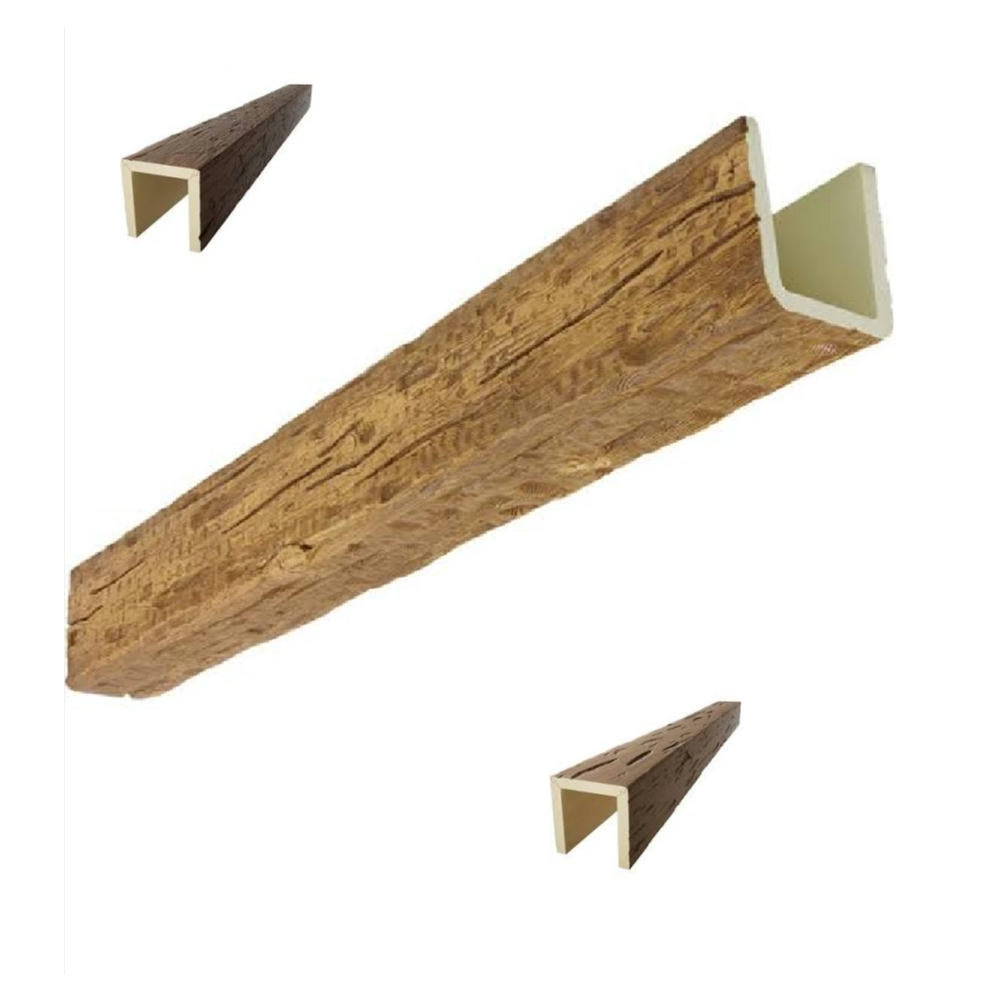
Durability and Impact Resistance
The durability comparison between rigid and flexible polyurethane beams reflects the fundamental formulation differences that create their distinct characteristics. Rigid beams offer superior impact resistance due to higher density and firmer surface characteristics that absorb and distribute contact stress effectively. Accidental impacts that would dent flexible beams may leave rigid surfaces unaffected, maintaining pristine appearance through demanding service conditions.
Flexible beam durability requires careful evaluation against specific application requirements. The softer formulations that enable bendability necessarily reduce impact resistance compared to rigid equivalents. Flexible beams installed in high-traffic areas, children's rooms, or commercial environments may accumulate visible damage faster than rigid alternatives would under identical conditions. This durability differential should influence material selection for projects where long-term appearance maintenance matters.
Surface repair protocols also differ between product types. Damage to rigid beams can often be repaired using foam-compatible fillers and touch-up finishing that restore original appearance effectively. Flexible beam repairs face the additional challenge of maintaining flexibility while achieving durable adhesion—the repair material must flex with the surrounding material without cracking or separating. This repair complexity favors careful handling during installation and protective measures in vulnerable locations over relying on post-damage repair.

Installation Requirements and Techniques
Installation approaches diverge significantly between rigid and flexible beam categories, requiring different skills, tools, and techniques for successful application. Rigid beams install using standard mounting methods including wood screws, metal brackets, and construction adhesive applied to contact surfaces. The firm material holds fasteners securely and supports its own weight between mounting points without deflection or sagging concerns.
Flexible beam installation requires additional considerations to ensure successful conformance to curved surfaces and lasting retention of curved configuration. The material must be forced into the curved shape and held there during adhesive curing—typically using temporary supports, strapping, or clamping systems that maintain position until bonding achieves sufficient strength. The bending process itself requires controlled application to avoid kinking or surface damage that would compromise appearance.
Adhesive selection becomes more critical for flexible beam installations. Standard construction adhesives may not maintain grip as the material flexes during installation and thermal cycling, potentially allowing beams to slowly return toward original configuration or separate from mounting surfaces over time. Premium flexible beam manufacturers typically specify particular adhesive products or adhesive categories that maintain flexible bond characteristics throughout the service life, and following these specifications ensures installation success.
Application Suitability Guidelines
Rigid polyurethane beams serve most common ceiling applications effectively, including straight-run installations, multi-beam ceiling designs, exposed timber looks, and any application where authentic timber appearance is the primary objective. The residential market for faux beams overwhelmingly uses rigid products, as most ceilings present flat surfaces that rigid beams address without difficulty. Rigid product availability spans far more finish options, size configurations, and profile styles than flexible alternatives provide.
Flexible beams address architectural situations that rigid products cannot handle, including curved ceiling vaults, barrel vault structures, archways, curved feature walls, and irregular surface conditions. The commercial hospitality market frequently specifies flexible beams for curved reception desk backgrounds, curved bar fronts, and circular architectural features where the curved beam appearance adds design interest. Flexible products also solve problems in older buildings with settled or non-standard ceiling conditions that rigid beams cannot accommodate.
Hybrid installations combining rigid and flexible products within the same space can address complex ceiling geometries that include both straight and curved elements. This approach maintains consistent aesthetic throughout while using appropriate product types for each architectural condition. The transition between rigid and flexible products requires careful attention to ensure visual continuity at the boundary—typically achieved through consistent finish selection and careful alignment at transition points.
Technical References
ASTM standards cited in every specification
Test Data
Lab results from internal testing program
Updated 2026
Reviewed against current product specs