
The vulnerability of authentic timber beams to wood-destroying pests creates ongoing risk exposure that polyurethane faux alternatives eliminate entirely. This risk differential affects not just the beams themselves but the broader structural considerations, maintenance obligations, and peace-of-mind factors that influence material selection decisions for ceiling applications. Understanding the specific damage mechanisms, susceptibility factors, and realistic exposure probabilities helps buyers make informed decisions that align with their risk tolerance and long-term property objectives.
Real wood beams face constant exposure to multiple pest categories throughout their service lives. Subterranean termites travel from soil colonies through building foundations to reach wooden structural elements. Drywood termites establish colonies directly within wood members, bypassing foundation-related prevention measures. Carpenter ants excavate wooden passages for nesting habitation. Powderpost beetles complete developmental cycles within wood fiber material. Each pest category presents distinct damage patterns and treatment challenges that combine to create comprehensive vulnerability profiles for authentic timber.
The pest exposure is not theoretical—realistic probability of pest encounter depends on geographic location, building construction, surrounding vegetation, climate conditions, and numerous other factors that vary across properties. Some regions face endemic termite pressure requiring active prevention programs simply to protect structures adequately. Other regions experience minimal pest pressure that may never manifest as actual damage during typical building service life. Risk assessment for specific locations enables appropriate material selection that balances pest-proof material costs against realistic exposure probabilities.
Termite Damage Mechanisms and Progression
Subterranean termites access wooden building components through mud tubes they construct from soil particles and saliva, creating protective tunnels that maintain humidity while connecting colony populations to food sources. These tubes climb foundation walls, traverse concrete surfaces, and find entry points through foundation cracks, utility penetrations, or direct wood-to-soil contact. Once inside structures, termites spread through wall cavities, beneath floors, and into ceiling structures where timber beams await.
Termite damage to wooden beams progresses from initial surface exploration through progressive internal excavation that may continue for years before becoming visible. The hollowing process weakens beams structurally while exterior surfaces may appear entirely intact—a combination that allows extensive damage to accumulate before detection. Professional inspectors identify termite activity through mud tubes, exit holes, discarded wings, and other indicators, but hidden damage within apparently sound wood may escape detection until structural failure occurs.
The structural implications of termite-damaged beams range from minor cosmetic surface damage through catastrophic load-bearing failure depending on damage extent and beam structural function. Ceiling beams in most residential applications carry primarily aesthetic rather than structural loads, limiting the safety implications of damage. However, load-bearing ceiling beams, exposed rafters in vaulted ceilings, or structural ridge beams represent components where termite damage can progress to genuine structural concern requiring emergency shoring and replacement.

Carpenter Ant and Powderpost Beetle Damage
Carpenter ant damage differs fundamentally from termite destruction despite similar structural implications. Unlike termites that consume wood fiber, carpenter ants excavate wood passages purely for nesting shelter, depositing excavated material outside the nest rather than consuming it internally. This excavation creates smooth-walled tunnels characteristic of carpenter ant damage, with the excavated material appearing as sawdust piles near entrance holes.
Carpenter ant infestations typically initiate in wood with existing moisture damage, as these ants prefer softer wood fibers damaged by water rather than attacking sound structural timber. This preference means carpenter ant activity often signals underlying moisture problems that require address beyond pest treatment. However, established colonies may expand into sound wood once moisture-damaged material is exhausted, creating progressive damage that spreads from initial entry points.
Powderpost beetle damage becomes evident through small exit holes—typically 1/16 to 1/8 inch diameter—that adult beetles create when emerging from developed wood. The "powder" in the name refers to the fine wood dust that larvae produce during their feeding period within wood fibers. The larval feeding stage may last anywhere from several months to several years depending on beetle species and wood conditions, creating prolonged damage accumulation that continues invisibly beneath intact wood surfaces.
Polyurethane Immunity and Performance Verification
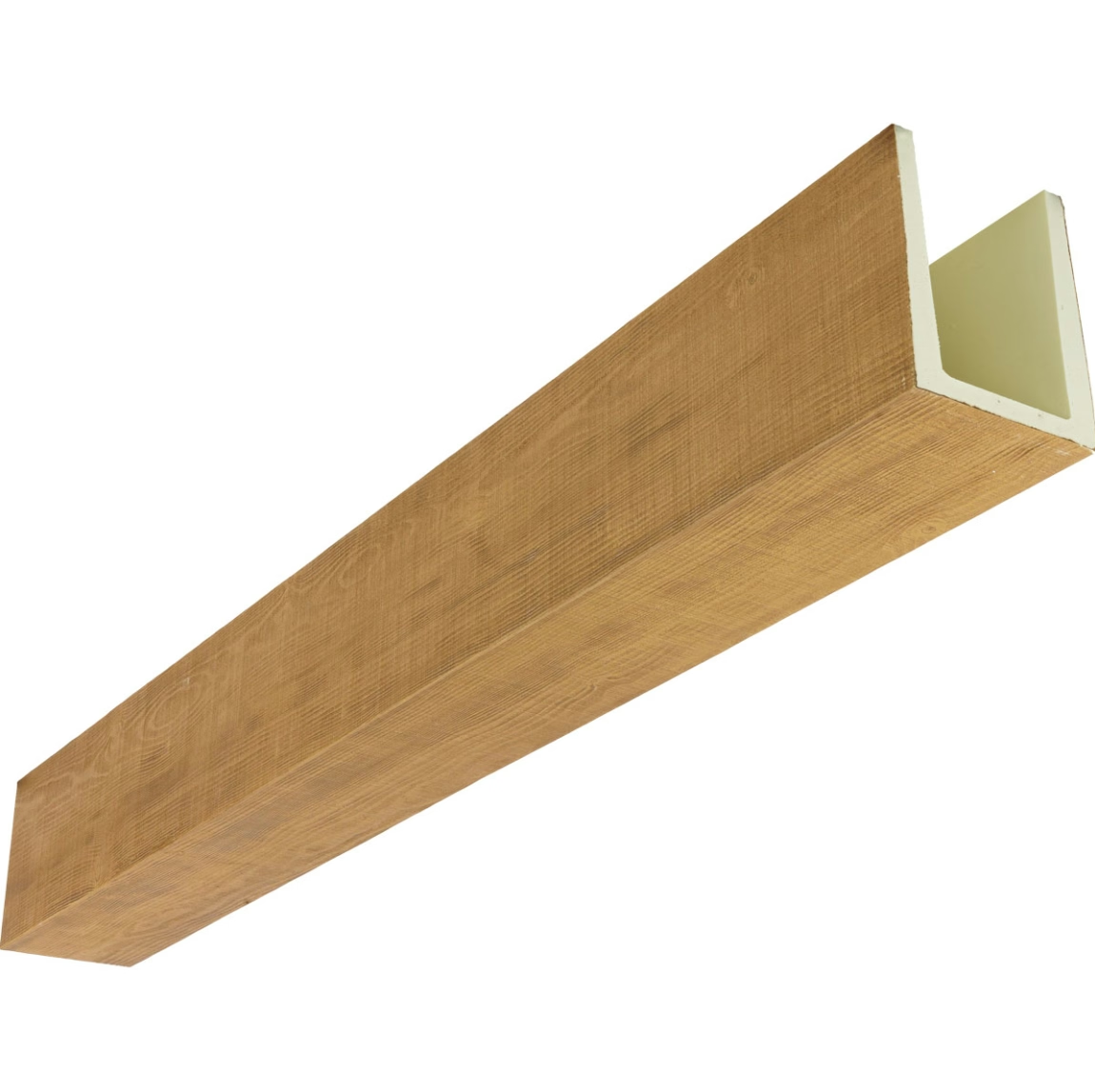
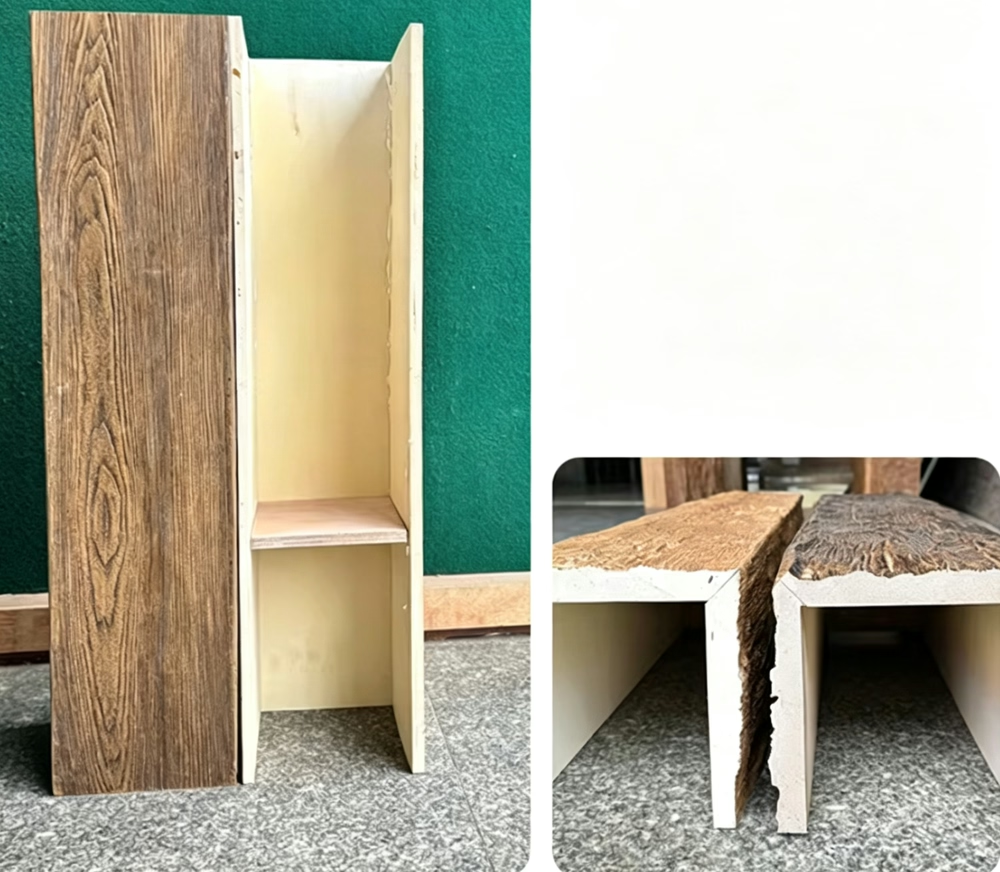
Polyurethane foam provides complete immunity to all wood-destroying pest categories through fundamental material characteristics rather than applied chemical treatments. The foam contains no cellulose, no organic compounds that serve as pest nutrition, and nothing that wood-boring insects can digest or use for shelter construction. Every pest species that threatens authentic timber recognizes polyurethane as unsuitable material upon first contact and abandons any attempt to penetrate or inhabit it.
This immunity extends to all pest categories globally—no known wood-destroying insect species can consume, excavate, or inhabit polyurethane foam regardless of colony pressure or surrounding wood availability. The immunity is permanent, requiring no maintenance, renewal, or verification throughout the product's service life. Unlike chemical treatments that degrade over time or require specific concentrations to remain effective, polyurethane's pest resistance derives from material composition that cannot change through aging or exposure.
Independent laboratory testing by pest control product certification organizations has verified polyurethane's immunity across multiple insect species and exposure conditions. These tests deliberately challenge materials with intense pest pressure that far exceeds normal field conditions, demonstrating that even extreme exposure scenarios cannot overcome the fundamental material unsuitability that insects instinctively recognize. The testing provides scientific confirmation for what practical experience has demonstrated—polyurethane beams do not experience pest damage regardless of exposure conditions.
Comparative Risk Assessment
Geographic risk assessment tools provided by pest control organizations indicate regional termite pressure levels based on historical infestation data, climate conditions, and soil characteristics. High-pressure regions—typically the southeastern United States, portions of the Pacific Coast, and tropical/subtropical areas globally—face termite encounter probabilities that make pest-proof material selection economically rational regardless of other considerations. The cost of prevention programs over building service life typically exceeds the material premium for inherently resistant alternatives.
Moderate-pressure regions may present more nuanced decisions where expected pest prevention costs and realistic damage probabilities require individual assessment. Properties with specific risk factors—surrounding vegetation, drainage issues, construction details that create pest access points—may justify resistant material selection despite lower regional averages. Conversely, properties with reduced risk profiles in moderate-pressure regions may adequately manage risk through standard prevention programs without requiring premium pest-proof materials.
Low-pressure regions where wood-destroying pest activity is minimal may not require pest-proof material investment at all, as the exposure probability approaches zero despite theoretical vulnerability. However, climate change is shifting pest distributions globally, with termite species expanding into previously inhospitable regions. Long-term building planning should consider potential future risk changes rather than assuming current low-pressure conditions will persist indefinitely.
Technical References
ASTM standards cited in every specification
Test Data
Lab results from internal testing program
Updated 2026
Reviewed against current product specs


