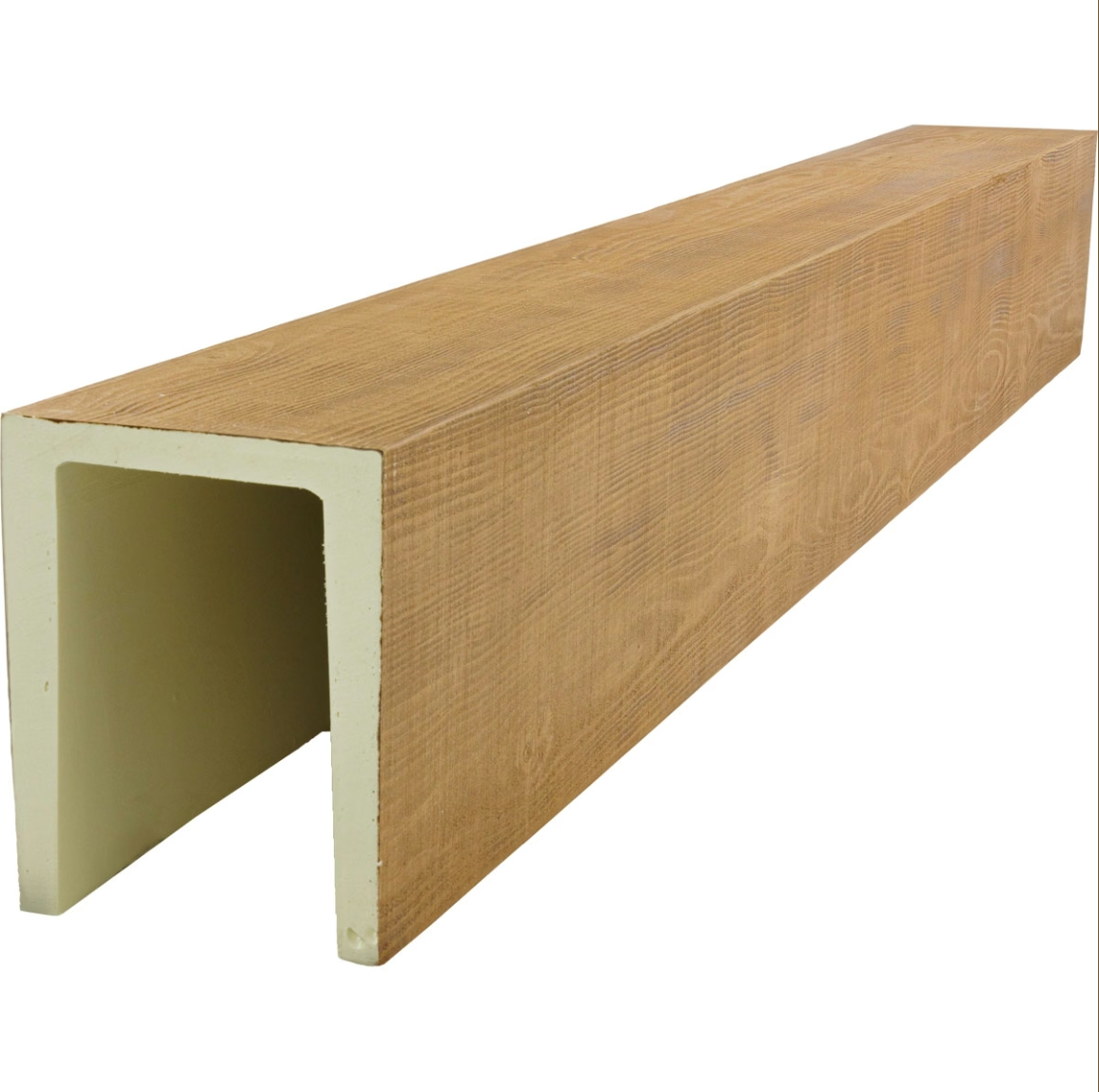
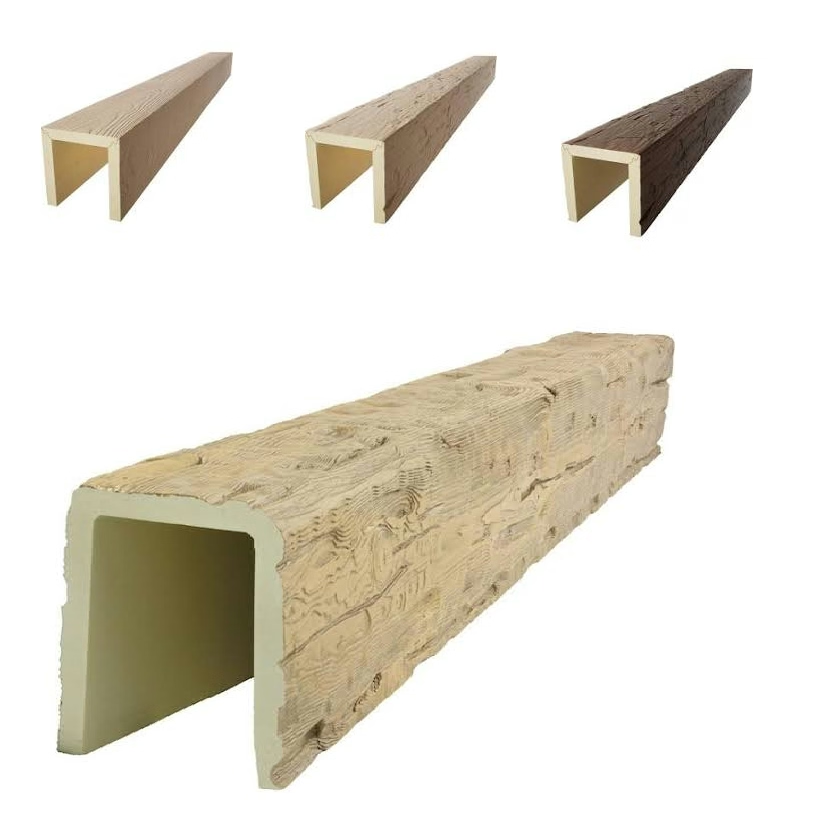
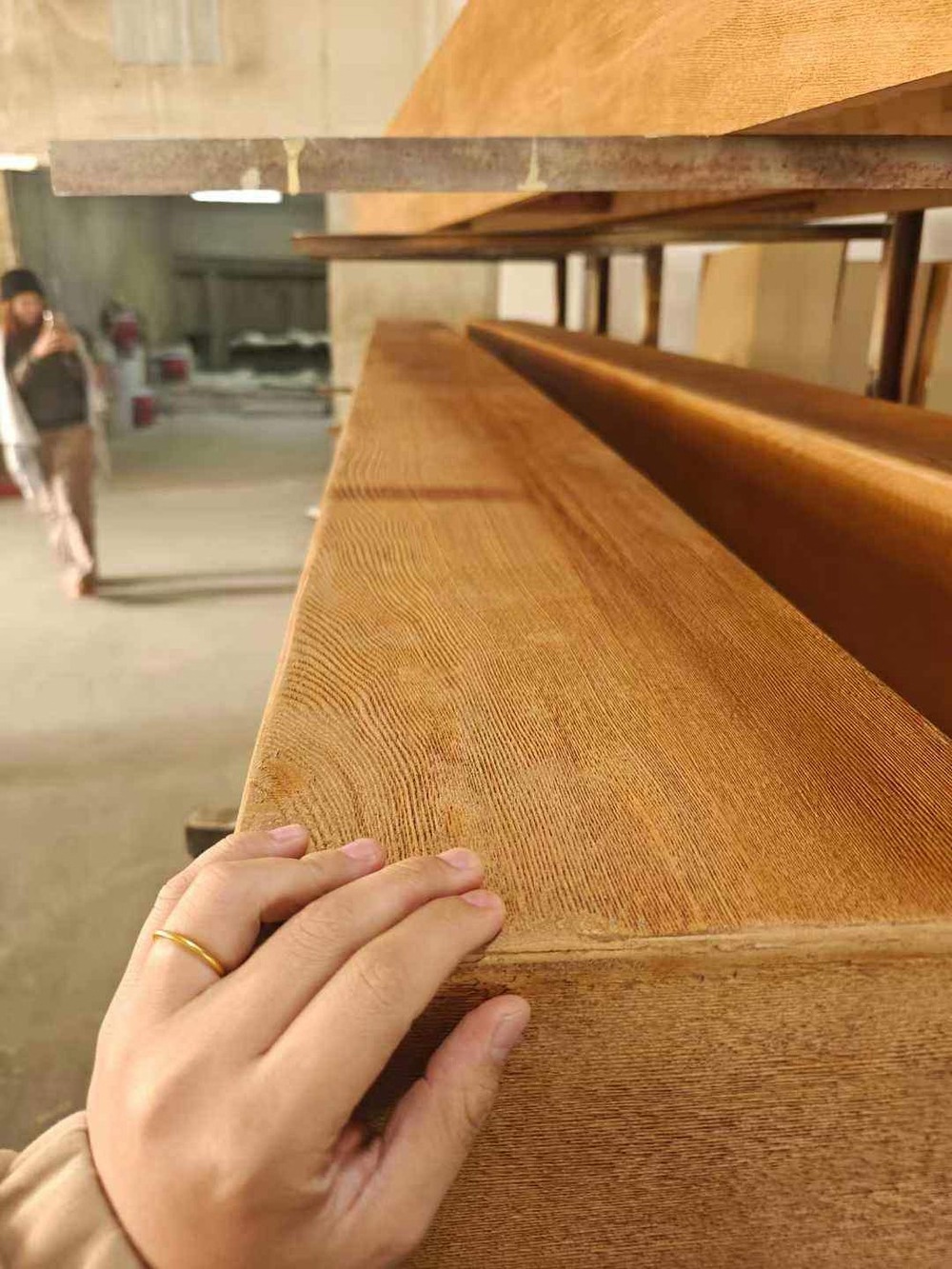
The spectrum of wood-destroying pests extends far beyond termites to include carpenter ants, powderpost beetles, wood-boring bees, and various wood-eating organisms that threaten authentic timber in different geographic regions and environmental conditions. Each pest category presents distinct vulnerabilities that authentic wood must defend against through chemical treatment, physical barriers, or environmental modification. Polyurethane faux wood beams eliminate this entire category of concerns through inherent material characteristics that no wood-destroying pest can overcome.
Carpenter ants excavate wood passages for nesting habitation rather than consuming wood fibers for nutrition, creating damage patterns distinct from termite destruction but equally structurally compromising. These ants preferentially attack wood with existing moisture damage, establishing colonies that progressively expand through structural members. Polyurethane contains no wood material that carpenter ants recognize as suitable nesting substrate, preventing the excavation behavior that creates damage in authentic timber.
Powderpost beetles deposit eggs in wood surface cracks, with hatching larvae tunneling through wood fibers during development. The larval feeding period may last years before adult emergence creates visible exit holes that confirm infestation. Treatment requires penetrating wood surfaces with chemicals that reach larvae within wood fibers—challenges that become impossible once larvae complete development. Polyurethane presents no wood fiber material for egg deposition or larval feeding, eliminating this pest category entirely through fundamental material unsuitability.
Carpenter Bee Damage Prevention
Carpenter bees create unique damage patterns by excavating perfectly round entrance holes into wood surfaces, tunneling internally to create nesting chambers where eggs are deposited. The entrance holes typically appear in untreated softwood surfaces, with the bees preferring wood grain orientation that facilitates excavation. Unlike carpenter ants, carpenter bees do not eat wood—they excavate purely for nesting shelter.
Female carpenter bees can sting if provoked, creating additional concern for structural elements near living spaces. The combination of structural damage and potential human interaction makes carpenter bee infestations particularly concerning for property owners. The distinctive perfectly round entrance holes provide clear evidence of activity that may otherwise go undetected as damage accumulates across seasons.
Polyurethane faux beams present no excavation opportunity regardless of bee species present in the area. The foam material does not accept the chisel-like bee mouthparts that excavate wood tunnels, and no amount of bee attention creates entry points or structural compromise. Properties in regions with significant carpenter bee populations benefit particularly from pest-proof materials that eliminate this concern alongside other wood-destroying pest vulnerabilities.

Long-Term Pest Prevention Economics
The economics of pest prevention favor inherently resistant materials when analyzed across appropriate time horizons. Chemical treatment programs for authentic timber require ongoing expense throughout the structure's service life—initial application during construction, periodic reapplication every 5 to 10 years depending on treatment type and exposure conditions, and potentially escalating costs as treatments become less effective or pest pressure increases.
Professional inspection costs accompany chemical treatment programs, as effective prevention requires verification that treatments remain active and structures remain pest-free. Annual inspections are recommended in high-pressure regions, with each inspection representing expense that continues indefinitely. The inspection-reapplication cycle creates perpetual cost obligations that authentic timber ownership imposes but polyurethane eliminates entirely.
The present value calculations for pest prevention across 30 or 50-year periods reveal substantial cumulative costs that polyurethane's one-time pricing offsets effectively. Initial polyurethane beam cost premiums that seem significant against isolated timber pricing become modest when compared against lifetime pest prevention expense totals. Properties expected to remain under long-term ownership particularly benefit from this economic analysis, as the time horizon extends to capture maximum prevention expense accumulation.
Health and Environmental Considerations
Chemical pest treatments raise health concerns that affect both applicators during application and building occupants afterward. The pesticide compounds effective against wood-destroying pests include active ingredients that the Environmental Protection Agency has regulated due to toxicity concerns. Professional applicators must follow specific safety protocols, and building re-entry periods are typically required after treatment. Families with children, pets, or immunocompromised individuals may prefer minimizing chemical exposure in living environments.
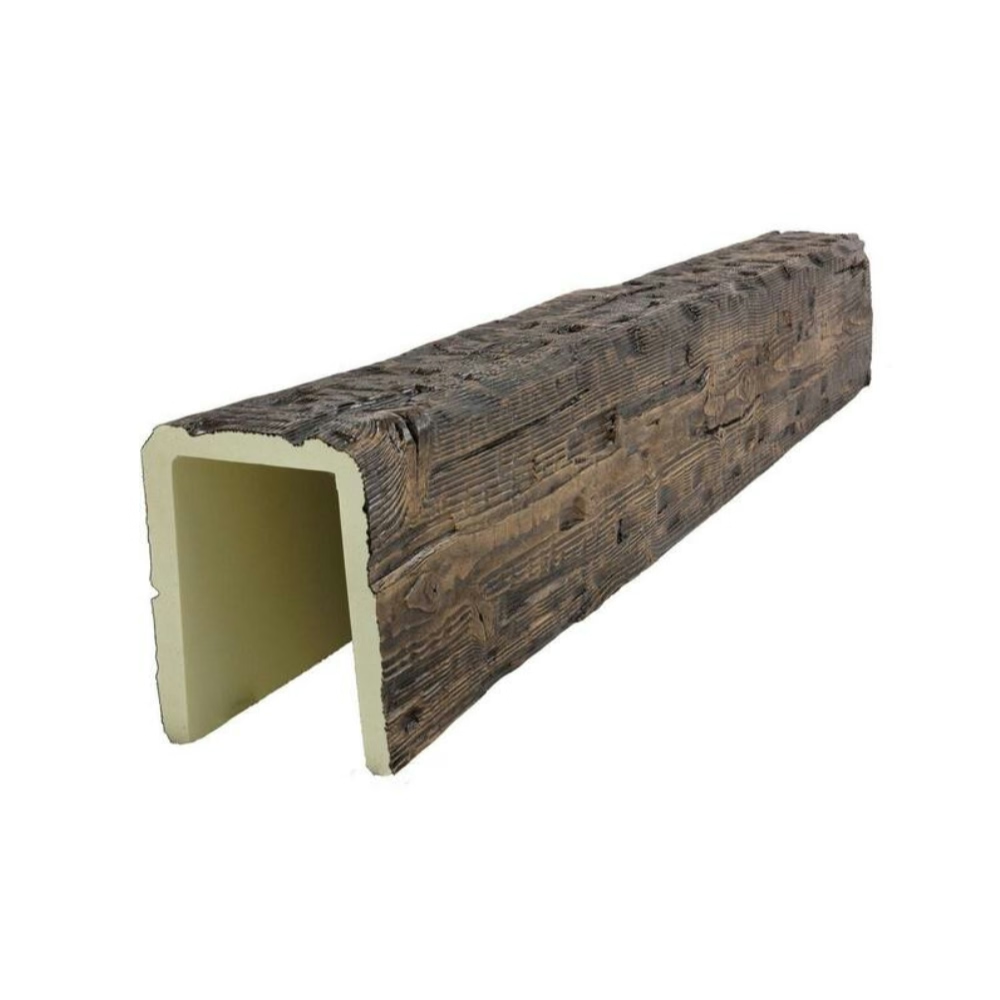
Polyurethane's inherent pest resistance requires no chemical application, creating no exposure concerns for installers or occupants. The material's unsuitability as pest habitat results from its chemical composition rather than applied treatments, providing permanent protection without ongoing chemical presence. This characteristic makes polyurethane particularly appropriate for environments where chemical exposure minimization is prioritized—children's rooms, healthcare facilities, food preparation areas, or households with chemical sensitivity concerns.
Environmental considerations extend beyond immediate health effects to broader ecological impacts of pesticide use. Chemical treatments applied to building structures may eventually migrate into surrounding soil, groundwater, or air, contributing to broader environmental contamination. The cumulative effect of widespread structural pest treatment creates environmental loading that inherently resistant materials avoid entirely. Environmentally conscious building decisions increasingly favor material selection that eliminates chemical dependency rather than managing pest populations through ongoing treatment.
Integration with Overall Pest Management
Comprehensive pest management programs for buildings incorporating polyurethane beams benefit from the material's inherent resistance by reducing the scope of active prevention requirements. The beams themselves need no treatment attention, monitoring, or inspection—resources can focus on other building components where pest vulnerability persists. This focus efficiency improves overall pest management effectiveness while reducing total program cost and complexity.
The psychological benefits of pest-resistant materials complement the practical economic and health advantages. Homeowners who have experienced pest infestations understand the anxiety these events create—the discovery of damage, the treatment disruption, the worry about structural compromise that inspection may or may not resolve. Buildings using inherently pest-resistant materials provide genuine peace of mind that active prevention programs cannot fully replicate, regardless of their actual effectiveness.
Real estate transaction considerations favor pest-resistant materials in regions where termite disclosure requirements affect property sales. Properties using inherently resistant materials face reduced disclosure obligations and fewer transaction complications. Buyers aware of the materials used in construction recognize the reduced risk profile that pest-proof beams provide, potentially valuing properties more highly for this characteristic.
Technical References
ASTM standards cited in every specification
Test Data
Lab results from internal testing program
Updated 2026
Reviewed against current product specs