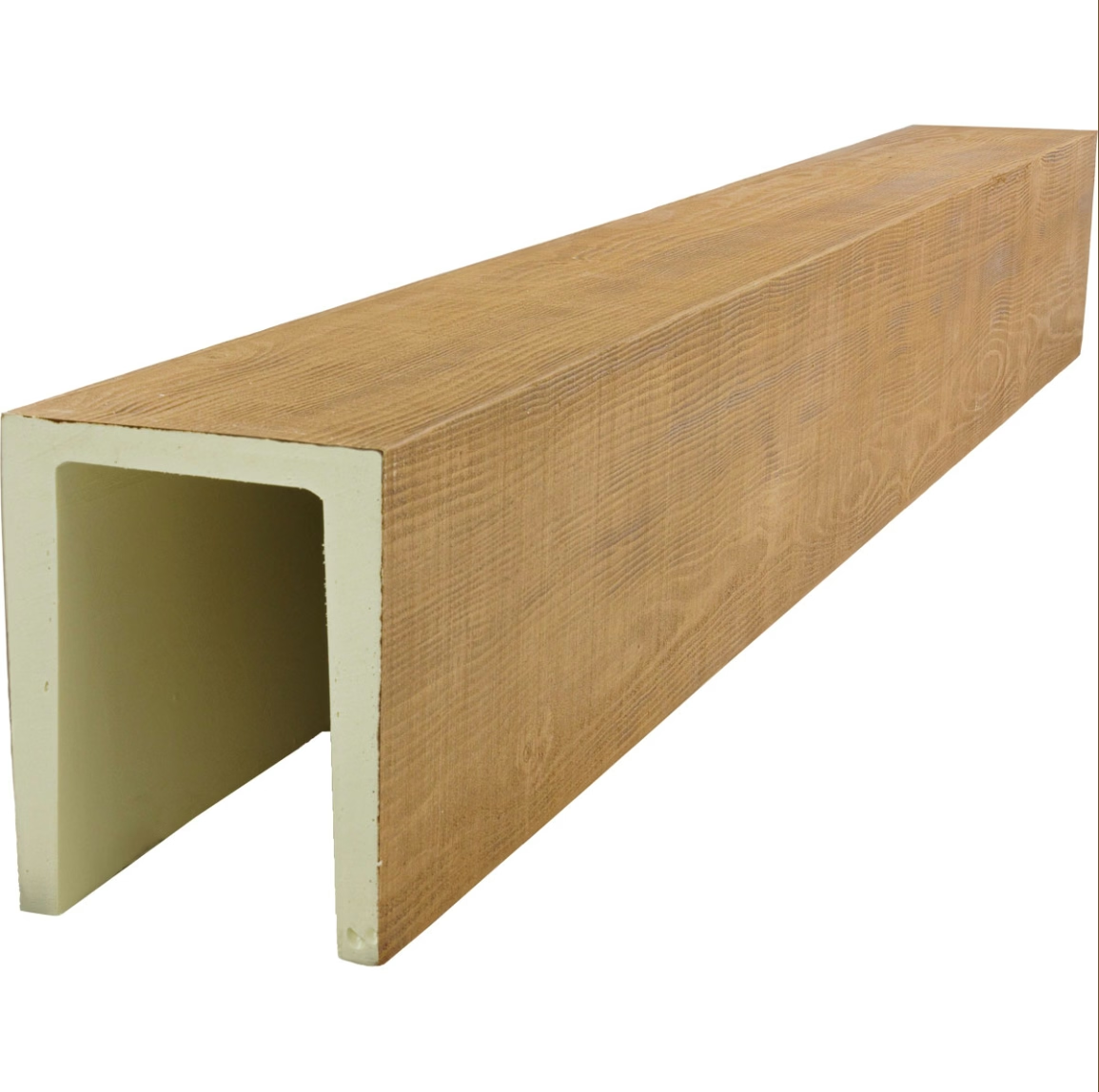
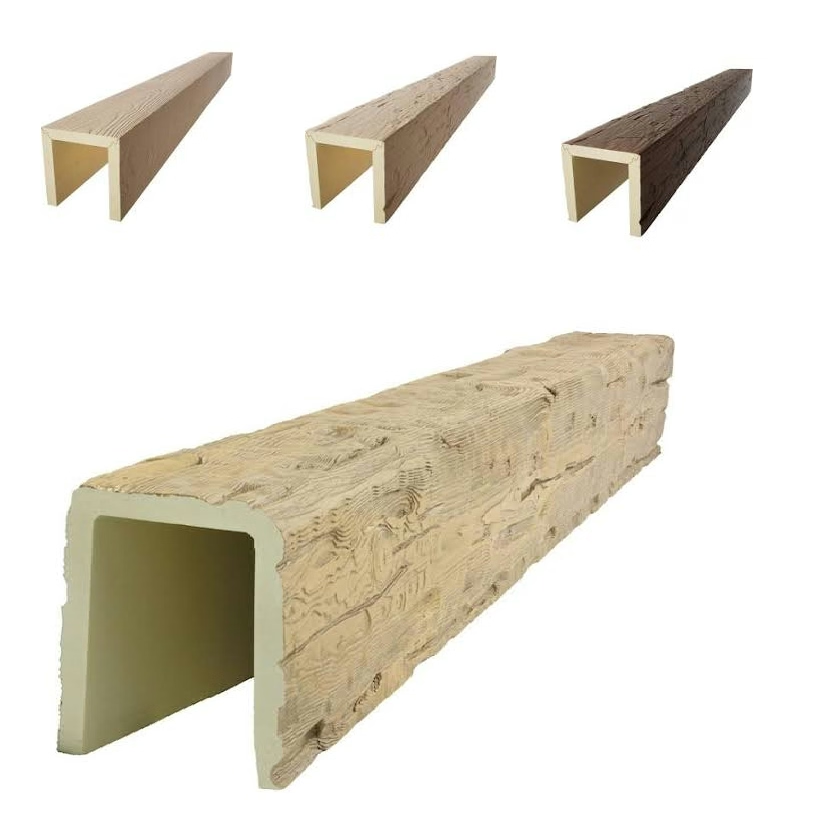
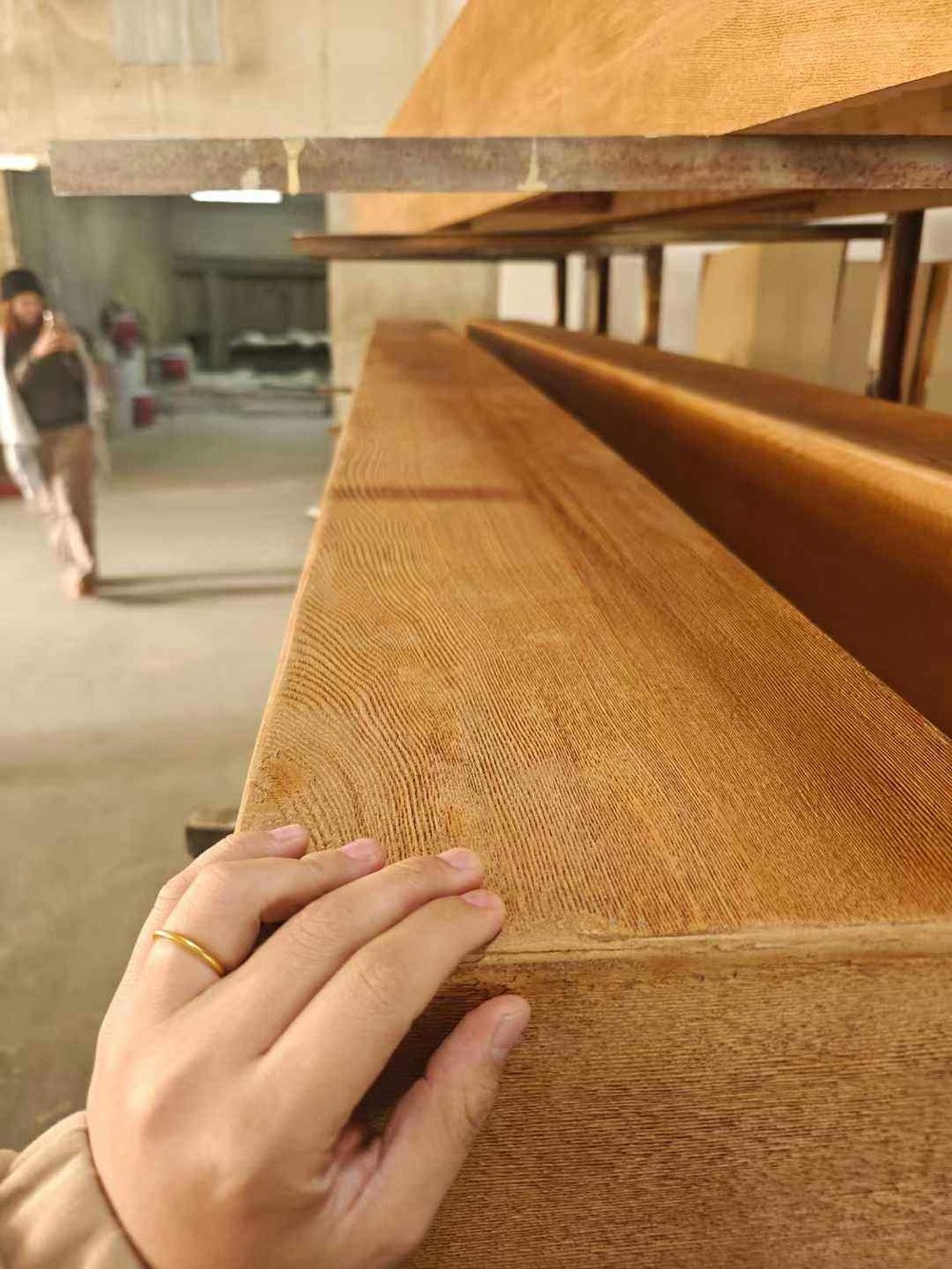
The permanence of termite-proof protection represents polyurethane faux wood beams' most compelling value proposition for property owners in pest-vulnerable regions. Unlike chemical treatments that require renewal, monitoring that demands ongoing attention, or physical barriers that degrade over time, polyurethane's resistance derives from fundamental material chemistry that cannot diminish, expire, or require maintenance. This permanent protection provides genuine peace of mind that active pest management programs cannot fully replicate regardless of their effectiveness.
Termite pressure affects millions of properties globally, causing billions of dollars in annual damage repair costs that insurance typically does not cover. The structural damage these pests inflict ranges from cosmetic surface deterioration through catastrophic load-bearing member failure that requires immediate evacuation and extensive reconstruction. Prevention represents the only reliable protection strategy, as established infestations prove difficult and expensive to eliminate while damage continues accumulating during treatment processes.
Chemical prevention programs have served property owners for decades, providing effective protection when properly applied and maintained. However, these programs impose ongoing obligations—treatment renewal, professional inspections, monitoring verification—that consume resources throughout the building's service life. The cumulative cost of these obligations often exceeds initial expectations, particularly as treatment effectiveness declines and pressure for more aggressive prevention grows with changing climate conditions that favor termite proliferation.
Material Chemistry and Pest Immunity
Polyurethane foam derives its pest immunity from the fundamental incompatibility between insect digestive systems and synthetic polymer materials. Wood-destroying pests have evolved over millions of years to extract nutrition from cellulose, the complex carbohydrate that forms plant cell walls and constitutes wood's primary component. The enzymatic systems that enable termites, carpenter ants, and other wood-boring insects to process cellulose cannot interact with polyurethane's petroleum-derived polymer structure.
This biochemical incompatibility is absolute rather than partial. Chemical wood treatments work by making wood toxic or unpalatable to pests, but sufficient pest pressure or treatment degradation can overcome these barriers. Polyurethane provides no such barrier to overcome—the material simply contains nothing that pests can use for nutrition or shelter, regardless of colony size, treatment history, or evolutionary adaptation. This fundamental difference separates polyurethane's pest resistance from the conditional protection that chemical treatments provide.
Independent scientific research has verified polyurethane's immunity across all major wood-destroying pest categories. Laboratory testing exposes polyurethane samples to intense pest pressure far exceeding field conditions, documenting zero infestation or damage in every test series. This scientific validation confirms what practical application has demonstrated across millions of installations—polyurethane beams do not experience pest damage regardless of exposure conditions.

Comparison with Chemical Treatment Programs
Professional termite treatment programs typically involve soil treatment around building perimeters, creating chemical barriers that prevent subterranean termites from accessing wooden building components. These treatments cost $1,500 to $3,000 for initial application in typical residential structures, with renewal treatments every 5 to 10 years costing $500 to $1,500 each. Over 30-year building service periods, treatment costs total $4,000 to $10,000 or more depending on renewal frequency and regional pricing.
Pretreated lumber offers another chemical protection approach, with pressure treatment impregnating wood fibers with protective compounds during manufacturing. Treated lumber costs 20 to 40 percent more than untreated alternatives, adding to initial material expenses. Treatment effectiveness degrades over time through leaching, volatilization, and natural chemical degradation, with warranties typically covering only 20 to 40 years despite building service life extending 50 to 100 years.
These treatment costs do not include professional inspection fees that treatment programs recommend annually or biennially. Each inspection represents $100 to $300 in professional fees that accumulate across the building's service life. The inspections provide verification that treatments remain effective, but they also represent ongoing expense and the anxiety of potential damage discovery that inspection reports may or may not provide.
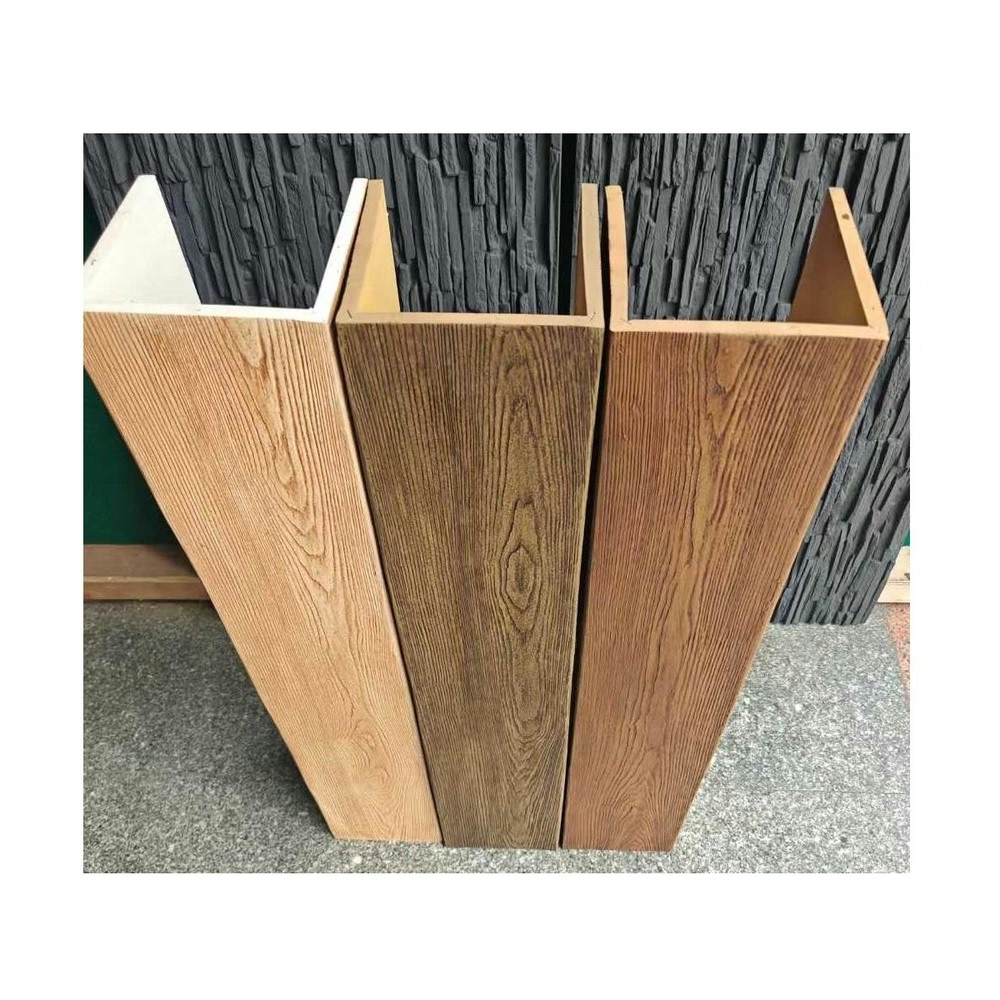
Long-Term Ownership Benefits
Property owners planning extended occupancy benefit most from pest-proof material selection, as the time horizon extends to capture maximum prevention cost accumulation. Initial material premiums that seem significant against short-term analysis become modest when compared against 30 or 50-year prevention expense projections. The break-even point—where accumulated prevention costs exceed material premium—typically arrives within 10 to 15 years for most treatment programs, after which pest-proof materials represent ongoing savings.
Resale considerations favor pest-proof materials in termite-prone regions where disclosure requirements and inspection contingencies affect property transactions. Sellers who can document pest-proof material use differentiate their properties from competitors requiring treatment documentation and warranty transfer. Buyers aware of the reduced risk profile that pest-proof materials provide may value these properties more highly, supporting asking prices that recover some or all of the original material premium.
Insurance considerations increasingly recognize the reduced risk profile that pest-proof materials provide. Some insurers offer premium discounts for structures using inherently resistant materials, reflecting the lower probability of pest-related claims. While discounts vary by insurer and region, the recognition of reduced risk validates the value proposition that pest-proof material selection represents.
Environmental and Health Advantages
Chemical pest treatment products contain active ingredients that the EPA has classified as pesticides due to toxicity concerns. Application requires professional applicators trained in safety protocols, and building re-entry periods prevent occupant exposure during treatment dispersion. Even properly applied treatments leave residual chemical presence in building structures that environmentally conscious occupants may prefer to avoid.
Polyurethane's inherent pest resistance requires no chemical application at any point during the product's service life. No toxic compounds are manufactured, transported, applied, or maintained. Installers face no chemical exposure during handling. Occupants experience no chemical off-gassing or residual presence. The environmental footprint of pest prevention through material selection contrasts sharply with chemical treatment approaches that involve ongoing toxic compound cycling through building structures and surrounding environments.
Families with children, pets, or individuals with chemical sensitivity concerns particularly benefit from reduced chemical exposure in living environments. The indoor air quality benefits of chemical-free pest prevention complement the structural protection that pest-proof materials provide, creating healthier living environments alongside more resilient building construction.
Technical References
ASTM standards cited in every specification
Test Data
Lab results from internal testing program
Updated 2026
Reviewed against current product specs