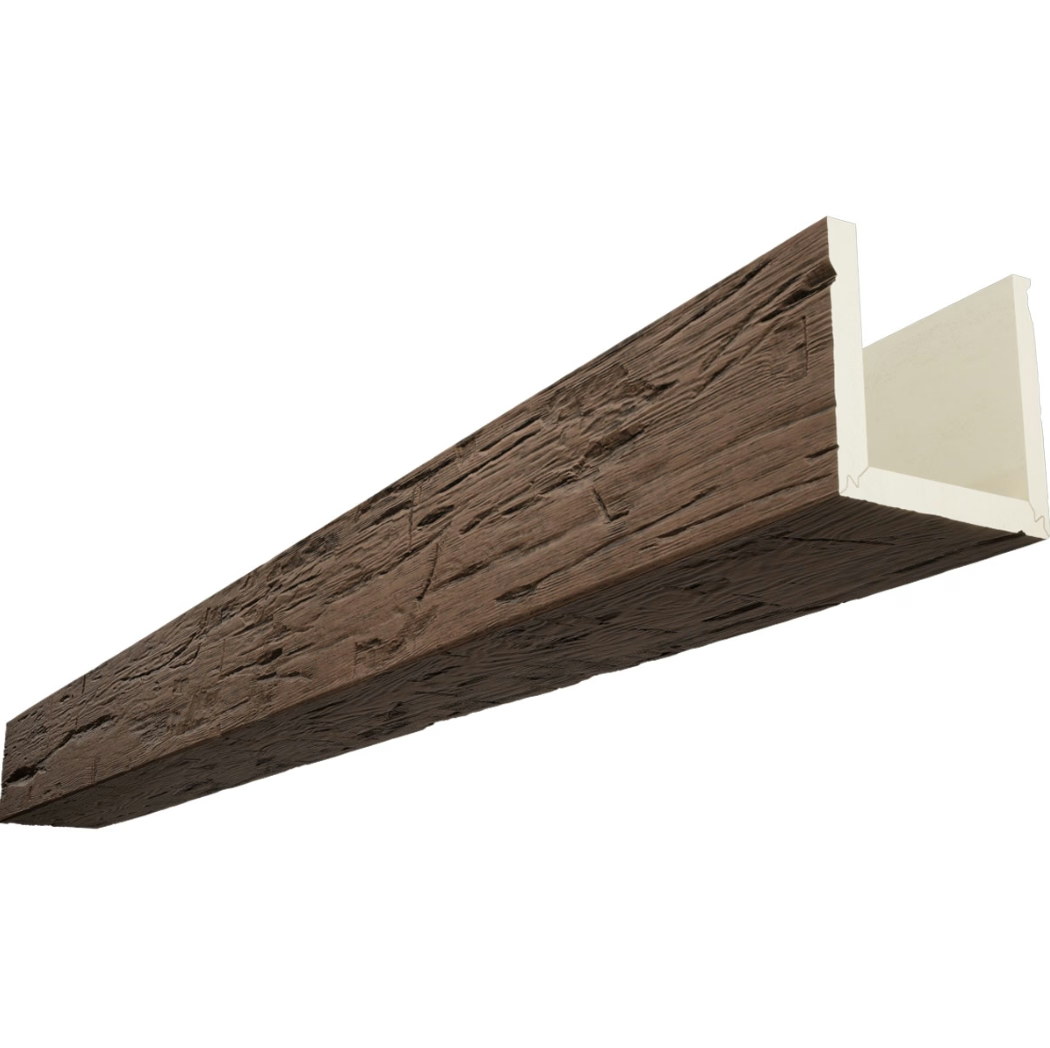
Large-scale construction projects involving extensive faux wood beam installations present logistical challenges that single-order procurement cannot address efficiently. Phase construction schedules, storage limitations, cash flow management, and installation sequencing create complex requirements that demand thoughtful delivery planning beyond simple product shipment. Phased batch delivery solutions accommodate these construction realities, enabling project managers to align beam procurement with construction progress while optimizing costs and minimizing site disruption.
The volume economics of beam production favor larger production runs, but the practical realities of construction sites rarely accommodate single massive deliveries. Limited staging areas, incomplete structures that cannot be secured against weather, ongoing trades work creating congestion, and theft concerns in unsecured environments all limit the practicality of large-volume deliveries. Phased approaches break these challenges into manageable increments that align delivery timing with actual installation readiness.
Effective phased delivery planning begins during project specification rather than after construction commences. Early identification of beam requirements, production lead times, and installation schedules enables suppliers to plan production capacity that meets delivery requirements without excessive overtime costs or rushed manufacturing that might compromise quality. The collaboration between project managers and suppliers during planning stages creates delivery schedules that support construction progress rather than creating obstacles.
Planning Considerations for Phase Definitions
Effective phase definition requires understanding installation readiness at each project stage. Structural completion—ceiling framing, blocking installation, and surface preparation—precedes beam installation, but different areas of large projects reach readiness at different times depending on construction sequencing. Identifying these readiness milestones enables delivery phase planning that ensures materials arrive when installation crews can use them rather than creating storage burdens or exposure damage risks.
Project phasing often follows building section division used for other construction purposes. Multi-story buildings might phase delivery by floor, with beams for each level arriving as that floor's ceiling prep completes. Large single-floor areas might divide into quadrants or zones based on construction team assignments or equipment access patterns. The delivery phase structure should mirror the installation structure to minimize material handling and temporary storage requirements.
Contingency planning for schedule variations protects projects against delays that might otherwise strand delivered materials. Phase timing should include buffer periods that accommodate reasonable schedule variations without requiring costly rush modifications or acceptance of storage complications. Suppliers familiar with construction scheduling understand these variations and can propose phase definitions that provide reasonable flexibility while maintaining production efficiency.
Production Scheduling and Lead Time Management
Manufacturing lead times for custom polyurethane beams typically range from 2 to 6 weeks depending on specification complexity, current production backlog, and material availability. Standard catalog products may ship within days, but custom dimensions, special finishes, or non-standard profiles extend production timelines. Phased delivery planning must account for these lead times when establishing phase timing to prevent construction delays while avoiding excessive early production that pre-commits materials before final measurements are confirmed.
Production scheduling coordination with suppliers enables manufacturing efficiency that benefits both parties. Suppliers appreciate predictable production schedules that allow workforce planning and material procurement optimization. Projects benefit through pricing concessions that manufacturers offer for predictable order flow and consolidated shipping. The collaboration creates partnerships that improve service quality and problem-solving capability throughout project execution.
Change order management becomes more complex with phased production, as modifications to later phases affect fewer committed materials than changes affecting early phases. Project teams should establish change order cutoff dates that balance flexibility needs against production commitment requirements. Clear communication protocols between project managers, design teams, and suppliers prevent misunderstandings that could create material waste or installation conflicts.

Storage Requirements and Site Logistics
Off-site storage options provide flexibility for projects with limited staging areas or unpredictable installation readiness. Warehousing facilities offer climate-controlled or covered storage that protects materials from weather damage and theft risk. Monthly storage costs typically range from $0.25 to $0.75 per cubic foot depending on location and service level, representing modest expense compared to construction delay costs that materials unavailability might create.
On-site storage planning must address material protection requirements throughout the storage period. Polyurethane beams require protection from direct UV exposure that can affect surface appearance over extended periods, particularly in lighter finish options. Weather protection prevents surface contamination from rain, snow, or standing water that might affect finishing quality. Physical protection from construction traffic prevents impact damage to beam surfaces before installation.
Material handling planning considers the weight and dimensions of beam quantities arriving in each phase. Forklift or pallet jack access, staging area configuration, and crew availability for unloading all affect successful delivery receipt. Coordinating delivery timing with handling equipment availability prevents delays that might extend unloading beyond acceptable windows or create safety concerns from rushed handling under time pressure.
Cost Optimization Through Phased Delivery
Shipping cost optimization represents significant savings potential for large projects with phased delivery options. Full truckload shipments typically offer substantially lower per-unit shipping costs than less-than-truckload quantities, and phased scheduling that accumulates orders to full truckload quantities captures these economics. The shipping savings can offset storage costs while providing superior material protection through controlled warehouse handling versus site exposure.
Production cost optimization through batch manufacturing benefits both parties. Consolidated orders allow manufacturers to optimize production runs, reducing setup time and material waste compared to multiple small orders. These efficiencies translate to pricing benefits that projects capture through order consolidation. The savings typically range 5 to 15 percent compared to equivalent quantities ordered as separate shipments, representing meaningful budget impact on large projects.
Payment timing through phased delivery aligns with construction draw schedules that typically release funds as project phases complete. Rather than requiring full material payment at order placement, phased delivery allows payment upon delivery for each phase, maintaining cash flow flexibility that large upfront expenditures might compromise. The alignment reduces financing costs and improves project financial management throughout the construction period.

Communication and Relationship Management
Clear communication protocols between project teams and suppliers prevent the misunderstandings that disrupt schedules and damage relationships. Regular status updates on production progress, shipping notifications with advance arrival timing, and immediate notification of any potential delays enable proactive response that minimizes construction impact. Establishing communication channels and response expectations during planning ensures that information flows efficiently throughout the project.
Problem escalation procedures protect projects against issues that might otherwise disrupt installation schedules. Identifying appropriate contacts for different issue categories—shipping questions, quality concerns, specification clarification—enables rapid response when problems arise. Establishing response time expectations and accountability mechanisms ensures that issues receive appropriate attention without requiring constant escalation to project leadership.
Building supplier relationships through phased delivery creates ongoing partnership value that extends beyond individual projects. Suppliers who understand project requirements, quality expectations, and communication preferences provide superior service on subsequent engagements. The relationship investment pays dividends through improved pricing, priority production allocation, and enhanced problem-solving capability that benefits all future projects together.
Technical References
ASTM standards cited in every specification
Test Data
Lab results from internal testing program
Updated 2026
Reviewed against current product specs