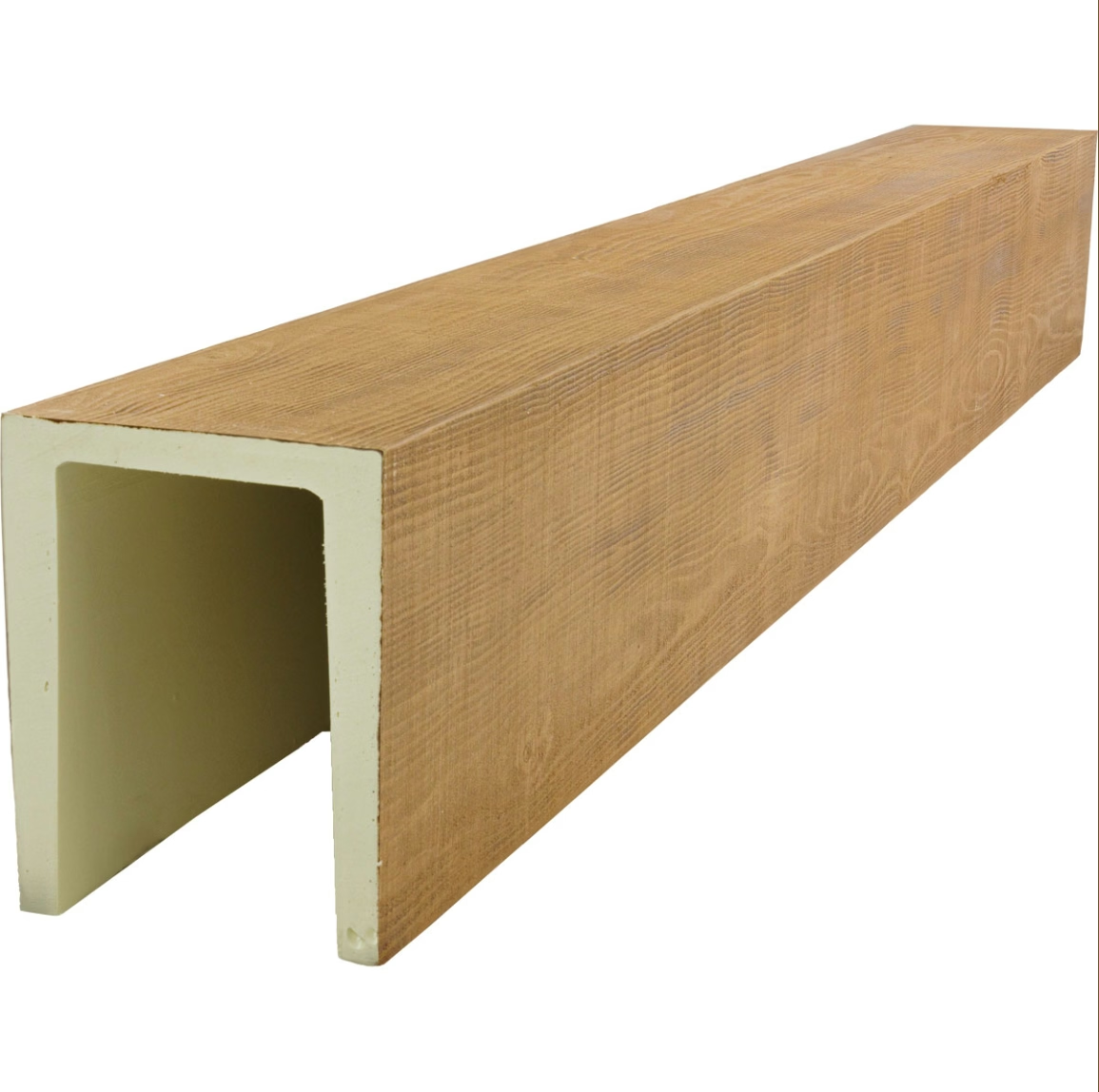
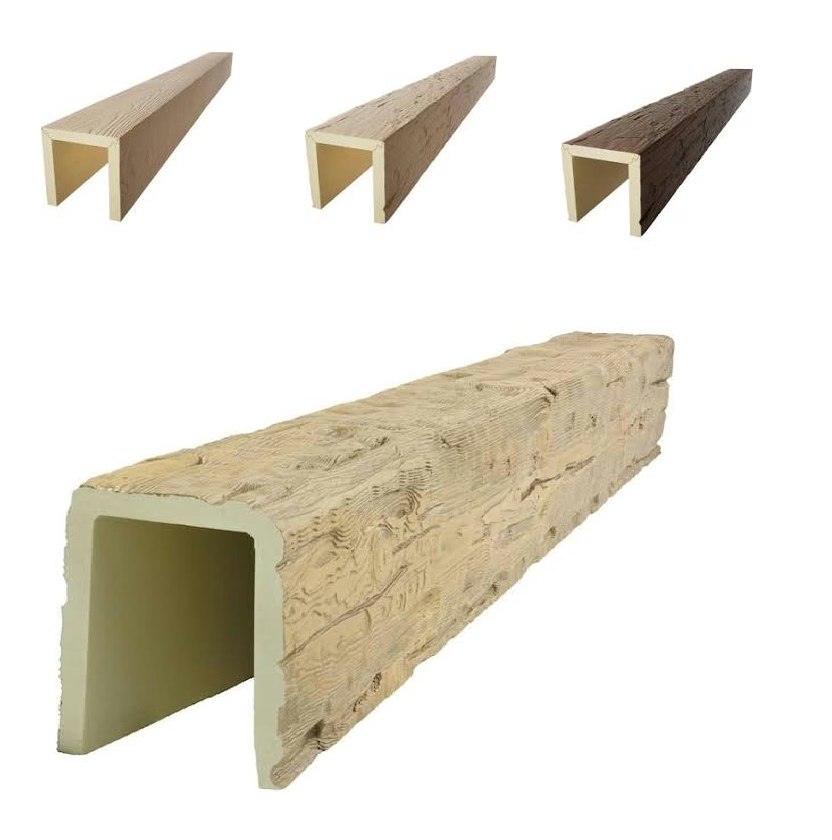
Selecting finishes for polyurethane faux wood beams based on digital images or catalog descriptions frequently leads to disappointment when materials arrive and appear different than expected. Screen calibration variations, lighting condition differences, and the inherent limitations of two-dimensional representation combine to create mismatches that could be prevented through physical sample evaluation. Physical color swatch programs offered by manufacturers and distributors provide the tangible reference points that enable accurate selection, preventing costly mistakes that require reordering, refinishing, or project adjustment.
The investment in sample evaluation—modest shipping costs and a few days of waiting time—pays dividends through purchase confidence that digital selection cannot provide. Knowing precisely what will arrive before committing to full production creates peace of mind that protects project budgets and schedules from the disruption that mismatched materials cause. The sample evaluation process also surfaces considerations that digital images might not convey—surface texture characteristics, light reflection properties, and the subtle variations that distinguish quality finishes from mediocre alternatives.
Reputable polyurethane beam suppliers recognize that sample programs serve their business interests alongside customer needs. Customers who evaluate physical samples and purchase with confidence become satisfied customers who provide referrals and repeat business. Suppliers invest in sample programs because they generate sales that digital-only selection cannot achieve, creating alignment between supplier and customer interests that benefits both parties.
Obtaining and Using Swatch Samples
Sample request processes vary by supplier but typically involve online catalog selection, form submission specifying required samples, and shipping arrangement that delivers materials within days or weeks depending on location and supplier processing time. Some suppliers offer free samples with shipping charges that apply, while others include samples within purchase allowances that offset costs against subsequent orders. Premium sample options—larger swatches showing complete beam profiles rather than flat finish chips—may carry additional fees reflecting higher production and shipping costs.
Sample evaluation should occur in the actual environment where beams will install, not under office or showroom lighting that differs from project conditions. Transport samples to installation locations and observe appearance across different times of day as natural light shifts through morning, midday, and afternoon angles. Evening observation under intended artificial lighting completes the evaluation by showing how beams will appear during typical evening hours when artificial illumination dominates.
The evaluation should consider surrounding materials as context rather than examining samples in isolation. Place samples against actual wall surfaces, near existing trim or flooring, and in the positions where beams will install. This contextual evaluation reveals whether selected finishes coordinate with surrounding materials as digital previews suggested or whether adjustment is required. The comparison frequently reveals that finishes need warmer or cooler adjustment to achieve intended coordination.
Understanding Finish Variation and Consistency
Natural wood displays inherent variation between pieces—grain patterns differ, color saturation varies across growth rings, and aging creates differential patina development. Polyurethane faux beams replicate these characteristics to varying degrees depending on manufacturing quality and finish type. Physical samples reveal how much variation to expect in delivered materials, preventing concerns about normal variation that might otherwise prompt unnecessary service requests.
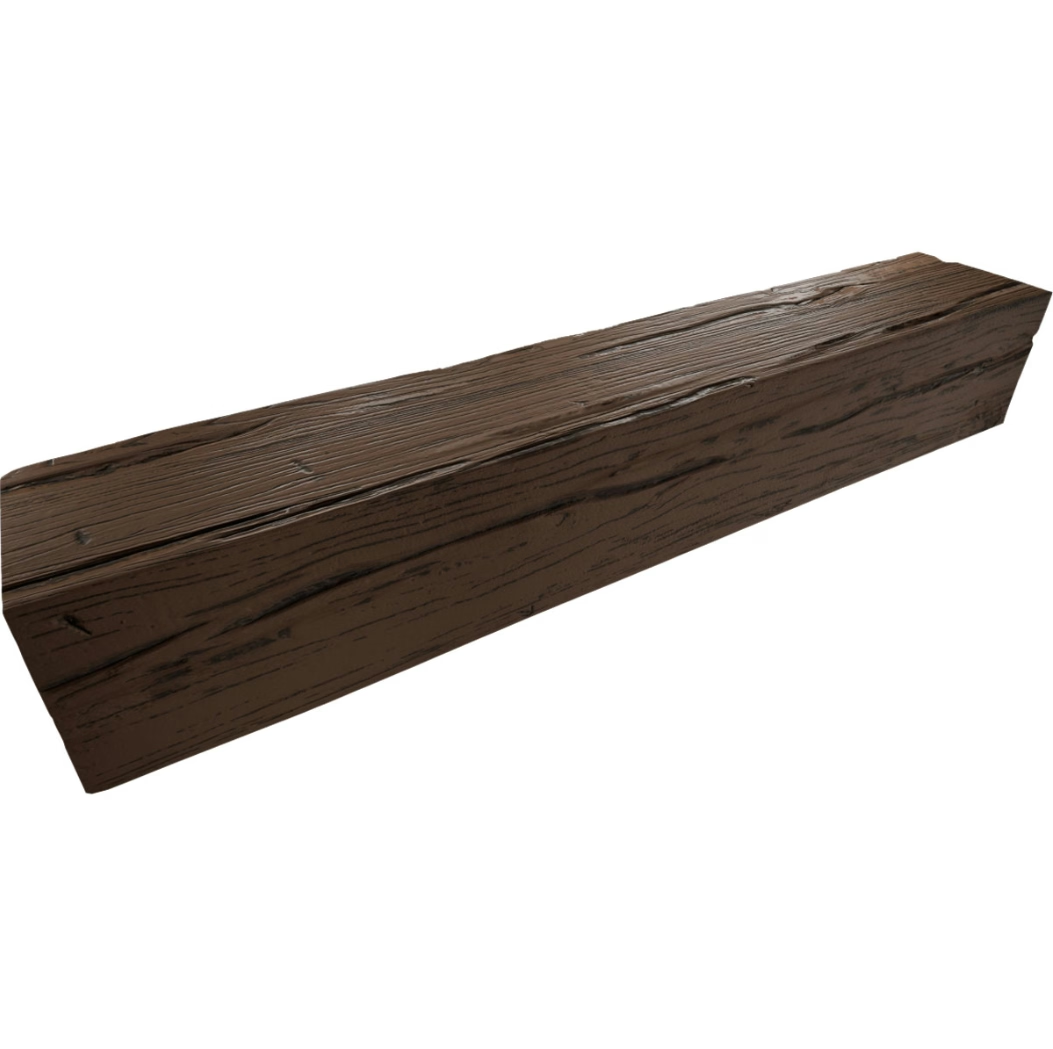
Premium finish options often incorporate deliberate variation that mimics natural wood character, with subtle differences between individual beams that create authentic appearance. Lower-cost options may apply uniform finishes that appear flat and manufactured compared to premium alternatives. Sample evaluation clarifies which approach specific products employ, enabling selection of finish quality appropriate for project requirements rather than discovering inconsistencies after installation.
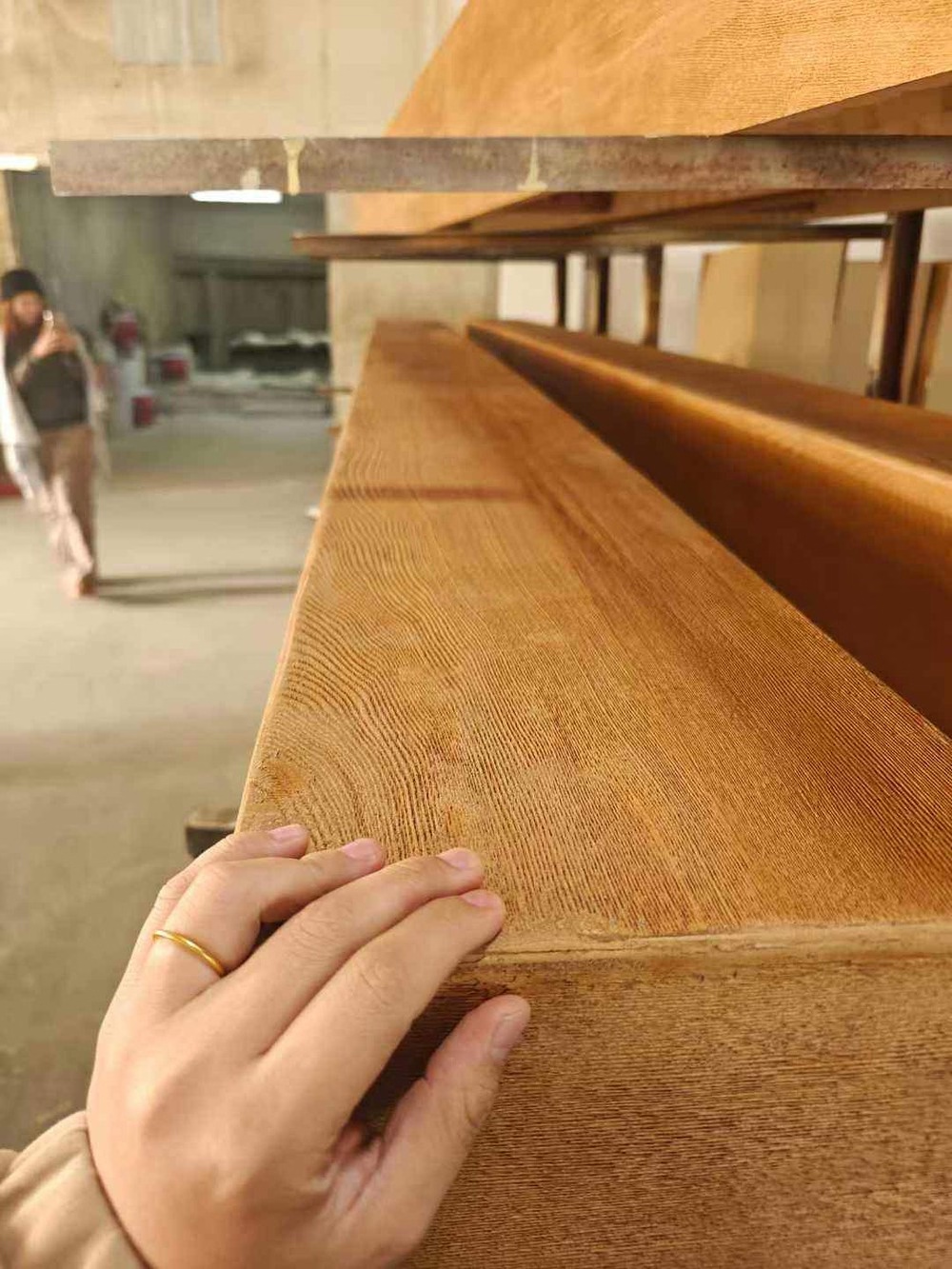
Surface texture significantly affects finish perception beyond color considerations. Wire-brushed textures appear lighter than smooth surfaces with identical stain application due to reduced color concentration in textured areas. Hand-distressed finishes create visual complexity that flat finishes cannot achieve. Sample evaluation includes texture assessment that digital images cannot convey, revealing whether products meet tactile as well as visual quality expectations.


Swatch-to-Project Matching Techniques
Large sample panels that approximate actual beam dimensions provide more accurate evaluation than small finish chips, particularly for beams that will receive close inspection. Full-profile samples show how beam edges, corners, and transitions appear alongside surface faces—details that small chips cannot reveal. Suppliers offering premium sample options for this purpose recognize that certain applications warrant the additional investment for accurate evaluation.
Custom finish matching against existing materials requires physical comparison rather than verbal description. Bring existing trim samples, flooring offcuts, or other reference materials to comparison sessions. Hold potential beam samples alongside references under project lighting conditions to evaluate coordination accuracy. This comparison frequently reveals that catalog descriptions claiming "matches oak trim" actually deviate significantly from actual trim materials, enabling course correction before commitment.
Photography of samples in situ provides documentation for supplier communication, contractor coordination, and future reference. Capture images showing samples in context with surrounding materials, noting any concerns or observations that might affect purchasing decisions. These images serve as quality verification references when delivered materials arrive, enabling confirmation that products match approved samples rather than requiring subjective judgment calls about acceptability.
Sample Program Limitations and Supplementary Resources
Physical samples have inherent limitations that should be acknowledged during evaluation. Small samples may not convey how finishes appear across extended surfaces where seam visibility, pattern repetition, or cumulative color effects create impressions different from isolated sample viewing. Large installations with numerous beams may present cumulative effects that small sample evaluation cannot predict. Understanding this limitation encourages appropriate sample-based decision confidence without overclaiming sample predictive accuracy.
Supplementary resources complement sample evaluation for complex projects. Professional design consultations offered by some suppliers provide expert assessment of finish coordination, lighting interaction, and application appropriateness that samples alone cannot deliver. Digital visualization tools offered by advanced suppliers enable photo-realistic rendering showing proposed finishes in actual project photography, bridging between physical sample evaluation and final installation visualization.
Showroom visits where complete beam installations are displayed provide reference installations that demonstrate how products perform over time and across various lighting conditions. Walking through completed installations with supplier representatives enables discussion of real-world performance, maintenance requirements, and aging characteristics that sample evaluation cannot reveal. These experience-based resources complement but do not replace physical sample evaluation for purchase decisions.
Technical References
ASTM standards cited in every specification
Test Data
Lab results from internal testing program
Updated 2026
Reviewed against current product specs