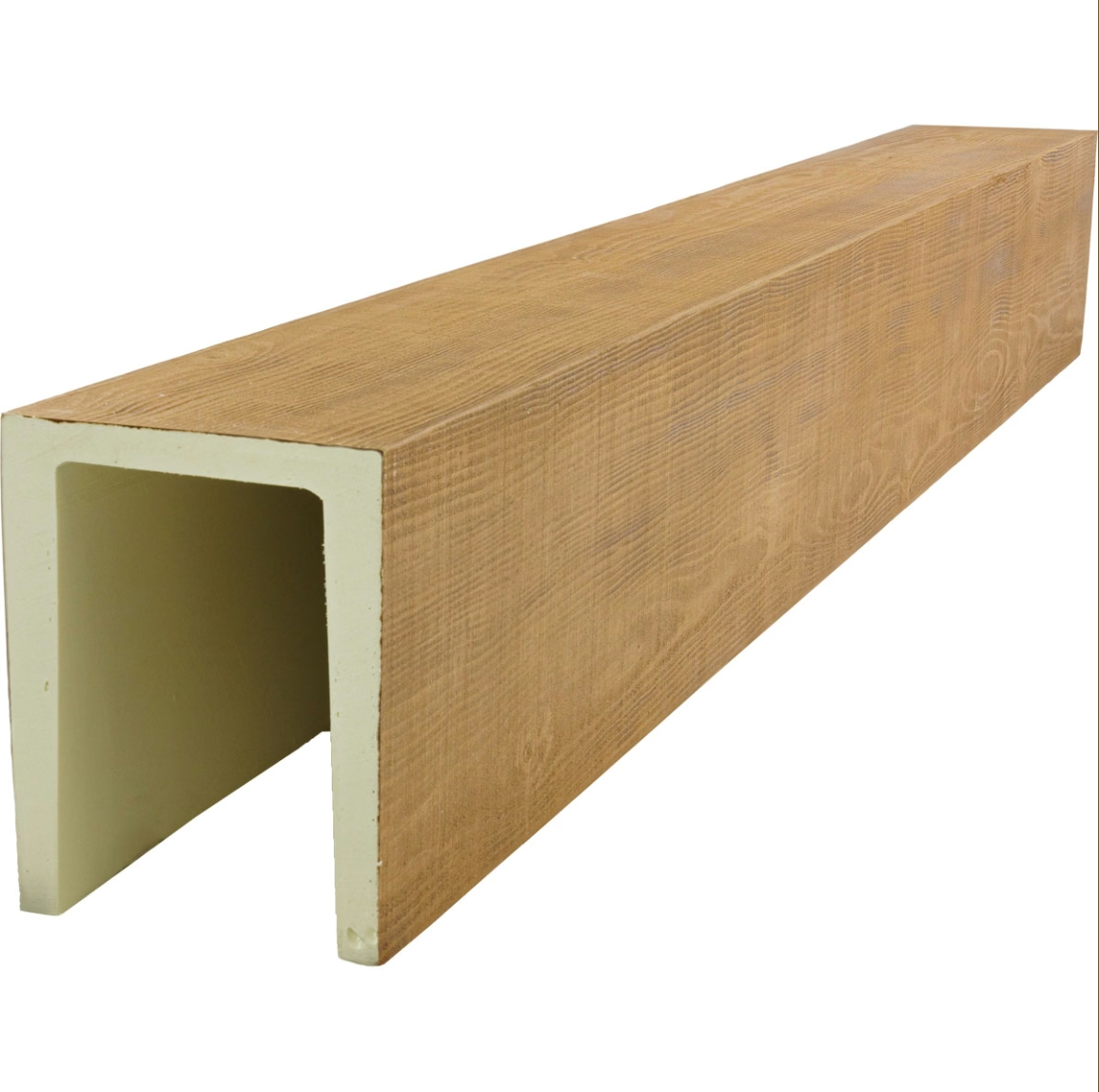
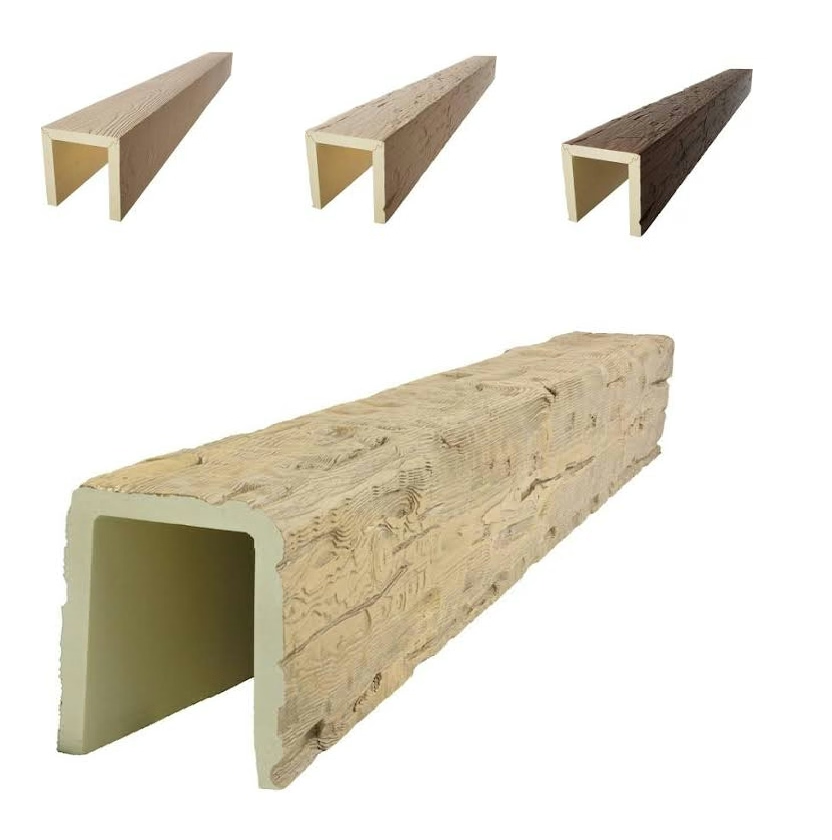
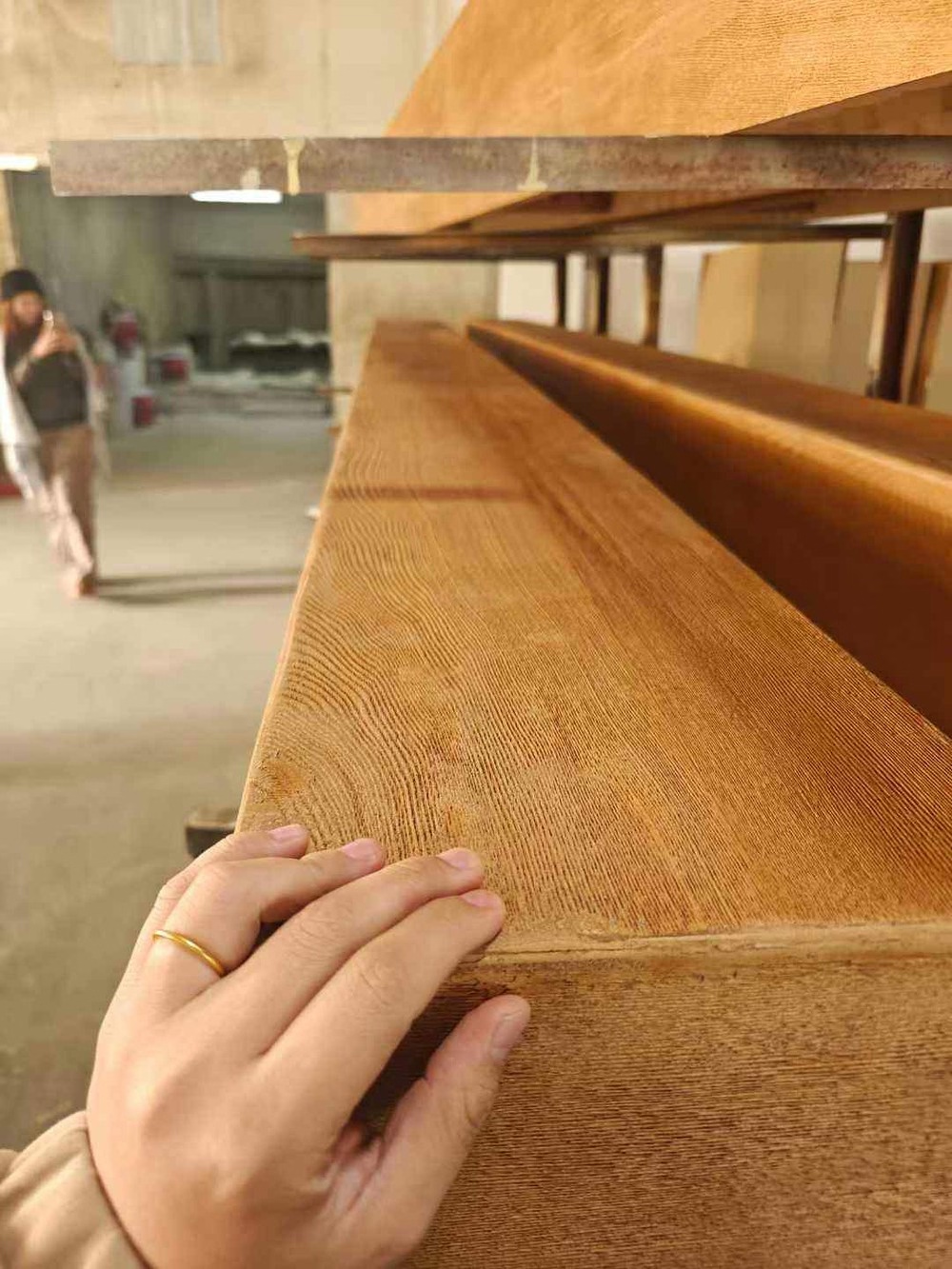
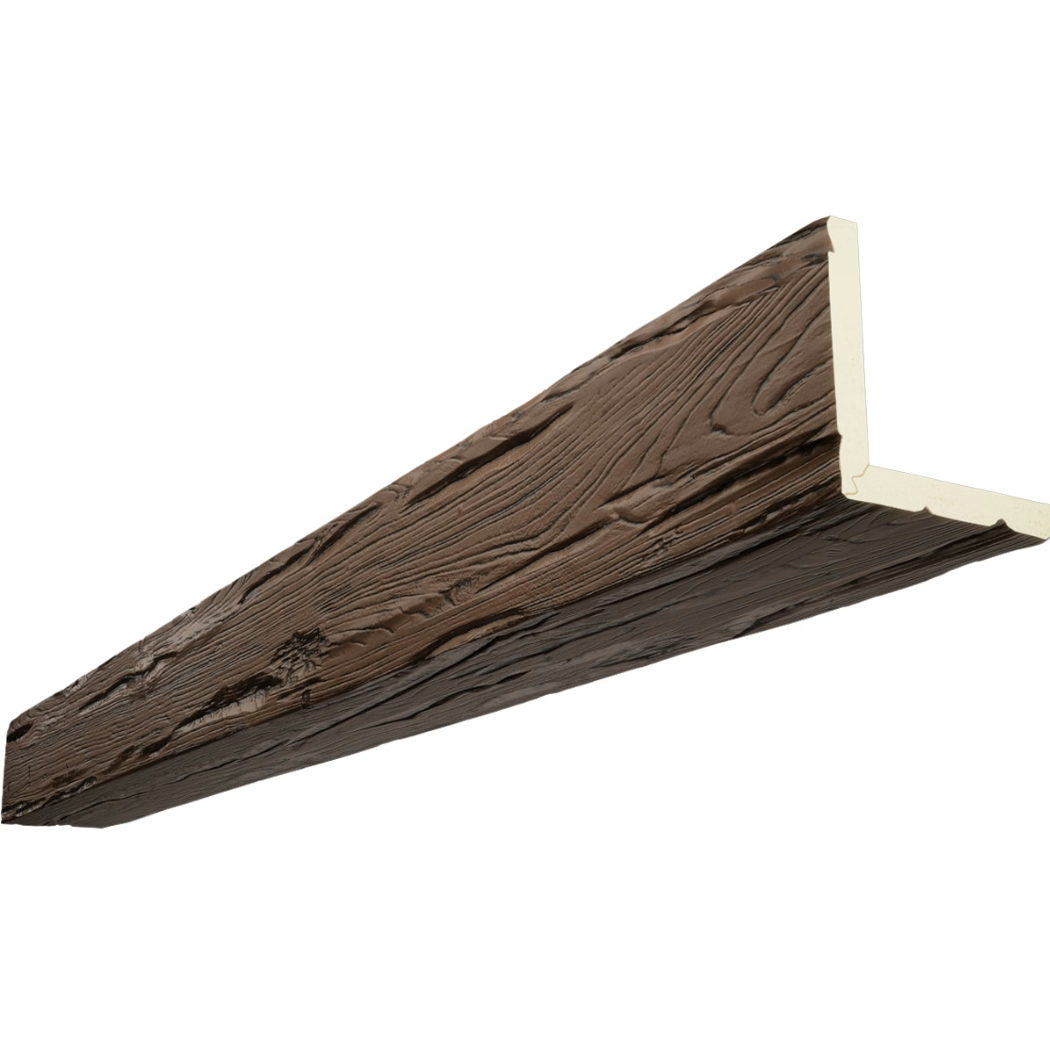
The photograph looks perfect. The grain pattern flows naturally across the beam surface, the color saturation feels warm and inviting, and the overall impression suggests genuine timber without the price tag. But photographs deceive. What looks stunning on a calibrated monitor under office lighting may appear flat and artificial under the actual installation conditions where your project awaits. This fundamental limitation of visual specification drives the enduring importance of physical texture sample services for polyurethane faux timber beam verification.
Manufacturers and distributors who offer texture sample programs recognize that material decisions for ceiling beams represent significant investments for both residential clients and commercial projects. A hotel renovation budgeted at two hundred thousand dollars for architectural woodwork deserves more assurance than an online product image can provide. Physical samples bridge this specification gap, allowing decision-makers to evaluate actual material properties before committing to purchases that must perform aesthetically for decades.
Understanding What Texture Samples Reveal
Beyond simple color matching, texture samples communicate several material properties invisible in photographs. Surface hardness becomes apparent when fingernails press against the sample edge—polyurethane beams manufactured with proper density formulations resist marring while maintaining the slight give that authentic wood exhibits. This tactile feedback helps designers select appropriate beam grades for high-traffic commercial environments where accidental impacts occur regularly.
The dimensional stability of polyurethane becomes evident through seasonal exposure testing. A sample left near a sunny window for several weeks demonstrates how the material responds to thermal cycling without the cracking, warping, or splitting that plagues genuine timber installations in challenging climates. This accelerated aging verification prevents the heartache of expensive installations that deteriorate prematurely due to material mismatches between product specifications and environmental conditions.
Texture depth and consistency reveal manufacturing quality differences between suppliers. Premium polyurethane beams feature deeply embossed grain patterns that catch lighting at multiple angles, creating the visual complexity that distinguishes authentic wood from flat painted surfaces. Lower-quality alternatives often display shallow, repetitive textures that appear artificial even from moderate viewing distances. Physical samples eliminate ambiguity about these quality distinctions.
The Sample Request Process
Professional texture sample services operate through streamlined request systems that deliver representative material pieces within days rather than weeks. Most suppliers maintain inventory of common beam profiles and finish options, enabling immediate shipment of samples that accurately represent current production materials. This inventory approach prevents the frustrating experience of receiving samples from outdated formulations that differ significantly from materials available for actual purchase.
Request forms typically capture essential specification details: profile width and depth, preferred finish options, mounting system requirements, and project application details. This information allows sample fulfillment teams to select the most relevant pieces from their inventory, ensuring that delivered samples match intended applications as closely as possible. A sample selected for residential vaulted ceiling application, for instance, differs in profile specifications from one intended for commercial coffered ceiling systems.
International shipping logistics require additional consideration for overseas buyers. Quality sample services accommodate these requirements through consolidated shipping programs, protective packaging that prevents transit damage, and documentation that facilitates customs clearance. These operational accommodations recognize that texture sample services primarily serve global trade relationships where physical material verification prevents costly specification errors across international supply chains.
Verifying Finish Consistency
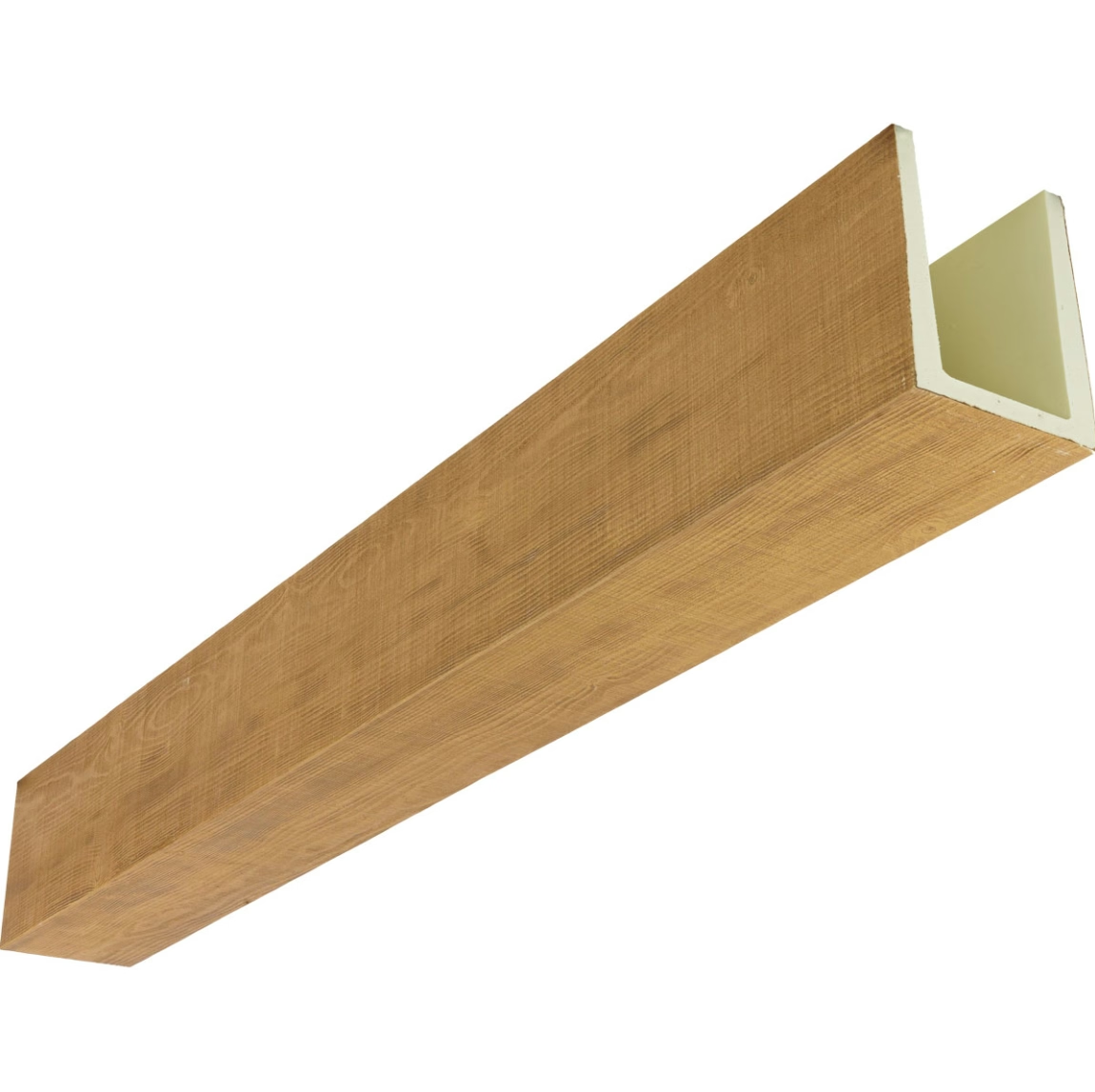
Batch-to-batch finish consistency concerns plague procurement officers responsible for large-scale installations. A sample received from one production lot may differ noticeably from materials available in current inventory, creating specification nightmares when beams arrive at installation sites with mismatched colors or textures. Professional sample services address this concern by clearly labeling samples with production batch information, allowing buyers to verify that received samples originated from inventory designated for their specific orders.
Color verification under multiple lighting conditions forms an essential part of the sample review process. The same honey oak finish appears dramatically different under fluorescent office lighting, warm residential incandescent, and natural daylight conditions. Professionals experienced with architectural woodwork specify finish approvals based on viewing conditions matching intended installation environments. A sample approved under showroom lighting may disappoint when installed in spaces with substantially different illumination characteristics.
Texture matching extends beyond surface grain patterns to include edge details, end-grain characteristics, and mounting hardware integration points. Comprehensive sample services include these additional pieces, allowing buyers to evaluate how beam ends will appear when exposed at wall terminations or how mounting provisions align with structural conditions. These detailed verifications prevent installation complications that arise from specification gaps between general product descriptions and actual material properties.
Building Specification Confidence
The specification confidence gained through physical texture verification translates directly into reduced project risk. Contractors who present sample-approved materials to clients establish clear expectations that prevent post-installation disputes about appearance or quality. This documentation of customer approval protects both parties, creating shared understanding that survives beyond the installation process.
Design professionals incorporate texture samples into client presentation materials, using physical pieces as tangible evidence of material selections included in project proposals. This presentation approach resonates with clients who struggle to visualize finished spaces from technical drawings and computer renderings. A physical sample adds credibility to design recommendations while demonstrating professional thoroughness in material selection processes.
Long-term supplier relationships often develop through initial sample verification experiences. When texture samples consistently meet quality expectations, procurement officers establish preferred vendor status that streamlines subsequent purchasing decisions. These relationships benefit both parties—buyers gain reliable supply channels while suppliers secure ongoing order flow that justifies inventory investments.

Physical texture sample verification represents one of the most cost-effective risk mitigation strategies available to professionals specifying polyurethane faux timber beams. The modest investment in shipping samples and the brief waiting period for delivery prevents the much larger costs associated with specification errors, installation delays, and client dissatisfaction. In an industry where material decisions carry long-term consequences, this verification step deserves priority attention.
Manufacturers committed to quality assurance recognize that sample services serve dual purposes: they help buyers make informed decisions while simultaneously gathering valuable feedback about specification preferences and quality expectations. This information flow improves product development and customer service over time, creating continuous improvement cycles that benefit all market participants. The sample request, therefore, initiates relationships that extend far beyond individual transaction fulfillment.
As specification processes become increasingly digital, texture sample services remind market participants that physical material properties ultimately determine installation success. No amount of sophisticated photography or detailed technical documentation replaces the certainty gained through direct material examination. For polyurethane faux timber beam specifications where appearance, durability, and value must align perfectly, physical verification remains indispensable.

Technical References
ASTM standards cited in every specification
Test Data
Lab results from internal testing program
Updated 2026
Reviewed against current product specs