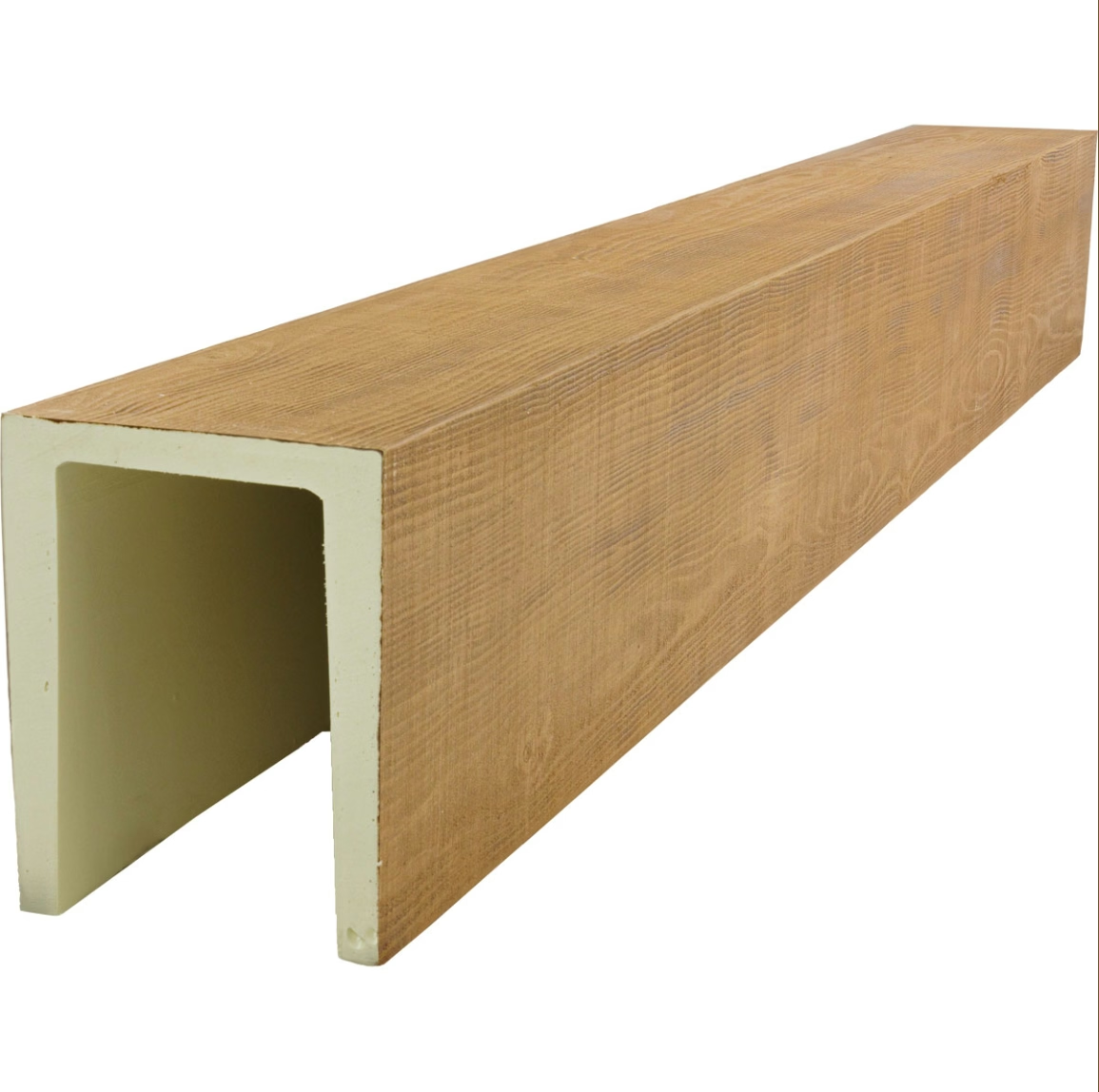
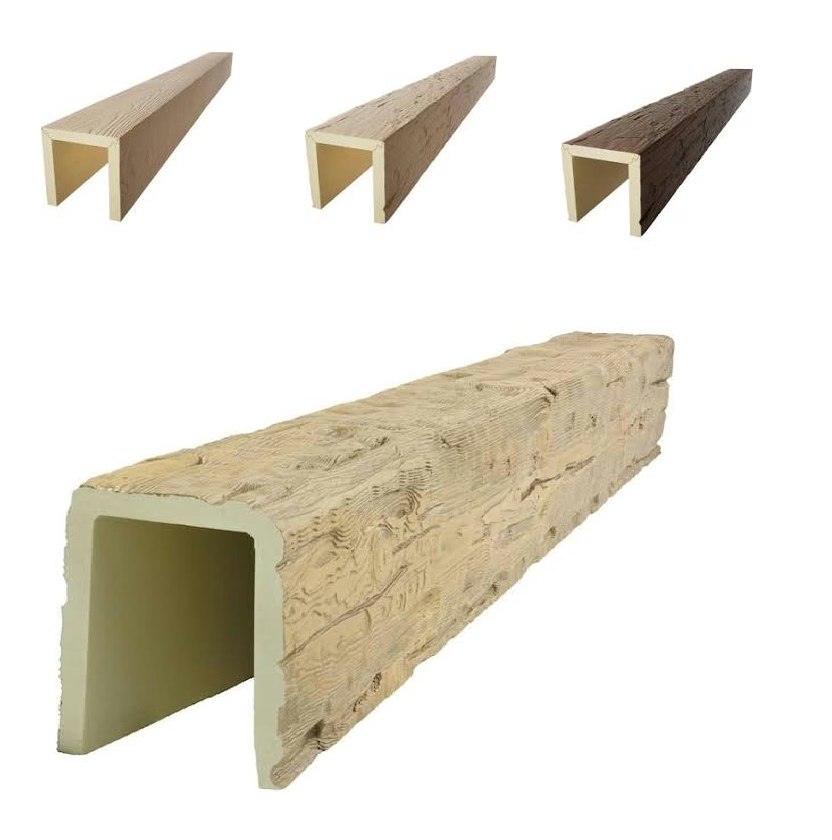
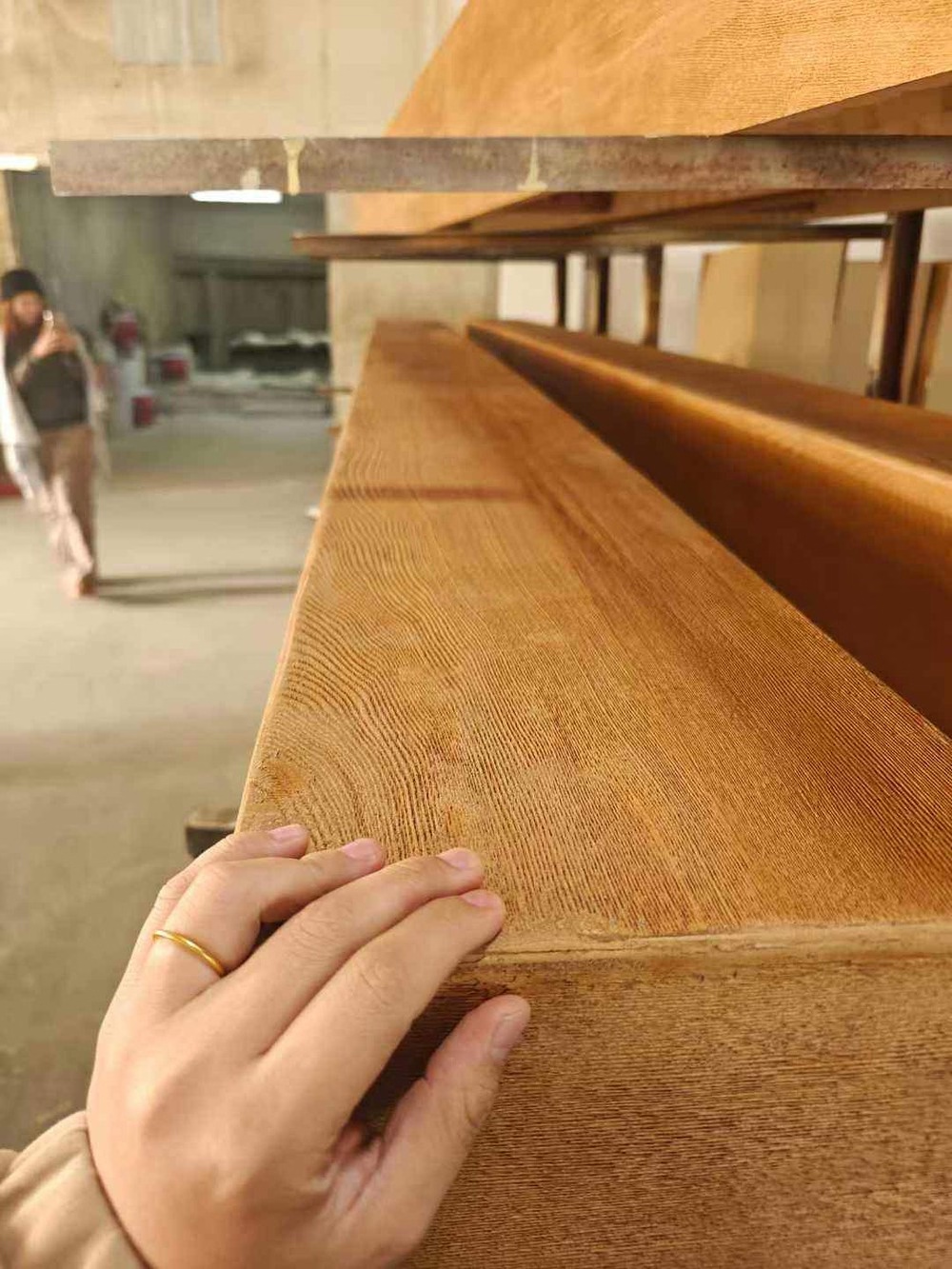
Ceilings occupy substantial visual territory in interior spaces. Unlike walls that furniture partially conceals and floors that area rugs cover, ceilings present continuous surfaces that visitors perceive as framing elements defining spatial boundaries. The treatment of these ceiling planes significantly influences how rooms feel—height perception, light quality, and overall spatial character all respond to ceiling design decisions. Polyurethane resin faux wood ceiling beams provide transformative treatment options that elevate ordinary rooms into memorable spaces.
The material composition of polyurethane resin beams involves sophisticated chemistry that delivers performance properties unavailable in traditional materials. Liquid polyurethane components combine through controlled mixing and molding processes, curing into solid forms that capture fine surface details while maintaining consistent physical characteristics. This manufacturing approach enables production of complex profiles with reliability that natural material variability prevents.
Material Science Behind Polyurethane Resin
Polyurethane chemistry begins with isocyanate and polyol components that react to form the urethane linkages giving the material family its name. Catalyst packages control reaction timing while additive systems introduce properties—flexibility, hardness, UV resistance—that specific applications require. The resulting material properties can be engineered through formulation adjustments, enabling manufacturers to optimize compositions for ceiling beam applications.
The cellular structure of molded polyurethane affects weight, insulation value, and surface characteristics. Closed-cell formulations resist water absorption for exterior applications, while open-cell structures offer flexibility benefits for certain installation contexts. Beam manufacturers select cellular properties appropriate for their specific product applications, balancing performance characteristics against manufacturing efficiency and material costs.
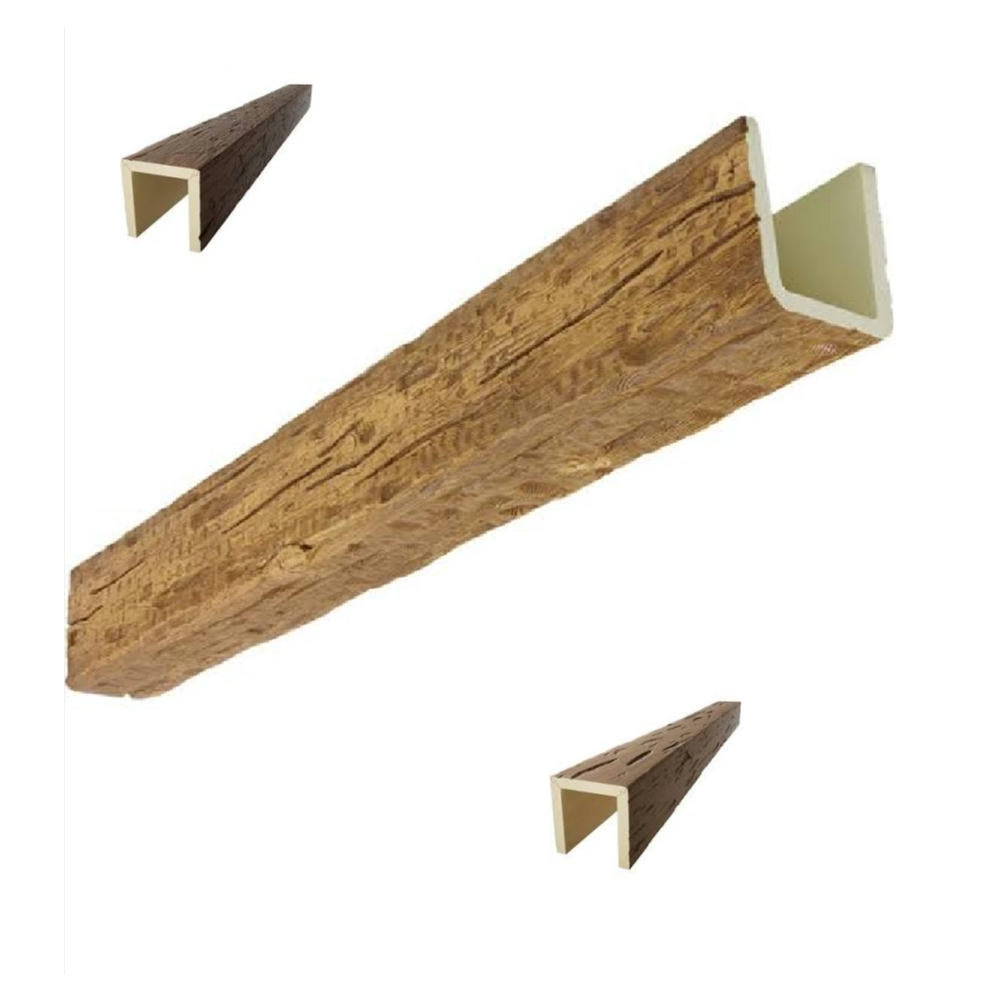
Surface texture reproduction in polyurethane resin leverages the material's flow characteristics during molding. Liquid resin fills mold cavities under pressure, reproducing fine surface details with fidelity that machining or carving cannot match. This reproduction capability enables authentic wood-grain textures that capture knot patterns, growth ring variations, and weathering effects that define natural wood appearances.
Design Applications Across Space Types
Great room ceiling beams establish visual anchors that organize expansive open floor plans. The horizontal rhythm of parallel beams draws the eye across room lengths while adding architectural interest to ceiling planes that might otherwise feel vast and empty. Polyurethane resin formulations provide the scale these installations require through lightweight handling that heavy timber could not accommodate without structural engineering.
Bedroom ceiling treatments create intimate atmospheres that active living areas do not suit. Exposed beams over beds suggest canopy enclosures that promote rest while adding visual warmth to spaces where spending time face-up requires comfortable surroundings. The wood aesthetics that polyurethane provides contribute to this restful quality, creating environments conducive to sleep that bare ceilings cannot establish.
Commercial ceiling applications—including restaurants, hospitality venues, and retail spaces—benefit from polyurethane beam installations that establish brand identities while managing installation costs. The ability to specify custom profiles, unique finishes, and coordinated trim elements enables brand-consistent ceiling treatments that support customer experience objectives. These commercial applications often demand fire ratings that quality manufacturers provide through appropriate formulation selections.
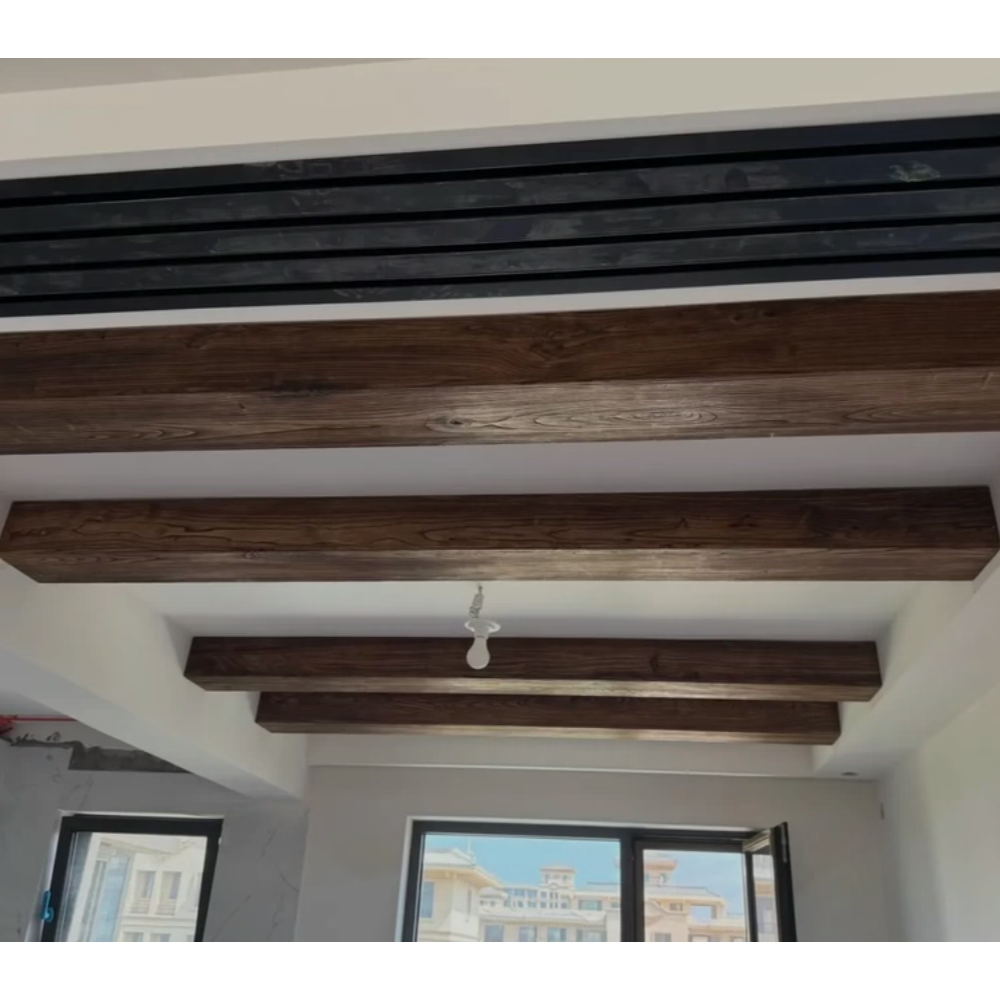
Installation Techniques and Mounting Systems
Surface mounting provides the simplest installation approach, attaching beams directly to existing ceiling substrates through mechanical fasteners or adhesive bonding. This approach works well where ceiling height accommodates beam depth without creating head clearance problems or where beams overlay existing ceiling planes. Surface mounting requires adequate fastener holding power in ceiling substrates and attention to load distribution that prevents concentrated stress points.
Suspended mounting systems hang beams below structural ceiling elements, enabling installations where ceiling height or substrate conditions prevent direct attachment. These systems employ cables, rods, or brackets that support beam weights while positioning beams at design-specified elevations. Suspended approaches enable dramatic installations where beams float below ceiling planes, creating shadow lines that enhance dimensional interest.
Furring approaches create mounting substrates where existing conditions require them. Metal or wood furring strips attached to existing ceilings provide attachment surfaces for beam mounting, enabling installations over irregular substrates or where fastener patterns must be modified. This approach adds ceiling thickness that may require door and window coordination but enables beam installations that direct mounting could not accomplish.
Performance Benefits for Ceiling Applications
Fire resistance in ceiling applications carries particular importance due to the rapid fire spread that ceiling-level flames can enable. Quality polyurethane resin beams incorporate fire retardant additives that reduce flame spread and smoke development, meeting building code requirements while providing safety benefits that untreated materials cannot offer. These fire-rated formulations often carry testing laboratory certifications that code officials require.
Thermal insulation benefits from the cellular structure of polyurethane resin, providing R-value that hollow steel or aluminum beams cannot match. While insulation contribution from beam elements alone remains modest compared to dedicated insulation systems, the cumulative effect across ceiling beam installations adds meaningful thermal resistance that affects energy performance over time.
Moisture resistance proves valuable in ceiling applications where humidity fluctuations, roof leaks, or plumbing system failures might threaten material integrity. Polyurethane resin does not absorb water the way timber does, preventing the swelling, warping, and decay that moisture exposure creates for natural wood alternatives. This moisture resistance enables ceiling beam installations in challenging environments—basements, pool areas, bathrooms—where timber alternatives would fail.

The evolution of polyurethane resin technology continues expanding ceiling beam possibilities as manufacturing improves and application experience accumulates. Surface texture realism that early products lacked now approaches authentic wood character, while finish durability has extended service life expectations substantially. These improvements translate into installation confidence that earlier generations of faux products could not provide.
Design professionals specifying ceiling beam treatments benefit from understanding how material properties align with specific project requirements. Humid environments demand moisture resistance that dry climate applications might not need. Commercial fire ratings may be mandatory where residential installations face no code requirements. This requirement understanding guides specification decisions that generic recommendations cannot address.
The ceiling plane's influence on spatial experience deserves the design attention that beam treatments provide. Whether creating rustic warmth in mountain cabins or contemporary elegance in urban lofts, polyurethane resin faux wood ceiling beams transform ordinary ceiling surfaces into architectural features that distinguish spaces. This transformative potential justifies the specification investment that thoughtful ceiling design requires.

Technical References
ASTM standards cited in every specification
Test Data
Lab results from internal testing program
Updated 2026
Reviewed against current product specs