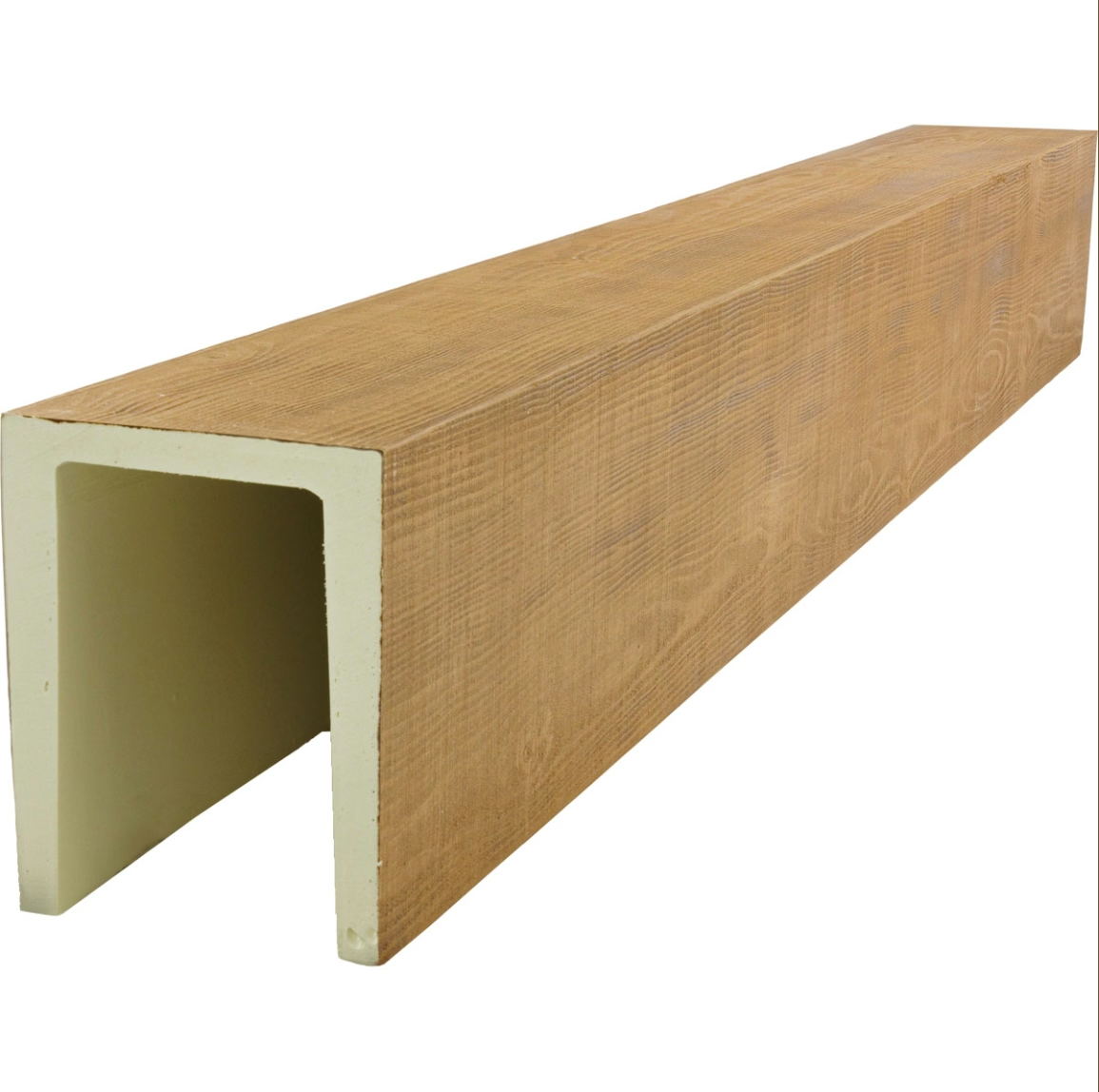
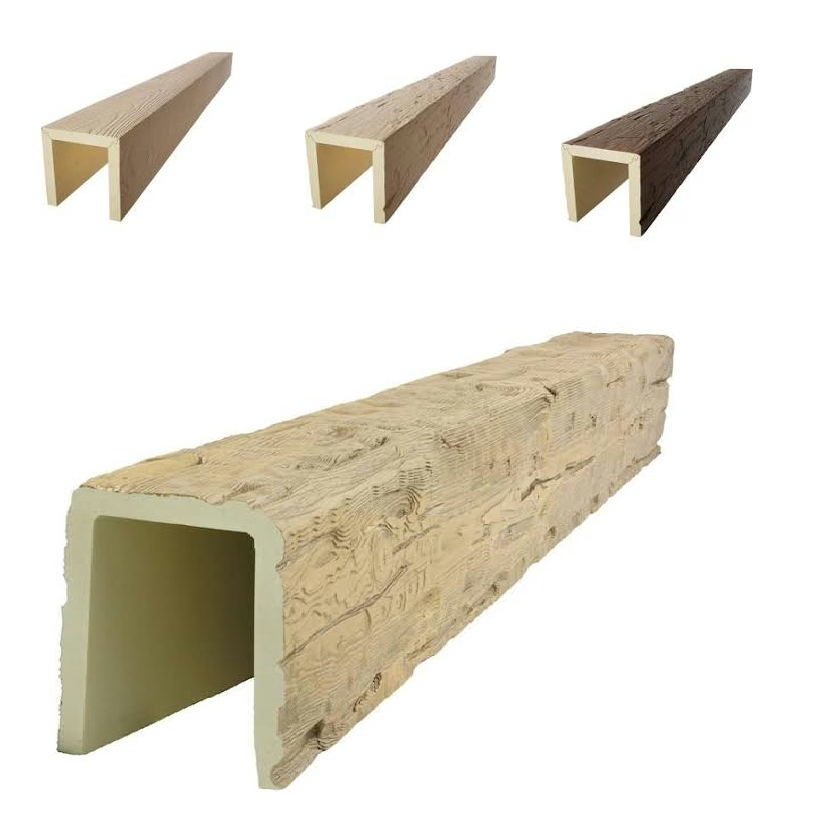
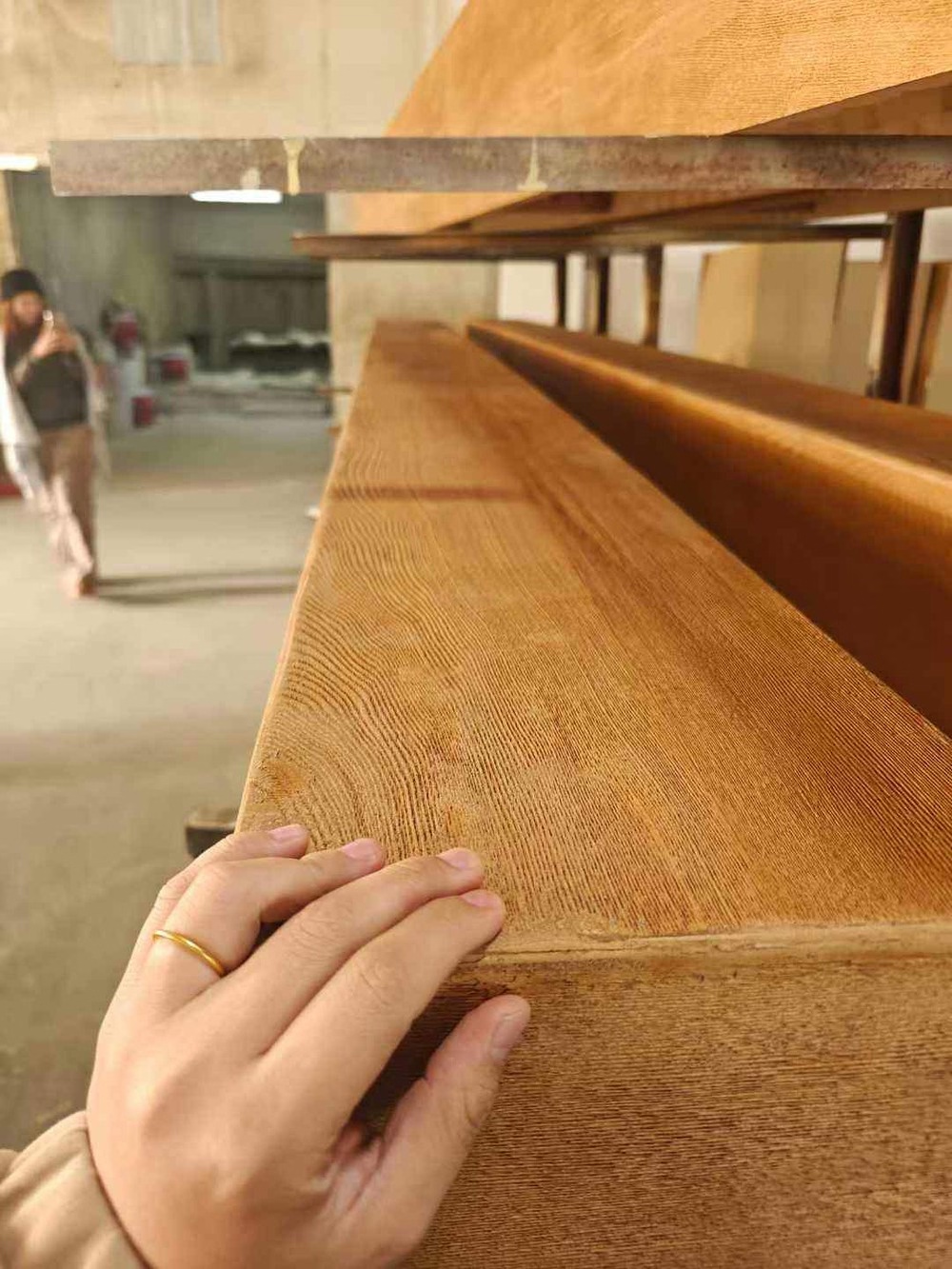
On-site finishing represents one of the most significant sources of delay and uncertainty in architectural wood element installation. Weather conditions, drying times, and application technique variability all conspire to create outcomes that differ from design expectations. Pre-colored finished PU resin faux wood beams sidestep these challenges entirely by delivering color-applied products directly from manufacturing, ready for immediate installation. This approach aligns with modern construction efficiency demands while satisfying clients who expect finished appearance from day one of occupancy.
The factory finishing process for PU resin beams employs industrial-grade application methods impossible to replicate on construction sites. Multiple coats of carefully formulated finish layers build up uniform coverage that penetrates deep into beam surfaces. The controlled environment of production facilities ensures consistent application regardless of external weather or humidity conditions. UV-resistant pigments maintain color stability even in sun-exposed installations where lesser finishes would fade quickly. These production advantages translate directly into installation benefits that contractors and clients appreciate.
Factory Finishing Process Deep Dive
Modern PU resin beam finishing begins with surface preparation optimized for coating adhesion. Production facilities use automated sanding systems that achieve consistent texture across entire beam surfaces, removing mold release agents and creating micro-roughness that mechanical bonding requires. Unlike site finishing where preparation quality varies dramatically between applicators, factory preparation follows standardized protocols ensuring each beam receives identical treatment regardless of production timing or operator.
Color application in factory settings employs equipment calibrated for precise output control. Spray systems atomize finish materials into uniform droplets that settle evenly across beam surfaces without runs or sags. Multiple passes build color depth gradually, with intermediate curing stages allowing each coat to set before subsequent application. This layered approach creates color saturation impossible to achieve with single-pass site application. The resulting finish appears richer and more dimensional than site-applied alternatives.
Topcoat application completes the finishing sequence with protective layers designed for long-term durability. These clear coats guard underlying color layers from abrasion, moisture, and UV exposure while providing the subtle sheen that makes wood-inspired finishes appear natural. Factory topcoats typically cure in controlled-temperature environments that accelerate crosslinking without creating surface imperfections. The resulting finish achieves hardness levels that site-applied varnishes rarely match, even with extended curing periods.
Finish Durability and Maintenance
Factory-finished PU resin beams demonstrate remarkable durability under real-world conditions. The complete curing achieved in production facilities creates cross-linked polymer networks that resist scratching and scuffing far better than site-finished alternatives. High-traffic installations show minimal wear even after years of use, maintaining appearance quality that justifies premium positioning. This durability translates into reduced maintenance costs over the beam lifetime, offsetting initial price premiums against long-term ownership expenses.
Cleaning and maintenance of factory-finished beams proves straightforward for most common soil types. Dust and light debris wipe away with damp cloths, while more stubborn contamination responds to mild cleaning solutions that won't damage factory-applied finishes. The sealed surface created by factory finishing prevents staining from liquid exposure, unlike porous wood surfaces that absorb contaminants and develop permanent discoloration. This cleanability advantage proves particularly valuable in commercial applications where appearance maintenance demands practical solutions.
Repair capabilities for factory-finished beams have improved as the products have gained market acceptance. Manufacturers now offer touch-up kits matching factory colors and finishes, enabling field repairs that blend convincingly with surrounding surfaces. While extensive damage may require beam replacement, localized damage like job site impact marks can often be addressed with manufacturer-supplied repair materials. This support infrastructure adds value beyond the initial purchase, giving building owners confidence that their finished investments can be maintained properly.
Color Selection and Custom Options
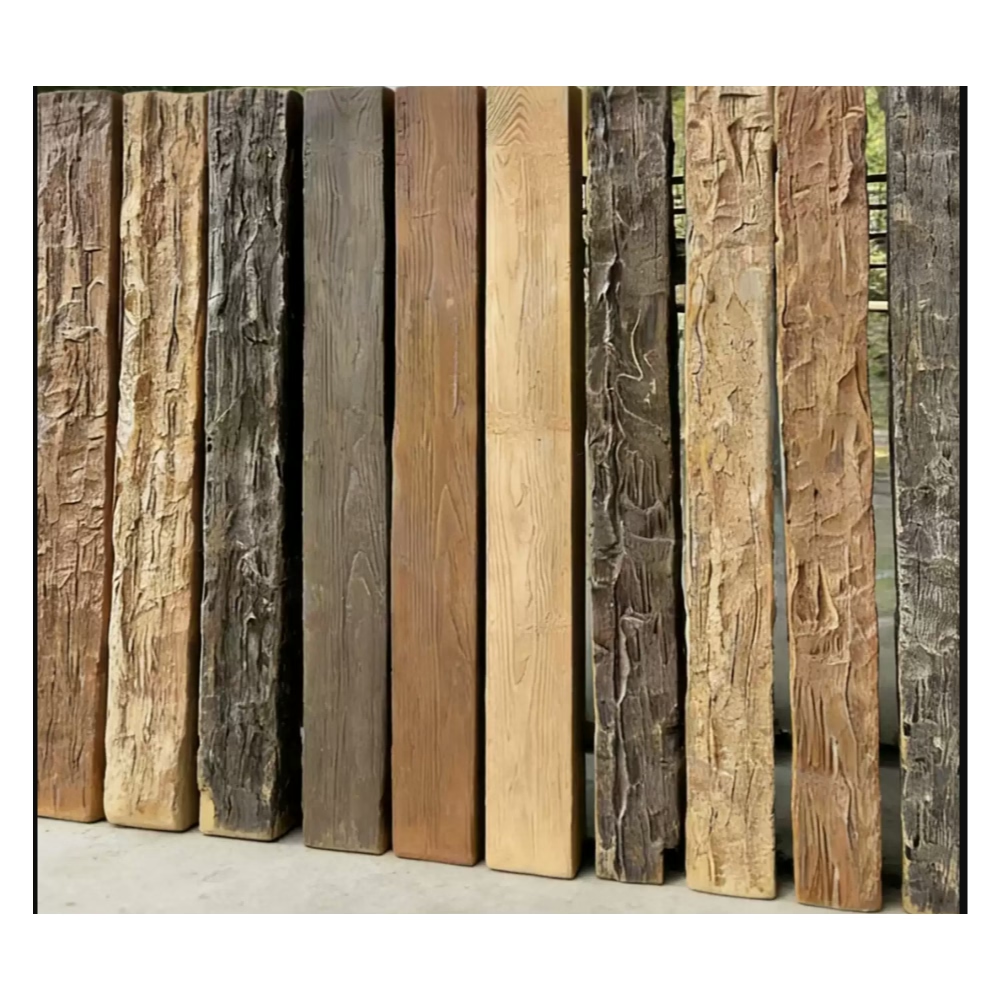
Standard color collections offered by PU resin beam manufacturers span the spectrum from natural wood tones to contemporary painted finishes. Oak, maple, cherry, and walnut imitations provide traditional aesthetics that complement classic and transitional interiors. Gray, white, and black painted finishes serve modern and minimalist design approaches. Specialty collections may include exotic wood imitations, weathered barn wood reproductions, or custom-matched colors developed for specific projects.
Custom color matching extends the design possibilities beyond standard offerings when projects require unique specifications. Manufacturers accept physical samples or color specifications for custom matching, producing beams that coordinate precisely with surrounding finishes. This capability enables design continuity across multiple material types, matching beam finishes to existing furniture, flooring, or architectural millwork. Custom color orders typically require longer lead times and may involve minimum quantity requirements or premium pricing.
Finish sheen level selection influences how beams appear in different lighting conditions. Matte finishes minimize visual weight and suit contemporary spaces avoiding reflective surfaces. Satin finishes provide subtle warmth that enhances wood grain visibility without appearing glossy. Semi-gloss and gloss finishes create visual drama through light reflection but may appear artificial in some settings. Understanding these relationships helps designers specify appropriate sheen levels for specific applications and lighting conditions.
Installation Advantages of Pre-Finished Products
The primary installation advantage of pre-finished beams is elimination of on-site finishing labor entirely. Installation crews mount beams directly from packaging without waiting for finish application or drying. This efficiency compresses project schedules, potentially reducing overall construction time significantly on beam-intensive projects. The labor cost savings from eliminated site finishing may offset higher material costs for pre-finished products, making them economically competitive despite premium pricing.
On-site protection requirements decrease substantially when beams arrive pre-finished. Painters and other trades need not mask or protect beam surfaces during subsequent construction phases. Coordination complexity decreases when beam surfaces don't require protection from splatter or overspray. The simplified site logistics reduce opportunities for damage that would require repair or replacement, improving final quality outcomes.
Quality consistency improves dramatically with pre-finished products. Every beam emerges from factory finishing with identical color and sheen, eliminating variations that inevitably occur with site application. Large installations requiring multiple beams show no visible differences between components, creating the unified appearance that design intent typically demands. This consistency builds client confidence in the finished product, supporting premium positioning that justifies pre-finished pricing.


Pre-colored finished PU resin faux wood beams represent the convergence of manufacturing capability with construction efficiency demands. By shifting color application to controlled factory environments, these products deliver quality unachievable through site finishing while reducing installation complexity. As construction schedules tighten and quality expectations rise, pre-finished beams will likely capture increasing market share from traditional finishing approaches that cannot match their combination of beauty and practicality.
Technical References
ASTM standards cited in every specification
Test Data
Lab results from internal testing program
Updated 2026
Reviewed against current product specs