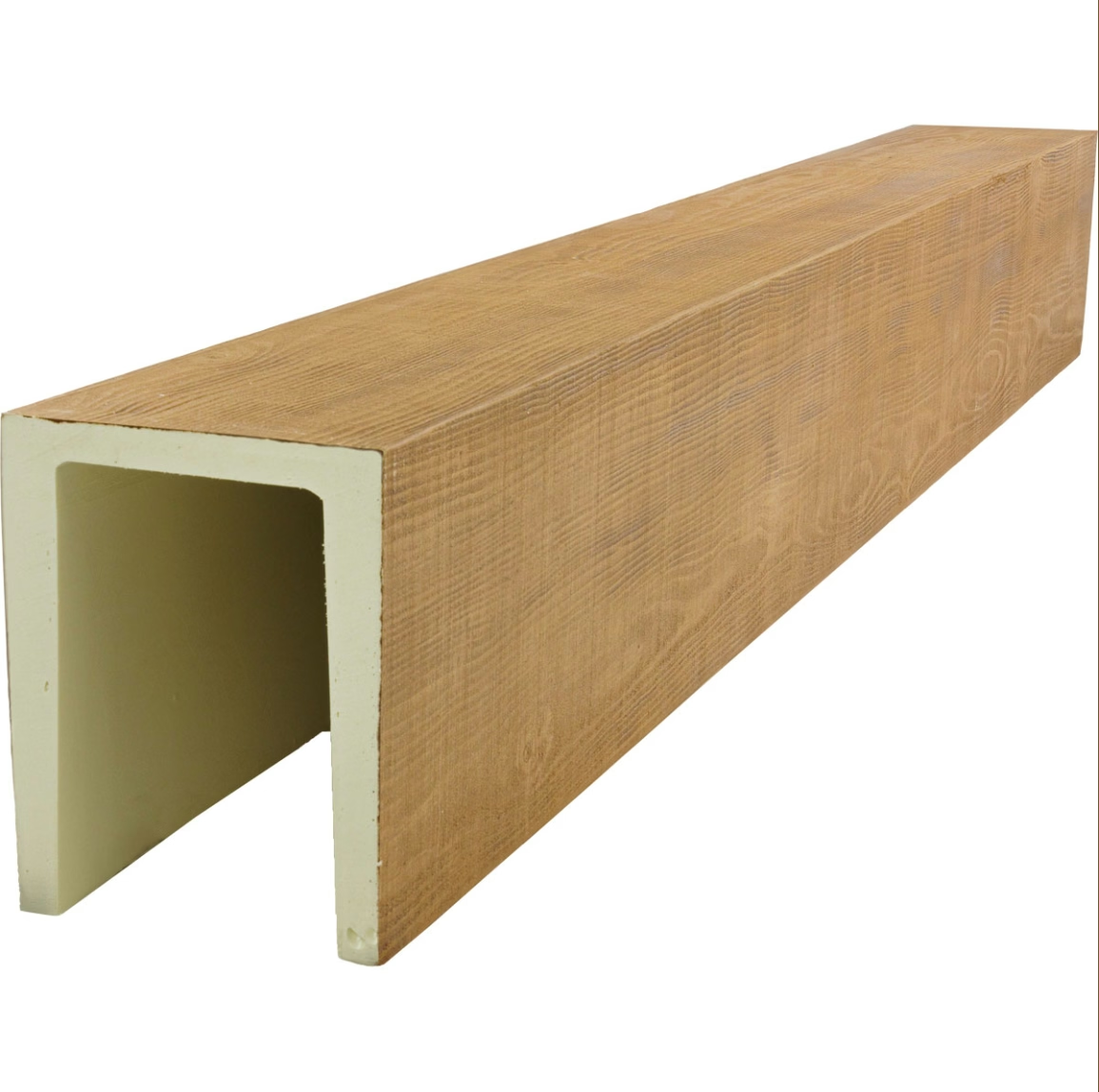
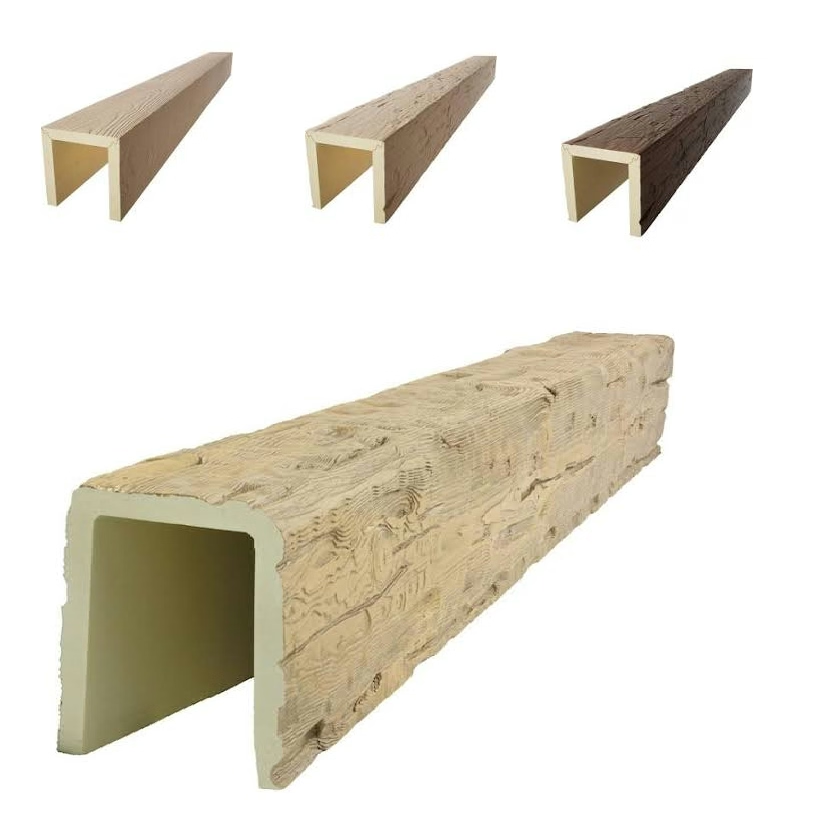
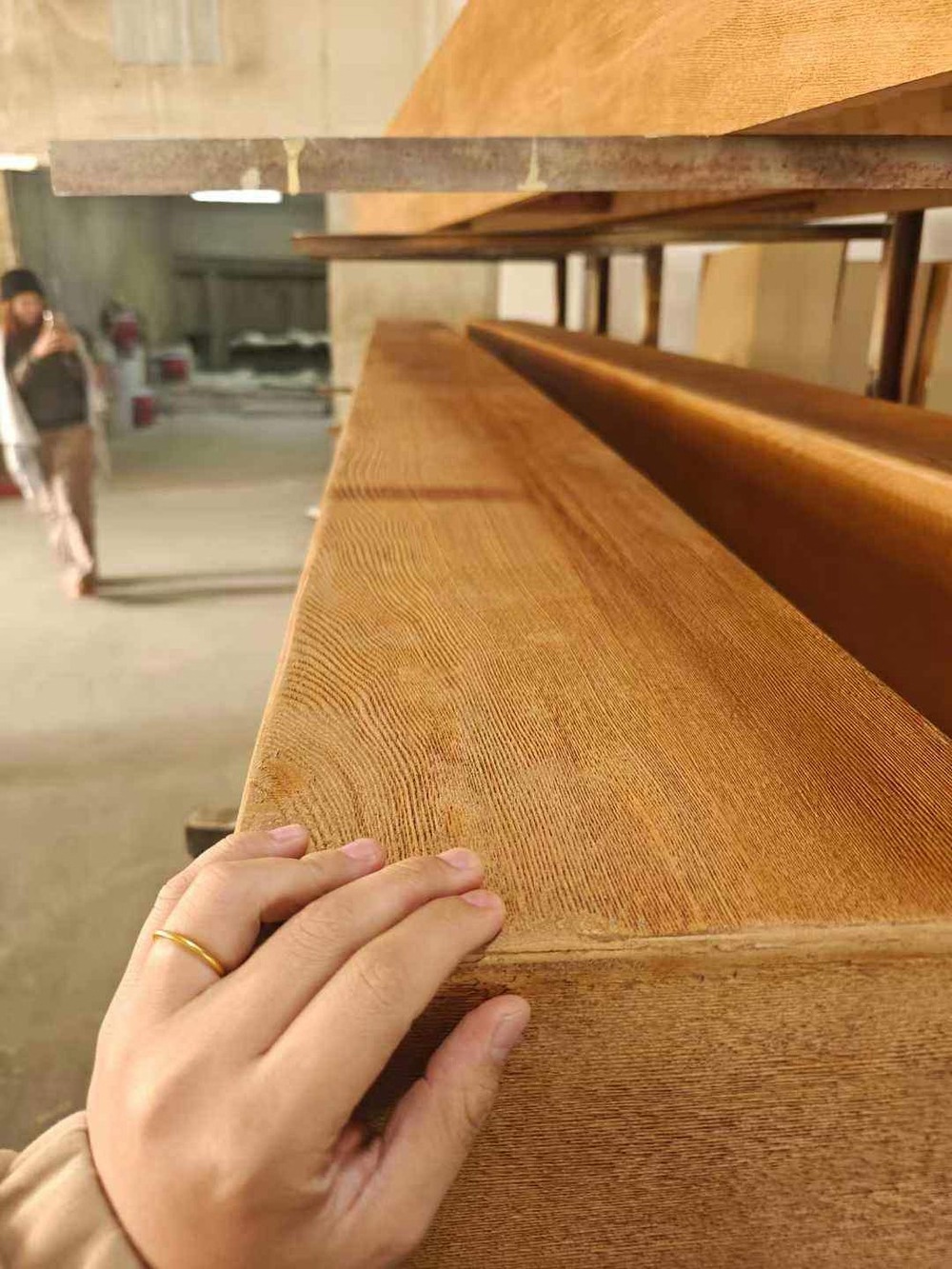
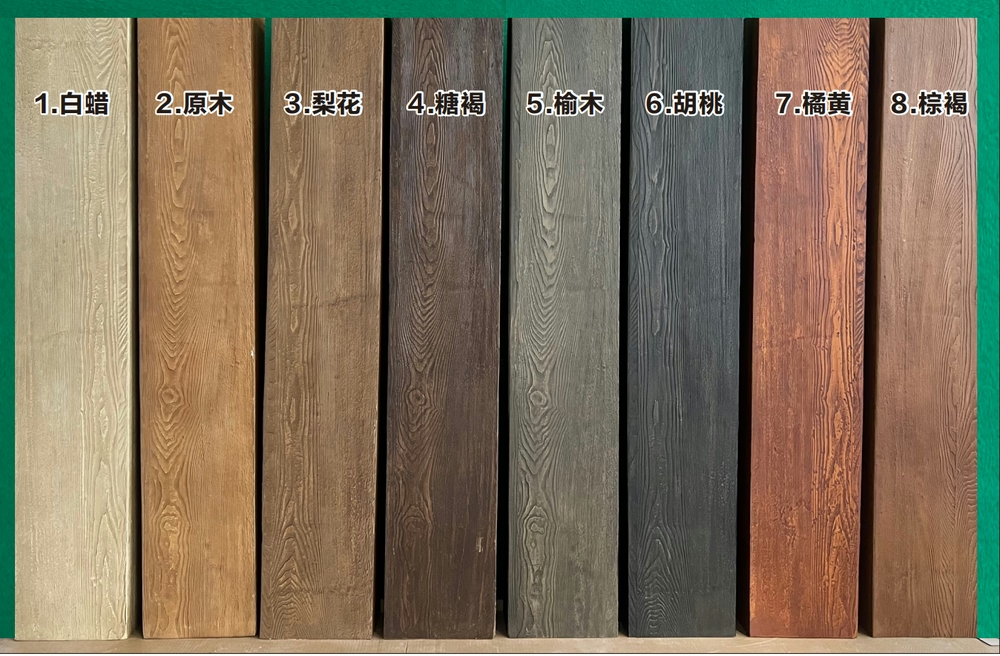
The most discerning observers of interior design recognize that authentic wood surfaces engage more than just the sense of sight. Running a hand across a genuine timber beam reveals information that eyes alone cannot capture: the subtle raised grain of summer wood against softer spring grain, the slight roughness where cutters encountered knots, the gentle undulation across growth rings. Pre-textured embossed PU faux beams address this tactile dimension directly, creating surfaces that reward close inspection as convincingly as they satisfy casual observation.
Surface texture represents one of the most challenging aspects of wood reproduction. Unlike color or shape, which can be captured through relatively straightforward painting and molding processes, authentic wood texture requires specialized manufacturing techniques that create dimensional variation across surfaces. Embossing technology provides this capability, transferring carefully crafted texture patterns onto polyurethane surfaces with remarkable fidelity.
The Science of Wood Surface Embossing
Embossing begins with the creation of master texture patterns derived from actual wood surfaces. Technicians select representative wood samples, documenting the specific texture characteristics that define authentic wood appearance. These samples undergo scanning and analysis to identify the key patterns, frequencies, and amplitudes that create natural wood texture signatures.
The resulting master patterns are then transferred to embossing tools through precision manufacturing processes. These tools—typically manufactured from hardened steel or composite materials—contain the inverse of the desired texture, with raised and depressed areas that press corresponding patterns into polyurethane surfaces during production. Tool quality directly determines texture fidelity, making investment in superior tooling essential for convincing results.
During beam production, polyurethane material encounters embossing surfaces at controlled temperature and pressure conditions. These parameters require careful optimization to ensure complete texture transfer without material distortion or surface defects. Variations in ambient conditions, material properties, or equipment settings can compromise texture quality, necessitating rigorous process control throughout manufacturing.

Texture Pattern Variations
Different wood species exhibit distinctive texture characteristics that embossing technology must capture to achieve authentic reproduction. Oak displays prominent ray patterns and pronounced grain lines that create strong visual texture. Maple presents subtler grain patterns with minimal figure, requiring more delicate embossing to avoid appearing artificial. Walnut combines moderate grain with distinctive color variations that interact with texture to create depth.
Knots present particular embossing challenges due to their irregular forms and surrounding texture disruption. The grain around knots curves dramatically, creating stress patterns that authentic wood surfaces reveal clearly. Effective knot reproduction requires embossing tools that capture not just the knot itself but also the distorted grain surrounding it, maintaining visual continuity that connects knot and adjacent surfaces.
End grain textures differ substantially from face grain, requiring separate embossing approaches for beam ends and cuts. The porous, cellular appearance of end grain cannot be achieved through the same techniques used for longitudinal surfaces. Quality manufacturers provide appropriate end grain texturing on all beam pieces, ensuring that every visible surface contributes to authentic appearance.
Visual Impact of Textured Surfaces
Light interacts with textured surfaces differently than with smooth finishes, creating visual depth that flat surfaces cannot achieve. Shadows form within texture valleys, creating subtle contrast variations that eyes interpret as three-dimensional detail. Highlights concentrate on texture peaks, adding luminosity that shifts with viewing angle and lighting conditions.
This dimensional quality proves particularly valuable in beam applications, where directional lighting often reveals surface characteristics. Beams illuminated from below, for example, cast shadows that accentuate texture and create visual interest even in otherwise subdued installations. The interplay between light and texture becomes an active design element rather than incidental surface characteristic.
Texture also influences how beams read at different viewing distances. From normal viewing positions, textured surfaces provide the visual complexity that makes wood appear authentic. At closer range, texture becomes more apparent, rewarding close inspection with additional detail. This progressive revelation of detail mimics what observers experience with genuine wood, creating similar engagement regardless of viewing distance.
Tactile Experience
The physical sensation of touching embossed PU beams approaches but does not exactly replicate authentic wood. Polyurethane material has different hardness characteristics than natural wood, and embossing cannot perfectly recreate the fibrous quality of wood fiber. However, the dimensional variation embossing creates does produce tactile feedback that distinguishes textured surfaces from smooth alternatives.
This tactile dimension matters in applications where beams will be touched or where close inspection is likely. Entry lobbies, hospitality spaces, and residential living areas often place beams within reach, where occupants may brush against surfaces or investigate apparent wood elements. Textured embossing provides consistent tactile feedback that reassures observers the beams might indeed be authentic wood.
Cleaning and maintenance considerations affect the practical tactile experience over time. Textured surfaces accumulate dust in crevices that smooth surfaces avoid, requiring attention during routine cleaning. The embossing depth must balance authenticity against cleanability, with most manufacturers selecting depths that appear convincing while remaining relatively easy to maintain.
Production Consistency
Maintaining texture consistency across production runs presents manufacturing challenges that distinguish quality producers from budget alternatives. Embossing tools wear with use, gradually losing the sharp definition that creates convincing texture. Quality manufacturers monitor tool condition and replace or refurbish tools before texture degradation becomes apparent in finished products.
Material batch variations can affect texture appearance even with consistent embossing. Different polyurethane formulations respond differently to embossing pressure and temperature, potentially creating subtle variations between production lots. Premium manufacturers implement quality testing that identifies material variations before they affect customer orders.
Surface preparation before embossing influences final texture quality. Any surface irregularities or contamination can interfere with complete texture transfer, creating soft spots or missing areas in the embossed pattern. Careful cleaning and surface preparation ensure that embossing produces complete, consistent results across entire beam surfaces.
Application Considerations
Embossed texture affects finishing approaches that must accommodate dimensional surface variation. Paint and stain application rates vary across textured surfaces, with valleys receiving different coverage than peaks. Understanding these variations helps achieve consistent final appearance without excessive material application or uneven coloration.
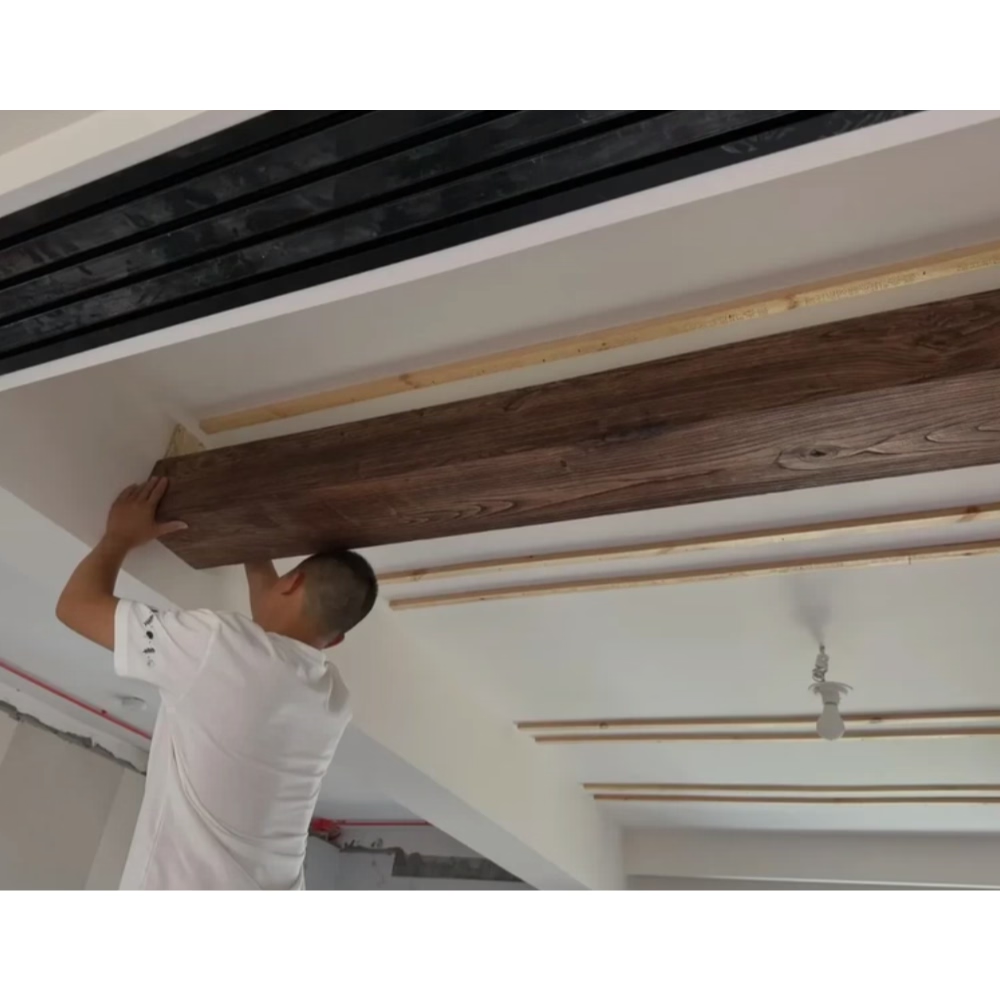
Installation handling requires attention to surface protection. Textured surfaces can accumulate fingerprints and smudges that prove more difficult to remove than from smooth surfaces. Gloves during installation prevent these issues while also protecting installers from any residue on beam surfaces. Planning for handling precautions preserves texture quality through the installation process.
Outdoor applications present texture durability considerations that may favor smooth or lightly textured alternatives. UV exposure, moisture infiltration, and thermal cycling gradually affect surface texture in ways that differ from authentic wood's weathering patterns. While high-quality PU resists many environmental effects, embossed surfaces may show changes that smooth surfaces avoid.
Pre-textured embossed PU faux beams represent the state of the art in wood reproduction, achieving levels of authenticity that satisfy all but the most critical observers. By addressing both visual and tactile dimensions of wood appearance, these products enable installations that reward close inspection as thoroughly as they satisfy casual observation.
Technical References
ASTM standards cited in every specification
Test Data
Lab results from internal testing program
Updated 2026
Reviewed against current product specs