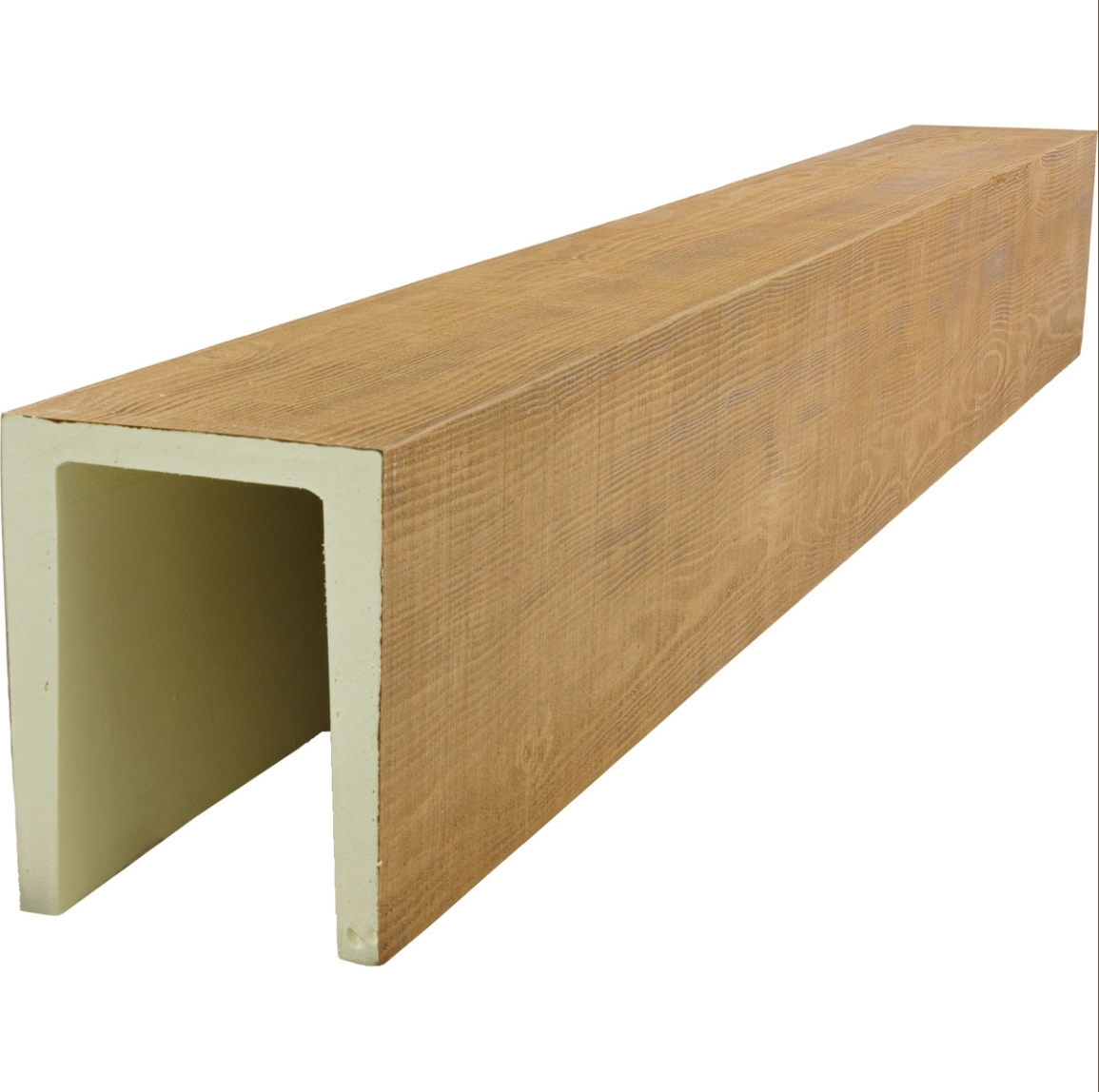
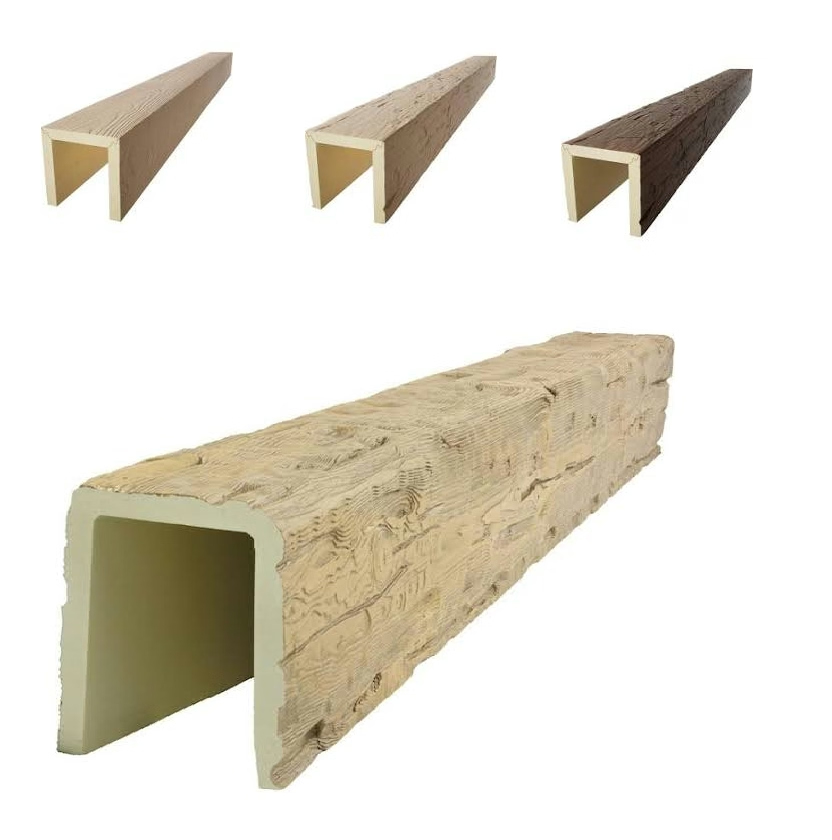
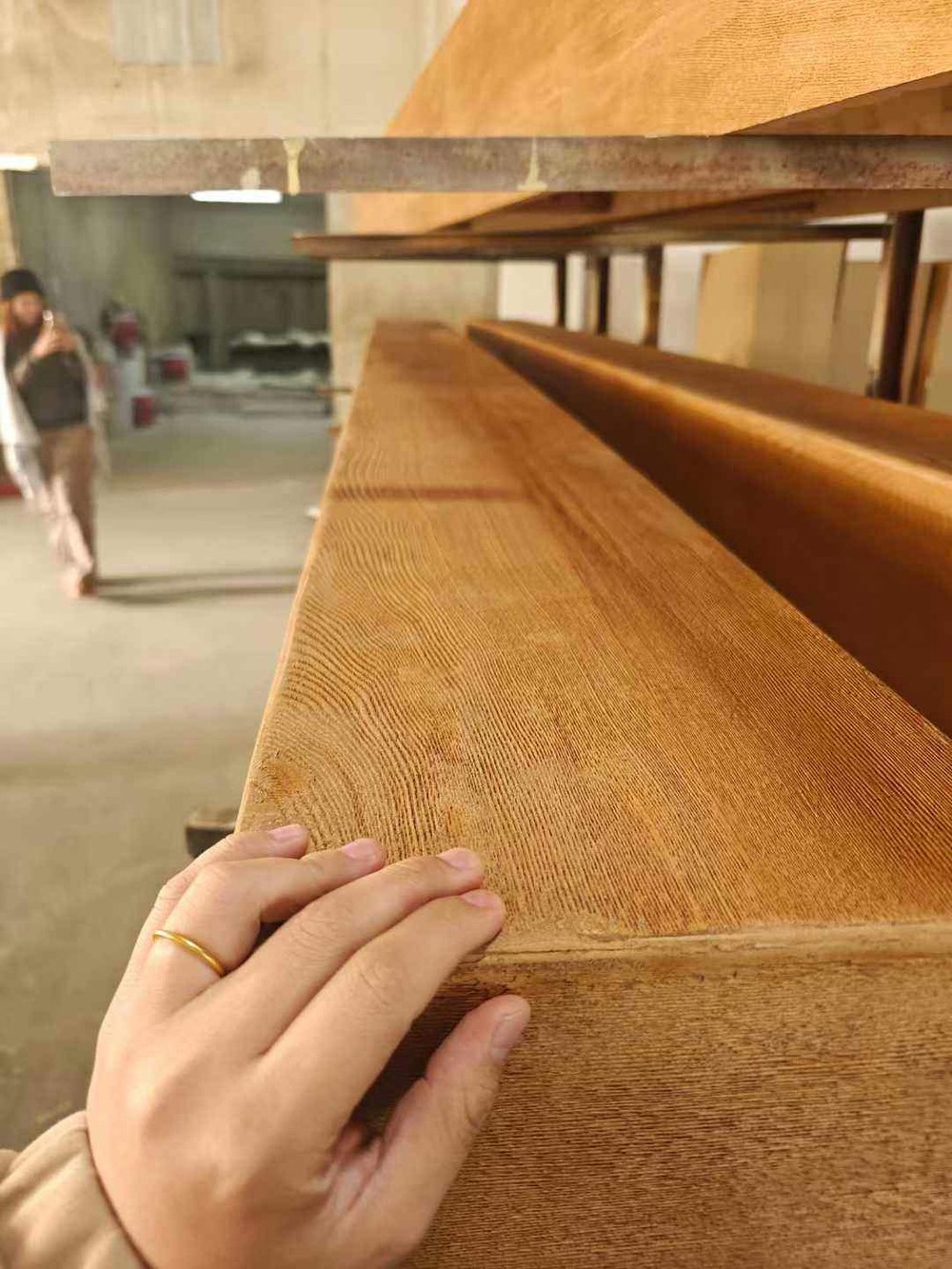
When you open a shipment of cast molded polyurethane beams and lay them out for inspection, the consistency should be immediately apparent. Each beam surface reproduces the same grain pattern at the same depth, the same weathering characteristics at the same intensity, and the same color saturation across the same texture features. This reproducibility is the hallmark of precision cast molding, and it represents a fundamental advantage over natural wood and even some other faux beam manufacturing approaches.
The cast molding process begins with a master pattern—typically a hand-carved or CNC-routed model of the desired beam surface texture. This master captures every knot, every grain line, and every weathering detail at production quality. Liquid polyurethane compound is then poured or injected into molds created from this master pattern. As the material cures, it picks up every surface detail with fidelity measured in fractions of a millimeter. The resulting beam surface is essentially a negative copy of the master, which means every beam poured from that mold reproduces the master exactly.
This reproducibility addresses one of the most persistent challenges in beam installation: the appearance of mismatched components. Natural wood beams vary from piece to piece based on the specific tree they came from, the board's position in that tree, and the random events of grain pattern development. Even beams from the same tree can show dramatically different character. Cast molded polyurethane eliminates this variability by ensuring that the third beam in your project looks exactly like the first two, and the tenth matches all the others before it.

The uniform texture also dramatically simplifies finishing work. When a project requires staining or color matching between beams and accessories, the consistent base material absorbs finishes evenly. A stain applied to one cast molded beam will produce nearly identical results on any other cast molded beam of the same profile and texture, assuming consistent application technique. This predictability eliminates the trial-and-error process that staining natural wood requires, where you might need to test on multiple scrap pieces before finding the right combination of stain color, number of coats, and sealer.
Surface hardness and durability follow the same consistent logic. Cast molded polyurethane achieves a uniform density throughout each beam and across all beams in a production batch. The surface resists impact damage, scratching, and wear consistently, which means high-traffic installations maintain their appearance uniformly along each beam and across the entire installation. There are no soft spots or weak areas that might develop premature wear, which sometimes occurs with natural wood or with injection molded parts that have density variations.
The mold creation process itself contributes to precision outcomes. Master patterns are crafted with extreme attention to durability since they must produce hundreds or thousands of quality copies before wearing enough to require replacement. Modern CNC machining of master patterns achieves tolerances measured in thousandths of an inch, ensuring that even fine texture details like delicate grain lines or subtle weathering effects reproduce consistently. The molds themselves, typically aluminum or high-density polymer, transfer these details faithfully through thousands of production cycles.

Quality control in cast molding production focuses on dimensional consistency and surface quality inspection. Each beam is checked for correct cross-sectional dimensions, overall length within tolerance, and surface completeness without bubbles, voids, or depressions that would affect the appearance when finished. The texture reproduction is evaluated against reference samples from the master pattern, with any beam showing meaningful deviation removed from the production run.
For architects and designers specifying beams for commercial projects, the consistency of cast molded polyurethane provides something that natural wood simply cannot: the assurance that what appears in the specification drawing will match what arrives on the job site. A restaurant chain installing beams in twelve locations across the country can receive beams that are effectively identical, ensuring brand consistency in the architectural finish. This level of predictability transforms faux beams from a compromise option to a deliberate specification choice that serves the project goals.
The uniform texture also benefits the end user over the life of the installation. When repairs become necessary—if accidental damage occurs to one beam in an installation—the availability of replacement beams with matching texture eliminates the frustrating search for a natural wood beam that approximates the original. A replacement cast molded beam will match precisely, preserving the visual integrity of the installation without requiring refinishing or accepting a visible patch.
Technical References
ASTM standards cited in every specification
Test Data
Lab results from internal testing program
Updated 2026
Reviewed against current product specs