The challenge of reproducing wood's complex surface has occupied material scientists and craftsmen for generations. Unlike simple geometric shapes that模具 casting handles straightforwardly, wood surfaces present a combination of macro-scale features like grain patterns and knots with micro-scale details including cell structure and surface wear patterns. Capturing this layered complexity requires sophisticated mold technology that goes far beyond basic replication techniques.
Precision mold-cast polyurethane beams emerge from manufacturing processes refined over decades of materials development. The journey from natural wood sample to finished beam involves multiple stages, each contributing essential elements to the final texture authenticity. Understanding this process helps architects and designers appreciate why premium faux beams cost more than simple alternatives while also informing specification decisions that affect project outcomes.
The starting point for any authentic texture reproduction is selecting appropriate source wood. Manufacturers maintain libraries of premium wood samples representing various species, ages, and environmental exposures. These samples undergo careful documentation, with high-resolution imaging capturing surface details that will inform mold creation. The selected samples must exemplify the texture characteristics that make each wood species distinctive.
Master Sample Selection and Preparation
Selecting master samples involves balancing aesthetic goals with practical manufacturing considerations. The ideal sample exhibits textbook examples of species-specific characteristics: tight, even grain for maple; bold, dramatic grain for oak; subtle fiddlestick patterns in ash. Beyond species characteristics, the sample should have minimal defects while still exhibiting authentic aging features that suggest genuine character rather than manufactured perfection.
Surface preparation of master samples ensures that mold reproduction captures all intended details without capturing unintended imperfections. Cleaning removes accumulated contaminants while preserving natural surface features. Minor repairs address damage that would otherwise reproduce in the mold, though maintaining sufficient authenticity requires judgment about which repairs enhance versus diminish natural character.
The selected master undergoes dimensional verification to confirm that the sample's size matches production beam specifications. Molds created from oversized samples would produce beams too large for standard applications, while undersized samples would limit beam capacity. Careful size matching at this stage prevents dimensional problems in finished products.
Mold Creation Technology
Modern mold creation employs advanced materials that capture surface details at the microscopic level. Silicone rubber compounds remain the primary choice for their combination of flexibility, durability, and detail reproduction capability. The liquid silicone compounds flow into every wood grain valley and around every knot projection, creating a negative that precisely mirrors the original surface.
Layered mold construction provides both detail reproduction and structural strength. Initial layers capture the finest surface details, while subsequent layers provide support and dimensional stability. This construction allows molds to maintain accuracy through hundreds of production cycles that would destroy single-layer molds.
Mold release agents applied before production casting prevent polyurethane from bonding to the mold surface. These specialized formulations must balance effective release with not filling in the fine details that mold creation captured. The application technique significantly affects both ease of demolding and texture reproduction in finished beams.
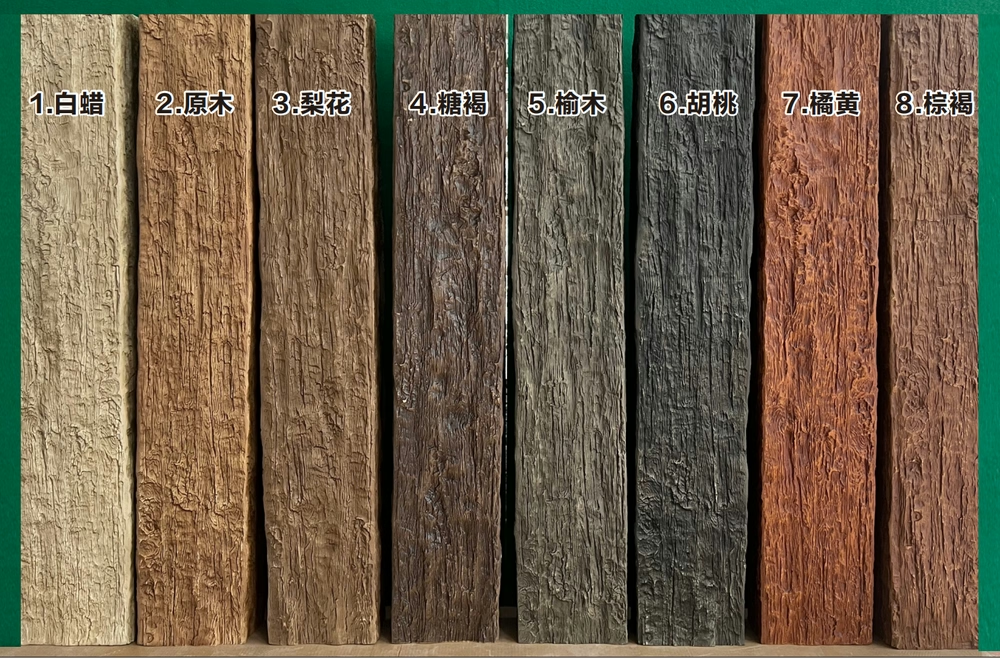
Polyurethane Formulation for Texture Holding
The polyurethane compound selected for textured beam production must fill molds completely while maintaining dimensional stability after cure. Flow characteristics determine whether the compound reaches all mold details without trapping air that would create voids. Viscosity optimization balances these requirements, creating compounds that flow readily yet resist excessive settlement before cure.
Catalyst systems control cure timing, providing sufficient working time for mold filling while achieving rapid green strength development. The cured material must hold the texture details faithfully without shrinking or distorting during demolding or subsequent handling. Formulation chemists balance these requirements through careful component selection and testing.
Physical properties including hardness, flexibility, and impact resistance affect both manufacturing and end-use performance. Beams must resist the handling and installation stresses without damage, yet remain light enough for practical installation. These property requirements influence formulation choices that must be optimized for the specific application.

Surface Texture Layers
Authentic wood appearance results from multiple texture layers operating at different scales. The largest scale features include general grain direction and any distinctive patterns like cathedral grain or quilted figuring. Medium-scale textures encompass individual grain lines, ray flecks, and earlywood/latewood differentiation. Fine-scale textures include surface roughness variations and any weathering or wear patterns.
Mold technology addresses all these texture scales simultaneously, creating a negative that reproduces each layer accurately. The challenge lies in ensuring that the positive reproduction in cast polyurethane captures each layer without distortion. This requires both high-quality molds and appropriate material flow that reaches all texture features without introducing artifacts.
Knot reproduction demonstrates how multiple texture scales interact. A knot includes the distinct color of knot wood, the swirling grain pattern surrounding it, the depression where the knot formed, and any cracks or checks extending from it. Capturing all these elements faithfully requires mold technology sophisticated enough to reproduce the finest details while maintaining the overall knot geometry.
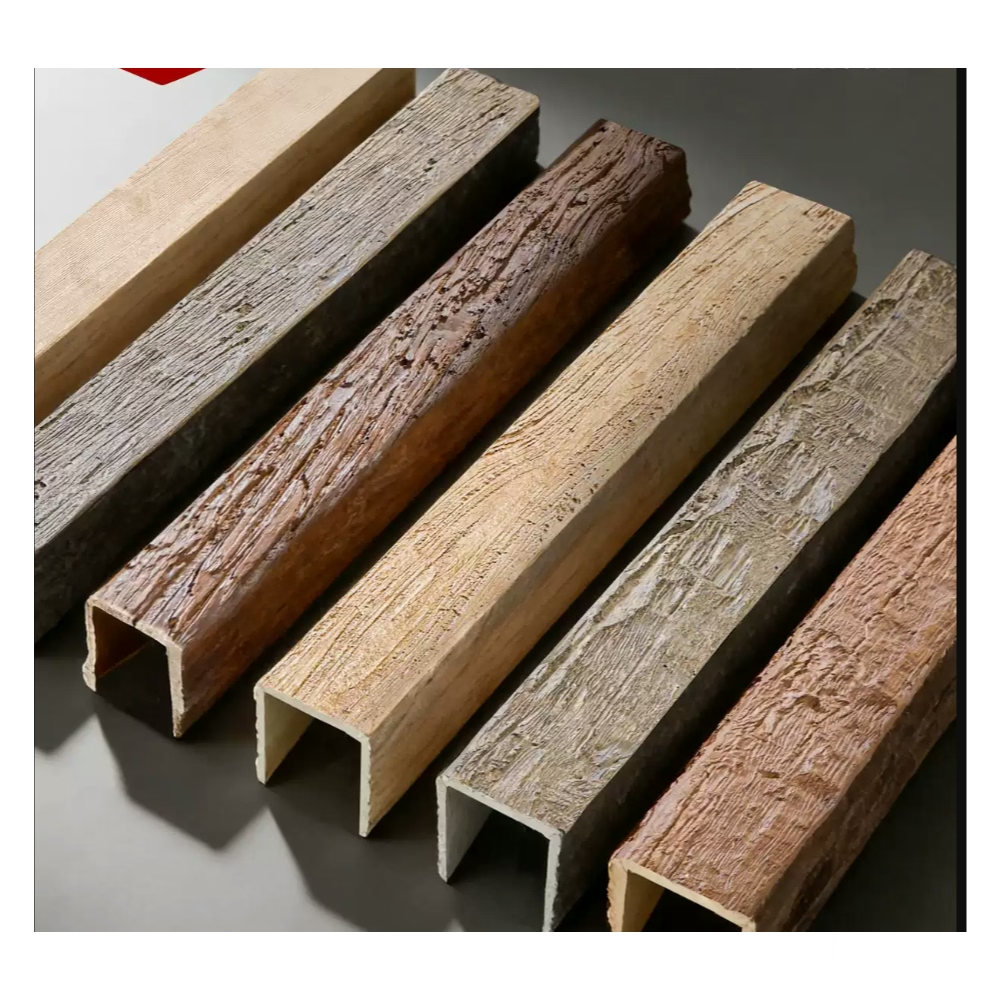
Post-Casting Treatment
Demolded beams require treatment that prepares the raw casting surface for finishing while preserving the texture that mold casting created. Edge trimming removes any flash or overflow that leaked past mold parting lines, requiring careful technique that doesn't round crisp edges or damage adjacent textured surfaces.
Surface cleaning removes any residual mold release or processing contamination that might interfere with finishing. Solvent cleaning or specialized pre-finish treatments ensure that subsequent coatings bond properly. This preparation step directly affects finish durability and appearance retention.
Inspection verifies that texture reproduction meets quality standards throughout the beam surface. Visual comparison against reference standards identifies any areas falling below acceptable quality. Problem areas may receive touch-up work, though extensive problems typically result in rejection rather than repair.
Color Application Over Texture
Staining polyurethane beams requires techniques adapted to the material's different porosity compared to natural wood. Natural wood's open grain absorbs stain unevenly, creating the depth and variation that enhance wood appearance. Polyurethane's more uniform surface requires different approaches to achieve similar results.
Pigmented stains containing suspended colorants work well on polyurethane, as the pigments remain on the surface rather than penetrating into the substrate. This creates more uniform coloration than penetrating stains on natural wood, which may be adjusted through multiple applications to achieve desired appearance. The resulting finish mimics natural wood while being more consistent between pieces.
Layered staining techniques build color depth that resembles natural wood's dimensional appearance. Initial stain colors the overall surface, while subsequent applications highlight grain lines and accentuate texture features. This layering requires skill and patience but produces results that reward the extra effort.
Quality Verification
Texture quality verification compares finished beams against reference standards established during master sample selection. Trained inspectors examine beams under standardized lighting conditions, identifying any areas where texture reproduction falls short. This subjective verification complements objective measurements of dimensional accuracy.
Durability testing confirms that texture details survive installation and service without significant degradation. Abrasion resistance testing simulates years of dust accumulation and cleaning, verifying that surface features remain intact. These tests provide confidence that beams will maintain their appearance over expected service life.
Finish adhesion testing ensures that staining and topcoating systems bond properly to the textured polyurethane surface. Poor adhesion leads to premature finish failure, undermining the investment in quality texture reproduction. Quality manufacturers test finish systems thoroughly before offering them for sale.
Specification Guidance
Specifying textured polyurethane beams requires attention to texture class and species authenticity. Texture classes might range from light, subtle grain to heavy, dramatic texture, each suited to different design applications. Species specification should reference actual wood species characteristics rather than color alone, as the texture defines authentic wood appearance.
Finish specification should indicate both color and sheen level, with sample approval recommended for critical applications. The combination of texture class, species character, and finish treatment defines the beam's final appearance. Changes to any element affect the overall result, requiring coordinated specification throughout the project.
Warranty and maintenance requirements should be reviewed before specification, as these terms affect long-term ownership costs. Quality products carry warranties covering both materials and finish, providing protection against premature failure. Understanding maintenance requirements ensures appropriate care throughout the product's service life.
Technical References
ASTM standards cited in every specification
Test Data
Lab results from internal testing program
Updated 2026
Reviewed against current product specs


