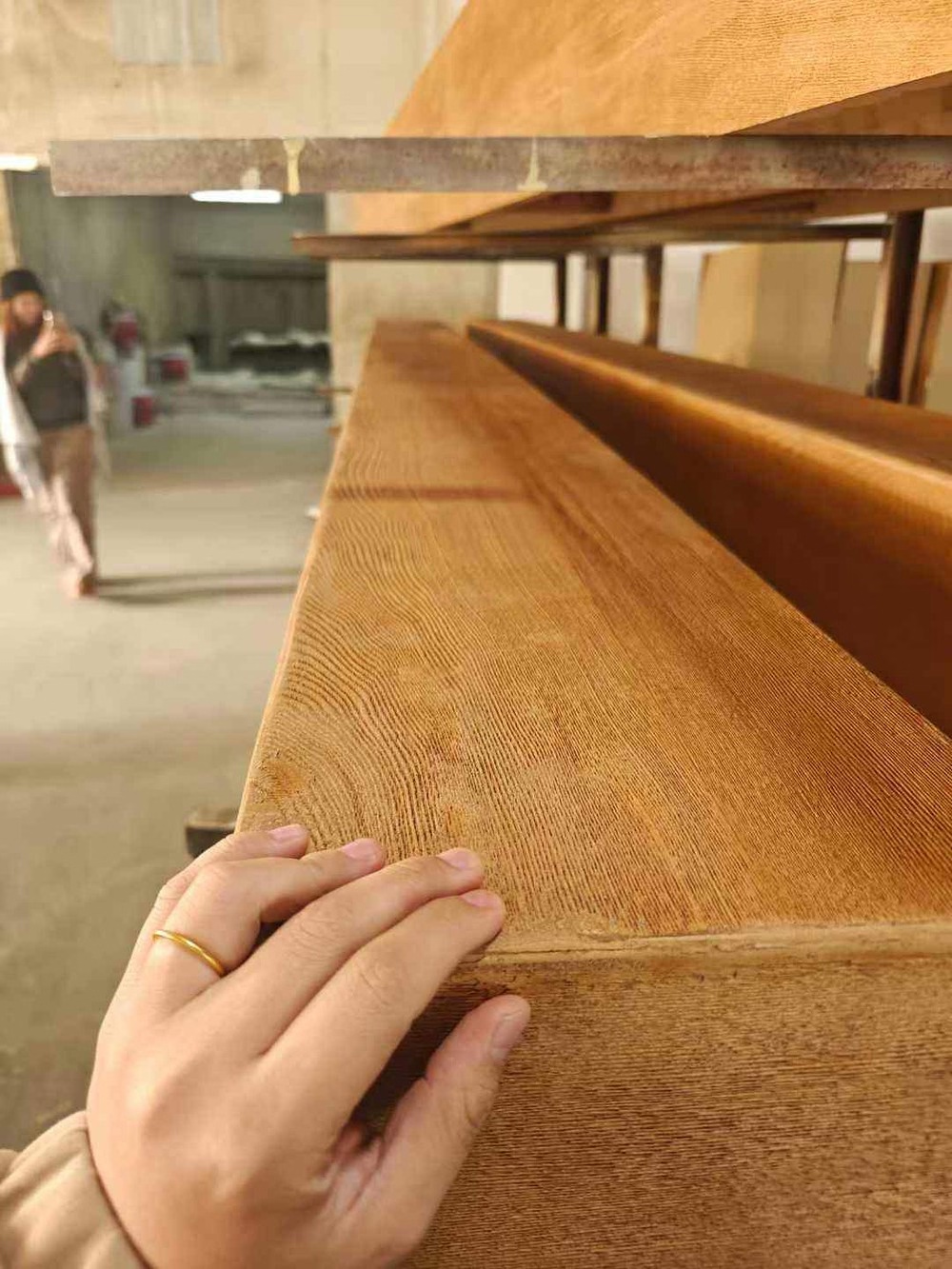
The evolution from obviously synthetic alternative to convincing wood replica represents one of the most significant advancements in decorative building materials. Early attempts at faux wood beams produced results that fooled no one, their plastic surfaces and uniform patterns broadcasting their manufactured origins. Today's precision molded polyurethane beams have crossed the threshold into authenticity, with many observers unable to identify them as anything other than natural timber without close inspection or tactile confirmation.
This transformation results from manufacturing processes that approach wood reproduction scientifically while maintaining the artisan attention that authentic materials demand. Every aspect of wood's appearance, from its macro-scale grain patterns to its micro-scale surface characteristics, receives consideration during product development. The resulting beams deliver not just acceptable wood-like appearance but genuine wood authenticity.
The range of wood effects achievable through molded polyurethane extends beyond what natural wood provides consistently. Weathered barn wood with silver patina, fresh-cut timber with visible sapwood, and aged oak with rich amber tones all emerge from the same manufacturing process simply by varying texture and finish specifications. This versatility enables architectural coherence across projects or even within single installations that might combine multiple wood effect styles.
The Science of Wood Effect Reproduction
Authentic wood effects begin with understanding what makes natural wood visually distinctive. Beyond obvious features like grain patterns and knots, wood exhibits complex color variations, surface wear patterns, and light-reflecting characteristics that together create its characteristic appearance. Capturing all these elements convincingly requires technology addressing each separately before combining them in final products.
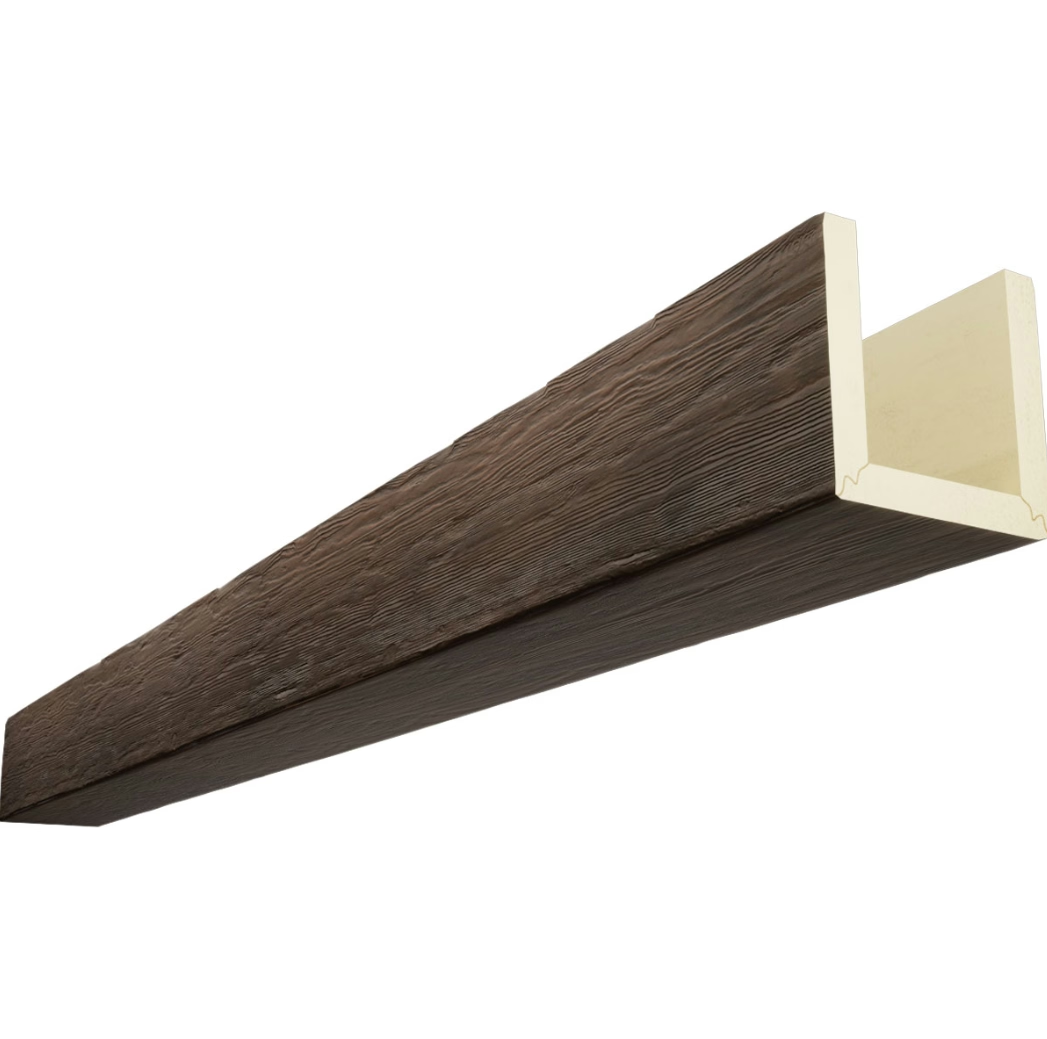
Grain pattern reproduction relies on careful study of how wood grows and how those growth patterns translate to visible surfaces. The annual ring patterns visible in end grain manifest differently on longitudinal surfaces, creating the characteristic parallel lines and wave patterns that define each species. Mold surfaces capture these patterns with sufficient precision to fool observers who know wood intimately.
Color effects in wood result from both inherent coloration in the wood substance and from light interaction with surface features. The warm tones of cherry, the cool grays of weathered cypress, and the golden hues of honey locust all derive from both chemical composition and physical structure. Replicating these effects requires understanding both sources and techniques that address each.
Weathered and Distressed Effects
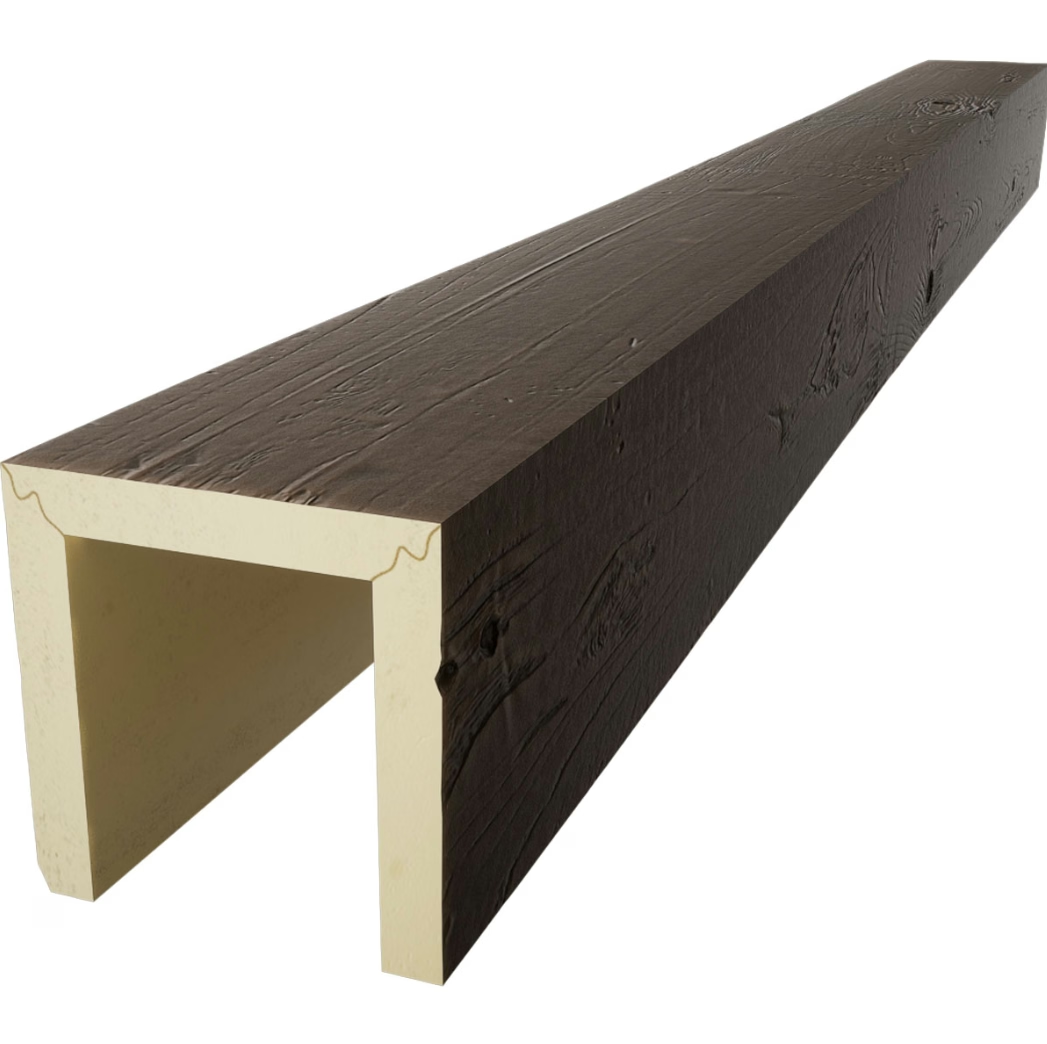
Weathered wood effects have become increasingly popular as design trends embrace authenticity and history. These effects include surface erosion that exposes different wood layers, color changes from UV exposure and oxidation, and mechanical damage from use and abuse over extended periods. Capturing this accumulated character requires both texture and finish treatments that suggest decades of aging.
The erosion component of weathering affects wood unevenly, with soft spring wood wearing away faster than dense summer wood. This differential erosion creates the characteristic tactile texture of weathered wood, with raised grain lines and recessed valleys. Mold technology reproduces this texture by capturing actual weathered wood samples, transferring the complexity of natural aging to polyurethane surfaces.
Color effects in weathered wood include graying from UV degradation, silvering from surface oxidation, and the warm brown tones of aged heartwood. These colors vary across the surface, often concentrating in protected areas while exposing lighter tones where weathering has been most aggressive. Finish techniques layer multiple colors to create this natural variation, with additional treatment creating depth that suggests genuine aging rather than painted appearance.
Fresh and Natural Timber Effects
Opposite to weathered aesthetics, fresh timber effects capture the vibrant coloration and clean surfaces of newly milled wood. These effects suit contemporary and transitional interiors where bright, natural materials support the overall design direction. The manufacturing challenge lies in making fresh appearance look natural rather than artificially perfect.
Growth feature reproduction for fresh timber includes knots, burls, and other natural characteristics that suggest genuine wood rather than manufactured alternatives. Natural wood's imperfections contribute to its authenticity, and their omission from faux materials produces results that appear somehow wrong despite lacking obvious defects. Quality manufacturers include appropriate growth features in their fresh timber effect options.
Color application for fresh timber effects requires restraint compared to weathered styles. Natural wood colors in recently milled timber tend toward warmer, more saturated tones than weathered alternatives. The challenge lies in avoiding both the washed-out appearance of faded wood and the artificially bright colors that read as painted rather than natural.
Patina and Character Markings
Authentic wood develops patina over time, with surface modifications that change its appearance while enhancing its character. This patina includes worn areas where use has smoothed surfaces, darkened zones where moisture and handling have stained the wood, and oxidized surfaces that develop unique colorations. These character markings distinguish old wood from new and suggest the history that makes antique materials valuable.
Manufacturing techniques for patina effects go beyond simple coloring to create dimensional surface modifications. Worn areas are textured differently than fresh surfaces, creating the tactile variations that patina includes. This texture difference shows under lighting that reveals surface contours, adding authenticity that color alone cannot provide.
The distribution of patina across beam surfaces follows natural patterns that authentic reproduction must capture. High-touch areas develop more wear than protected surfaces, creating gradations that suggest genuine use rather than uniform artificial treatment. Finish techniques map these patterns across beam surfaces, creating the localized variations that distinguish authentic patina from painted effect.
Installation Considerations for Wood Effect Beams
Transport and handling of wood effect beams requires attention that protects the carefully applied surface treatments. While polyurethane resists impact damage better than natural wood, the finish layer incorporating wood effects may be more vulnerable. Padding and cushioning during transport prevents the surface damage that would compromise appearance.
Jobsite storage should protect beams from direct sunlight that might accelerate color change in wood effect finishes. Even UV-stable finishes benefit from reduced exposure before installation, as they have not yet received the protection that permanent mounting provides. Covered, shaded storage preserves the carefully applied wood effects until installation.
Installation techniques for wood effect beams follow standard polyurethane beam procedures, with additional attention to protecting finish surfaces from adhesive squeeze-out or fingerprints. Masking or careful application prevents adhesive contact with visible surfaces. Installer cleanliness protects finish quality throughout the installation process.
Matching Wood Effects Across Installations
Projects requiring multiple beams benefit from careful matching that creates visual consistency across the installation. Wood effects vary naturally between pieces, and intentional variation contributes to authentic appearance, but uncontrolled variation appears accidental rather than designed. Quality manufacturers provide guidance on achieving appropriate consistency.
Sample approval before full production ensures that wood effect beams match specifications. The variation inherent in authentic wood effects makes exact matching impossible, but acceptable ranges can be established and verified through sample review. This step prevents the disappointment of discovering mismatched beams after installation has begun.
Touch-up capability should be considered during specification, as wood effect installations may require field adjustments or repairs. Manufacturers offering touch-up products enable repairs that blend with factory finishes, maintaining appearance integrity throughout the installation's service life.
Long-Term Appearance Maintenance
Wood effect finishes require maintenance practices appropriate to their specific formulation and application. Some finishes benefit from periodic wax application that enhances depth and provides additional protection. Others prefer simple cleaning without treatment products that might alter their appearance over time.
Color maintenance for wood effect beams focuses on preserving rather than restoring appearance. Harsh cleaners or abrasive techniques that might strip finish layers should be avoided. Gentle cleaning with appropriate products maintains appearance without risking damage that would require professional refinishing.
Repair capability varies by finish type and damage extent. Minor scratches may respond to careful application of touch-up products, while extensive damage might require professional refinishing. Understanding repair limitations helps set appropriate expectations for long-term appearance maintenance.
Technical References
ASTM standards cited in every specification
Test Data
Lab results from internal testing program
Updated 2026
Reviewed against current product specs